Introduction
Recipes baked beans rely on the slow-cooking of dried legumes in a sweetened, savory sauce to achieve a tender texture and complex flavor profile suitable for traditional farmhouse fare. According to the Culinary Institute of America (CIA), achieving the ideal texture in pulse-based dishes requires an initial soak or a gradual temperature increase to ensure uniform hydration of the bean starches. This foundational technique transforms humble, budget-friendly ingredients into a nutrient-dense staple of home-style cooking. Mastering these methods provides a reliable, repeatable process for creating consistent, high-quality results in any cottage kitchen, whether focusing on Recipes & Baking or broader homesteading skills.
Cottage Project & Prep Snapshot:
- Core Focus: Achieving uniform bean tenderness through precise temperature control and acid management.
- Materials & Scope: Dried navy or pinto beans, cured pork, molasses, dry mustard, and heavy-bottomed ceramic or cast-iron vessels.
- Key Recommendation: Maintain low, consistent oven temperatures of 300°F (150°C) to prevent scorched sugars and uneven softening.
Core Principles and Detailed Overview
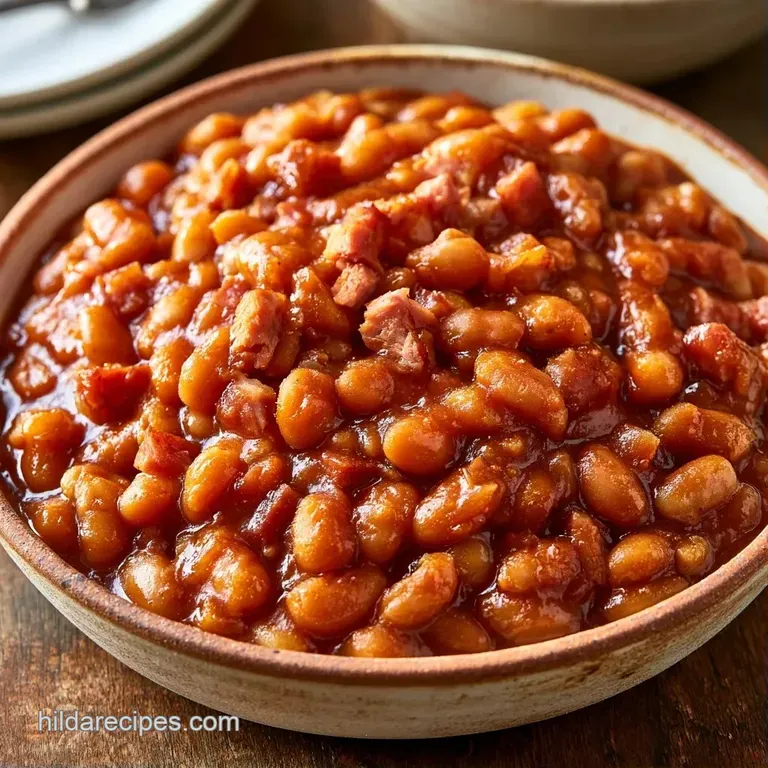
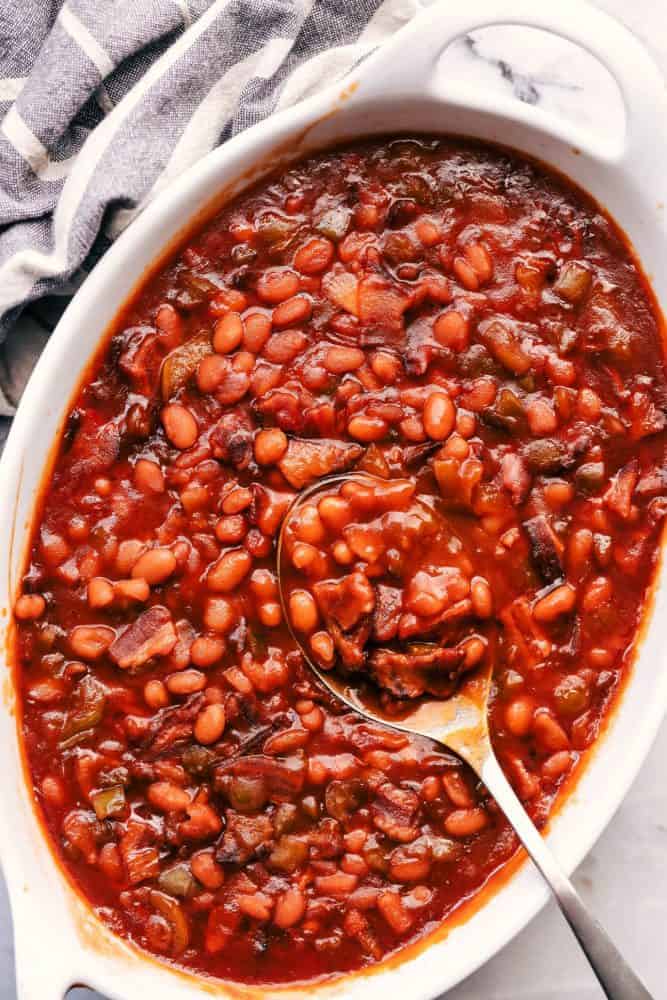
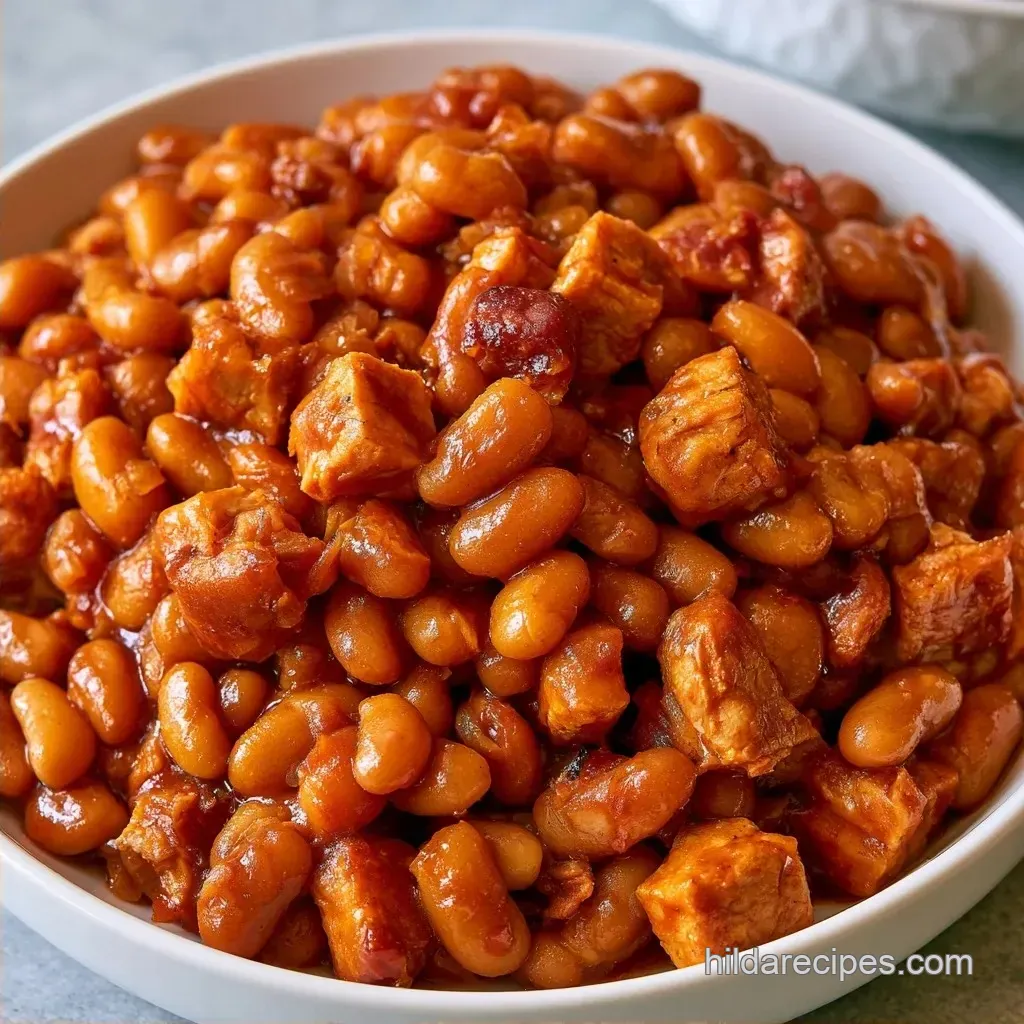
Recipes baked beans succeed by balancing the interaction between bean skin integrity, starch gelatinization, and the reduction of the surrounding sauce. The process begins with the selection of high-quality dried beans, typically navy or pea beans, which offer the structural density required for long-duration cooking. Soaking beans for eight to twelve hours in room-temperature water is essential for rehydrating the interior, ensuring that the final product reaches an even, creamy consistency without splitting. The sauce composition—usually a blend of molasses, brown sugar, salt pork, and aromatics—must be added only after the beans have reached a partially cooked state to prevent the exterior skins from toughening prematurely. Utilizing a heavy-bottomed Dutch oven provides the necessary thermal mass to distribute heat evenly, preventing localized burning of the sugary liquids at the base of the pot. Related guide: Recipes Baking.
Key Specifications and Breakdown
| Component / Step | Recommended Specification | Quality & Practical Tip |
|---|---|---|
| Bean Ratio | 1 lb dried to 8 cups liquid | Use filtered water for optimal hydration. |
| Oven Temperature | 300°F (150°C) | Avoid high heat to prevent sauce caramelization. |
| Cooking Duration | 5 to 7 hours | Check moisture levels hourly; add hot water if needed. |
The USDA Food Safety and Inspection Service (FSIS) mandates that dried beans must be brought to a boil for at least 10 minutes to neutralize naturally occurring lectins, specifically phytohaemagglutinin, prior to slow-cooking. — USDA Food Safety and Inspection Service (FSIS)
Step-by-Step Practical Application and Guidelines
Practical application for recipes baked beans requires a disciplined approach to moisture management and ingredient sequencing to ensure a professional-grade result. Begin by rinsing and soaking the beans, then simmer on the stovetop until the skins begin to crack when blown upon. Once the beans reach this par-cooked stage, drain the water and combine the beans with the prepared sauce—containing molasses, maple syrup, mustard powder, and rendered salt pork—within a preheated ceramic vessel. Submerge the beans completely in the liquid, leaving one inch of headspace to accommodate expansion. Cover the vessel tightly to trap steam, which facilitates the softening process, and place into the center of the oven. Maintain a steady, low heat, and stir gently every ninety minutes to redistribute the rendered fats and sugar, ensuring a uniform glaze develops across the entire batch.
Common Challenges and How to Avoid Them
Common challenges with recipes baked beans often stem from improper ingredient timing or excessive heat, which can lead to tough skins or burnt sugar. Adding acidic ingredients like tomato paste or vinegar too early in the cooking process frequently inhibits the softening of the bean skins, resulting in a gritty mouthfeel. To mitigate this, incorporate all acidic components only during the final hour of cooking. If the sauce thickens too rapidly, add small amounts of boiling water to maintain the desired consistency, as cold water can cause the beans to seize and toughen. Proper vessel selection is equally critical; shallow, wide-mouthed pots encourage evaporation and sauce thickening, while deep pots retain more moisture. For those interested in expanding their home-style repertoire, further techniques for traditional preparation can be found in DIY & Cottage Decor or through exploring specialized Printables & Paper Crafts for kitchen organization.
💬 Frequently Asked Questions
Explore More Guides on The Cottage Chronicles
Mastering traditional culinary techniques remains a cornerstone of self-sufficient cottage living. For further guidance on seasonal food preservation, home-style meal preparation, and organizational systems for the modern homesteader, browse the complete archives at The Cottage Chronicles to refine your skills.
Recipe Step Photos & Variations