Introduction
Baked butternut squash provides a nutrient-dense, versatile foundation for seasonal home-style cooking, requiring precise thermal management to achieve optimal caramelization and texture. According to the Culinary Institute of America (CIA), maintaining consistent oven temperatures and proper surface area exposure remains the primary technical requirement for achieving professional-grade vegetable roasting results. Mastery of these heat-transfer principles ensures that the natural sugars within the squash undergo the Maillard reaction, resulting in a superior flavor profile suitable for both savory dishes and traditional Recipes & Baking.
Cottage Project & Prep Snapshot:
- Core Focus: Optimal thermal processing of Cucurbita moschata for culinary applications.
- Materials & Scope: Sharp chef’s knife, heavy-gauge baking sheet, parchment paper, and high-smoke-point fats.
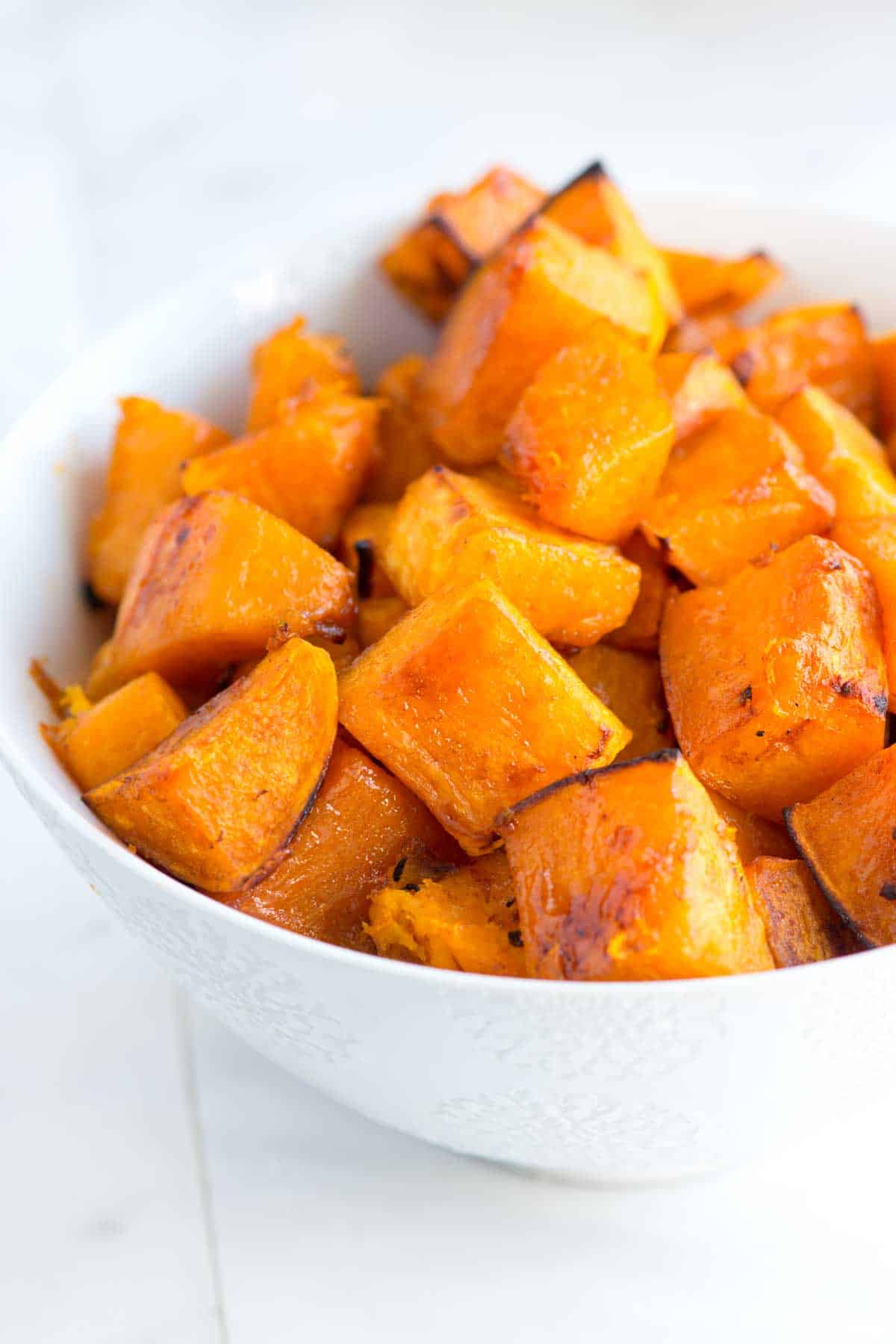
- Key Recommendation: Uniform 1-inch cube sizing ensures even heat penetration and consistent browning across the entire batch.
Core Principles and Detailed Overview
Achieving perfect baked butternut squash relies on the precise balance of high-heat exposure, lipid application, and moisture control. The dense, fibrous flesh of the squash requires a roasting temperature of 400°F (200°C) to facilitate rapid evaporation of excess water, which prevents steaming and encourages surface browning. Selection of high-quality, mature produce—characterized by a matte skin and a firm, heavy feel—serves as the foundational step for any successful preparation. Once processed, the squash should be tossed in an oil with a high smoke point, such as avocado or refined grapeseed oil, to withstand the duration of the roasting cycle without degrading the nutritional integrity of the ingredients.
Key Specifications and Breakdown
| Component / Step | Recommended Specification | Quality & Practical Tip |
|---|---|---|
| Oven Temperature | 400°F (200°C) | Use convection setting if available for even airflow. |
| Cube Dimensions | 1-inch uniform cubes | Consistent sizing prevents uneven texture and burnt edges. |
| Fat-to-Vegetable Ratio | 1 tbsp oil per lb | Ensure even coating to facilitate heat transfer. |
Internal Temperature Safety — The USDA Food Safety and Inspection Service (FSIS) recommends cooking all root and winter squash varieties until tender, typically reaching an internal temperature of 165°F (74°C) to ensure peak digestibility and texture. Related guide: Recipes Baking With Greek Yogurt.
Step-by-Step Practical Application and Guidelines
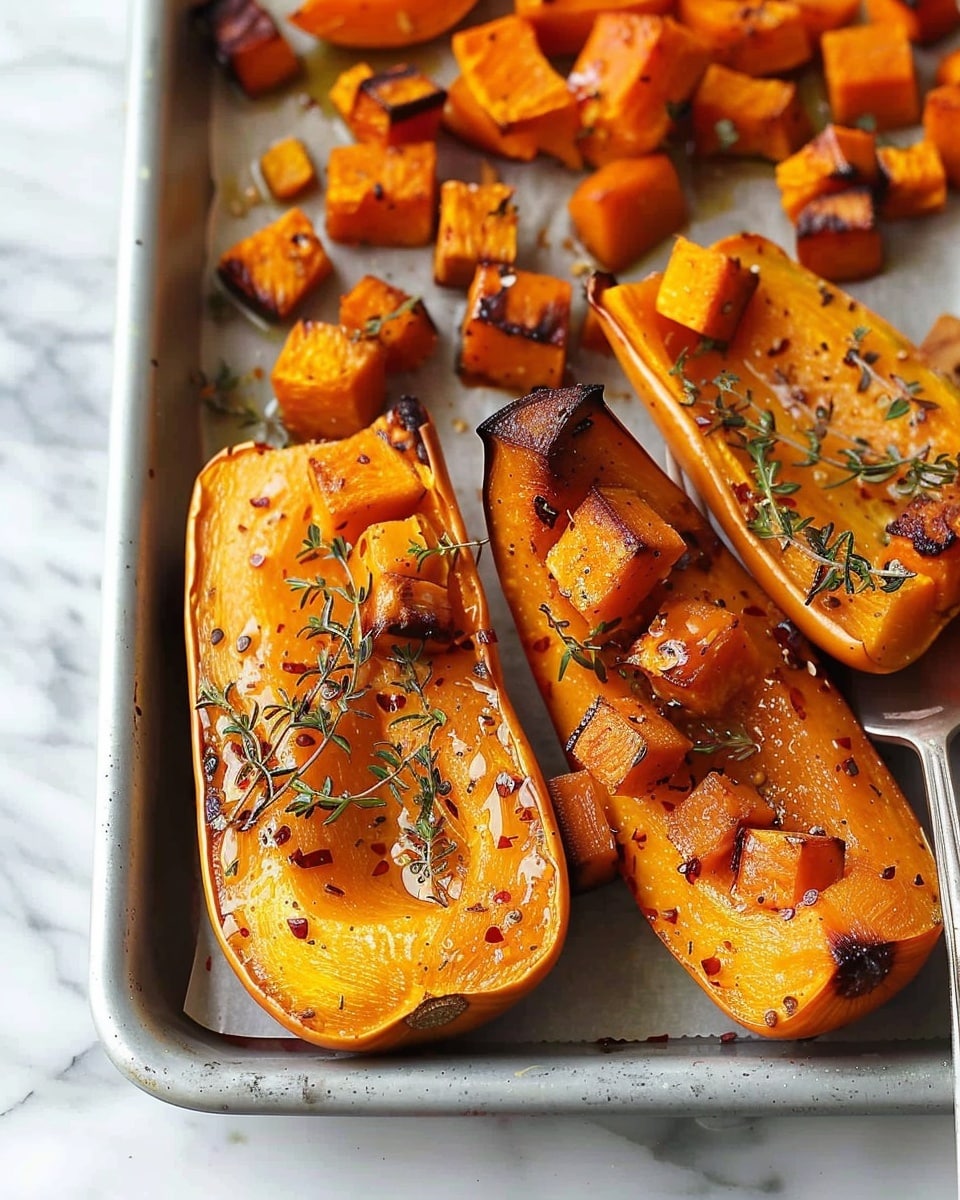
Preparation of baked butternut squash begins with the removal of the stem and the longitudinal halving of the fruit to facilitate efficient seed extraction. After peeling the skin with a heavy-duty vegetable peeler, the flesh must be cut into uniform segments to promote simultaneous cooking. Arranging these pieces on a parchment-lined tray with sufficient spacing prevents the accumulation of steam, which is the primary deterrent to achieving a caramelized exterior. Seasoning should be applied sparingly before roasting to avoid drawing out moisture prematurely, with final flavor adjustments performed immediately upon removal from the oven while the flesh remains porous and absorbent.
Common Challenges and How to Avoid Them
Preventing soggy or unevenly cooked squash is managed by strictly avoiding overcrowding on the baking sheet during the roasting process. When pieces are placed too close together, they release moisture that gets trapped between them, resulting in a soft, boiled texture rather than the desired roasted finish. If the squash shows signs of browning too quickly before the center reaches tenderness, the temperature should be lowered to 375°F (190°C) for the final ten minutes of the cycle. Consistent monitoring of the oven environment is essential for those balancing multiple tasks in a busy cottage kitchen, ensuring that the squash remains firm enough for salads or soft enough for purees.
💬 Frequently Asked Questions
Explore More Guides on The Cottage Chronicles
For additional guidance on seasonal home-style preparations, integrated DIY & Cottage Decor, or specialized Printables & Paper Crafts, visit the full archives at The Cottage Chronicles to refine your home-living skill set.
Recipe Step Photos & Variations