Introduction
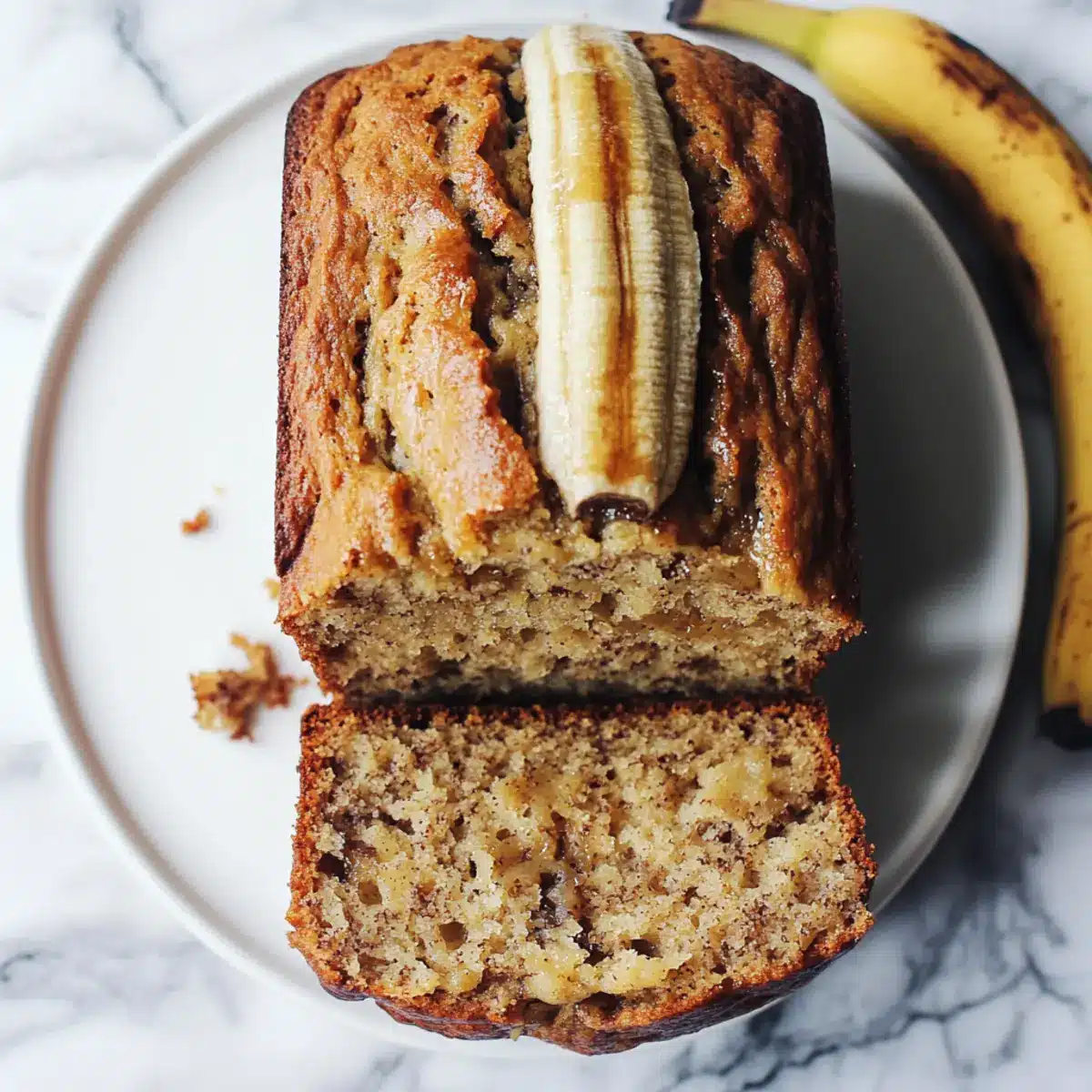
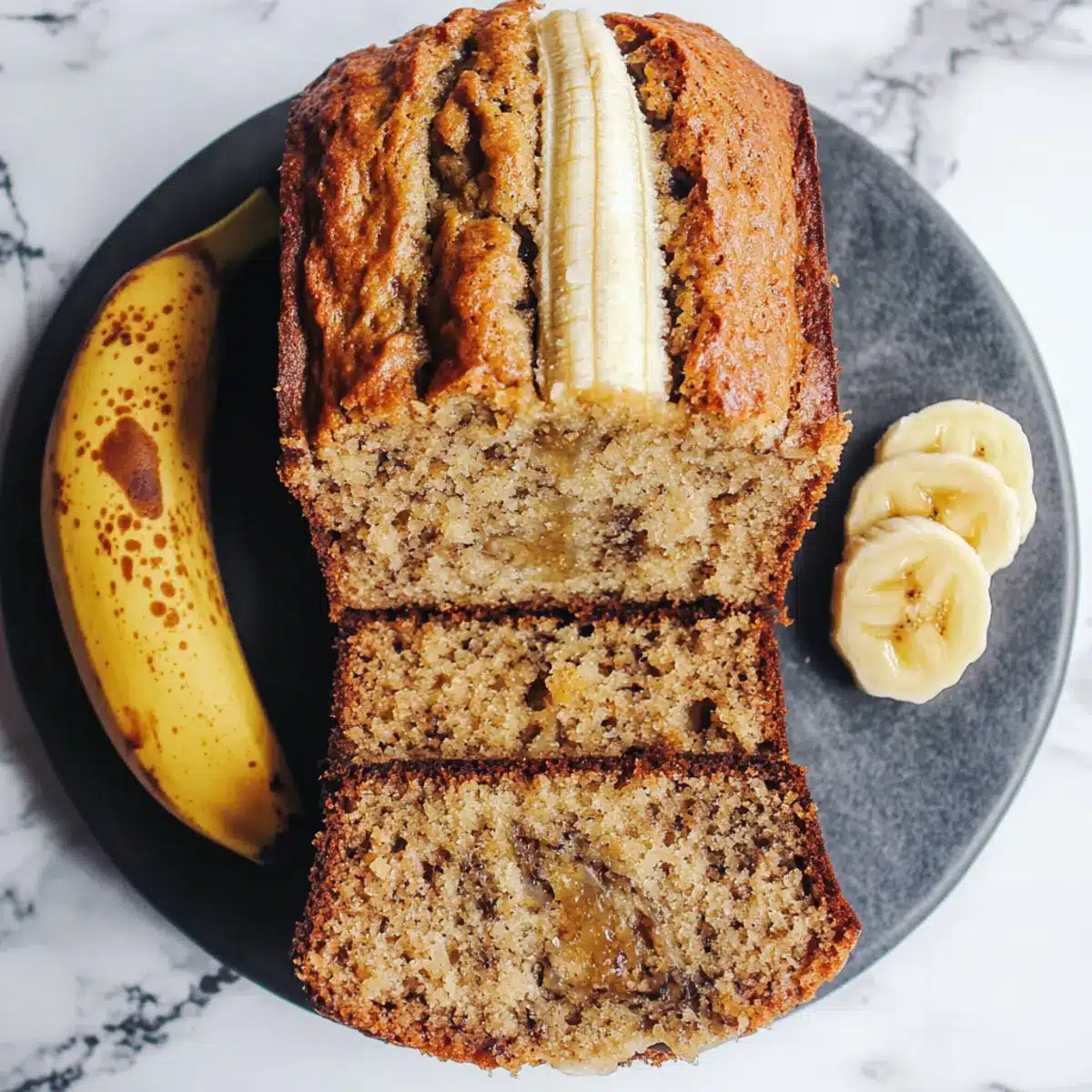
Recipes baking banana involve transforming overripe fruit into moist, structurally sound quick breads, muffins, and cakes through precise chemical leavening and optimal sugar-to-fat ratios. According to the Culinary Institute of America (CIA), utilizing heavily speckled or completely blackened bananas maximizes natural sweetness and starch conversion, yielding superior flavor development without excessive refined sugar. Mastering these traditional formulations ensures a tender crumb and a robust, caramelized profile suited for rustic farmhouse kitchens. Exploring proper preparation methods complements broader culinary skills found throughout Recipes & Baking collections.
Cottage Project & Prep Snapshot:
- Core Focus: Mastering traditional banana baking formulations for optimal crumb structure and flavor.
- Materials & Scope: Overripe bananas, all-purpose flour, baking soda, unsalted butter, and standard loaf pans.
- Key Recommendation: Weigh dry and wet ingredients carefully rather than packing flour to prevent dry textures.
Core Principles and Detailed Overview
Banana baking relies upon the alkaline reaction between baking soda and the natural acidity of overripe fruit to achieve an even, reliable rise. Achieving the ideal texture requires gentle folding of wet and dry components to prevent gluten overdevelopment, which results in tough, rubbery loaves. Fat content from butter or neutral oils traps moisture around starch molecules, ensuring the baked good retains its softness across multiple days. Incorporating warm spices such as cinnamon and nutmeg enhances the aromatic depth, balancing the dense fruit puree.
Key Specifications and Breakdown
| Component / Step | Recommended Specification | Quality & Practical Tip |
|---|---|---|
| Fruit Ripeness | Deeply speckled or fully black skins | Maximum starch-to-sugar conversion ensures natural sweetness and moisture. |
| Leavening Agent | Fresh baking soda (sodium bicarbonate) | Test old stock to guarantee proper acid reaction and structural lift. |
| Baking Temperature | 350°F (175°C) conventional oven | Promotes even crust caramelization without burning the exterior sugar. |
Proper internal doneness for dense quick breads requires a center temperature reaching 200°F (93°C) to ensure starches are fully set — USDA Food Safety and Inspection Service (FSIS). Related guide: Recipes Baking Easy.
Step-by-Step Practical Application and Guidelines
Executing consistent banana bakes begins by thoroughly mashing the softened fruit and whisking it together with melted fat, eggs, and sugar until completely emulsified. Sift the flour, baking soda, and salt separately to eliminate lumps and distribute the leavening agent evenly throughout the dry mixture. Gently fold the dry ingredients into the wet mixture using a rubber spatula just until no dry pockets remain, then transfer the batter immediately into a greased and parchment-lined loaf pan. Bake on the center oven rack until a wooden skewer inserted into the thickest part emerges clean with a few moist crumbs attached.
Common Challenges and How to Avoid Them
Dense or gummy centers typically stem from overmixing the batter after adding flour or utilizing underripe fruit lacking sufficient moisture and acidity. Preventing a sunken center requires verifying that the baking soda remains active and ensuring the oven temperature is not excessively high, which causes premature crust setting before the interior rises. Allowing the baked loaf to rest in the pan for ten minutes before transferring it to a wire rack preserves structural integrity and prevents structural collapse during cooling.
💬 Frequently Asked Questions
Explore More Guides on The Cottage Chronicles
Expanding domestic skills extends beyond the kitchen into handcrafted home accents and paper arts. Enthusiasts can discover seasonal inspiration by exploring DIY & Cottage Decor alongside charming paper templates found in Printables & Paper Crafts. Detailed archives and rustic homemaking guides are always accessible directly through The Cottage Chronicles.
Recipe Step Photos & Variations