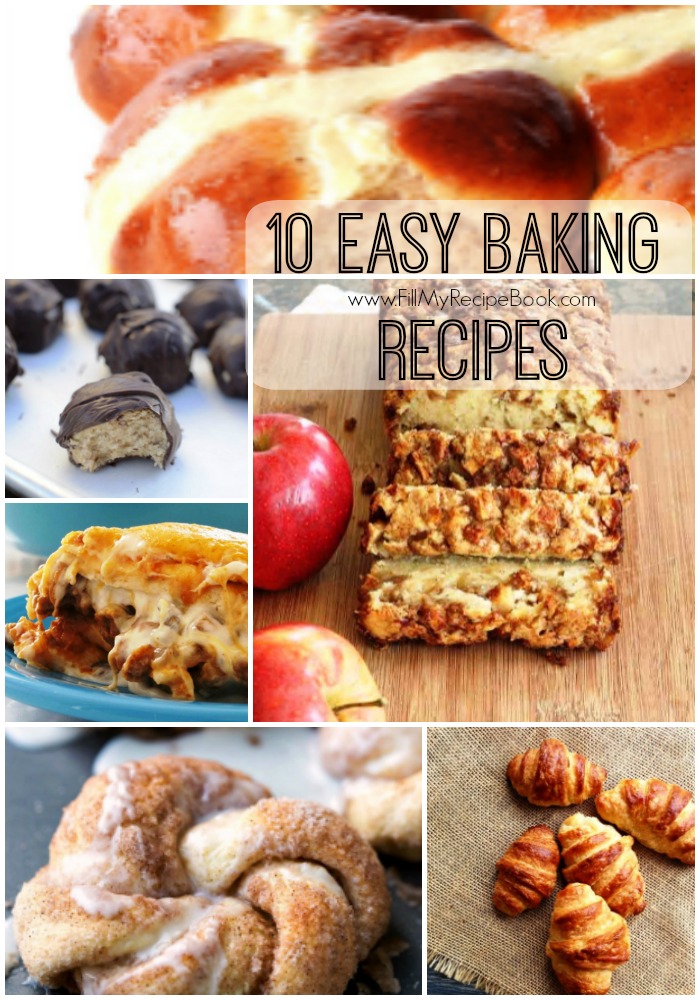
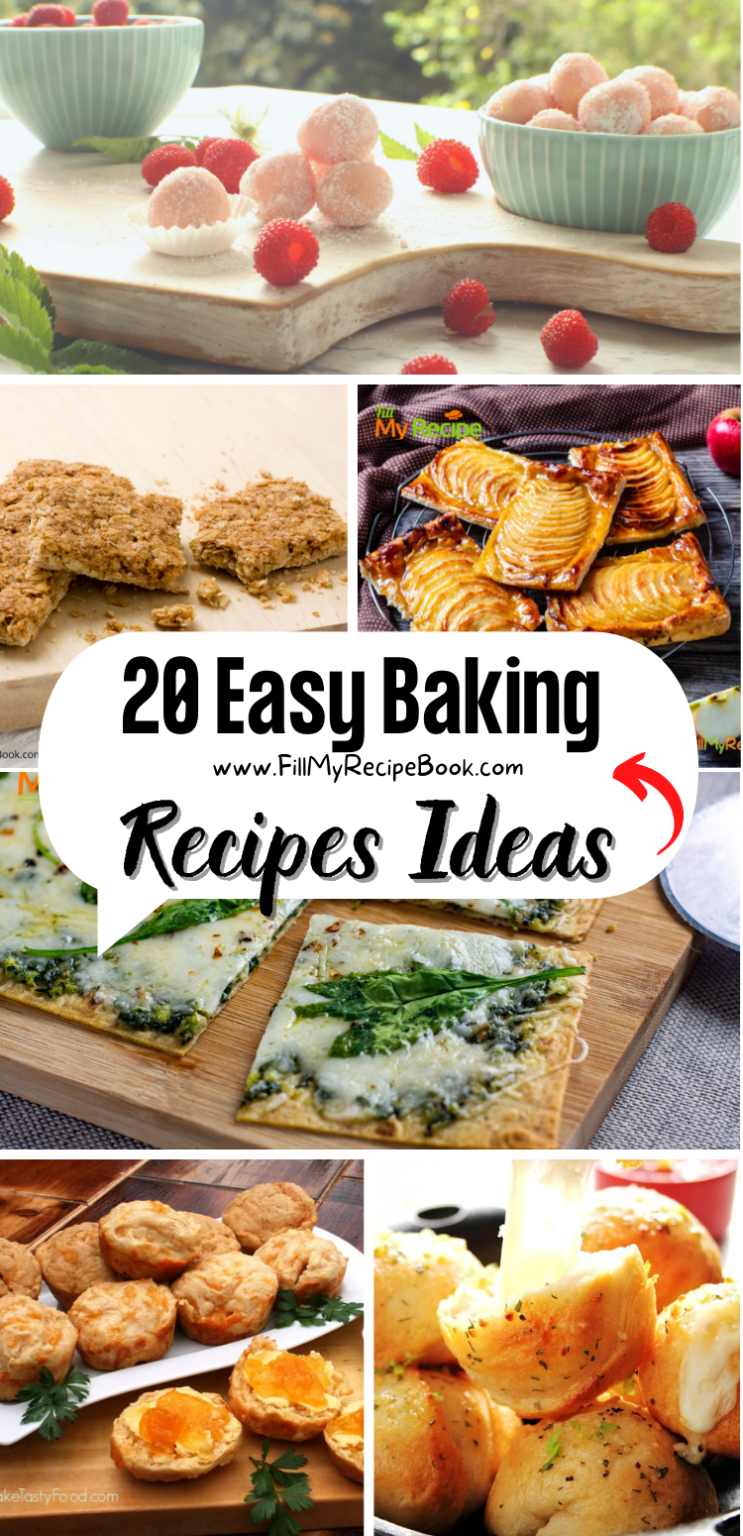
Introduction
Recipes baking easy rely on standardized ingredient ratios, precise temperature controls, and dependable mixing techniques to consistently produce exceptional homestead loaves, pastries, and treats with minimal complexity. According to the Culinary Institute of America (CIA), mastering foundational volume and weight measurements eliminates variables, ensuring predictable baking results across all kitchen environments. Streamlining home baking operations saves time, reduces food waste, and elevates everyday cottage cooking into an accessible, reliable culinary art. Enthusiasts seeking broader inspiration can explore the curated collection at Recipes & Baking for seasonal treats.
Cottage Project & Prep Snapshot:
- Core Focus: Simplifying traditional scratch baking through reliable formulas and streamlined preparation steps.
- Materials & Scope: High-protein unbleached flours, pure fats (butter/lard), aluminum-free baking powder, and a digital kitchen scale.
- Key Recommendation: Always measure dry ingredients by weight rather than volume to maintain structural integrity and moisture balance.
Core Principles and Detailed Overview
Simplified baking success depends on balancing structure, moisture, leavening, and tenderizing agents within strict proportion guidelines. Direct adherence to foundational formulas allows home bakers to adapt standard rustic breads, quick biscuits, and drop cookies without complicated steps or specialized commercial machinery. Understanding how gluten development reacts to hydration speed determines whether a baked good emerges tender and flaky or tough and dense. Expanding homestead skill sets often involves pairing culinary efforts with cozy interior styling found within DIY & Cottage Decor guides to create an inviting, functional farmhouse kitchen.
Key Specifications and Breakdown
| Component / Step | Recommended Specification | Quality & Practical Tip |
|---|---|---|
| Fat-to-Flour Ratio | 1:2 by weight for flaky pastries | Keep butter thoroughly chilled before cutting into dry ingredients. |
| Oven Preheating | 350°F to 425°F stabilized | Use an independent oven thermometer to verify true internal cavity heat. |
| Mixing Technique | Gentle folding for quick breads | Stop mixing immediately when dry pockets disappear to prevent tough textures. |
Standardized ingredient weighting and correct oven calibration remain the primary operational benchmarks for consistent domestic baking success. — Culinary Institute of America (CIA)
Step-by-Step Practical Application and Guidelines
Executing simple baking projects efficiently requires organizing all components, pre-measuring inputs, and verifying equipment readiness before starting any mixing tasks. Mise en place prevents procedural errors, ensuring leavening agents activate properly upon liquid contact and heat exposure. Bakers should sift dry components to aerate the flour, cut cold fats rapidly to preserve pockets of steam, and bake on parchment-lined heavy-gauge aluminum sheets for even heat conduction. Incorporating thoughtful paper details such as custom labels found in Printables & Paper Crafts also adds a charming, rustic touch when gifting homemade baked goods to neighbors.
Common Challenges and How to Avoid Them
Preventing dense textures and burnt crusts involves identifying common kitchen missteps early in the preparation and baking cycle. Dense loaves and heavy cakes usually stem from over-mixed batter or expired leavening agents that fail to release adequate carbon dioxide gas. Maintaining fresh pantry staples, verifying expiration dates on baking soda and powder, and avoiding excessive flour compaction during measuring resolves most structural failures effortlessly.
💬 Frequently Asked Questions
Explore More Guides on The Cottage Chronicles
Mastering practical homestead arts transforms daily routines into deeply rewarding traditional experiences for families and communities. Readers can browse the complete archival library, seasonal tutorials, and lifestyle resources anytime by visiting The Cottage Chronicles for continuous inspiration.
Recipe Step Photos & Variations