Introduction
A recipe baking book serves as a foundational culinary archive designed to preserve precise measurements, temperature thresholds, and chemical ratios essential for consistent home-style baking. According to the Culinary Institute of America (CIA), professional baking success relies upon the strict adherence to standardized weights and ratios rather than volume-based measurements to ensure structural integrity in leavened goods. Establishing a systematic approach to recipe management prevents ingredient degradation and ensures that heirloom techniques remain replicable across generations. This practice integrates seamlessly with Recipes & Baking standards to maintain cottage-style quality in every kitchen output.
Cottage Project & Prep Snapshot:
- Core Focus: Systematic organization of baking formulas and technical procedures.
- Materials & Scope: Digital scales, archival-grade cardstock for printables, and humidity-controlled storage.
- Key Recommendation: Utilize weight-based measurements (grams) to maximize ingredient accuracy.
Core Principles and Detailed Overview
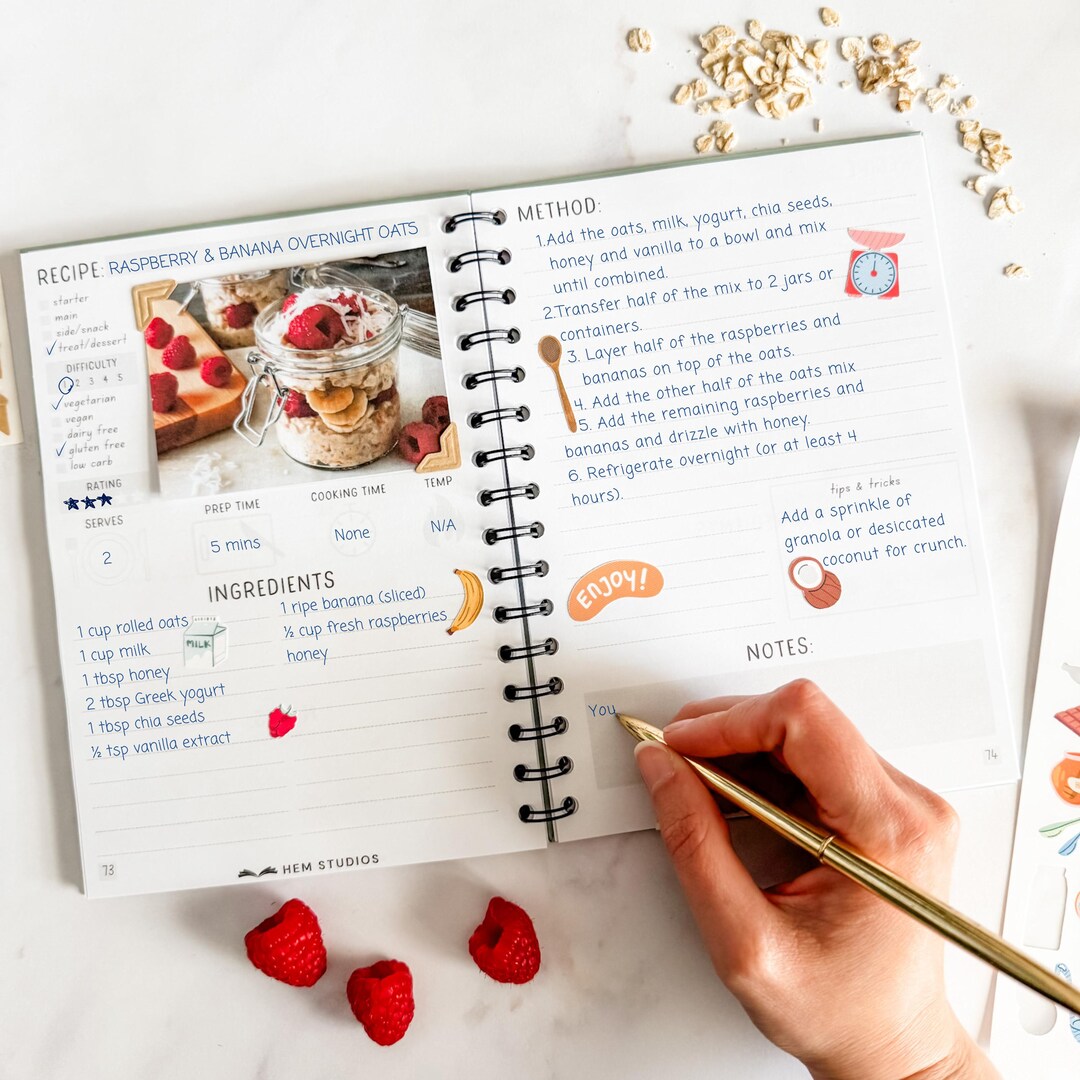
Recipe baking book maintenance requires the implementation of a standardized documentation format that captures every critical variable from ambient kitchen temperature to specific oven rack positioning. High-density baking information must prioritize the inclusion of baker’s percentages, which define the ratio of ingredients relative to the total flour weight, ensuring scalability for different batch sizes. When documenting these processes, clarity in procedural steps—such as folding techniques or proofing intervals—prevents common structural failures in breads and pastries. Incorporating Printables & Paper Crafts templates allows for the creation of durable, spill-resistant recipe cards that withstand the rigors of an active farmhouse kitchen environment.
Key Specifications and Breakdown
| Component / Step | Recommended Specification | Quality & Practical Tip |
|---|---|---|
| Measurement System | Metric (Grams) | Always prioritize weight over volume for dry ingredients. |
| Paper Weight | 100lb/270gsm Cardstock | Use acid-free, heavy-weight paper for long-term archival. |
| Temperature Control | Oven Calibration | Verify actual internal heat with an independent thermometer. |
The Baker’s Percentage Principle — Culinary Institute of America (CIA)
Step-by-Step Practical Application and Guidelines
Standardizing a recipe baking book begins with the rigorous testing of formulas followed by the immediate recording of results in a structured, permanent format. Initial testing must occur under controlled conditions to identify the exact hydration levels and fermentation times required for optimal crumb structure. Once a recipe reaches the desired quality benchmark, transcribe the procedure onto archival-grade cardstock, ensuring all oven temperatures and cooling durations are explicitly stated. Organizing these entries by category—such as yeast breads, laminated doughs, or quick-mix batters—facilitates rapid retrieval during active prep sessions. Finally, applying a matte-finish laminate or using protective sleeves preserves the documentation against flour dust and moisture exposure common in cottage-style baking environments. Related guide: Recipes Baked Beans.
Common Challenges and How to Avoid Them
Inaccurate documentation remains the primary cause of inconsistent baking results, often stemming from the omission of specific environmental variables like humidity or flour protein content. Failure to record the exact brand of flour or the specific grind of yeast can lead to significant variations in water absorption and gas production during the proofing phase. To mitigate these risks, maintain a dedicated notes section on each recipe page to track seasonal adjustments and equipment-specific performance. Avoiding the use of vague terminology—such as “until done” or “a pinch”—in favor of specific internal temperatures and gram-based measurements ensures that every iteration of a recipe produces a professional-grade result regardless of the baker’s experience level.
💬 Frequently Asked Questions
Explore More Guides on The Cottage Chronicles
Maintaining an organized recipe baking book is a cornerstone of efficient farmhouse living and creative home management. For additional resources on enhancing kitchen aesthetics and functional workspace design, review the comprehensive collection of DIY & Cottage Decor guides available at The Cottage Chronicles.
Recipe Step Photos & Variations