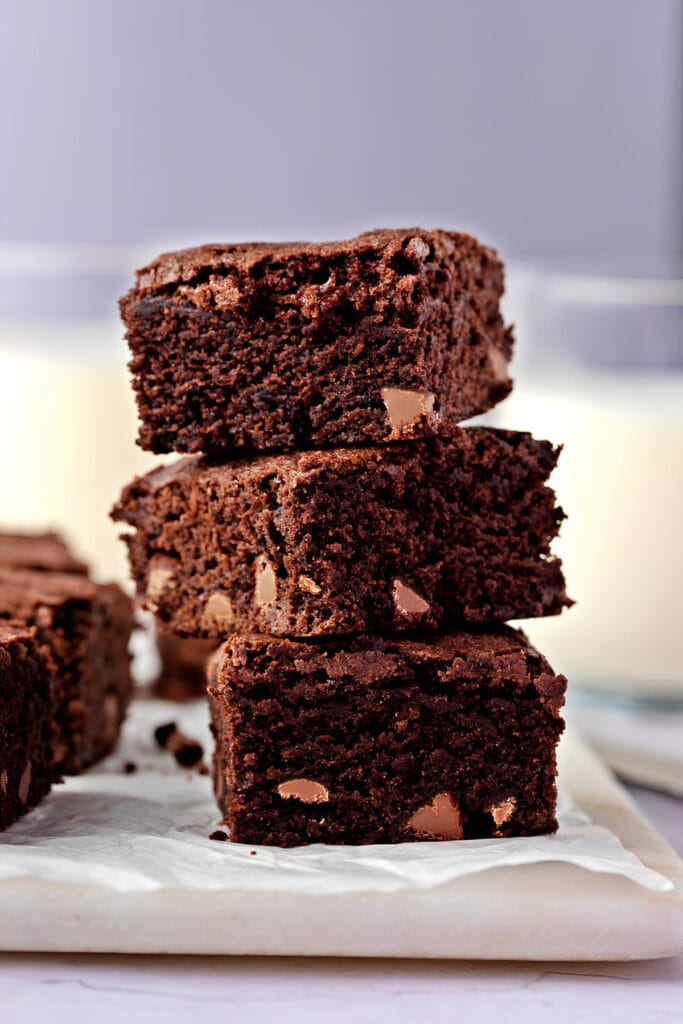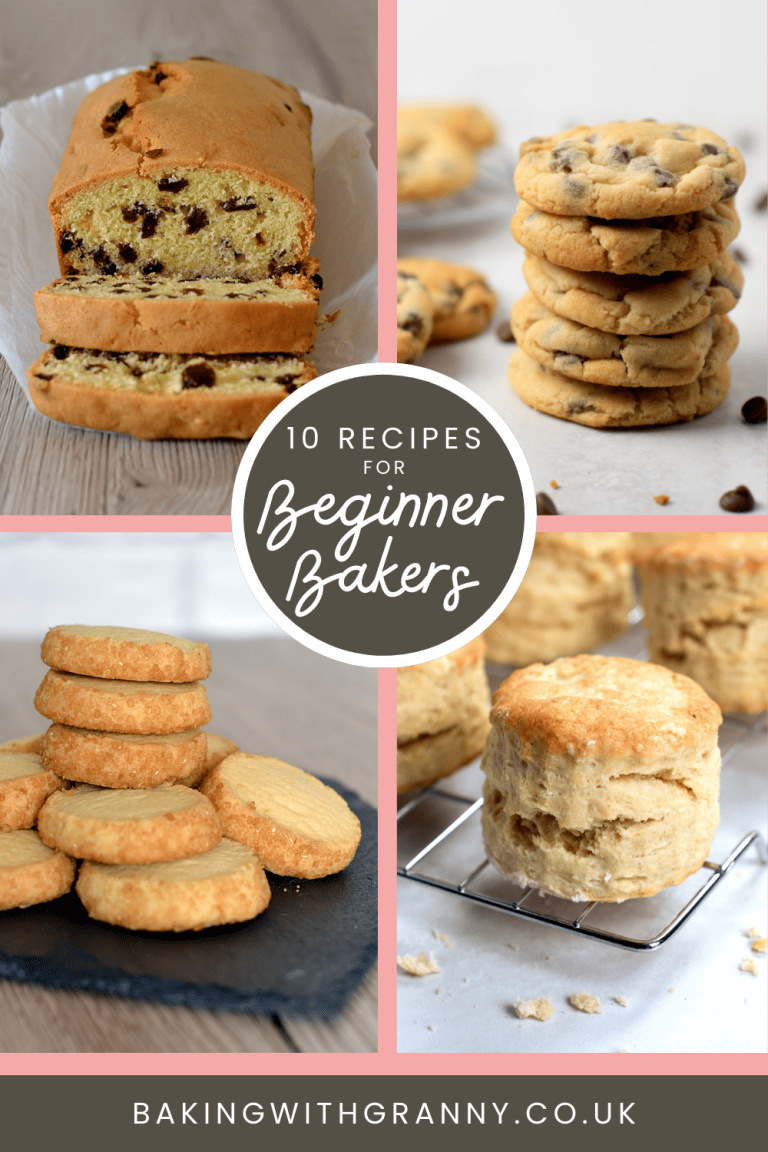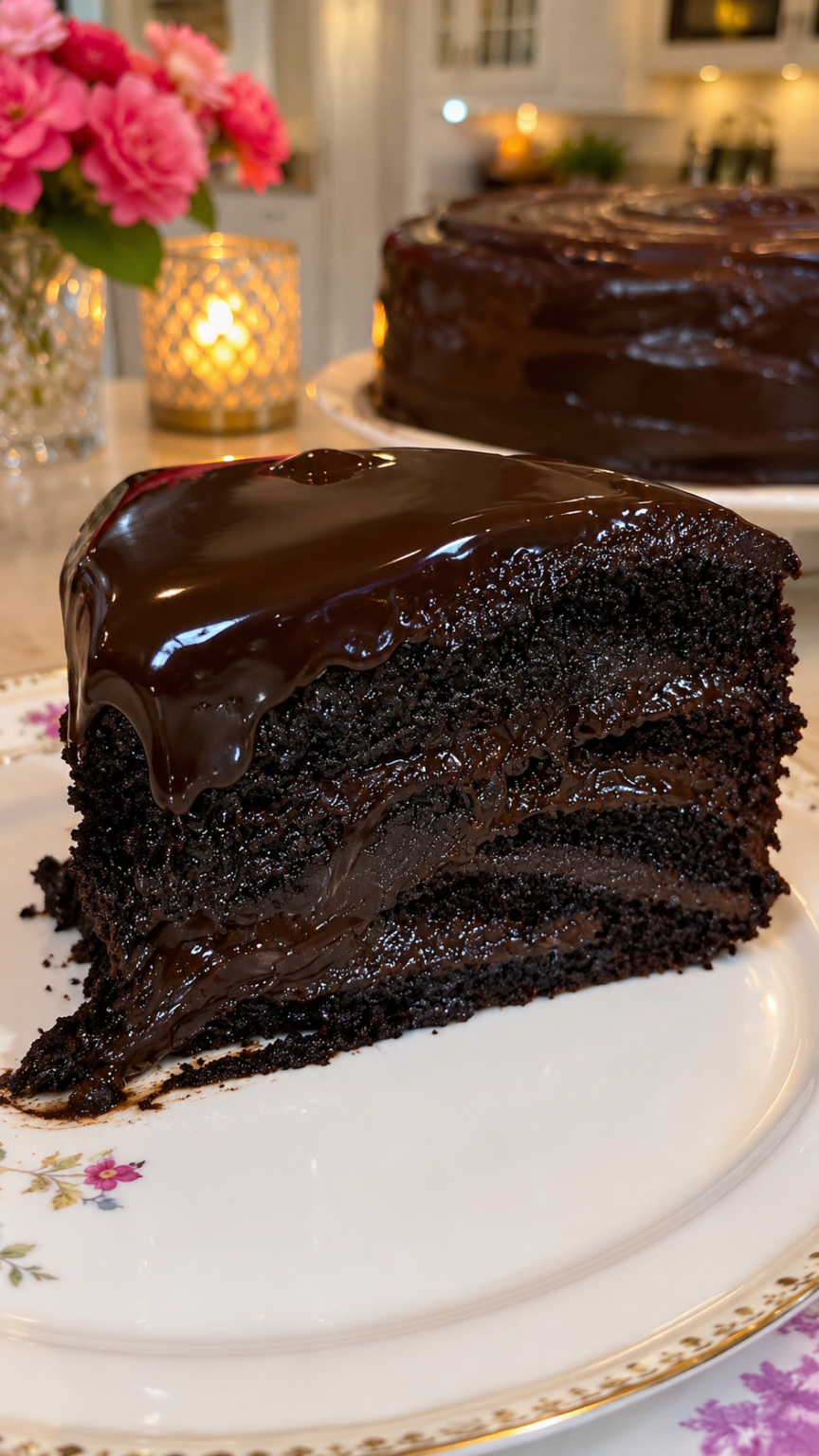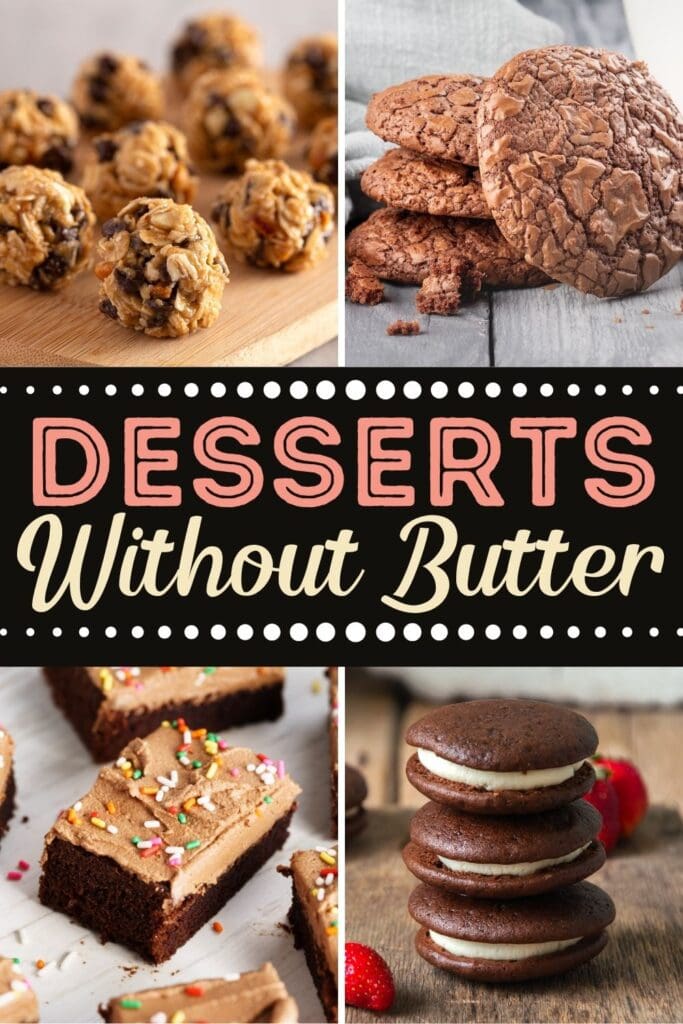
Introduction
Recipes baking ideas encompass traditional hearth-style culinary methods and precise ingredient formulations designed to yield artisanal loaves, rustic pastries, and comforting heritage sweets. According to the Culinary Institute of America (CIA), mastering foundational dough hydration ratios and thermal conductivity principles ensures consistent crumb structures and golden crust development across all home-baked goods. Culinary enthusiasts seeking inspiration often explore curated collections found within Recipes & Baking to refine traditional techniques.
Cottage Project & Prep Snapshot:
- Core Focus: Artisanal recipes baking ideas for rustic breads, scones, and hearth cakes.
- Materials & Scope: Unbleached all-purpose flour, European-style cultured butter, digital kitchen scales, and heavy cast-iron Dutch ovens.
- Key Recommendation: Always measure dry ingredients by weight rather than volume to maintain proper hydration balance.
Core Principles and Detailed Overview
Reliable recipes baking ideas rely heavily on precise chemistry, temperature control, and high-quality fats to create desirable textures and rich flavor profiles. Understanding gluten development through resting periods and gentle folding replaces heavy kneading, resulting in an open, airy crumb structure. For those expanding creative homestead projects, pairing culinary pursuits with handcrafted home styling projects listed in DIY & Cottage Decor establishes a cohesive farmhouse aesthetic throughout the living space. Furthermore, organizing kitchen notes with printable ledger templates found in Printables & Paper Crafts keeps heirloom family formulas neatly cataloged.
Key Specifications and Breakdown
| Component / Step | Recommended Specification | Quality & Practical Tip |
|---|---|---|
| Flour Protein Content | 11.7% to 12.7% for artisan bread | Higher protein yields stronger gluten networks necessary for structural rise. |
| Oven Preheating Time | Minimum 45 minutes at 450°F | Ensures radiant stone heat necessary for immediate spring in sourdough. |
| Butter Temperature | 65°F to 68°F for lamination | Chilled yet pliable fat creates distinct flaky layers in pastry dough. |
Proper temperature control during proofing and baking remains the single most critical factor for gelatinization and yeast activity — Culinary Institute of America (CIA)
Step-by-Step Practical Application and Guidelines
Executing successful recipes baking ideas begins with assembling room-temperature ingredients, calibrating oven thermometers, and utilizing heavy-gauge metal or cast-iron bakeware to distribute heat evenly. Mix dry components thoroughly before incorporating wet additions to prevent pockets of unhydrated leavening agents. Monitor visual cues such as deep amber crusts and internal temperatures rather than relying strictly on elapsed baking times to determine complete doneness.
Common Challenges and How to Avoid Them
Dense crumb structures and collapsed domes typically stem from expired leavening agents, over-mixed gluten networks, or inaccurate flour measurements caused by packing cups. Preventing these common pitfalls requires storing baking powder in airtight containers, weighing flour on a digital scale, and ensuring oven temperatures match actual internal readings using an independent thermometer.
💬 Frequently Asked Questions
Explore More Guides on The Cottage Chronicles
Discover additional homesteading inspiration, seasonal hearth projects, and traditional lifestyle guides by visiting The Cottage Chronicles to elevate everyday country living.
Recipe Step Photos & Variations