Introduction
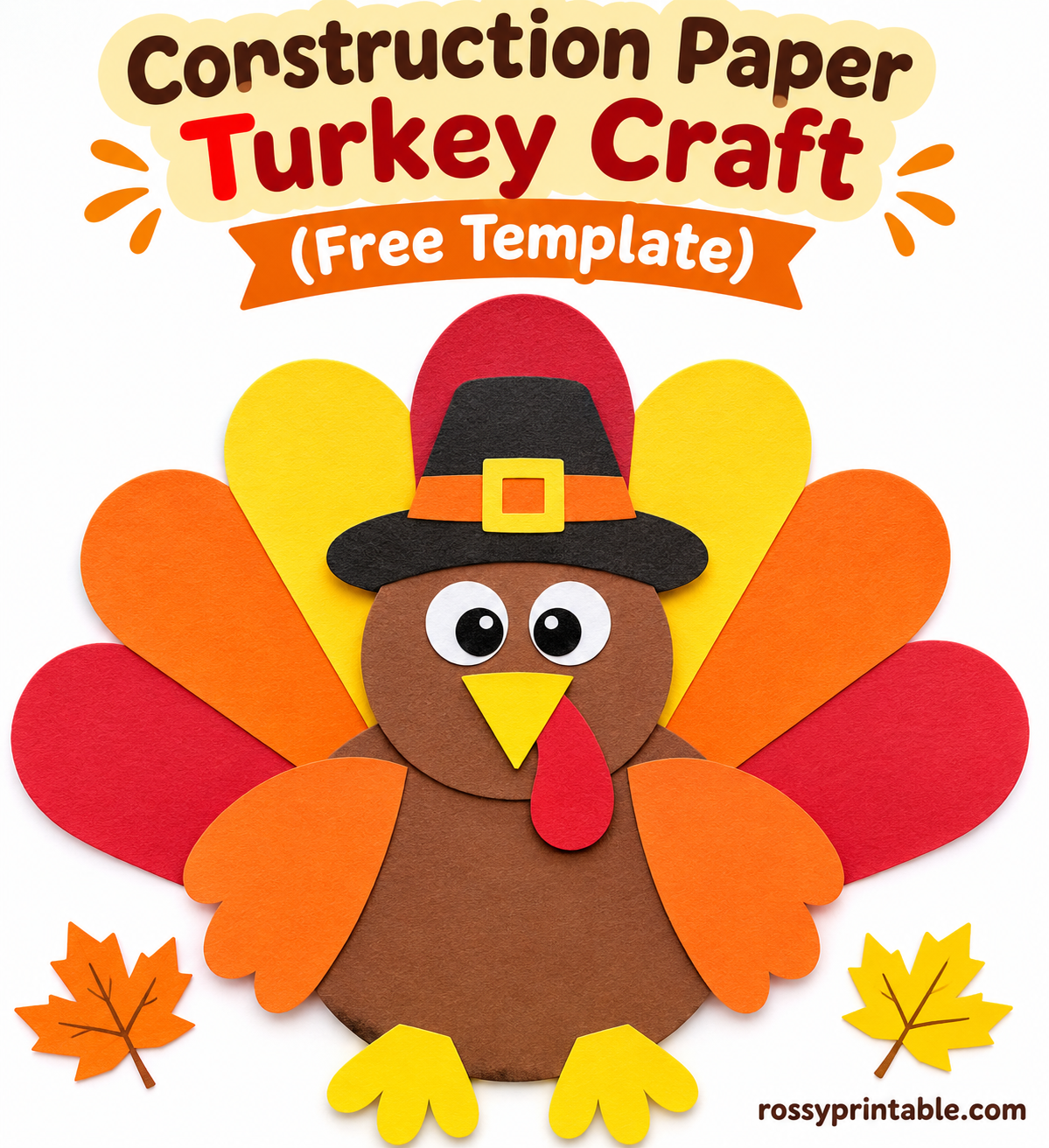
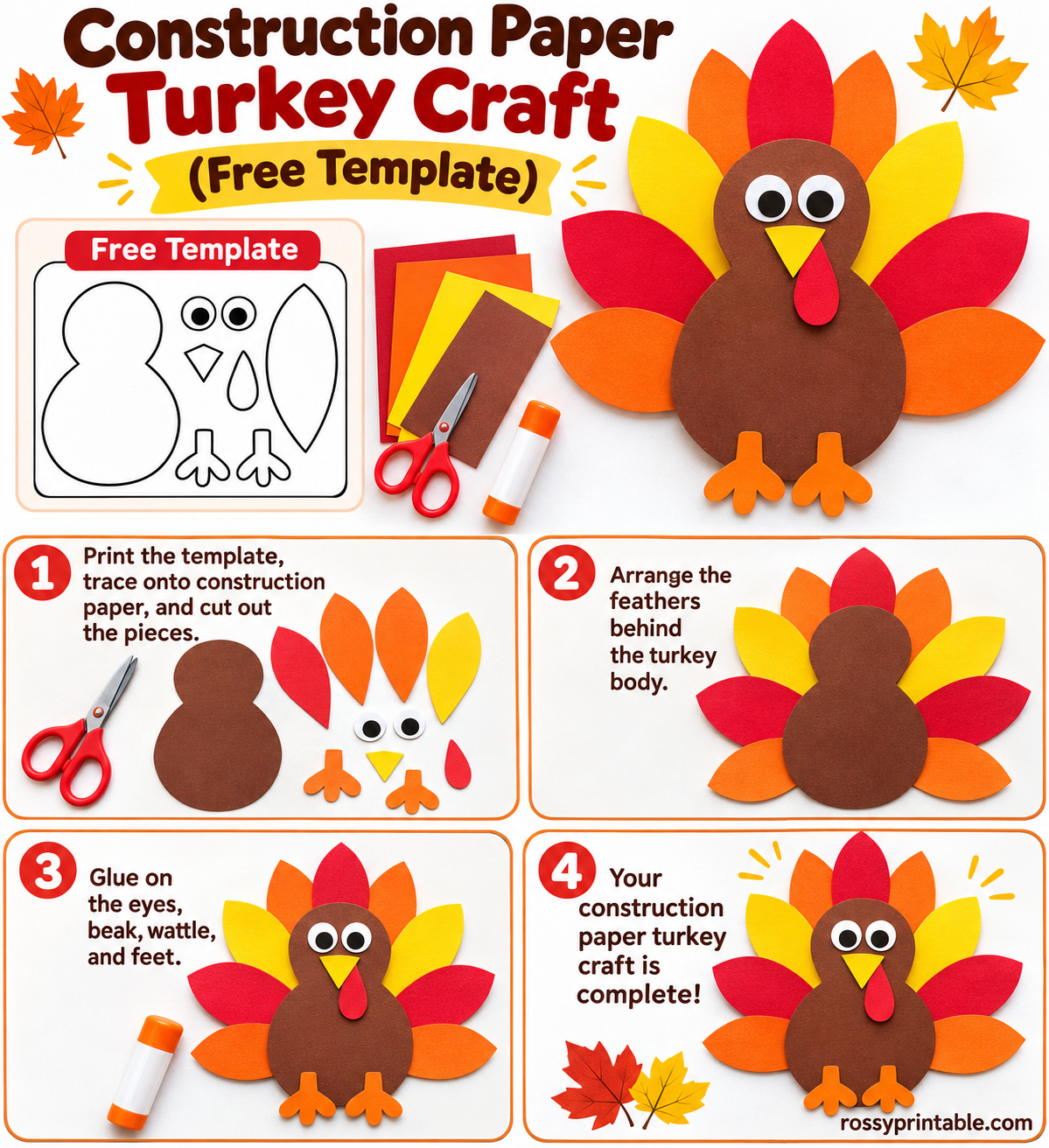
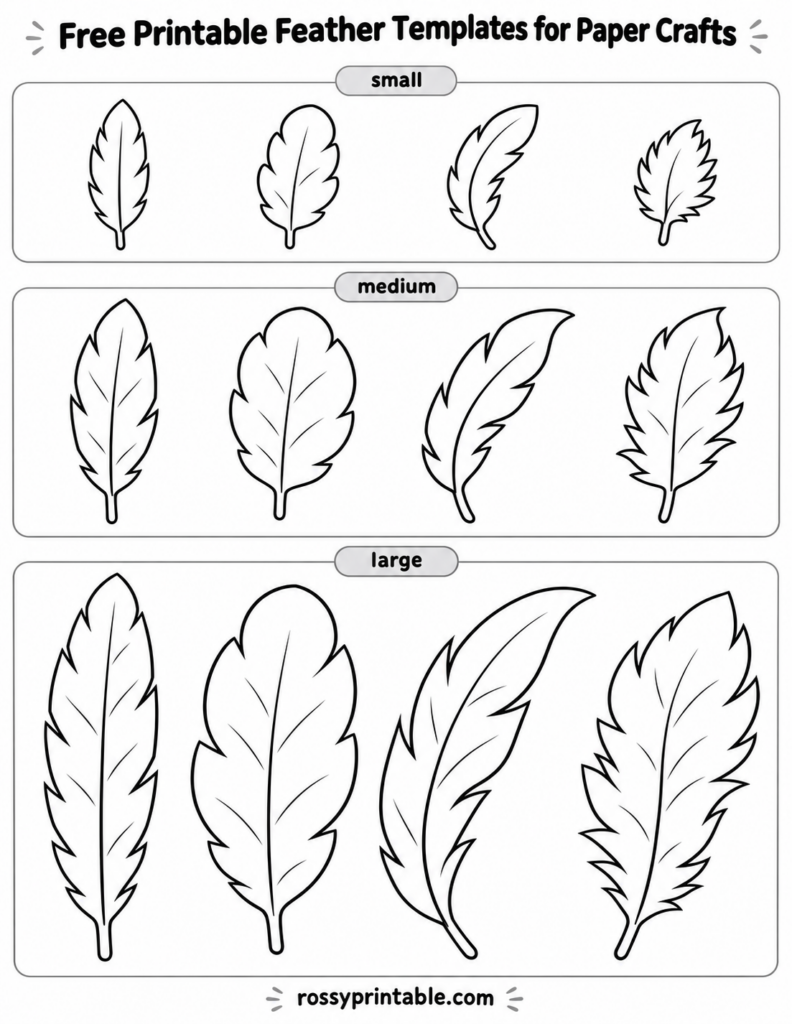
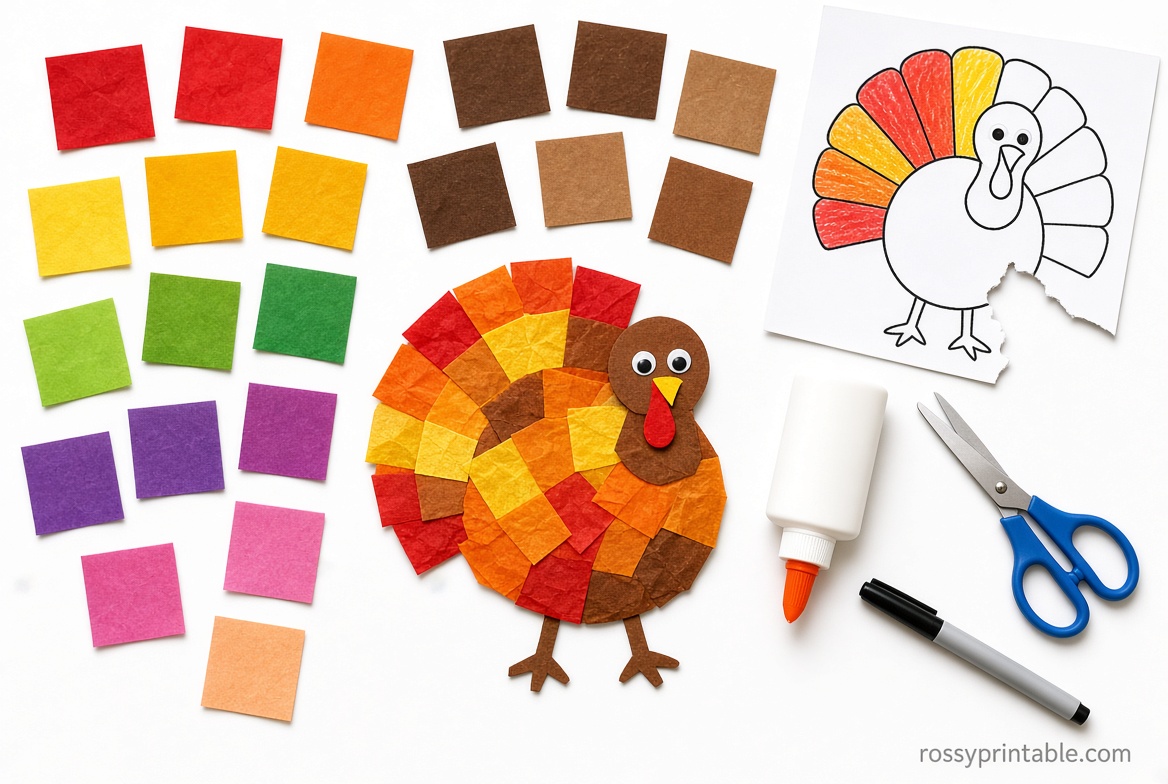
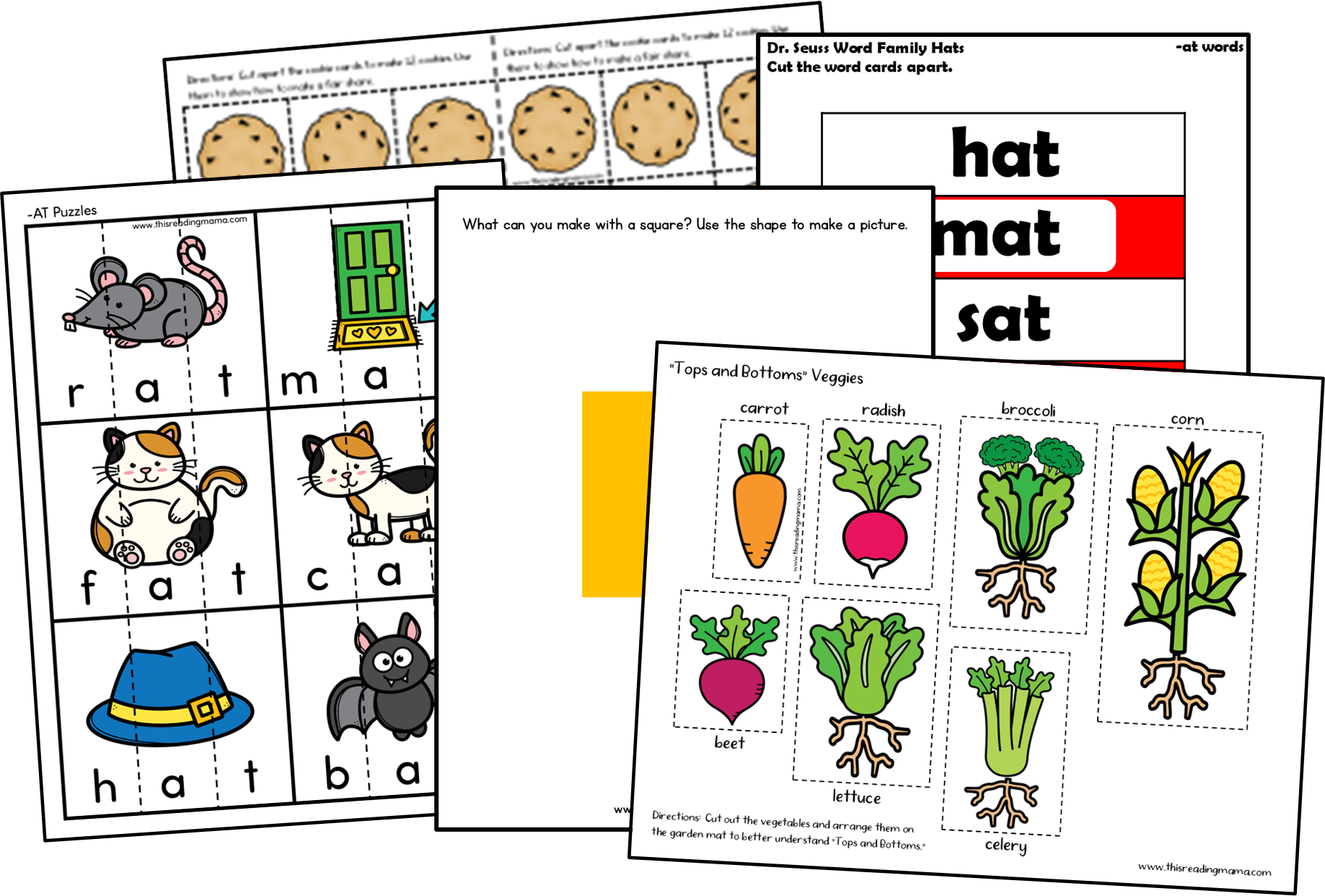
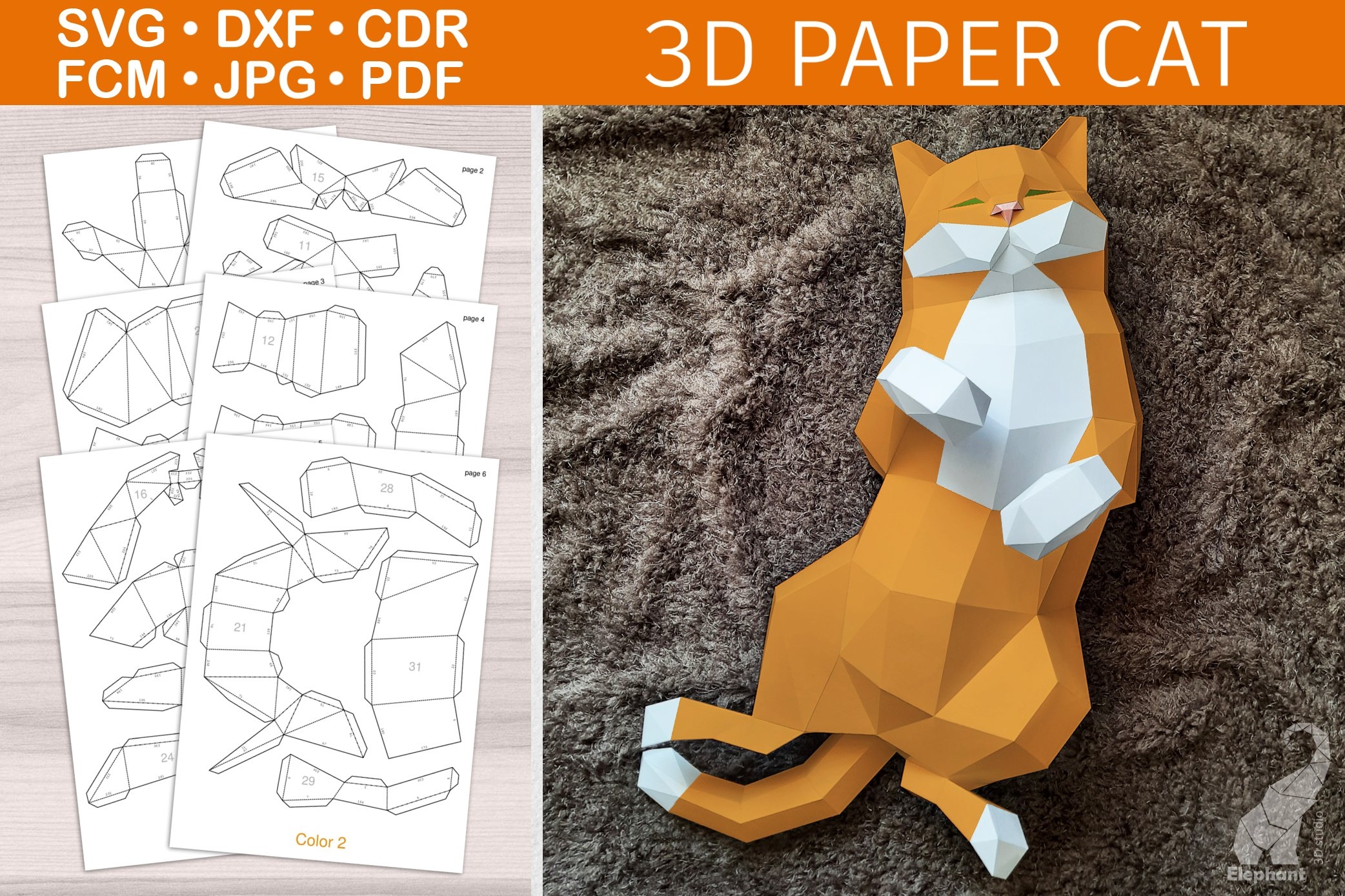
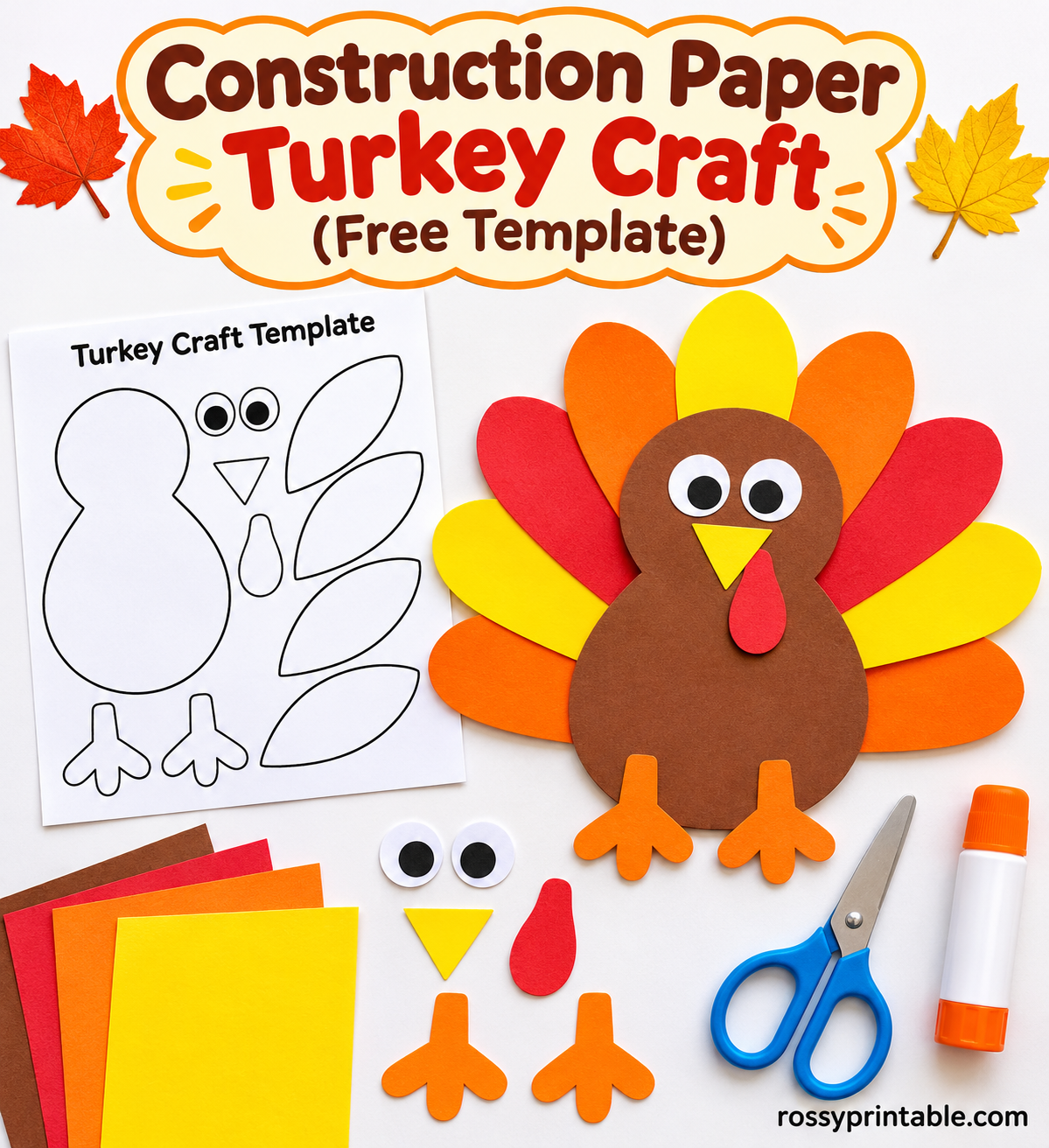
Template paper craft free refers to the utilization of downloadable, pre-designed digital patterns that enable the construction of structural or decorative items using standard household stationery. According to the National Art Education Association (NAEA), the integration of structured visual templates facilitates the development of spatial reasoning and fine motor skills by providing a reliable framework for complex three-dimensional assembly. Implementing these resources allows for the cost-effective creation of cottage-style decor, educational aids, and artisanal paper goods. Accessing high-quality Printables & Paper Crafts ensures that projects maintain professional proportions and structural integrity while utilizing accessible materials.
Cottage Project & Prep Snapshot:
- Core Focus: Utilizing free digital templates to construct precise, durable paper-based home decor and educational tools.
- Materials & Scope: Cardstock (65lb-110lb), precision craft knives, bone folders, and acid-free archival adhesives.
- Key Recommendation: Always perform a test print on draft paper to calibrate printer margins before committing to high-quality cardstock.
Core Principles and Detailed Overview
Successful paper crafting relies on the precise alignment of paper grain, weight, and scoring techniques to ensure structural stability in finished models. Utilizing free templates requires an understanding of paper weight, where 65lb cardstock is ideal for delicate floral arrangements and 110lb cardstock provides the necessary rigidity for architectural cottage decor. Clean edges are achieved by using a sharp, retractable craft blade against a self-healing cutting mat, rather than traditional scissors, to maintain the geometric accuracy dictated by the template design. Folding along scored lines—rather than freehand—ensures that tabs align perfectly during the assembly phase, preventing the misalignment common in novice projects. For those focusing on interior aesthetics, integrating these paper elements into DIY & Cottage Decor schemes adds texture and personalization without the expense of commercial ornamentation.
Key Specifications and Breakdown
| Component / Step | Recommended Specification | Quality & Practical Tip |
|---|---|---|
| Paper Weight | 65lb to 110lb Cardstock | Use heavier stock for load-bearing structures. |
| Scoring Method | Bone folder on reverse side | Prevents cracking of the paper surface fibers. |
| Adhesive Choice | Archival-safe PVA glue | Apply sparingly to avoid warping the paper. |
Standardization of Materials — National Art Education Association (NAEA) guidelines emphasize that selecting the appropriate paper grain direction increases the longevity and structural integrity of three-dimensional paper constructions.
Step-by-Step Practical Application and Guidelines
Precision in assembly begins with the careful calibration of printer settings to ensure that templates print at 100% scale without automated shrinking or fitting to the page. Once printed, the template must be securely taped to the cardstock to prevent shifting during the scoring process. Scoring should occur before cutting; a bone folder or the back of a butter knife provides a clean crease line that defines the fold without piercing the paper. After scoring, cutting proceeds along the solid lines using a metal-edged ruler for guidance. Assembly involves folding all creases in the same direction before applying adhesive to the tabs. Holding pieces in place with clips or painter’s tape while the adhesive cures ensures a seamless finish, mirroring the professional quality found in traditional Recipes & Baking presentations where attention to detail dictates the final outcome.
Common Challenges and How to Avoid Them
Paper warping and misaligned seams occur primarily when excess moisture is introduced via adhesive or when the paper grain is ignored during the folding process. To avoid warping, use a high-tack, low-moisture glue and apply only the smallest amount necessary to bond the edges. If seams do not align, verify that the print settings were not set to “Scale to Fit,” as this modification subtly alters the geometry of the template and prevents correct tab closure. Furthermore, always store finished paper crafts away from direct humidity or sunlight to prevent the degradation of the paper fibers and the yellowing of the adhesives over time.
💬 Frequently Asked Questions
Explore More Guides on The Cottage Chronicles
Expanding your repertoire of home-style skills requires a commitment to both traditional techniques and modern resources. For further inspiration on integrating handcrafted elements into the home, explore the extensive project archives at The Cottage Chronicles. Whether refining decor, mastering printables, or perfecting kitchen techniques, consistent practice remains the foundation of all quality craftsmanship.
Visual Reference Gallery