Introduction
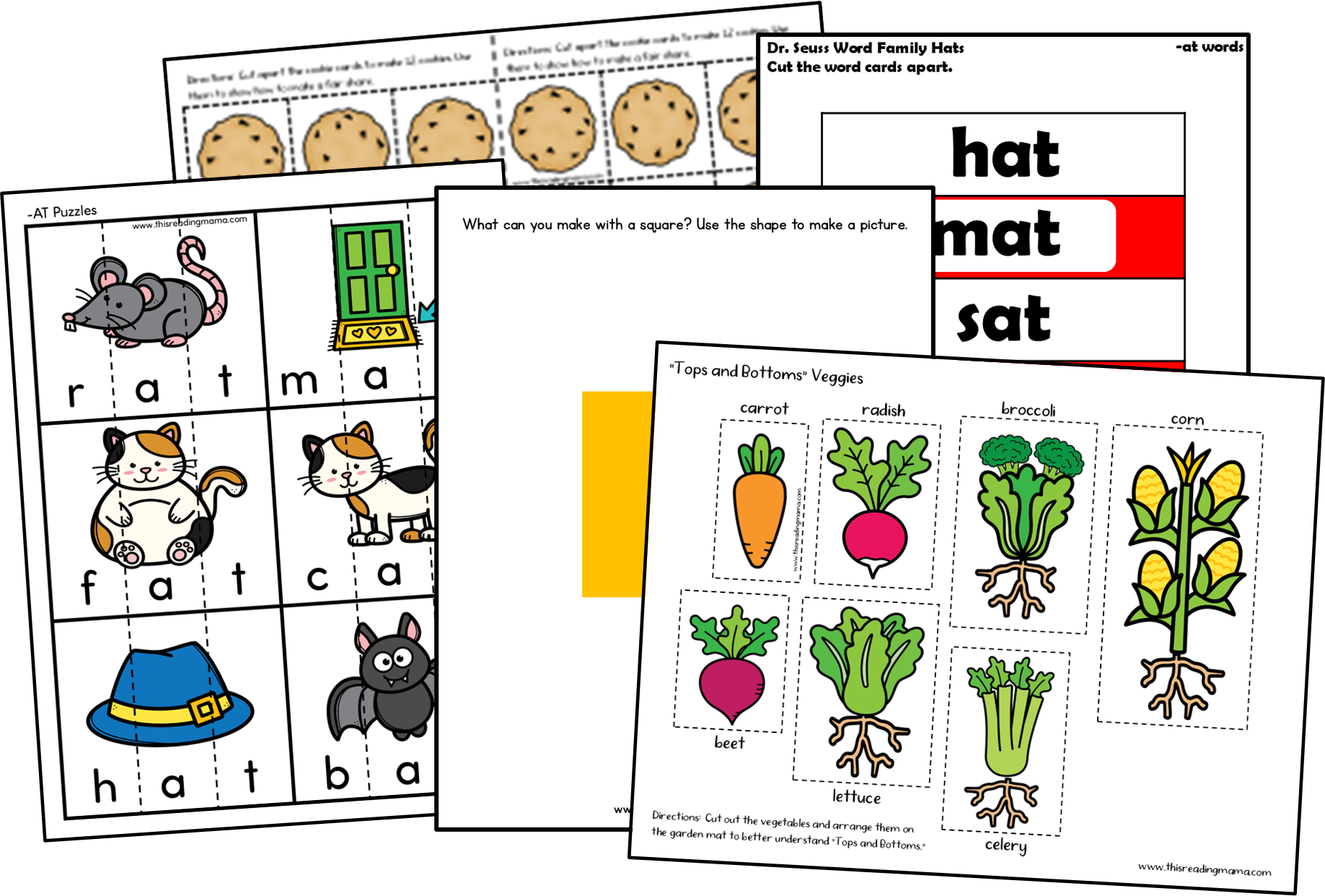
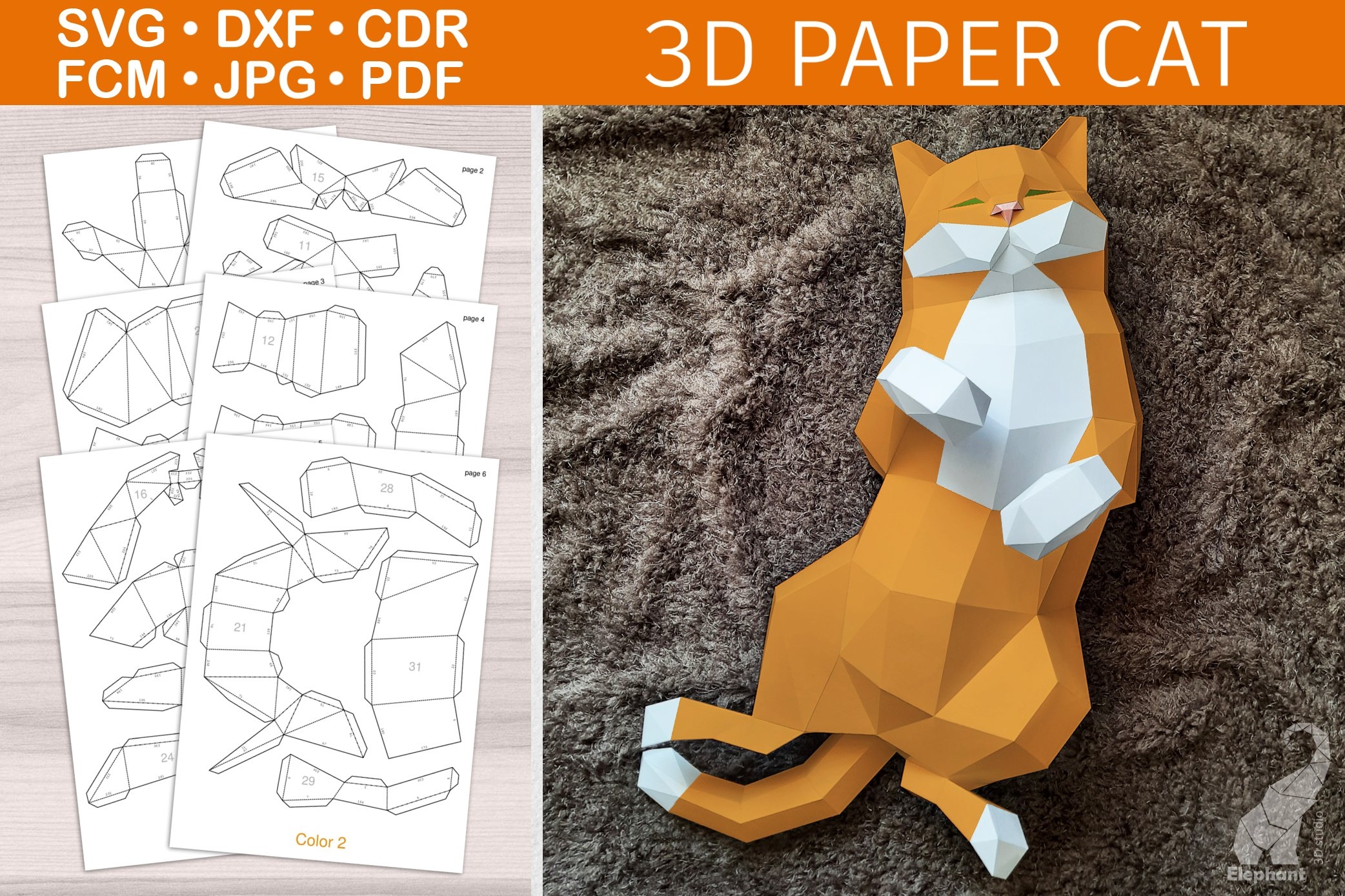
A paper craft template download provides a pre-designed structural blueprint that simplifies the creation of intricate three-dimensional objects, home decor elements, or educational aids. According to the National Art Education Association (NAEA), the integration of structured templates in visual arts curricula fosters essential spatial reasoning and fine motor skills by providing a reliable scaffold for complex construction tasks. These digital files, typically delivered in PDF or vector format, enable precise scaling and consistent results for cottage-style projects, ranging from seasonal farmhouse ornaments to functional organization systems. Utilizing professional-grade templates ensures clean lines, symmetrical folding, and efficient material usage, which is fundamental for maintaining the aesthetic standards of Printables & Paper Crafts.
Cottage Project & Prep Snapshot:
- Core Focus: Digital file acquisition for precision structural crafting.
- Materials & Scope: Cardstock (65lb-110lb), bone folders, precision craft knives, and adhesive.
- Key Recommendation: Always perform a test print on standard copy paper before committing to high-quality archival cardstock.
Core Principles and Detailed Overview
Successful paper craft template download execution relies upon the correct selection of paper weight and structural integrity of the design file. Paper weight is measured in grams per square meter (GSM) or pounds (lb), with 176-216 GSM (65lb-80lb) cardstock serving as the industry standard for decorative cottage crafts requiring both rigidity and foldability. Digital templates eliminate the guesswork of manual drafting, allowing for the creation of intricate farmhouse-inspired luminaries, gift boxes, or wall art that maintain uniform proportions. High-density designs demand sharp, clean cuts and consistent scoring techniques, which are best achieved by aligning the template’s registration marks precisely before assembly. Mastery of these structural basics allows for the seamless integration of paper-based decor into broader interior styling projects, complementing the rustic textures often explored in DIY & Cottage Decor.
Key Specifications and Breakdown
| Component / Step | Recommended Specification | Quality & Practical Tip |
|---|---|---|
| Paper Weight | 65lb to 110lb Cardstock | Use lighter weights for intricate folds. |
| Scoring Technique | Bone Folder & Ruler | Score before cutting to ensure crisp edges. |
| Adhesive Choice | Acid-Free Glue Pen | Apply sparingly to prevent paper warping. |
Archival Quality Standard — International Organization for Standardization (ISO 9706) regarding permanent paper requirements for document longevity.
Step-by-Step Practical Application and Guidelines
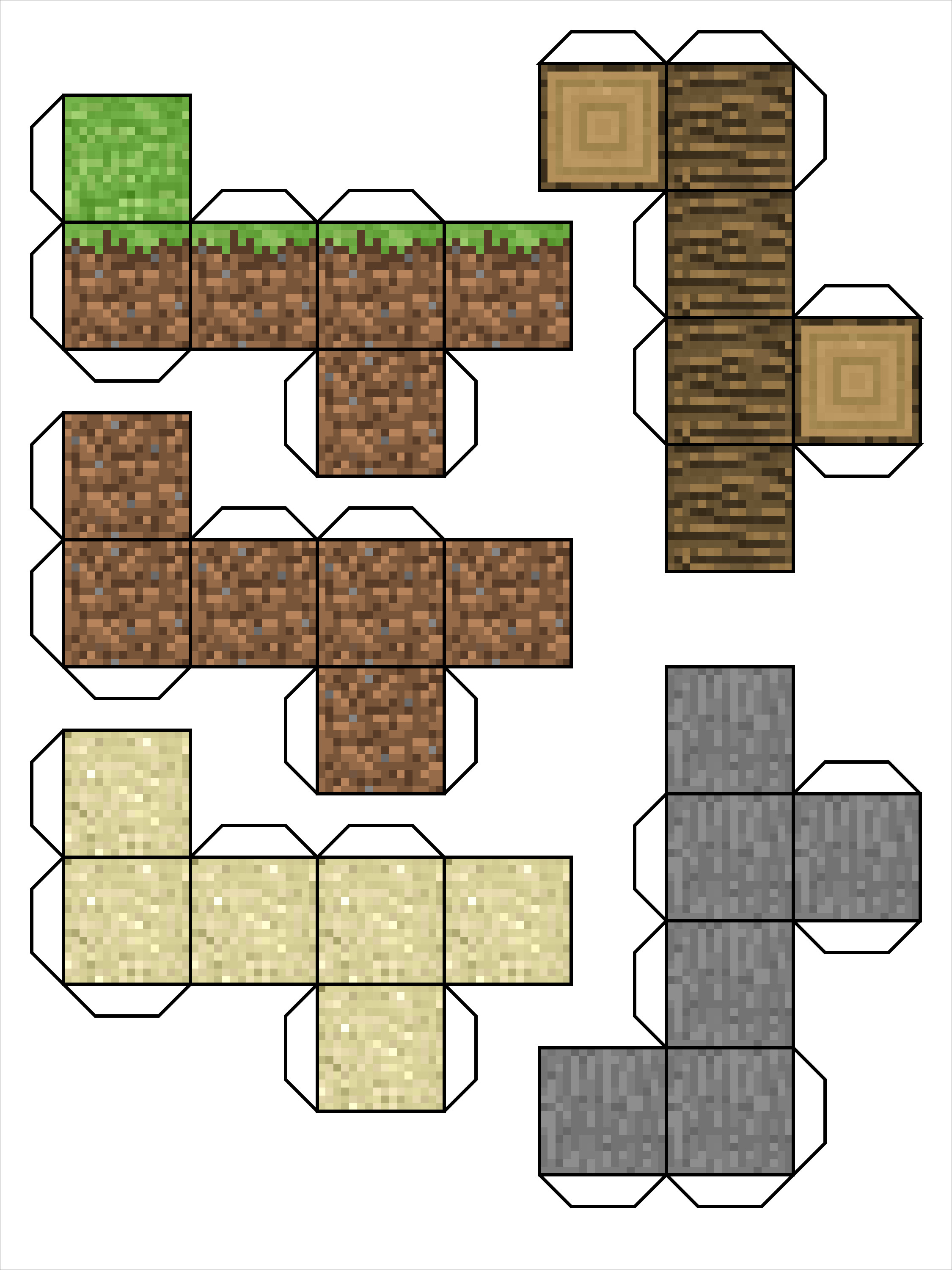
Optimal results from a paper craft template download are achieved by prioritizing precise calibration during the printing phase. Set printer dialogs to “Actual Size” or “100% Scale” to ensure that registration marks align correctly, as default “Fit to Page” settings frequently distort dimensions and compromise the interlocking fit of the pieces. After printing, utilize a bone folder to score all fold lines; this process compresses the paper fibers, creating a permanent crease that prevents cracking on the outer surface of the cardstock. Cut along the solid exterior lines using a fresh blade, maintaining a steady hand to preserve the integrity of the design. Assemble the structure in sections, allowing adhesive to set completely before joining major components, which prevents structural shifting and ensures the final piece aligns with professional DIY standards.
Common Challenges and How to Avoid Them
Paper tearing at fold lines occurs primarily when the paper is not scored properly or when the grain of the paper runs perpendicular to the fold. To mitigate this, identify the paper grain by gently bending the sheet in both directions; the direction offering less resistance is the grain direction, which should ideally run parallel to the intended fold. If the template appears misaligned during assembly, verify that the printer settings did not introduce margins or scaling errors during the initial download and print phase. Furthermore, excessive adhesive application often leads to buckling or saturated paper fibers, which can be avoided by using a precision glue applicator to apply thin, consistent beads along the tabs of the template.
💬 Frequently Asked Questions
Explore More Guides on The Cottage Chronicles
Refining crafting techniques contributes to a more cohesive and personalized home environment. For additional inspiration regarding handmade home accents and seasonal projects, visit the comprehensive archives found at The Cottage Chronicles. Further technical guidance on food-safe crafting and home-style hosting can be found within the curated Recipes & Baking collection.
Visual Reference Gallery