Introduction
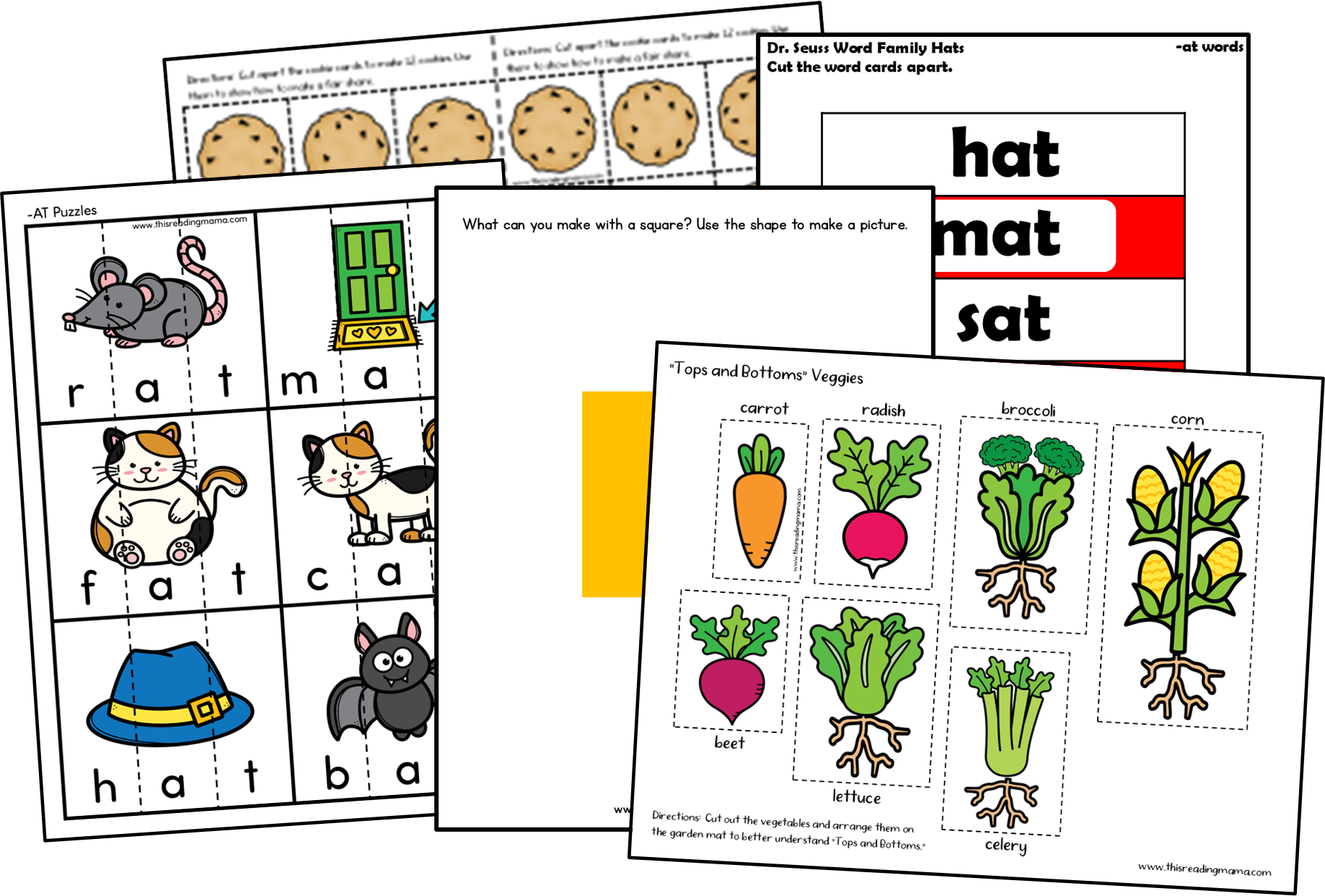
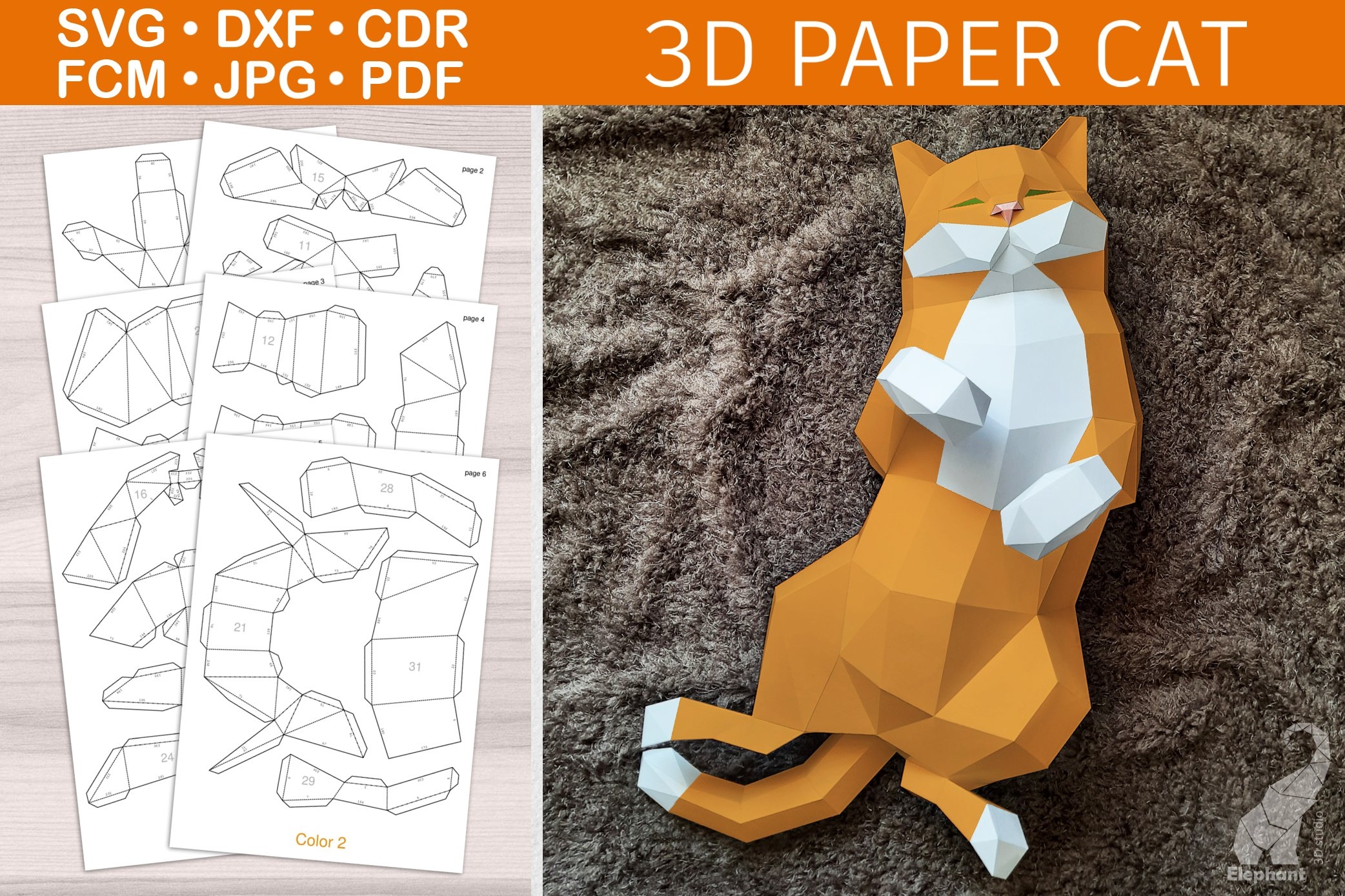
Worksheet paper craft transforms standard printable templates and educational layouts into tactile, three-dimensional decorative elements and structured learning tools. According to the National Art Education Association (NAEA), manipulating paper through structured cutting, folding, and scoring techniques significantly enhances fine motor dexterity, spatial reasoning, and artistic confidence across all age groups. Integrating structured worksheets into traditional paper engineering allows crafters, educators, and home organizers to produce durable, charming cabin-style accents and educational manipulatives with minimal overhead. Mastering this craft requires precise attention to paper weights, calibrated cutting tools, and structural scoring methods to ensure every finished project maintains both aesthetic appeal and physical integrity.
Cottage Project & Prep Snapshot:
- Core Focus: Transforming printable worksheets into structural paper crafts and cabin decor.
- Materials & Scope: Premium cardstock (65-110 GSM), precision craft knives, bone folders, and non-toxic adhesives.
- Key Recommendation: Always score fold lines prior to assembly to guarantee crisp, professional-grade geometric alignment.
Core Principles and Detailed Overview
Worksheet paper craft relies on the fundamental interplay between two-dimensional printing surfaces and three-dimensional structural engineering. Selecting the correct substrate grade is critical for structural stability, as standard 20lb printer paper lacks the rigidity required for dimensional folding, whereas heavy cardstock supports self-standing models, botanical cutouts, and layered classroom organizers without warping. Crafters frequently combine these printable templates with resources found in Printables & Paper Crafts to build cohesive seasonal decor themes. Clean cutting lines and exact registration marks ensure that multi-page printable worksheets align seamlessly during assembly, preventing structural skew and visual asymmetry in the finished piece.
Key Specifications and Breakdown
| Component / Step | Recommended Specification | Quality & Practical Tip |
|---|---|---|
| Substrate Weight | 65 lb to 110 lb Cardstock | Use lighter weights for intricate accordion folds and heavy cardstock for standalone boxes or structural bases. |
| Scoring Tool | Teflon Bone Folder or Dull Stylus | Always score along a metal ruler before bending to prevent paper fiber cracking on printed worksheet surfaces. |
| Adhesive Application | Quick-Dry PVA Glue or Glue Tape | Apply adhesive sparingly using a fine-tip nozzle to avoid wrinkling delicate printable paper fibers. |
Proper paper selection and pre-score folding techniques ensure maximum structural longevity and clean aesthetic lines in all paper-engineered projects. — National Art Education Association (NAEA)
Step-by-Step Practical Application and Guidelines
Executing a worksheet paper craft project successfully demands a disciplined workflow beginning with high-resolution printer calibration and accurate scaling. First, load the chosen cardstock into the printer tray, ensuring the paper thickness setting matches the manufacturer guidelines to prevent ink smudging. Second, utilize a self-healing cutting mat and a sharp hobby knife to excise intricate inner cavities before cutting along the outer perimeter guides. Third, press a bone folder gently along all designated dotted or dashed fold lines to create sharp, professional creases. Fourth, apply a minimal amount of quick-setting adhesive to the designated attachment tabs, pressing firmly for ten seconds to secure the bond. For those looking to coordinate these paper projects with rustic interior styling, exploring tutorials in DIY & Cottage Decor offers wonderful inspiration for displaying finished handmade pieces.
Common Challenges and How to Avoid Them
Paper buckling, ink bleeding, and misaligned folds represent the most frequent obstacles encountered during worksheet paper craft execution. Ink bleeding typically occurs when standard inkjet ink reacts negatively with moisture-heavy glues; resolving this requires allowing printed pages to cure fully for ten minutes or switching to laser-printed templates. If paper tears unexpectedly during folding, the culprit is usually an omission of the preliminary scoring step or using a cutting blade instead of a blunt stylus to crease the fibers. Maintaining a clean work surface free of excess adhesive residue and paper dust also ensures that delicate worksheet graphics remain pristine throughout the assembly process.
💬 Frequently Asked Questions
Explore More Guides on The Cottage Chronicles
Delve deeper into traditional homesteading arts, seasonal decorating, and wholesome kitchen projects by visiting the complete article library at The Cottage Chronicles. Whether updating interior living spaces, organizing educational crafting sessions, or mastering new techniques from Recipes & Baking, reliable rustic inspiration remains readily available for every home enthusiast.
Worksheet Previews & Reference Materials