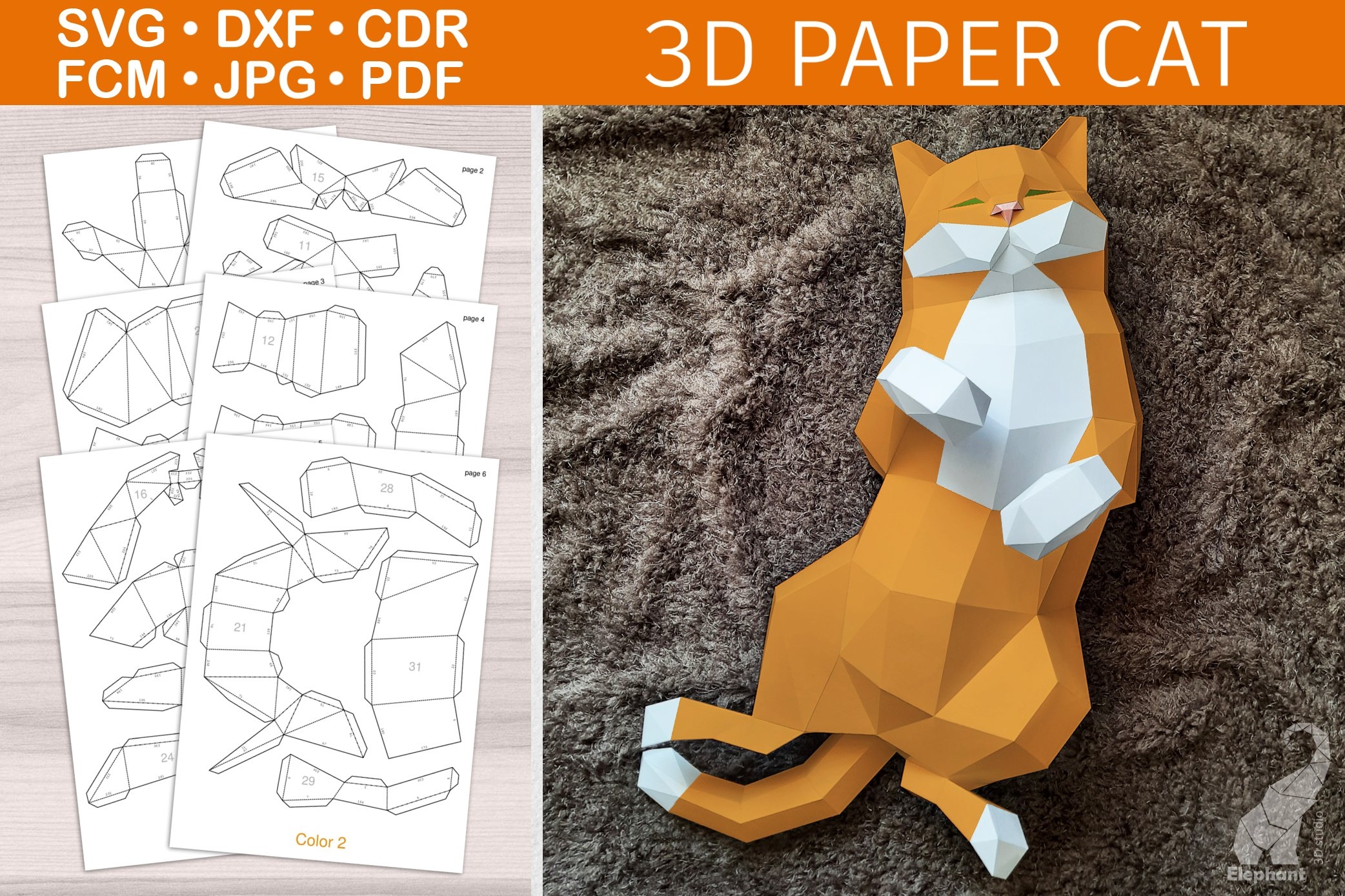
Introduction
Sheet paper craft entails the transformative manipulation of standard-sized paper stocks into structural or decorative elements, serving as a foundational skill for both interior styling and educational design. According to the National Art Education Association (NAEA), structured paper manipulation fosters essential spatial reasoning and fine motor development in learners of all ages. By selecting appropriate paper weights and grain directions, practitioners ensure the structural integrity of cottage-style decor and functional printables. Mastering these techniques allows for the cost-effective creation of farmhouse-inspired accents, such as custom garlands, wall art, and modular organizers, as detailed in Printables & Paper Crafts.
Cottage Project & Prep Snapshot:
- Core Focus: Structural paper manipulation for home decor and educational utility.
- Materials & Scope: Cardstock (65lb-110lb), precision cutting tools, and bone folders.
- Key Recommendation: Always score paper before folding to achieve crisp, professional-grade edges.
Core Principles and Detailed Overview
Sheet paper craft relies on the strategic application of tension, crease patterns, and adhesive selection to maintain form within a rustic home environment. High-density cardstock, typically ranging from 65lb to 110lb, provides the necessary rigidity for three-dimensional projects like paper-cut lanterns or layered wall silhouettes. Precision is achieved through the use of self-healing mats and steel-edged rulers, which prevent tearing during the cutting phase. When integrating these crafts into a cottage aesthetic, prioritize natural textures and neutral palettes to ensure the paper elements complement existing wood or linen finishes found in DIY & Cottage Decor.
Key Specifications and Breakdown
| Component / Step | Recommended Specification | Quality & Practical Tip |
|---|---|---|
| Paper Weight | 65lb – 110lb Cardstock | Heavier weight prevents warping. |
| Cutting Tool | Precision Craft Knife | Replace blades every 5-10 cuts. |
| Folding Technique | Bone Folder/Scoring | Score against the grain for folds. |
Paper Grain Principle: Folding parallel to the grain results in a smooth, clean crease, whereas folding against the grain causes fiber fracture and ragged edges — National Art Education Association (NAEA).
Step-by-Step Practical Application and Guidelines
Successful sheet paper craft requires a systematic progression from template preparation to final assembly. Begin by printing designs on acid-free paper to prevent long-term yellowing, a common issue in cottage-style displays. Use a bone folder to score all fold lines precisely, as this minimizes fiber stress and ensures structural stability. Adhesives should be applied sparingly; a fine-tip glue pen is preferred over traditional liquid glue to prevent paper saturation and buckling. Once assembled, allow the project to set under light pressure for 24 hours to ensure permanent structural bonds before placing the item in high-humidity areas like kitchens or mudrooms.
Common Challenges and How to Avoid Them
Common errors in sheet paper craft typically stem from moisture absorption and incorrect blade pressure during the cutting phase. Paper is highly hygroscopic; therefore, store materials in a climate-controlled area to prevent warping before the project begins. If edges appear jagged, the cutting blade is likely dull or the pressure applied is inconsistent. Switch to a fresh blade and utilize a consistent, single-stroke motion rather than multiple overlapping cuts to maintain clean lines. Finally, avoid over-saturation with adhesives, which is the primary cause of buckling in lightweight paper projects.
💬 Frequently Asked Questions
Explore More Guides on The Cottage Chronicles
Continued exploration of traditional home arts provides deeper insight into balancing form and function within a cottage-style residence. For further inspiration on integrating handmade elements into your living space, visit the comprehensive archives at The Cottage Chronicles, where additional resources on Recipes & Baking also await discovery.
Visual Reference Gallery