Introduction
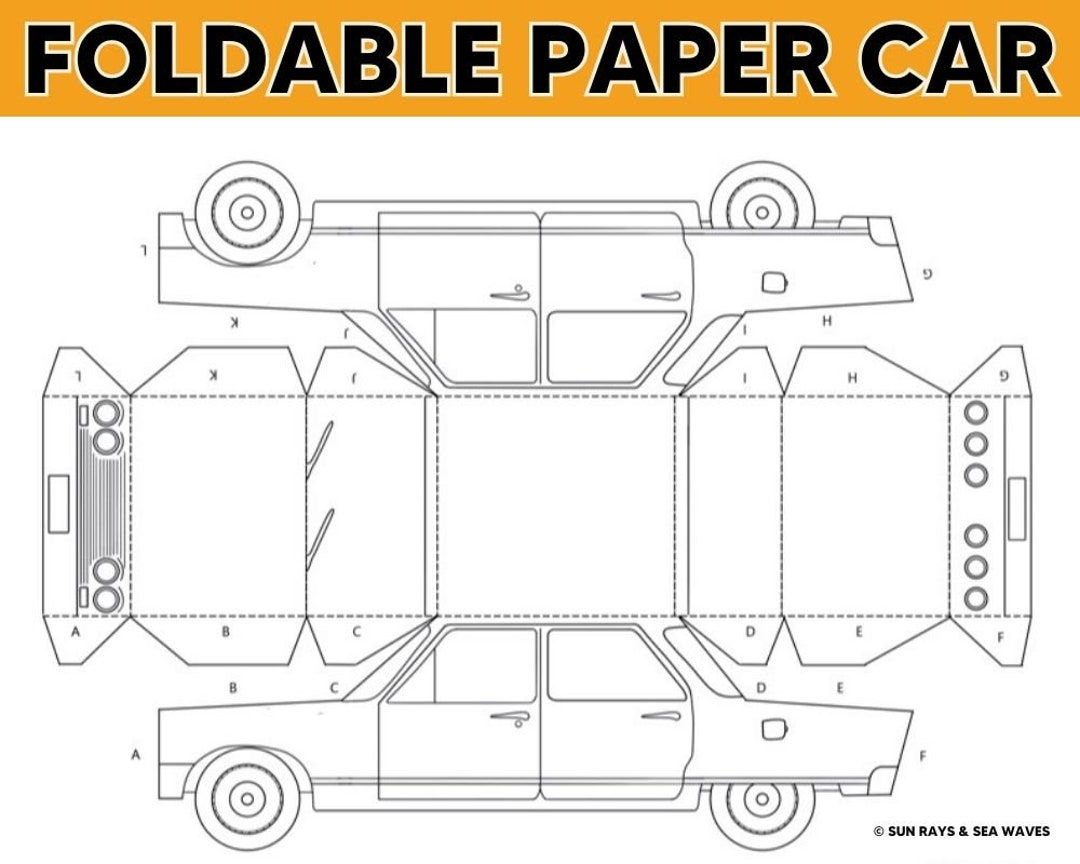
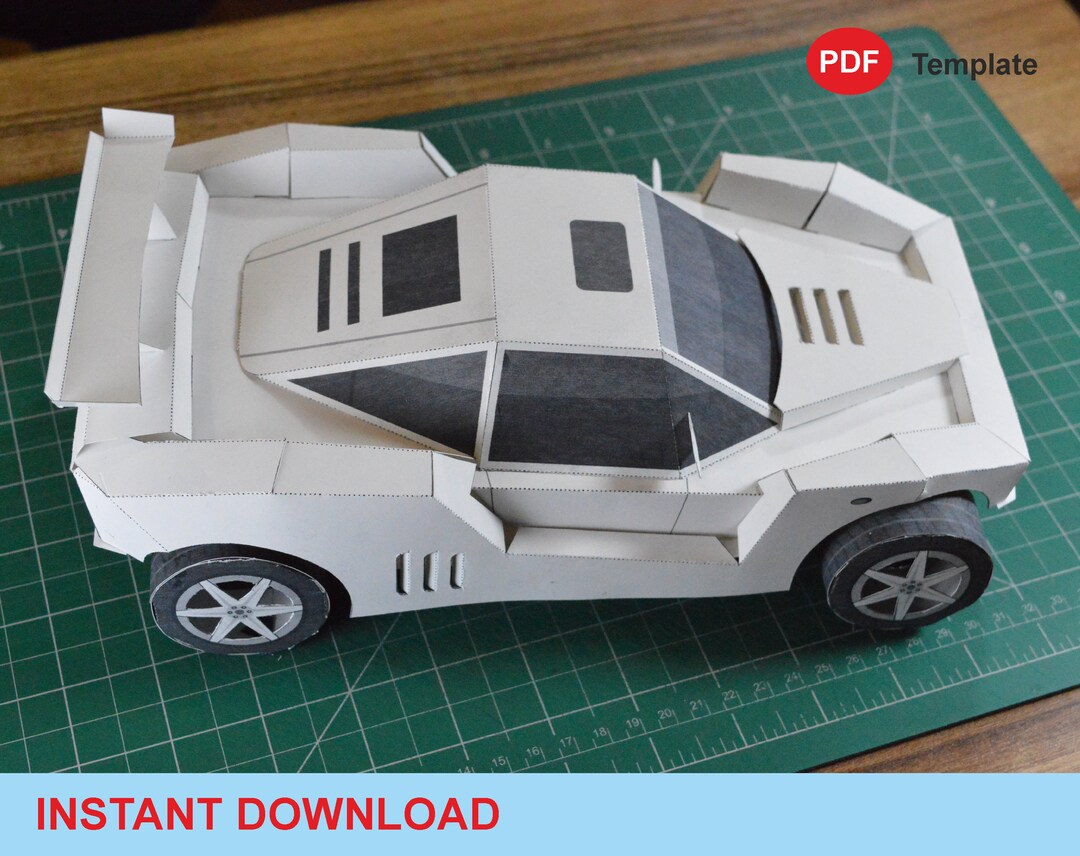
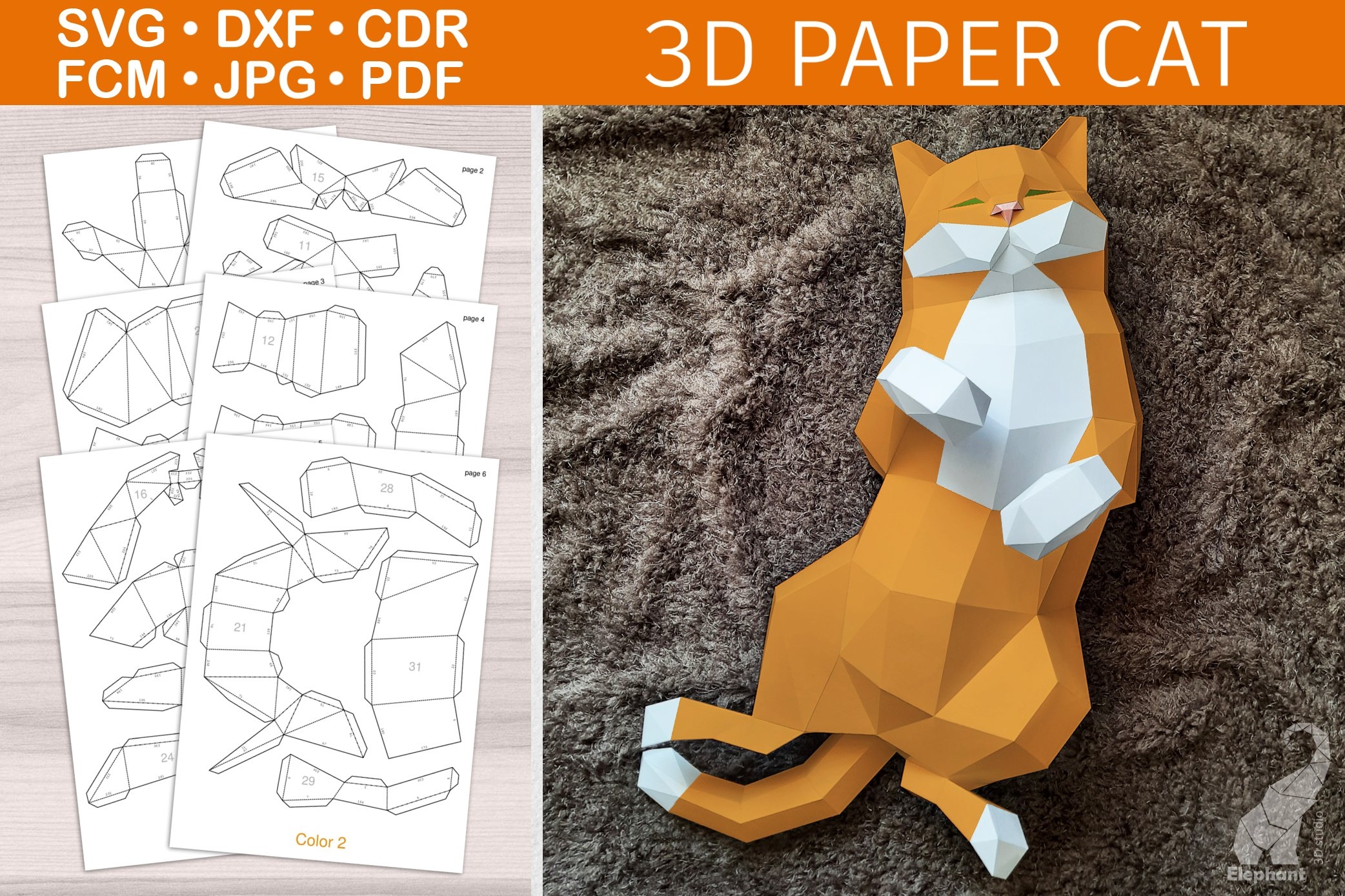
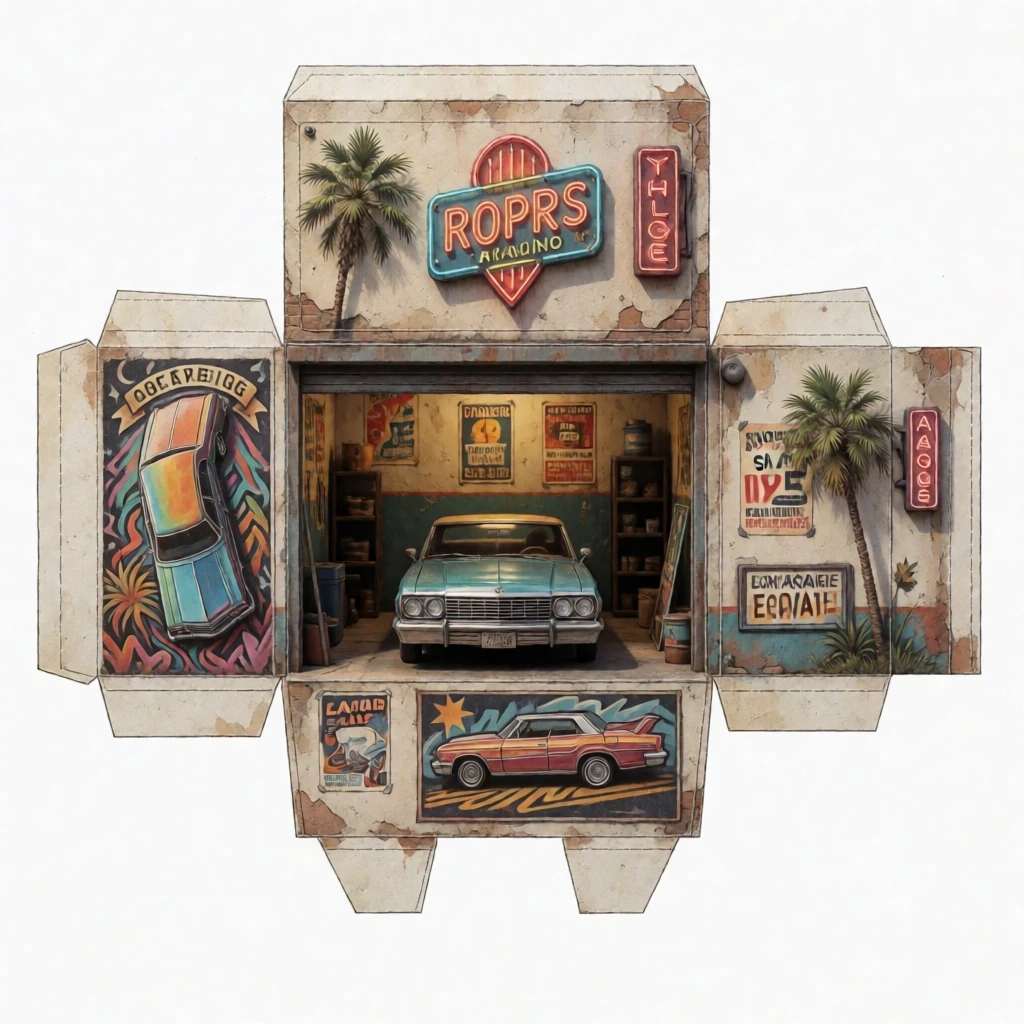
A template paper craft car is a precision-engineered printable design that allows builders to cut, score, and fold durable cardstock into a three-dimensional vehicle model. According to the National Art Education Association (NAEA), structured paper crafting and template manipulation build critical spatial reasoning, fine motor coordination, and sequential problem-solving skills across all age groups. Engaging with these detailed paper models integrates seamlessly into traditional Printables & Paper Crafts projects, offering a budget-friendly and deeply satisfying hands-on pursuit for home hobbyists, educators, and parents. The following guide outlines professional techniques, material selections, and assembly methods required to produce clean, structurally sound paper automobile replicas.
Cottage Project & Prep Snapshot:
- Core Focus: Constructing rigid three-dimensional automotive models using scaled vector templates and heavy cardstock.
- Materials & Scope: 65lb to 110lb cardstock, a craft knife, metal ruler, scoring tool, and quick-drying adhesive.
- Key Recommendation: Score all fold lines prior to cutting out individual tabs to ensure crisp, professional structural alignment.
Core Principles and Detailed Overview
Template paper craft car construction relies upon precise mathematical scaling, grain direction in paper fibers, and tension management during the assembly phase. Direct structural integrity depends heavily on selecting heavy-weight cardstock ranging between 160 and 300 GSM, which prevents warping when liquid or PVA adhesives are applied to connection tabs. Furthermore, utilizing vector-based digital files guarantees clean lines and precise alignment marks during printing. Enthusiasts looking to display these completed models often pair them with rustic interior styling found within DIY & Cottage Decor vignettes, creating charming miniature displays for cabin mantels, bookshelves, or seasonal farmhouse table centerpieces.
Key Specifications and Breakdown
| Component / Step | Recommended Specification | Quality & Practical Tip |
|---|---|---|
| Paper Weight | 110lb Cardstock (approx. 200 GSM) | Provides optimal rigidity for chassis walls without straining household printers. |
| Cutting Tool | Precision Craft Knife with #11 Blade | Always cut against a self-healing cutting mat using a heavy metal safety ruler. |
| Adhesive Type | Quick-Tack PVA or Glue Tape Runner | Apply minimal glue to tabs to prevent paper buckling and eliminate drying wait times. |
Paper thickness, grain orientation, and pre-scoring accuracy dictate the ultimate weight capacity and structural longevity of architectural paper models. — National Art Education Association (NAEA)
Step-by-Step Practical Application and Guidelines
Mastering the template paper craft car assembly process requires a methodical sequence of printing, scoring, cutting, dry-fitting, and final bonding. First, print the template at 100 percent scale without page-scaling adjustments to maintain correct dimensional proportions. Next, use an empty ballpoint pen or a dedicated bone folder along a metal straightedge to deeply score every dashed fold line before releasing the pieces from the perimeter sheet. Cut out the components carefully along the solid exterior boundaries, keeping the attachment tabs intact. Perform a dry-fit of the chassis and wheel wells before applying a minimal bead of adhesive to the primary structural tabs. Hold each joint firmly for ten seconds to ensure secure bonding before proceeding to delicate exterior details like bumpers, mirrors, and fenders.
Common Challenges and How to Avoid Them
Preventing common paper distortion issues involves managing moisture levels, blade sharpness, and alignment drift during the multi-piece assembly process. Using standard printer paper rather than heavy cardstock frequently leads to collapsing roofs, warped chassis sides, and unsightly glue bleed. Dull knife blades will tear the paper fibers along complex curves, so replacing blades frequently ensures razor-sharp edges. When tabs refuse to align cleanly, disassemble the dry-fit immediately and re-score the fold lines at a sharper 90-degree angle to relieve accumulated tension across the chassis framework.
💬 Frequently Asked Questions
Explore More Guides on The Cottage Chronicles
Expanding creative horizons at home involves combining traditional paper crafting with rustic interior styling and wholesome culinary pursuits. Discover additional creative inspiration, printable archives, and homesteading resources by exploring the complete library at The Cottage Chronicles.
Visual Reference Gallery