Introduction
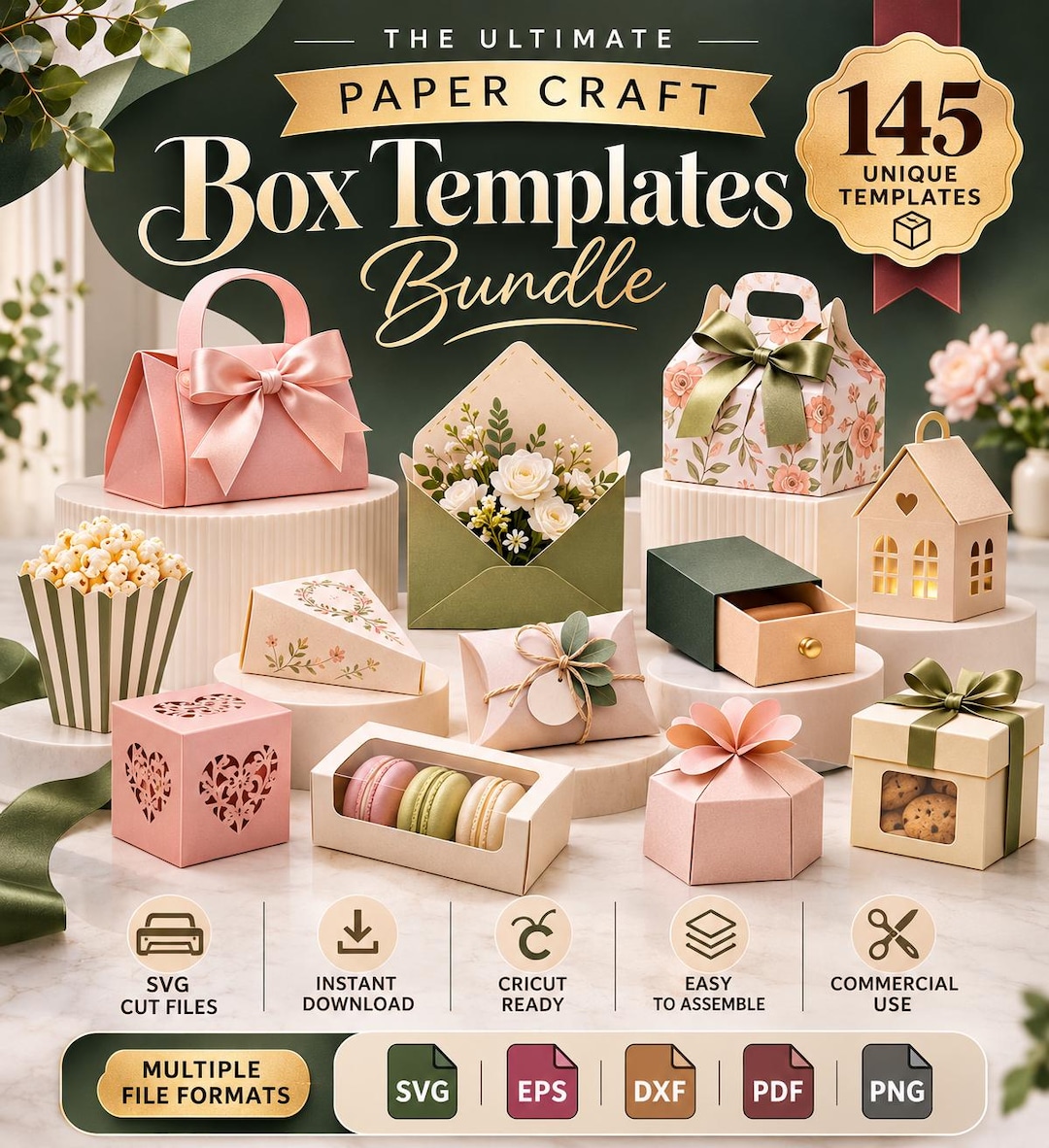
A template paper craft box is a structured, precision-cut paper enclosure designed to organize, package, and display handmade gifts, seasonal favors, and cottage-style keepsakes using flat stock paper. According to the National Art Education Association (NAEA), structured paper crafting and template manipulation build foundational spatial reasoning, fine motor dexterity, and geometric comprehension across all age groups. Creating a durable, aesthetically pleasing paper box requires a deliberate selection of heavyweight cardstock, accurate scoring methods, and clean adhesive application. Artisans, educators, and home organizers utilize these versatile digital or physical patterns to transform basic two-dimensional sheets into rigid, functional three-dimensional containers. This comprehensive guide outlines the precise paper weights, folding techniques, and structural reinforcement strategies necessary to master the art of the template paper craft box for any home project, classroom activity, or rustic cottage presentation.
Cottage Project & Prep Snapshot:
- Core Focus: Constructing structural three-dimensional containers from flat printable templates.
- Materials & Scope: Heavyweight cardstock (65lb to 110lb), bone folder, precision craft knife, and quick-dry adhesive.
- Key Recommendation: Score all fold lines prior to assembly to guarantee crisp, professional 90-degree corners.
Core Principles and Detailed Overview
Paper selection forms the absolute foundation of any successful template paper craft box project, dictating whether the final enclosure holds its shape or collapses under weight. Selecting the correct gram-square-meter (GSM) or pound rating prevents buckling, tearing, and premature wear during everyday handling or gifting. Standard printer paper (20lb bond) lacks the structural integrity required for boxes, making heavy cardstock ranging from 65lb to 110lb (176 to 300 GSM) the mandatory standard for load-bearing corners and interlocking lids. Furthermore, understanding grain direction in paper fibers ensures that folds run parallel to the natural grain, reducing unsightly cracking on colored or patterned cardstock surfaces. Crafters frequently combine these paper structures with resources found within Printables & Paper Crafts to maintain a cohesive, handmade aesthetic throughout cottage interiors and seasonal displays.
Key Specifications and Breakdown
| Component / Step | Recommended Specification | Quality & Practical Tip |
|---|---|---|
| Paper Weight (GSM) | 80lb to 110lb Cardstock (216–300 GSM) | Provides optimal rigidity for gift packaging and small storage containers without jamming standard home printers. |
| Scoring Tool | Teflon bone folder or dull crafting stylus | Press firmly along template lines using a metal ruler to create a precise channel for clean folding. |
| Adhesive Type | PVA craft glue or double-sided adhesive tape | Apply thin, even layers to avoid paper warping and ensure immediate, permanent bonding on stress points. |
Rigid paper packaging requires high-density cardstock and precise directional scoring to maintain structural integrity under load. — National Art Education Association (NAEA)
Step-by-Step Practical Application and Guidelines
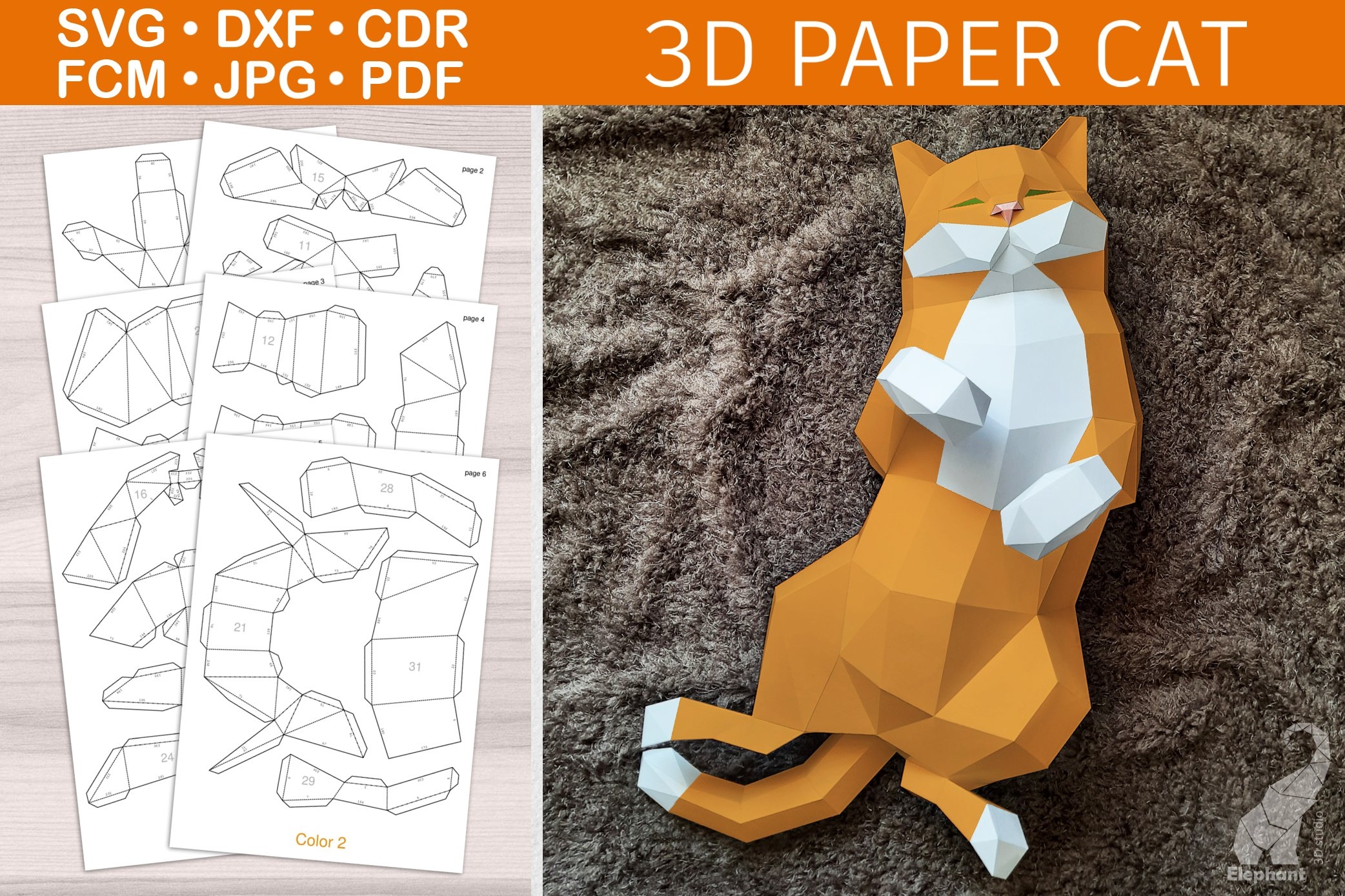
Constructing a flawless template paper craft box begins with printing the chosen design at exact 100% scale without page-scaling distortions to maintain precise tab alignments. Secure the printed template securely to the chosen cardstock using low-tack painter’s tape if tracing, or feed the heavyweight cardstock directly into a compatible inkjet or laser printer. Utilize a metal straightedge and a sharp craft knife on a self-healing cutting mat to slice along the solid outer perimeter lines of the box layout. Switch immediately to a bone folder and ruler, running the tip firmly along all dashed or dotted interior lines to score the folds accurately. Fold every scored flap inward toward the interior of the box, creasing the edges sharply to establish the intended three-dimensional geometry. Apply a narrow strip of quick-drying PVA glue or heavy-duty double-sided tape to the designated gluing tabs, pressing each corner firmly into place for thirty seconds. Allow the assembled box to rest undisturbed on a flat surface until the adhesive cures completely, ensuring a sturdy, professional finish suitable for displaying alongside rustic accents inspired by DIY & Cottage Decor.
Common Challenges and How to Avoid Them
Misaligned corners and buckling walls represent the most frequent pitfalls encountered during the assembly of a template paper craft box, usually resulting from skipped scoring steps or excess moisture from adhesives. Applying too much liquid glue swells the paper fibers and weakens the structural bond, which can be entirely prevented by substituting high-tack dry adhesive rollers or using precise micro-dots of PVA glue applied with a toothpick. If the printed template dimensions do not match the physical cuts, always verify that the printer settings are locked to actual size (100% scale) rather than “fit to page.” Storing finished boxes in high-humidity environments can also soften heavy cardstock over time, so keep completed paper crafts in climate-controlled rooms or seal them with a light matte archival spray. Proper material handling and methodical execution guarantee crisp, professional results for every handcrafted paper container.
💬 Frequently Asked Questions
Explore More Guides on The Cottage Chronicles
Discover endless inspiration for handmade living, seasonal decorating, and traditional home crafts by exploring the complete library of guides and tutorials available at The Cottage Chronicles.
Visual Reference Gallery