Introduction
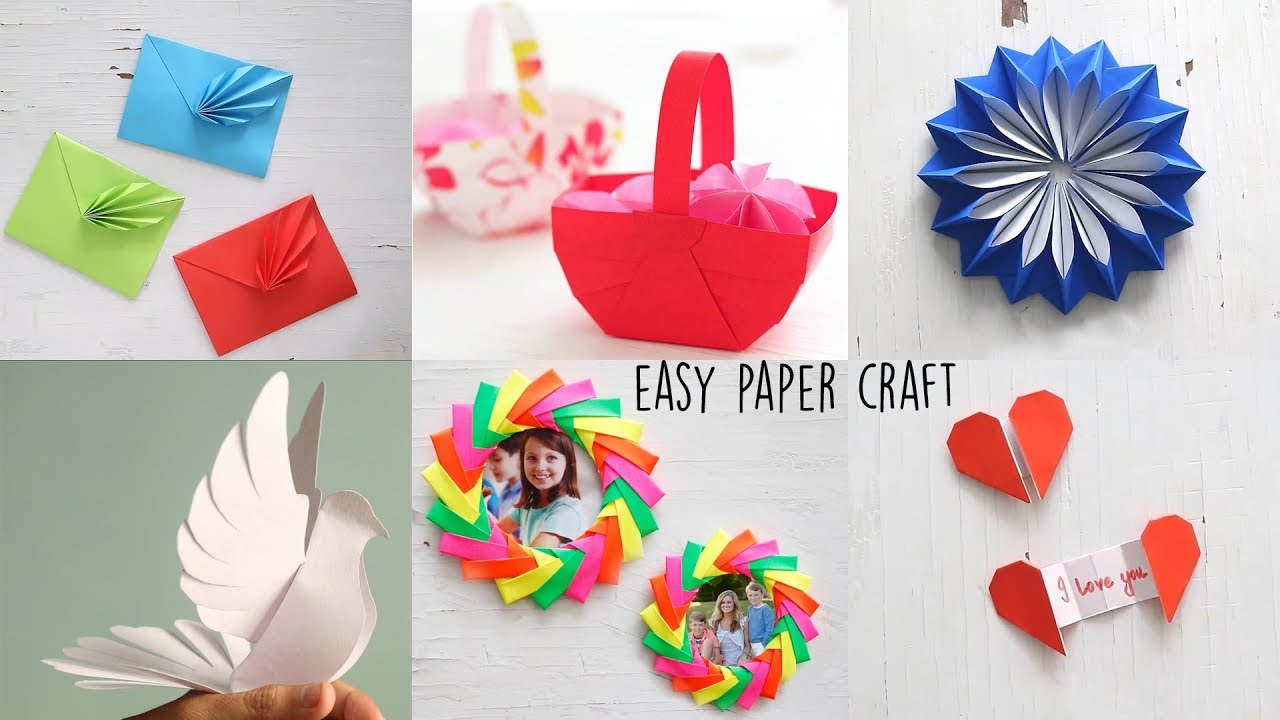
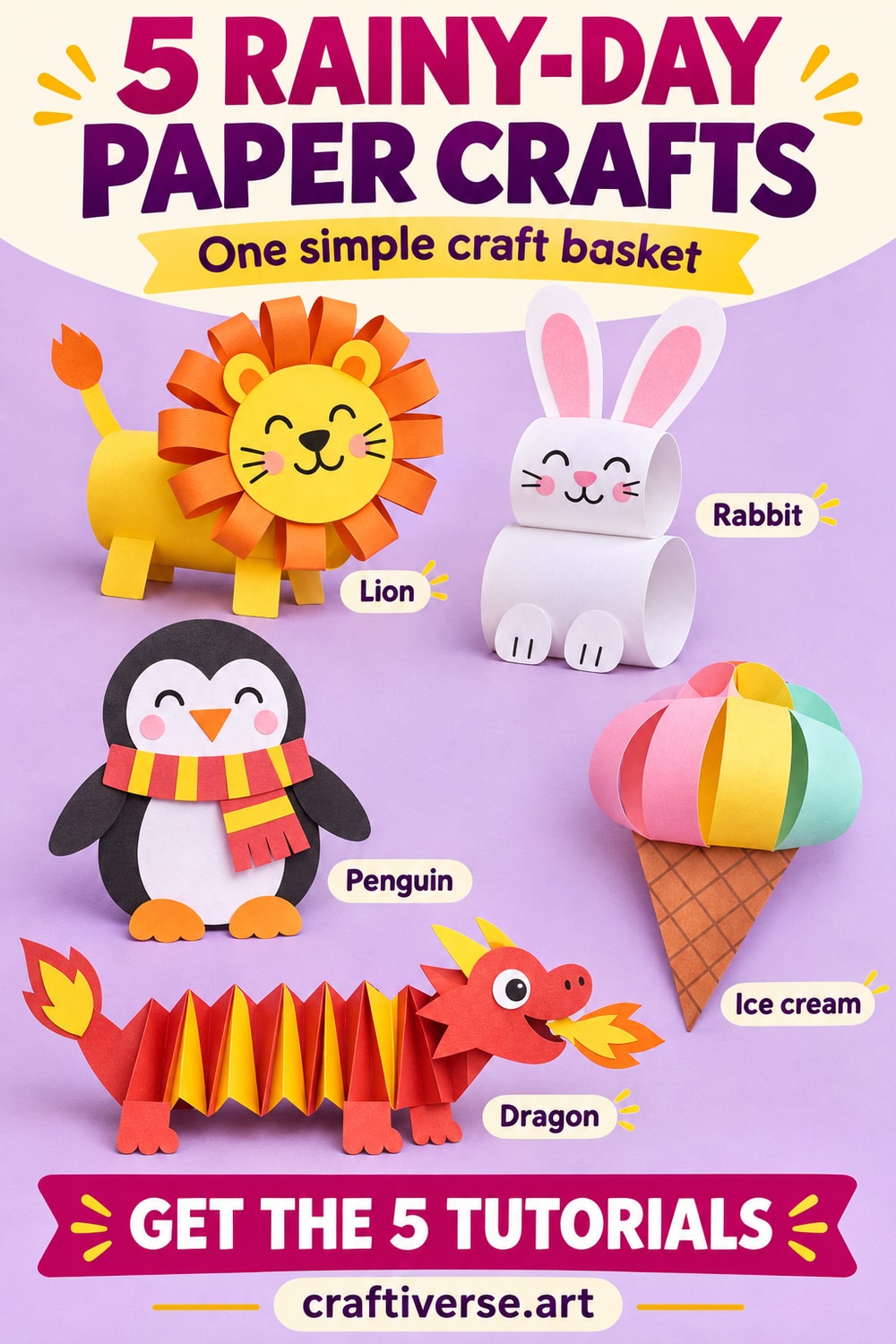
Craft ideas with one paper involve transforming a single sheet of standard or specialty stock into functional home decor, sculptural accents, or organized organizational aids through precise scoring, folding, and cutting techniques. According to the National Art Education Association (NAEA), manipulating single-sheet media fosters spatial reasoning, fine motor precision, and resourceful material economy across educational and home crafting environments. Utilizing minimal supplies eliminates waste and streamlines the creative workflow, making single-sheet paper engineering an accessible medium for both novice makers and experienced cottage artisans looking to enhance domestic spaces without clutter or excessive expense. For additional inspiration regarding paper engineering, explore the curated resources available under Printables & Paper Crafts.
Cottage Project & Prep Snapshot:
- Core Focus: Transforming one piece of paper into sculptural, decorative, or functional household items through precise folding and cutting.
- Materials & Scope: Heavyweight cardstock (65-110 GSM), bone folder, precision craft knife, and metal ruler.
- Key Recommendation: Always score fold lines prior to bending to achieve crisp, professional structural edges.
Core Principles and Detailed Overview
Paper geometry and fiber grain direction dictate the structural integrity and durability of single-sheet projects. Directing the fold parallel to the paper grain prevents unsightly cracking along creased edges, ensuring finished decorative items maintain structural rigidity over time. When selecting media for dimensional creations, weight and finish dictate performance. Lightweight printer paper suits delicate lanterns and intricate quilling, whereas heavier cardstock provides the necessary rigidity for geometric ornaments, botanical wall art, and freestanding miniature organizers. Integrating tactile elements such as embossing or watercolor washes before folding elevates humble cellulose into sophisticated cottage-style ornamentation. To explore complementary styling methods, browse the comprehensive articles on DIY & Cottage Decor.
Key Specifications and Breakdown
| Component / Step | Recommended Specification | Quality & Practical Tip |
|---|---|---|
| Paper Weight | 65 lb to 110 lb Cardstock | Select textured cardstock for rustic farmhouse aesthetics and superior folding memory. |
| Scoring Tool | Teflon Bone Folder or Dull Stylus | Always score along a metal straightedge to prevent surface tearing and create precise geometric creases. |
| Adhesive Strategy | PVA Glue or Double-Sided Tape | Apply adhesives sparingly with a fine tip to prevent warping and moisture buckling in heavy paper layers. |
Sustainable Paper Crafting Standards: Utilizing certified post-consumer recycled or archival-grade cellulose media ensures long-term color fastness and structural stability in handmade decor. — National Art Education Association (NAEA)
Step-by-Step Practical Application and Guidelines
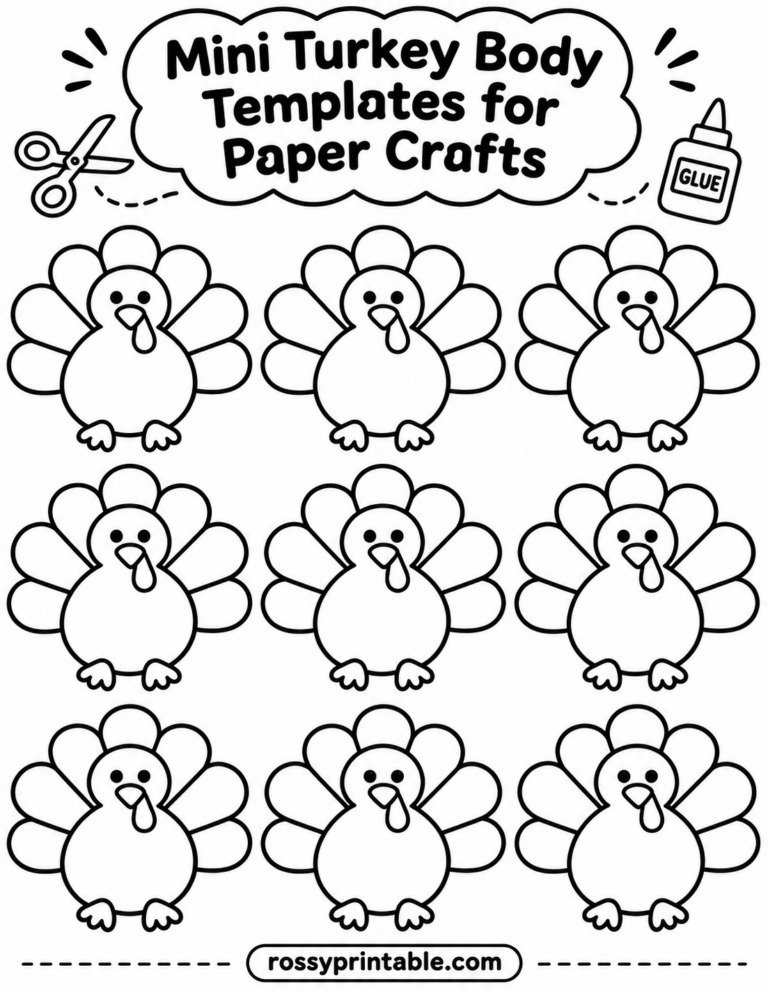
Executing single-sheet paper crafts requires a methodical workflow divided into preparation, scoring, cutting, and assembly phases. Begin by securing the single sheet of paper to a self-healing cutting mat with low-tack painter’s tape to prevent shifting during fine detail work. Transfer any template guidelines lightly with an HB pencil, or secure a printable template directly to the reverse side. Execute all straight cuts first using a sharp utility knife and a heavy metal straightedge, leaving intricate tabs or interlocking joints for secondary cutting passes. Once all perimeter cuts and internal apertures are complete, run a bone folder gently along every indicated fold line, alternating mountain and valley folds according to the pattern instructions. Finally, interlock tabs or apply precise dots of fast-tacking adhesive to lock the three-dimensional form into place without applying excess moisture.
Common Challenges and How to Avoid Them
Paper buckling and misaligned folds represent the most frequent obstacles encountered during single-sheet construction. Buckling typically occurs when liquid adhesives are applied too liberally, introducing excess moisture to the paper fibers; remedy this by substituting permanent double-sided tape runners or applying PVA adhesive with a sponge applicator in microscopic amounts. Misaligned geometry usually stems from failing to square the paper sheet against a reliable cutting mat grid before initiating cuts. Prevent cumulative measurement errors by measuring from a single reference corner rather than shifting alignment markers across the sheet. Furthermore, keeping utility knife blades sharp prevents jagged paper tearing, ensuring clean, professional edges that complement traditional cottage interior styling.
💬 Frequently Asked Questions
Explore More Guides on The Cottage Chronicles
Expanding creative horizons within a hand-crafted homestead setting involves integrating various traditional mediums, from paper engineering to rustic baking. Discover comprehensive tutorials, seasonal home styling tips, and from-scratch culinary inspiration by visiting the central library at The Cottage Chronicles.
Visual Reference Gallery