Introduction
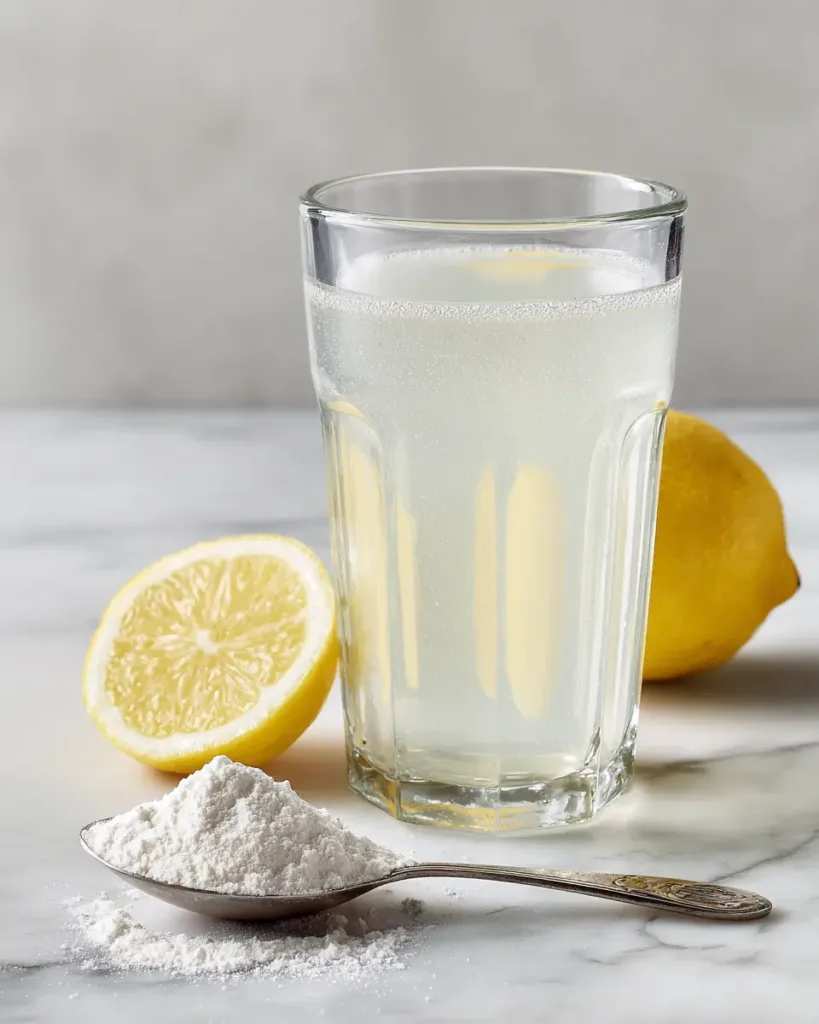
The combination of recipe baking soda and lemon functions as a powerful, non-toxic household cleaner and natural deodorizer utilizing pure chemical effervescence. According to the USDA Food Safety and Inspection Service (FSIS), utilizing natural compounds such as mild acids and alkaline minerals provides an effective method for maintaining hygienic food-prep surfaces without introducing harsh synthetic residues. Understanding the precise ratios required for recipe baking soda and lemon applications ensures optimal chemical reactions, combining the abrasive alkaline properties of sodium bicarbonate with the citric acid of fresh citrus juice. Traditional cottage homesteads rely on these simple pantry staples for sustainable cleaning, odor neutralization, and surface rejuvenation across rustic farmhouse interiors. Additional guidance on maintaining traditional homestead environments can be found within the DIY & Cottage Decor archives.
Cottage Project & Prep Snapshot:
- Core Focus: Chemical interaction and practical utilization of recipe baking soda and lemon.
- Materials & Scope: Pure sodium bicarbonate, fresh citrus juice, microfiber cloth, and mixing vessel.
- Key Recommendation: Always mix ingredients in an open container to safely accommodate the initial carbon dioxide release.
Core Principles and Detailed Overview
Chemical effervescence occurs when sodium bicarbonate reacts with citric acid, creating carbon dioxide gas and a gentle abrasive paste ideal for lifting organic grime. Mastering recipe baking soda and lemon techniques requires recognizing that the immediate fizzing action provides the mechanical lift necessary to loosen stubborn grease on porcelain, enamel, and stainless steel surfaces. Proper execution avoids neutralizing the mixture prematurely before applying it to the targeted surface area. For domestic artisans interested in complementary culinary projects, exploring instructions via Recipes & Baking expands traditional homestead skill sets. Paper-craft enthusiasts looking for organizational labels to mark homemade cleaning jars can also reference Printables & Paper Crafts for dedicated design templates.
Key Specifications and Breakdown
| Component / Step | Recommended Specification | Quality & Practical Tip |
|---|---|---|
| Sodium Bicarbonate | Pharmaceutical or food-grade fine powder | Ensure powder is free of moisture lumps for even paste consistency. |
| Citric Acid Source | Freshly squeezed organic lemon juice | Strain pulp to maintain a smooth, uniform texture during application. |
| Mixing Ratio | Two parts powder to one part liquid | Adjust consistency to a thick paste for vertical surface adherence. |
Natural cleaning formulations utilizing sodium bicarbonate and mild citrus acids effectively break down organic soil loads without degrading modern or vintage surface finishes. — USDA Food Safety and Inspection Service (FSIS). Related guide: Recipes Baking Easy.
Step-by-Step Practical Application and Guidelines
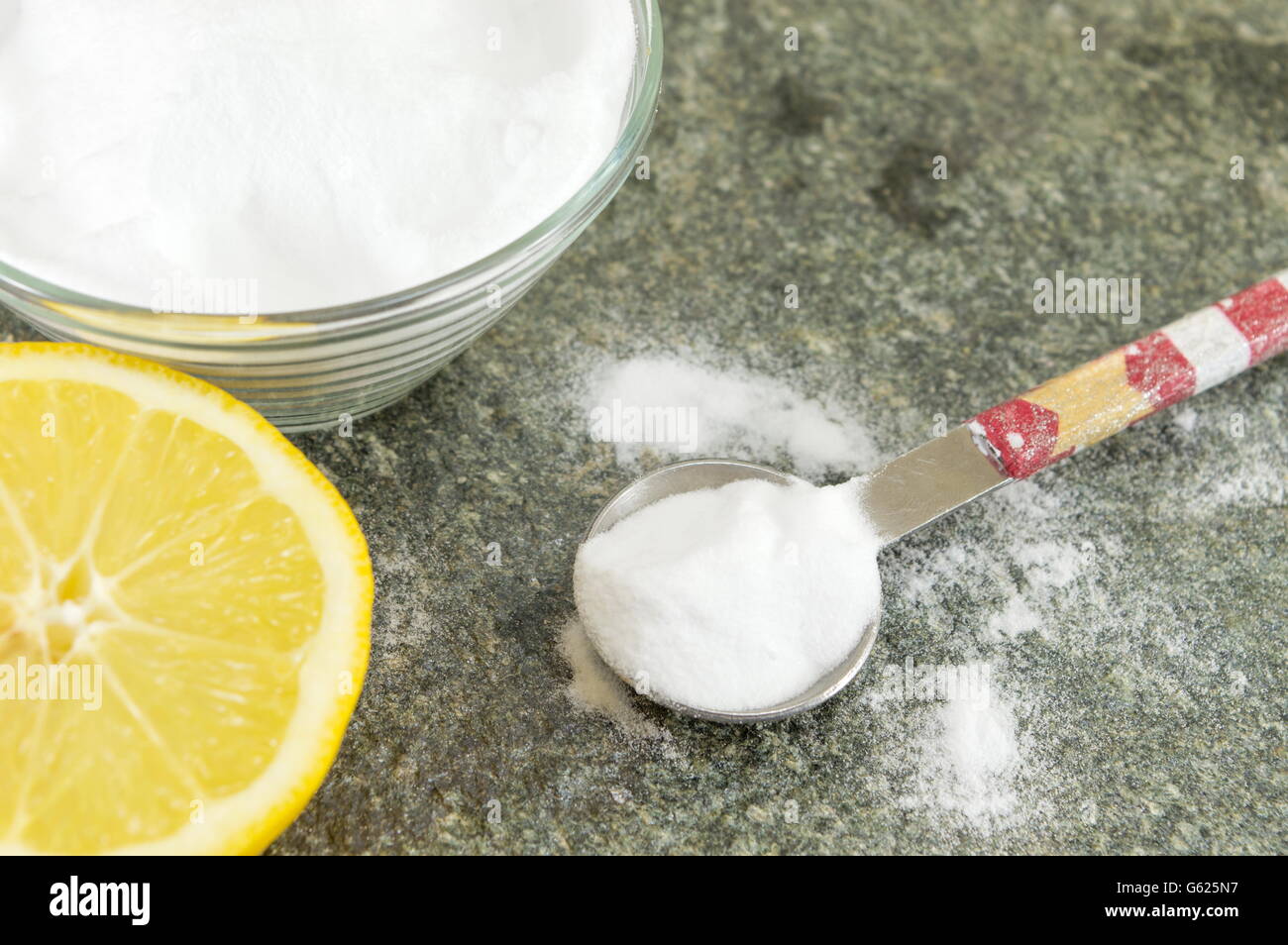
Creating a functional cleaning paste involves blending two parts sodium bicarbonate with one part fresh citrus juice inside a small ceramic bowl. Applying recipe baking soda and lemon mixtures effectively requires spreading the active paste evenly across stained porcelain or ceramic surfaces using a soft-bristled brush. Allowing the mixture to sit undisturbed for ten to fifteen minutes lets the natural acid break down mineral deposits and surface discoloration. Scrubbing gently in circular motions maximizes the mild abrasive action of the undissolved sodium bicarbonate crystals without scratching delicate vintage glazes. Rinsing thoroughly with warm water removes all residual particles, leaving a brilliantly polished and naturally deodorized finish.
Common Challenges and How to Avoid Them
Premature neutralization represents the most frequent obstacle encountered when preparing recipe baking soda and lemon solutions for household tasks. Combining the ingredients too far in advance exhausts the carbon dioxide effervescence before the mixture reaches the intended surface, significantly reducing its cleaning efficacy. Applying the paste immediately upon combination preserves the reactive energy required to lift bonded debris. Additionally, avoiding prolonged contact on natural stone surfaces such as marble or granite protects vulnerable calcium-based minerals from acid etching. Testing the mixture on a hidden surface area always ensures material compatibility prior to full-scale cottage cleaning projects.
💬 Frequently Asked Questions
Explore More Guides on The Cottage Chronicles
Embracing sustainable homestead practices enriches daily routines across every corner of the traditional farmhouse. Discover additional instructional guides, seasonal decor ideas, and heritage housekeeping tips by visiting The Cottage Chronicles.
Recipe Step Photos & Variations