Introduction
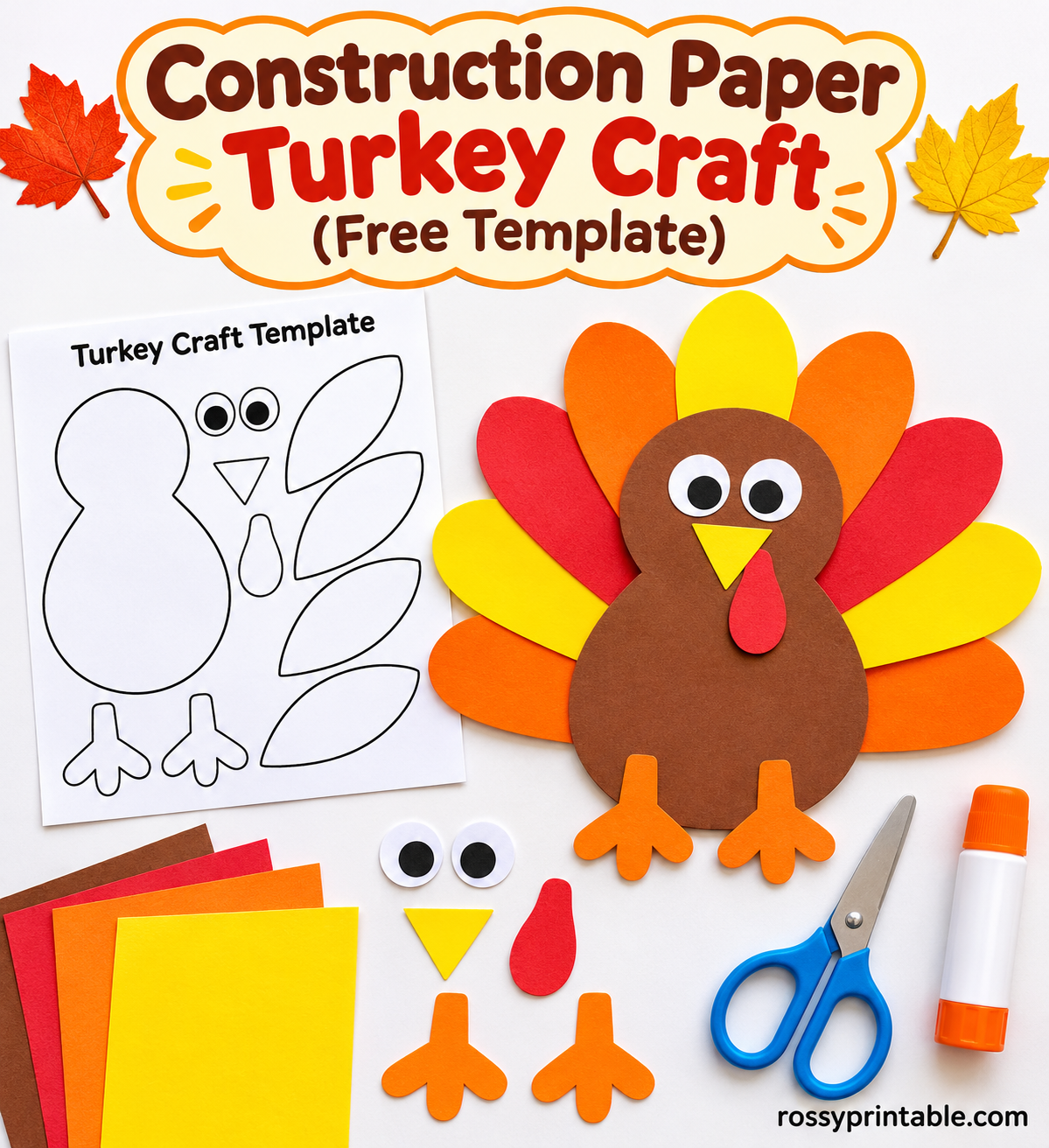
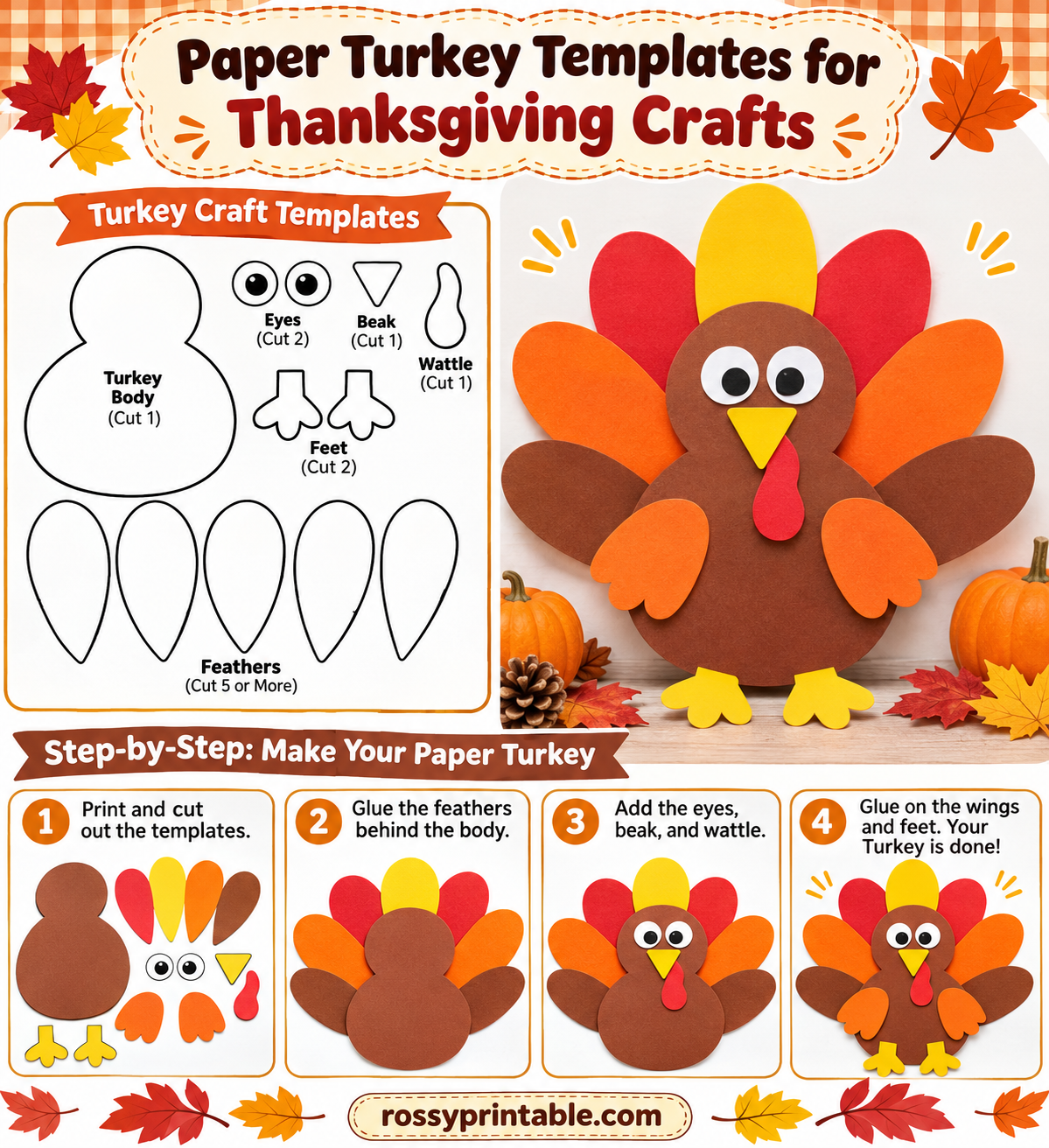
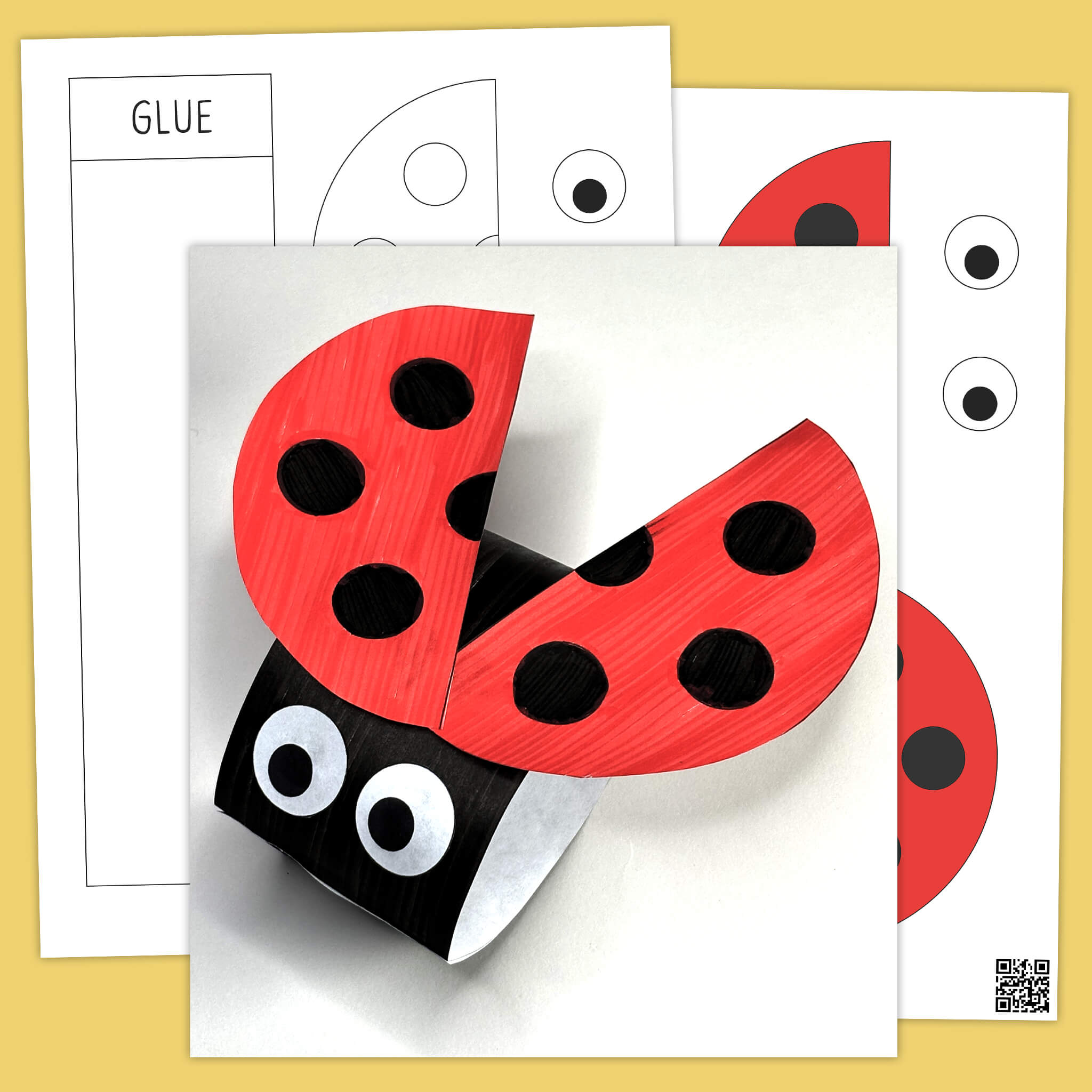
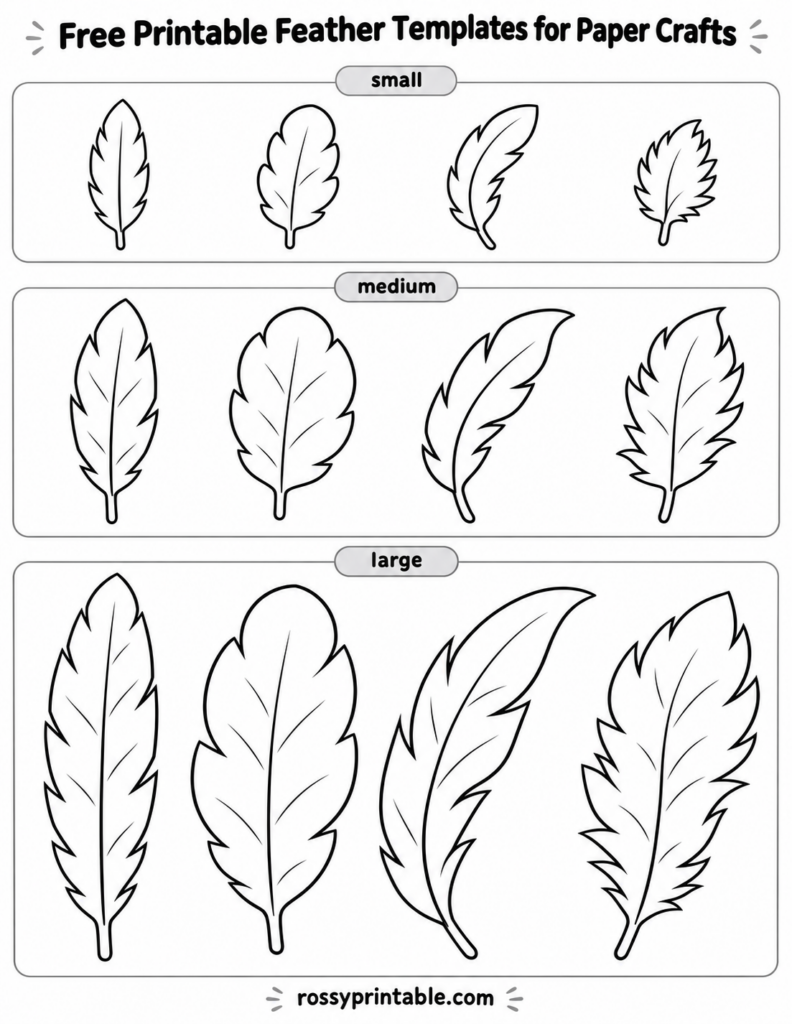
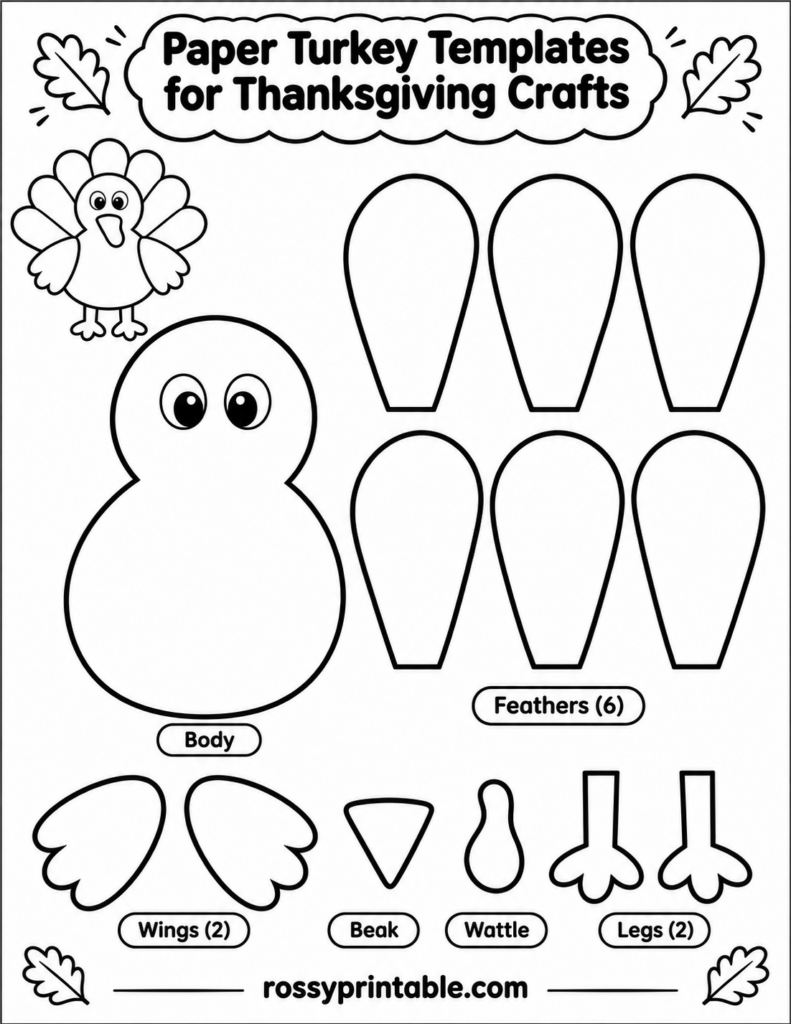
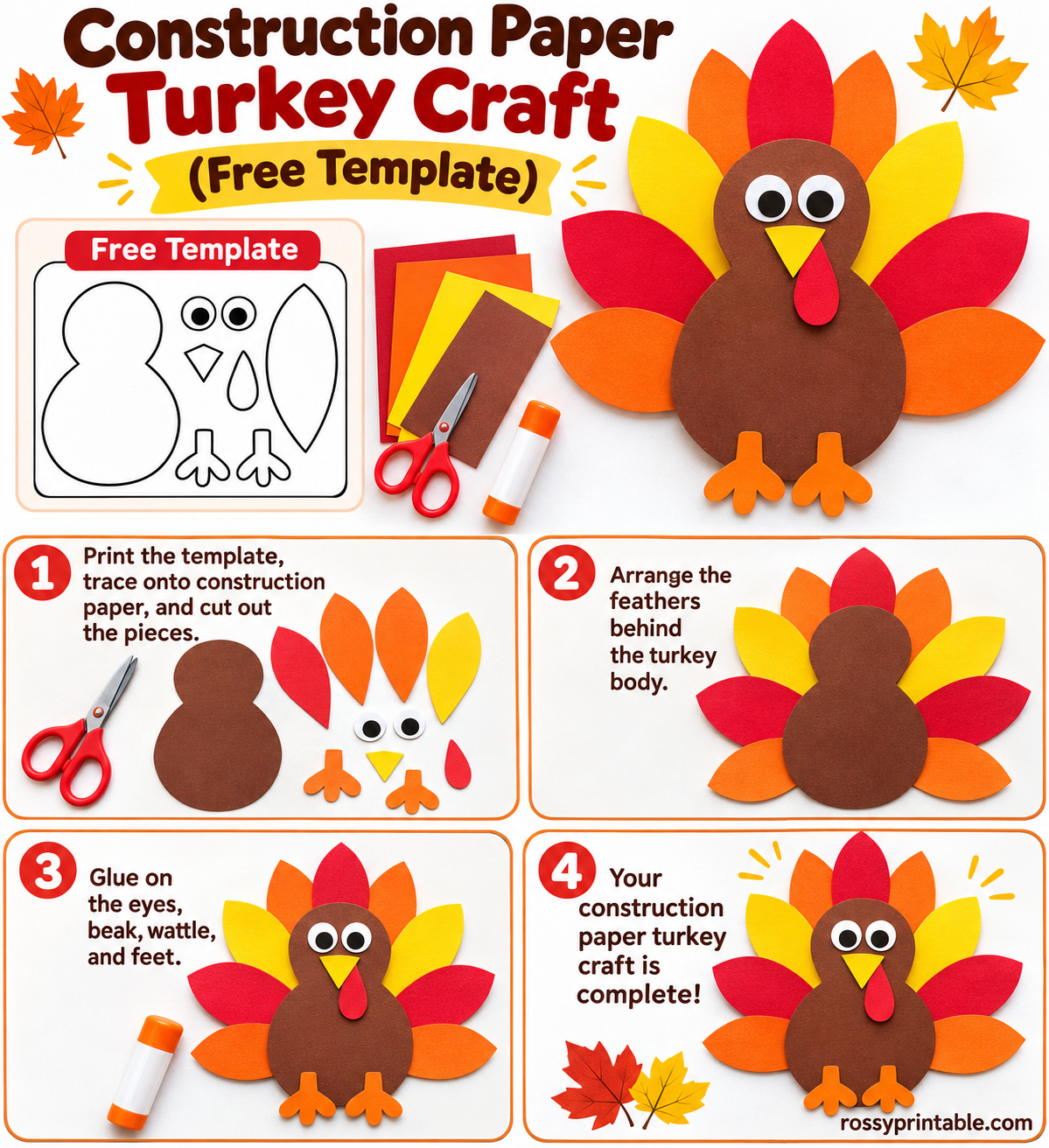
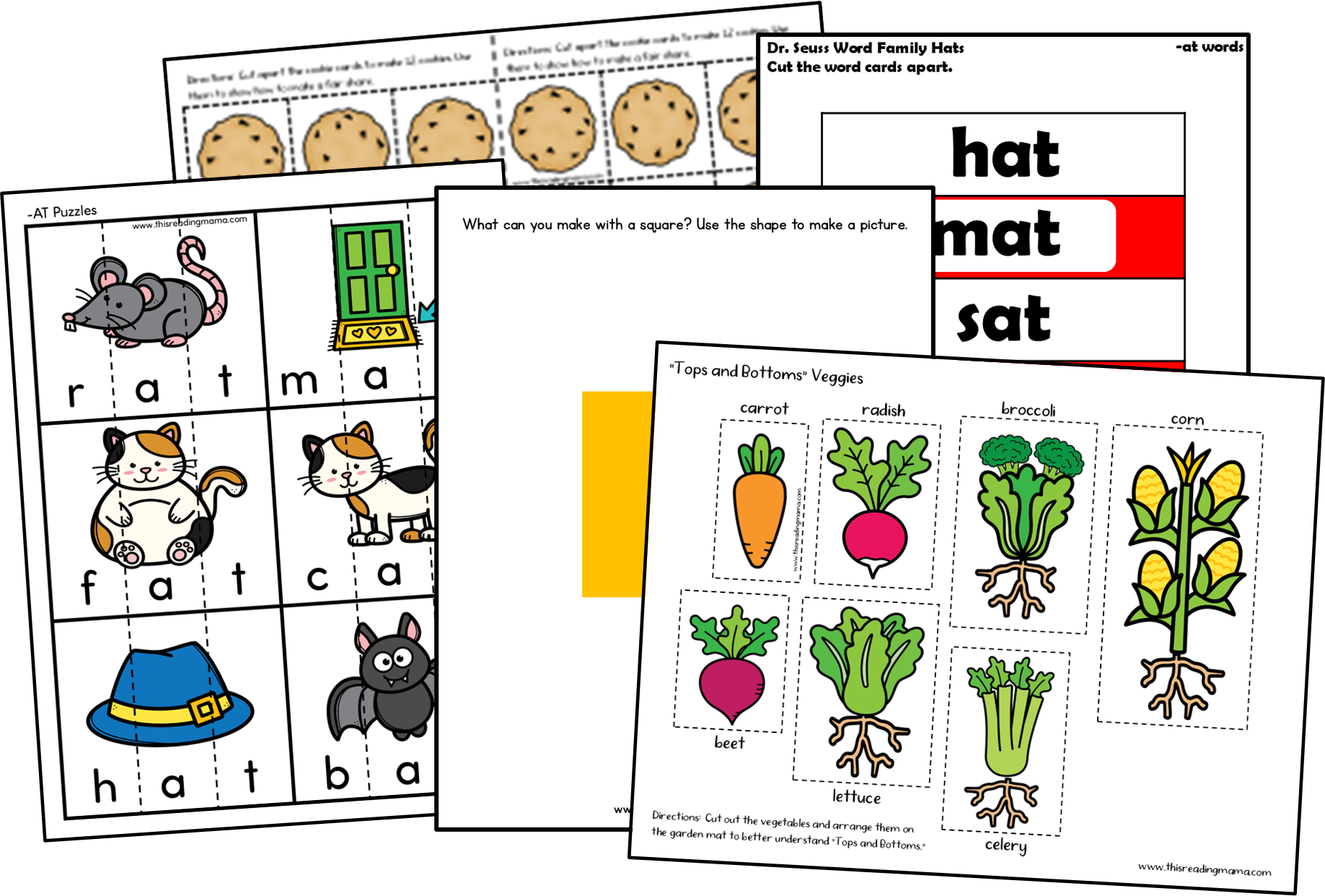
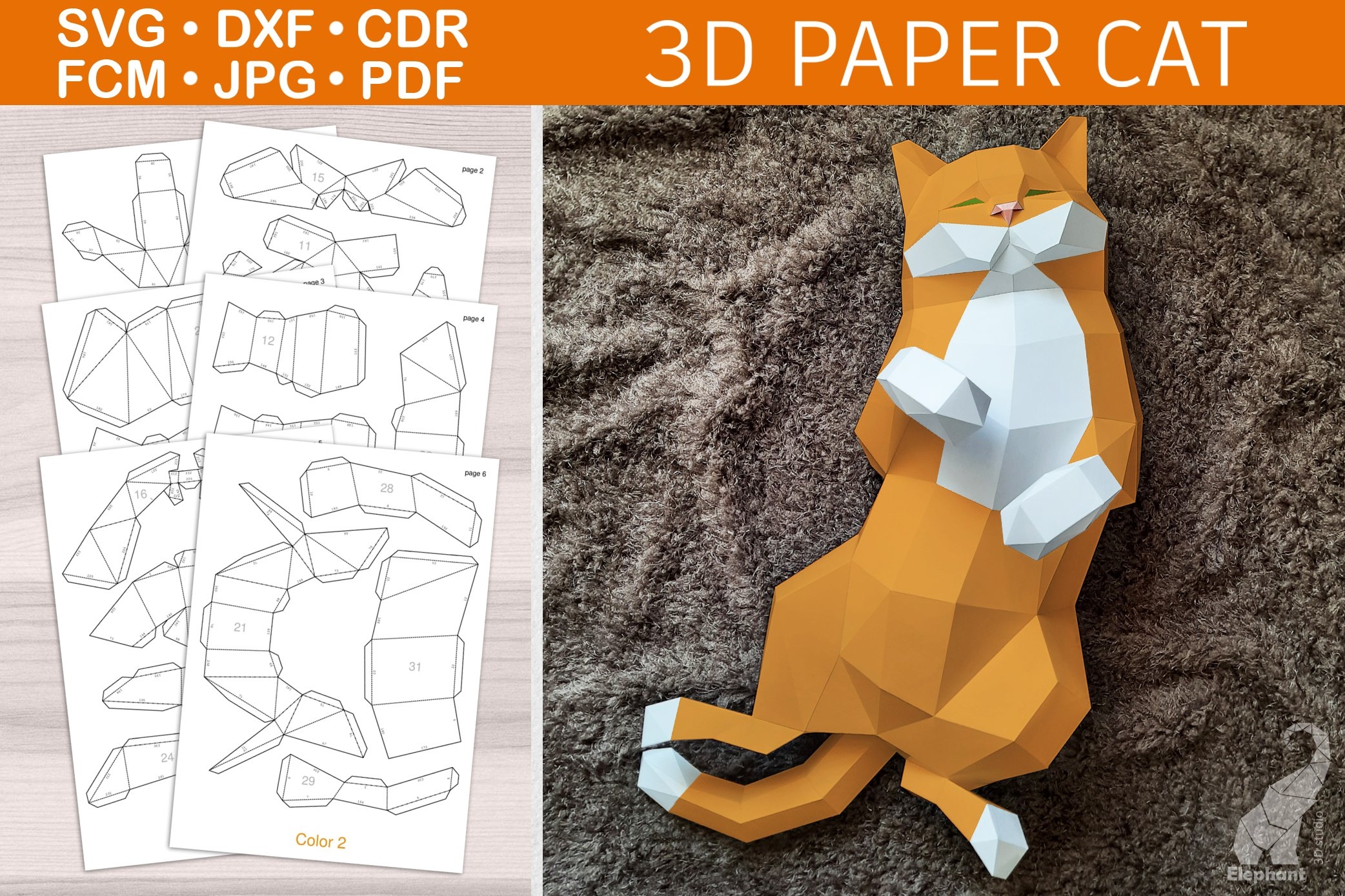
Paper templates for crafts serve as essential precision guides that ensure structural integrity and aesthetic consistency in handmade projects, ranging from intricate home decor to functional paper-based tools. According to the National Art Education Association (NAEA), the use of standardized templates and instructional patterns significantly enhances visual literacy and spatial reasoning in both educational and domestic craft environments. Utilizing professional-grade templates minimizes material waste and elevates the final output of cottage-style DIY projects. For further inspiration on incorporating these techniques into your home, explore the Printables & Paper Crafts archives.
Cottage Project & Prep Snapshot:
- Core Focus: Standardizing craft dimensions through reusable paper patterns.
- Materials & Scope: Cardstock weight (65lb-110lb), precision blades, and bone folders.
- Key Recommendation: Always print at 100% scale to preserve geometric accuracy.
Core Principles and Detailed Overview
Effective paper templates for crafts require specific grammage and structural considerations to ensure successful assembly and durability. Selecting cardstock between 65lb and 110lb provides the necessary rigidity for structural paper crafts, such as farmhouse-style lanterns or organizational boxes. Clean cutting relies on a sharp craft knife or a precision guillotine cutter, while folding accuracy is achieved by scoring the paper along template lines before bending. When preparing templates for cottage decor, focus on natural, muted color palettes and high-contrast cut lines that remain visible under low-light workshop conditions. Master these foundational skills to prepare for larger installations found in DIY & Cottage Decor.
Key Specifications and Breakdown
| Component / Step | Recommended Specification | Quality & Practical Tip |
|---|---|---|
| Paper Weight | 65lb – 110lb Cardstock | Heavier stock supports structural integrity. |
| Scoring Technique | Bone Folder/Stylus | Score before folding to prevent fiber cracking. |
| Printer Settings | 100% Scale / Actual Size | Avoid ‘Fit to Page’ to maintain dimensions. |
Standardized Precision Principle — The National Art Education Association (NAEA) emphasizes that consistent use of templates and grid-based planning reduces cognitive load and improves technical accuracy in tactile design.
Step-by-Step Practical Application and Guidelines
Successful implementation of paper templates for crafts begins with verifying printer output against a physical ruler to confirm 1:1 scale accuracy. Once the template is printed, secure the paper to a self-healing cutting mat using repositionable adhesive to prevent shifting during the cutting process. Use a metal-edged ruler to guide the blade along straight edges, ensuring clean, perpendicular cuts that facilitate seamless assembly. For curved sections, rotate the paper beneath the blade rather than moving the blade itself to maintain a smooth edge. After cutting, use a bone folder to create deep, precise score lines at all fold markers. Dry-fit the components before applying adhesive to ensure all tabs and slots align correctly for a professional finish.
Common Challenges and How to Avoid Them
Paper warping and misaligned folds represent the most frequent obstacles when working with intricate templates. Warping typically occurs when excess moisture from liquid adhesives is introduced to the paper; use minimal amounts of acid-free craft glue or double-sided tape to maintain structural rigidity. Misaligned folds are often the result of failing to score the paper prior to bending, which causes the fibers to bunch and tear unevenly. Always test the template on scrap paper to calibrate printer settings and confirm that the scale is correct before committing to premium materials. Maintaining a dedicated workspace with adequate lighting prevents fatigue and ensures the high level of detail required for delicate cottage-style paper crafts.
💬 Frequently Asked Questions
Explore More Guides on The Cottage Chronicles
Mastering the technical side of paper craft allows for greater creative freedom in personalizing a home environment. For those interested in expanding their repertoire into other domestic arts, the Recipes & Baking section provides detailed guides on traditional methods that complement a well-crafted home. Visit The Cottage Chronicles to access the full library of resources dedicated to refined, traditional living.
Visual Reference Gallery