Introduction
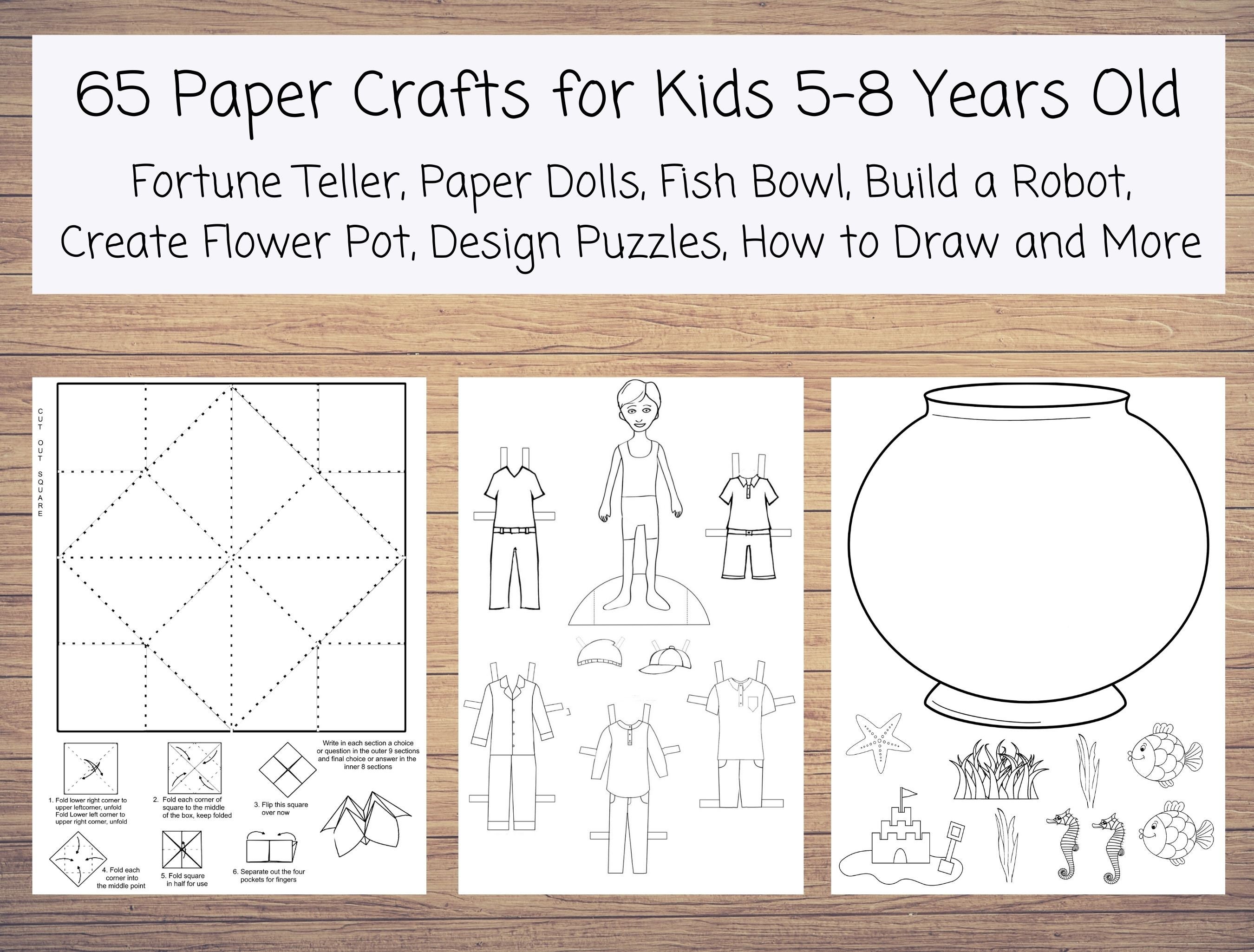
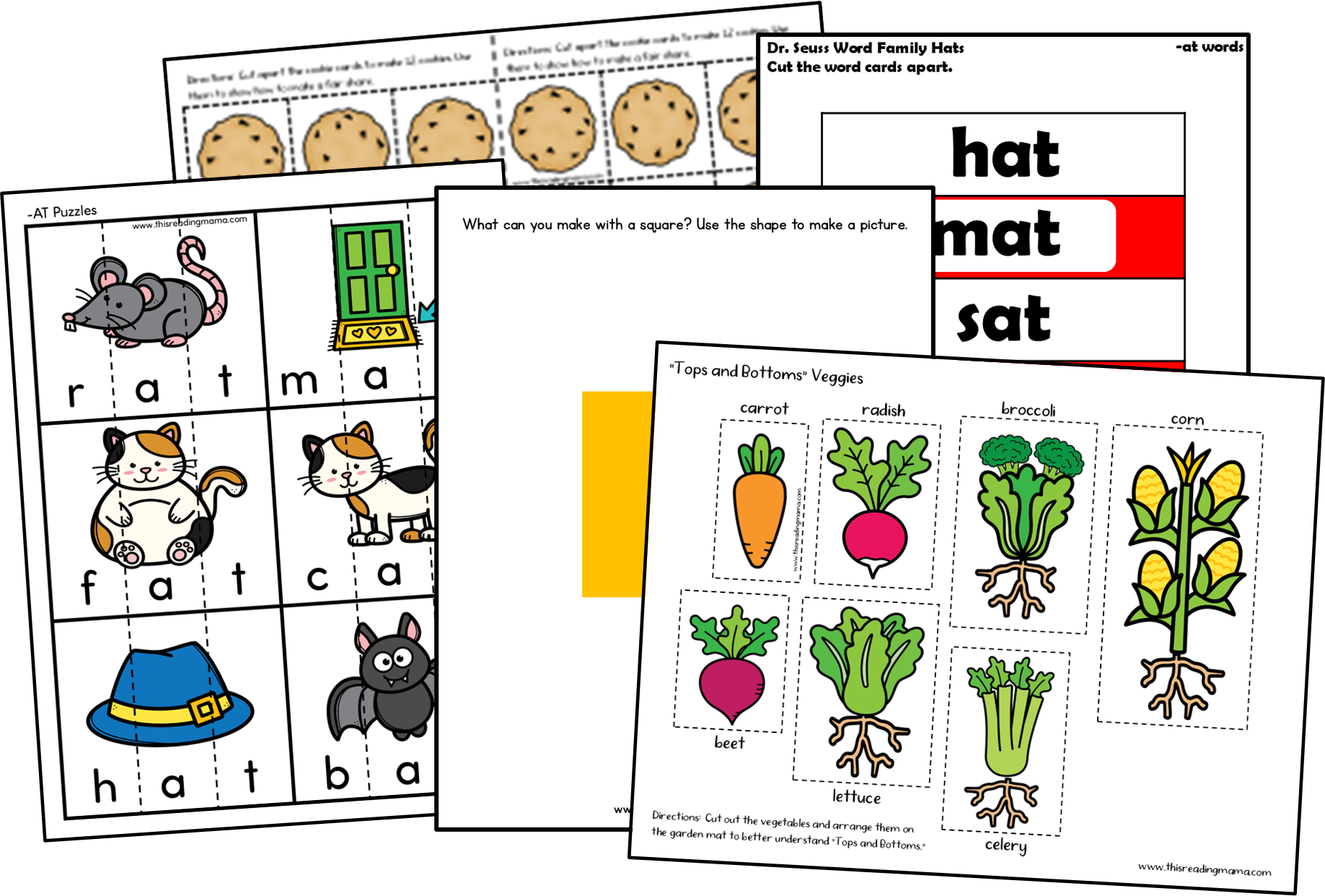
A4 sheet paper craft for kids involves the transformation of standard 210mm x 297mm paper into functional, decorative, or educational objects through precise folding, cutting, and assembly techniques. According to the National Art Education Association (NAEA), structured engagement with paper media fosters essential spatial reasoning and fine motor development in early childhood. Utilizing A4 dimensions provides a consistent, globally recognized canvas that simplifies template scaling and ensures compatibility with standard home printing equipment for Printables & Paper Crafts.
Cottage Project & Prep Snapshot:
- Core Focus: Structural paper engineering using standard A4 dimensions.
- Materials & Scope: Cardstock (160-200 GSM), precision scissors, bone folders, and non-toxic adhesives.
- Key Recommendation: Prioritize grain direction and weight to ensure clean, professional-grade folds.
Core Principles and Detailed Overview
Successful A4 paper projects rely on the careful selection of paper weight and fiber orientation to maintain structural integrity during assembly. Standard copy paper at 80 GSM is suitable for simple origami, but 160 GSM cardstock provides the necessary rigidity for three-dimensional models, boxes, or seasonal home decor. When designing templates for home use, maintaining a 10mm margin ensures compatibility with standard printer feed mechanisms, preventing edge clipping during the production of intricate paper-craft layouts.
Key Specifications and Breakdown
| Component / Step | Recommended Specification | Quality & Practical Tip |
|---|---|---|
| Paper Weight | 160-200 GSM | Use heavier cardstock for structural stability. |
| Cutting Tool | Precision Craft Knife | Always cut against a self-healing mat. |
| Folding Technique | Bone Folder | Score lines before folding for crisp edges. |
The Principle of Paper Grain Alignment — National Art Education Association (NAEA) recommends aligning structural folds with the paper grain to prevent cracking and ensure longevity in paper-based constructions.
Step-by-Step Practical Application and Guidelines
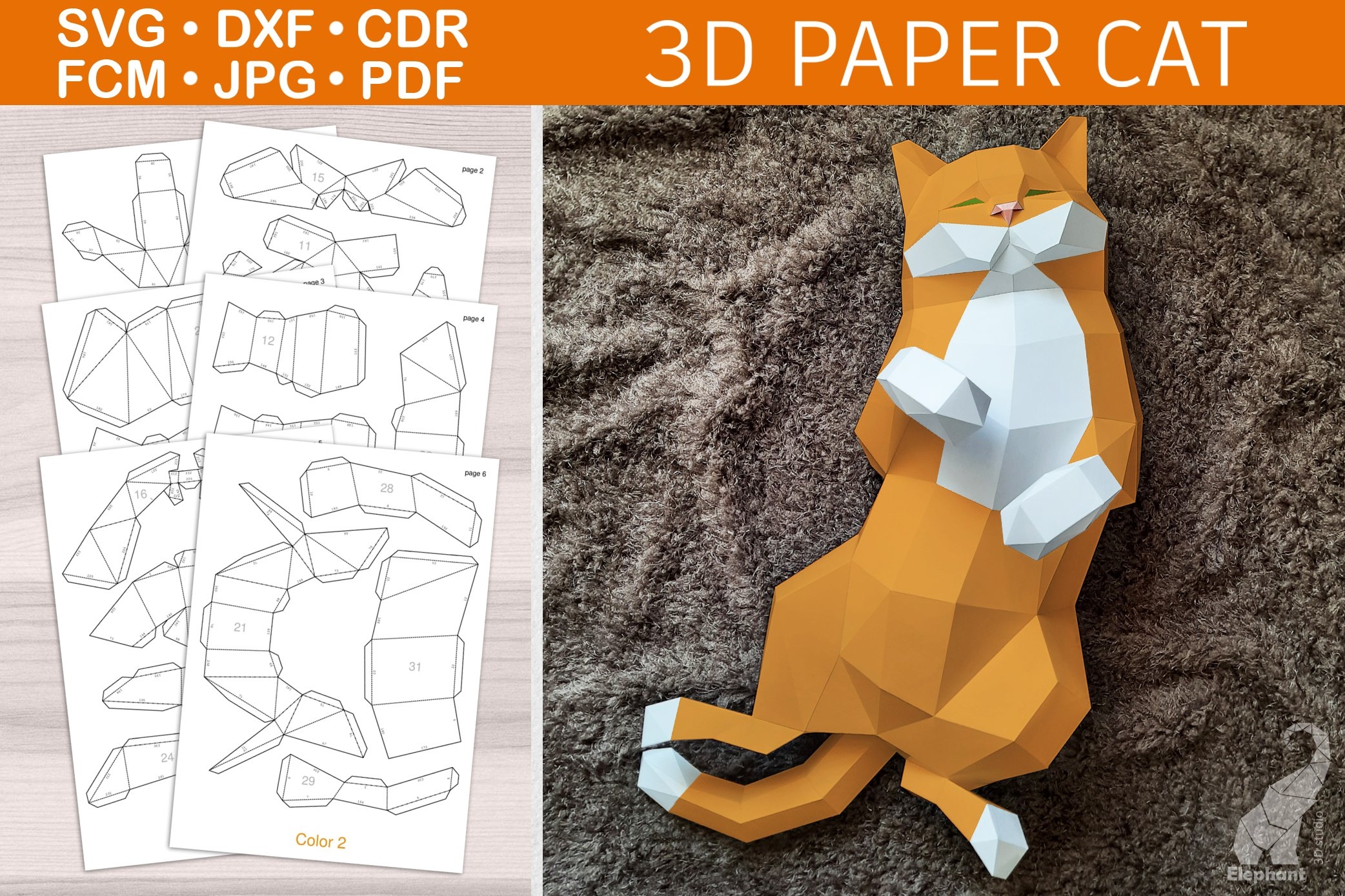
Effective paper crafting requires systematic scoring and folding to translate a two-dimensional A4 sheet into a three-dimensional form. Begin by printing templates on high-quality cardstock, ensuring printer settings are calibrated for “Actual Size” to maintain accurate dimensions. Score all fold lines using a bone folder or a blunt stylus before initiating any cuts; this process compresses the paper fibers, creating a distinct channel that facilitates precise, clean hinges. Once scored, execute cuts from the interior of the design toward the edges to maximize control and minimize tear risk. Finally, apply adhesive sparingly to avoid warping, allowing sufficient drying time before final assembly of the structure.
Common Challenges and How to Avoid Them
Paper cracking and misalignment are the primary obstacles in A4 crafting, typically resulting from improper grain orientation or insufficient scoring depth. Always test the grain direction by gently flexing the sheet; the direction offering the least resistance is the grain direction, which should serve as the axis for all primary folds. If paper edges fray during cutting, replace dull blades immediately, as a sharp edge is essential for clean results. Furthermore, humidity can cause paper expansion, so store materials in a climate-controlled environment to ensure consistent performance during complex DIY & Cottage Decor projects.
💬 Frequently Asked Questions
Explore More Guides on The Cottage Chronicles
Mastering the art of paper engineering is a foundational skill for any home crafter. For further inspiration on integrating handmade elements into your living space or exploring artisanal Recipes & Baking techniques, visit the full library of resources at The Cottage Chronicles.
Visual Reference Gallery