Introduction
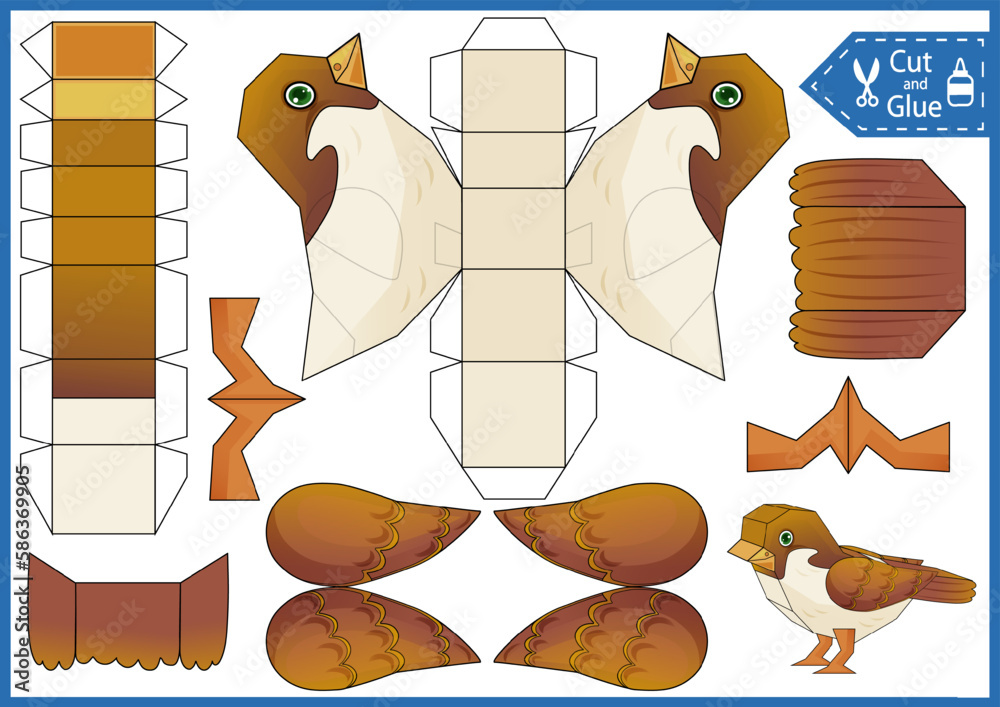
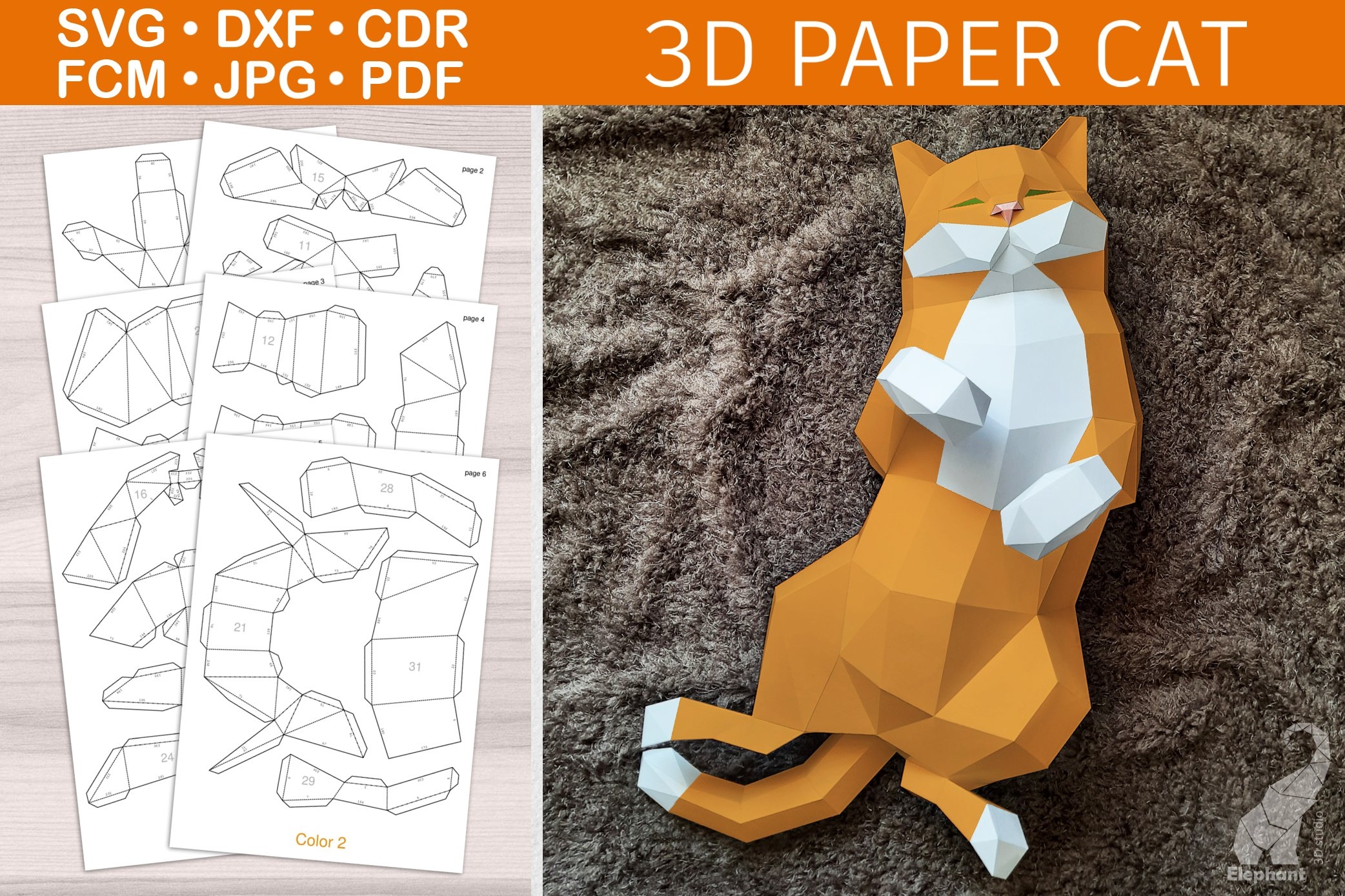
Printables papercraft is the structured practice of designing, printing, cutting, and assembling digital templates into three-dimensional functional objects, home decor pieces, and educational tools using heavy-weight paper stocks. According to the National Art Education Association (NAEA), utilizing tactile paper mediums and structured graphic templates significantly enhances spatial reasoning, fine motor coordination, and creative resourcefulness across diverse age groups. Mastery of this craft relies heavily upon selecting appropriate paper GSM ratings, executing clean scorlines, and using reliable adhesive applications to transform flat digital files into durable physical items. Whether outfitting a rustic interior space or preparing classroom materials, understanding paper grades ensures long-lasting results. Detailed techniques for these projects are explored further within Printables & Paper Crafts.
Cottage Project & Prep Snapshot:
- Core Focus: Transforming digital graphic templates into durable physical papercrafts.
- Materials & Scope: Cardstock (65lb to 110lb), precision craft knife, bone folder, and quick-setting glue.
- Key Recommendation: Score every fold line prior to bending to achieve crisp 90-degree structural corners.
Core Principles and Detailed Overview
Printables papercraft requires balancing printer ink saturation with the structural integrity of the chosen substrate to prevent warping and ink bleeding. High-resolution vector or 300-DPI raster templates must be printed at 100% scale without auto-fit scaling to preserve critical tab alignments and geometric proportions. Selecting the correct paper weight is the single most important factor for success; standard copy paper lacks the rigidity needed for three-dimensional builds, whereas heavy cardstock supports self-standing structures like miniature barns, vintage botanical favor boxes, and seasonal wall banners. To integrate these handcrafted paper items into rustic aesthetics, crafters frequently pair them with natural jute twine, dried botanicals, and neutral linen accents.
Key Specifications and Breakdown
| Component / Step | Recommended Specification | Quality & Practical Tip |
|---|---|---|
| Base Substrate | 65lb to 110lb Cardstock | Select matte finishes for rustic decor; use smooth bright white for sharp graphic illustrations. |
| Scoring Tool | Teflon bone folder or empty ballpoint pen | Always score along dotted fold lines using a metal ruler to prevent jagged creases. |
| Adhesive | Quick-tack PVA craft glue or double-sided tape | Apply minimal adhesive to tabs to avoid paper buckling and moisture distortion. |
Paper density ratings above 65 pounds (176 GSM) provide the minimum structural threshold required for freestanding 3D geometric papercraft construction — National Art Education Association (NAEA)
Step-by-Step Practical Application and Guidelines
Printables papercraft execution follows a strict sequence: digital file preparation, high-quality printing, precision scoring, meticulous cutting, and structural assembly. First, configure printer settings to maximum quality and cardstock media mode to ensure heavy ink deposition without smudging. Next, place printed sheets on a self-healing cutting mat and use a metal straightedge alongside a craft knife to slice along solid outer boundary lines, reserving intricate internal cutouts for detail scissors. Before applying any adhesive, run a bone folder gently down all indicated fold lines to create sharp, professional creases. Finally, dry-fit the tabs into corresponding slots to verify alignment before securing permanent bonds with a thin layer of quick-drying craft glue or precise double-sided tape.
Common Challenges and How to Avoid Them
Printables papercraft projects often fail due to improper printer scaling, incorrect paper thickness, and rushed cutting techniques that compromise tab alignment. To eliminate scaling discrepancies, always verify that the print dialog box is toggled to actual size or 100 percent scale rather than fit-to-page. When working with intricate cottage-style garlands or miniature cabin models, dull blades frequently tear fibers instead of slicing cleanly; replace craft knife blades frequently to maintain razor-sharp precision. Furthermore, excessive glue usage introduces moisture that wrinkles cardstock surfaces, making precision bottle tips or tape runners essential tools for maintaining a polished, professional finish across all projects found in DIY & Cottage Decor.
💬 Frequently Asked Questions
Explore More Guides on The Cottage Chronicles
Expanding creative horizons within a rural homestead setting involves blending traditional techniques with modern digital tools to elevate everyday living spaces. Continuous learning fosters a deeper appreciation for handmade craftsmanship, seasonal home styling, and scratch-made hospitality across every room of the house. Discover additional hands-on projects, seasonal hosting guides, and homestead inspiration by visiting the central archives at The Cottage Chronicles.
Visual Reference Gallery