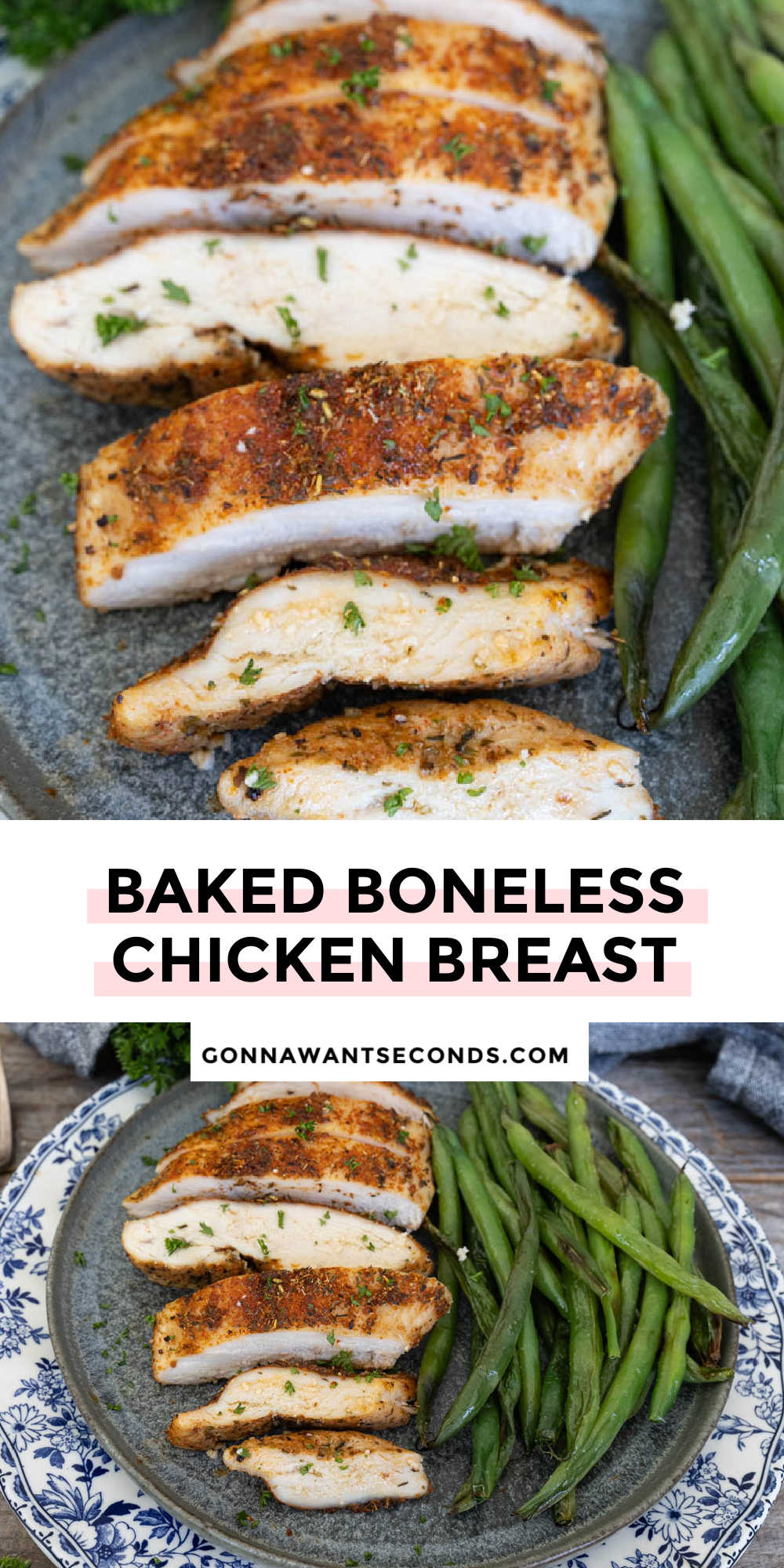
Introduction
Recipes baked boneless chicken breast require precise temperature control and proper moisture retention to prevent dry meat while achieving a golden exterior. According to the USDA Food Safety and Inspection Service (FSIS), poultry must always reach a safe internal temperature of 165 degrees Fahrenheit to ensure complete food safety. Mastering these oven techniques allows home cooks to consistently prepare tender, juicy proteins suitable for traditional family dinners or meal-prep rotations. Integrating proven culinary standards transforms simple poultry into a flavorful centerpiece reminiscent of classic farmhouse cooking found in Recipes & Baking.
Cottage Project & Prep Snapshot:
- Core Focus: High-yield techniques for preparing tender, perfectly cooked poultry in a standard home oven.
- Materials & Scope: Fresh boneless breasts, olive oil, coarse kosher salt, black pepper, and targeted herb blends.
- Key Recommendation: Always use an instant-read digital probe thermometer to prevent overcooking and dryness.
Core Principles and Detailed Overview
Reliable methods for preparing these dishes depend on balancing high heat for browning with moderate baking durations to maintain internal moisture. Direct oven roasting at 400 degrees Fahrenheit seals the outer surface quickly, locking natural juices inside the muscle fibers before heat penetrates the center. Sourcing uniform cuts ensures even cooking times across every piece placed on the baking sheet or cast-iron skillet. Pairing these techniques with heritage kitchen tools creates a seamless bridge between traditional homestyle cooking and modern nutritional guidelines, complementing projects featured in DIY & Cottage Decor.
Key Specifications and Breakdown
| Component / Step | Recommended Specification | Quality & Practical Tip |
|---|---|---|
| Oven Temperature | 400°F (200°C) standard bake | Preheat the oven thoroughly to ensure proper searing action upon insertion. |
| Target Internal Temp | 165°F (74°C) measured centrally | Remove from heat slightly early to allow carryover cooking during resting. |
| Resting Duration | 5 to 8 minutes loosely tented | Allows muscle fibers to reabsorb juices, preventing loss during slicing. |
Whole poultry and poultry breasts must reach an internal temperature of 165°F verified with a food thermometer — USDA Food Safety and Inspection Service (FSIS). Related guide: Recipes Baking Easy.
Step-by-Step Practical Application and Guidelines
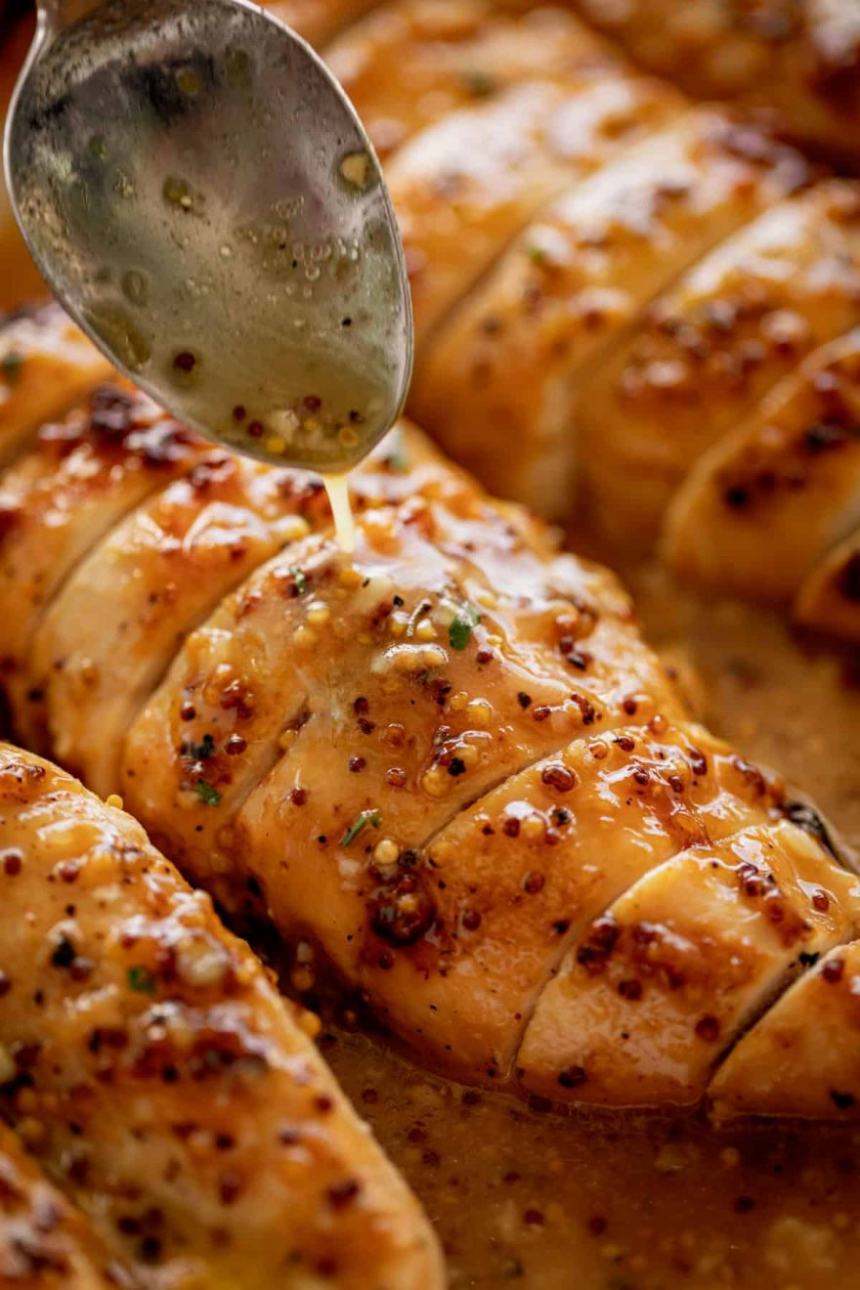
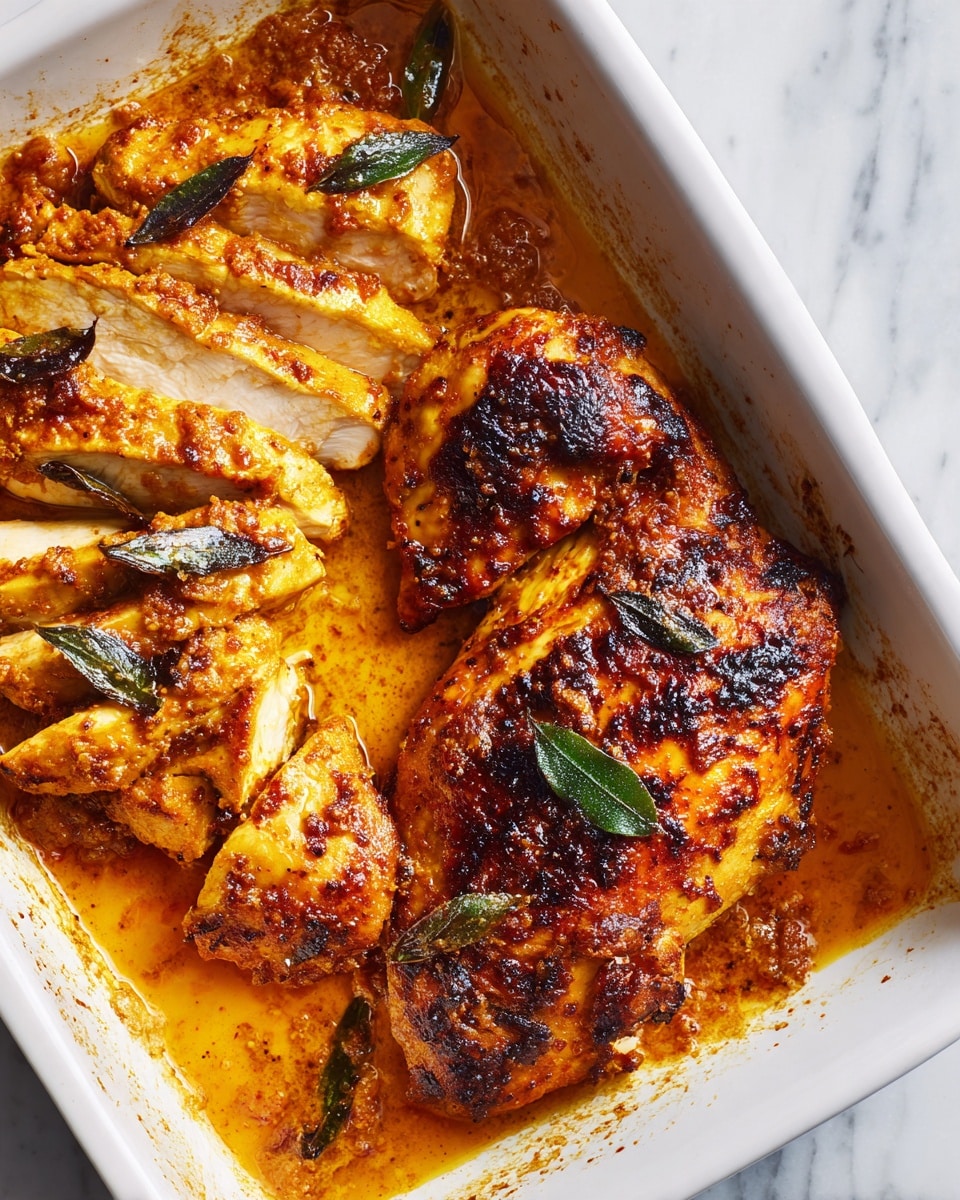
Executing flawless dinner preparations starts with patting the meat completely dry with paper towels to eliminate surface moisture that hinders browning. Generously coat the surface with healthy fats like extra-virgin olive oil or melted butter, followed evenly by coarse salt, cracked pepper, and dried thyme or rosemary. Transfer the prepared pieces to a heavy-duty rimmed baking sheet lined with parchment paper for easy cleanup and even heat distribution. Bake uncovered for twenty to twenty-five minutes depending on thickness, verifying doneness strictly through digital probe measurement rather than visual estimation alone.
Common Challenges and How to Avoid Them
Dry texture and rubbery exteriors typically stem from excessive cooking times or skipping the essential resting phase after removal from the heat source. Avoid overcrowding the baking pan, which traps steam and stews the meat instead of roasting it to a golden finish. Pounding uneven breasts to a uniform thickness prior to seasoning guarantees that thinner edges do not overcook while thicker centers remain underdone, ensuring consistent texture throughout every single bite.
💬 Frequently Asked Questions
Explore More Guides on The Cottage Chronicles
Expanding domestic skills extends far beyond the kitchen into every corner of the homestead, from seasonal crafting guides to paper arts found in Printables & Paper Crafts. Discover endless inspiration, wholesome recipes, and traditional homemaking advice by returning regularly to The Cottage Chronicles for fresh weekly updates.
Recipe Step Photos & Variations