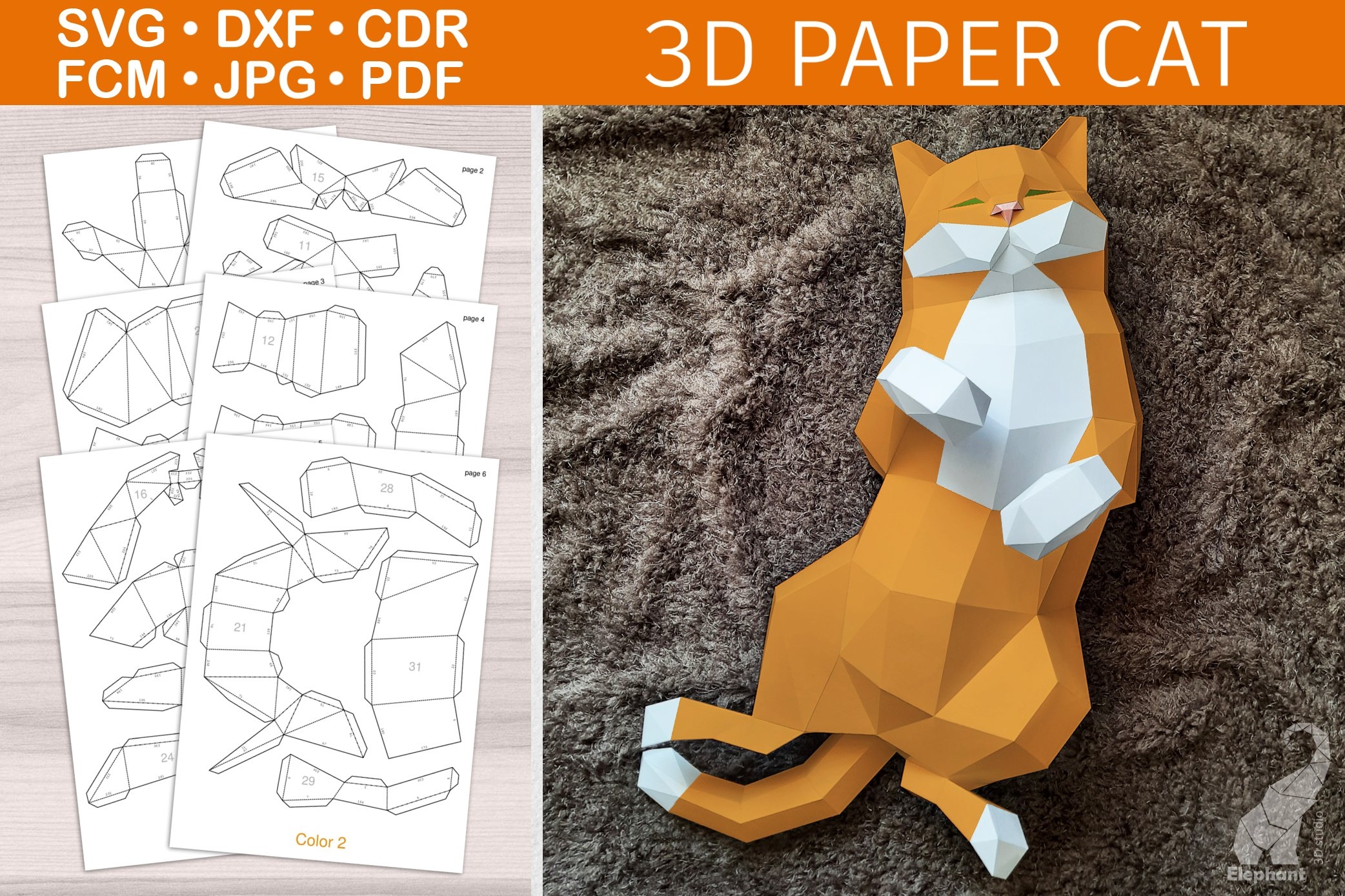
Introduction
Paper sheet crafts utilize high-quality cardstock and parchment to create structured, decorative home elements that define the aesthetic of traditional cottage living. According to the National Art Education Association (NAEA), structured paper manipulation fosters essential spatial reasoning and fine motor development, providing a foundational skill set for both educational environments and home-based design projects. Integrating these materials into domestic spaces allows for budget-conscious transformations through intentional folding, cutting, and assembly techniques.
Cottage Project & Prep Snapshot:
- Core Focus: Structural paper manipulation for interior decor and functional organization.
- Materials & Scope: Cardstock (65lb-110lb), bone folders, precision blades, and archival adhesives.
- Key Recommendation: Prioritize paper grain alignment before folding to ensure clean, professional edges.
Core Principles and Detailed Overview
Paper sheet crafts rely on the precise interaction between paper weight and structural integrity to achieve durable, professional-grade results. Choosing a weight between 80lb and 110lb cardstock ensures that decorative items maintain their shape without collapsing under ambient humidity, a common challenge in cottage-style homes. Precision in measurement, specifically regarding score lines and grain direction, remains the primary factor in determining the longevity of complex paper constructions. Mastery of these fundamentals allows for the creation of intricate Printables & Paper Crafts that serve as both functional storage solutions and aesthetic focal points within a room.
Key Specifications and Breakdown
| Component / Step | Recommended Specification | Quality & Practical Tip |
|---|---|---|
| Paper Weight | 80lb – 110lb Cardstock | Heavier stock prevents warping. |
| Folding Tool | Bone Folder | Reduces fiber cracking at creases. |
| Adhesive Type | Acid-Free PVA Glue | Prevents yellowing over time. |
Archival Paper Stability Standard — National Art Education Association (NAEA)
Step-by-Step Practical Application and Guidelines
Effective paper crafting begins with the systematic preparation of materials, starting with the identification of the grain to ensure optimal folding resistance. First, determine the grain direction by gently bending the sheet; resistance is always higher against the grain, which is the preferred orientation for sharp, professional creases. Second, utilize a bone folder to compress the paper fibers along score lines, as this prevents the white core of the paper from showing through during the folding process. Third, apply thin, consistent beads of adhesive to ensure structural bonds remain flush, avoiding saturation that leads to buckling. For those looking to integrate these crafts into broader home themes, consider the styling advice found in DIY & Cottage Decor to ensure paper projects complement existing textures like wood and linen.
Common Challenges and How to Avoid Them
Common paper crafting failures such as fiber tearing or adhesive bleeding result primarily from improper tool selection and excessive moisture application. Utilizing a dull blade during the cutting phase often causes jagged edges, necessitating the frequent replacement of precision knife blades. Furthermore, avoid the use of standard school-grade glues, which contain high water content and cause paper to ripple; instead, select specialized craft adhesives designed for low-moisture bonding. Maintaining a clean, dry workspace is essential, as paper is highly hygroscopic and will absorb atmospheric moisture, potentially compromising the crispness of finished folds.
💬 Frequently Asked Questions
Explore More Guides on The Cottage Chronicles
Mastering these paper techniques opens the door to sophisticated home styling and organized living. For additional projects that bridge the gap between traditional craftsmanship and modern home utility, visit the full library of resources at The Cottage Chronicles. Further inspiration for seasonal hosting and kitchen management can also be found in the Recipes & Baking collection.
Visual Reference Gallery