Introduction
Simple crafts to do with paper encompass accessible, low-cost artistic projects utilizing basic cutting, folding, and gluing techniques to produce decorative home goods, seasonal stationery, and structural paper models. According to the National Art Education Association (NAEA), structured tactile paper manipulation builds foundational spatial reasoning, fine motor control, and creative problem-solving across all age groups. Engaging with traditional paper arts transforms ordinary cardstock and parchment into refined cottage-style decor, hand-pressed greeting cards, and intricate dimensional ornaments. For enthusiasts seeking inspiration, exploring dedicated categories such as Printables & Paper Crafts provides boundless templates for rustic home projects, while mastering texture and weight elevates simple sheets into heirloom-quality domestic treasures. Whether styling a cozy rural farmhouse or preparing educational activities, selecting the right paper stock ensures longevity and professional-grade results for every handmade creation.
Cottage Project & Prep Snapshot:
- Core Focus: Handcrafted paper goods and decor engineered from accessible stationery supplies.
- Materials & Scope: Heavyweight cardstock (65lb-110lb), bone folders, precision craft knives, and natural twine.
- Key Recommendation: Always score fold lines with a bone folder prior to bending to achieve crisp, professional edges.
Core Principles and Detailed Overview
Paper selection remains the foundational cornerstone for successful rustic papercrafts, dictating structural integrity, color retention, and folding resilience across every finished item. Premium cellulose weights, ranging from 65-pound cover stock for general layering up to 110-pound cardstock for structural packaging, prevent buckling when exposed to liquid glues or watercolors. Integrating natural botanical elements, pressed field flowers, or vintage book pages into standard crafting routines infuses genuine heritage charm into modern living spaces. Crafters pursuing interior styling enhancements frequently turn to DIY & Cottage Decor for inspiration on mounting delicate paper medallions, framing handmade botanical prints, and constructing seasonal mantel garlands. Mastering basic tension control during rolling and quilling ensures that intricate scrolls maintain their structural shape without relying on excessive synthetic adhesives.
Key Specifications and Breakdown
| Component / Step | Recommended Specification | Quality & Practical Tip |
|---|---|---|
| Base Paper Weight | 65 lb to 110 lb Cardstock | Opt for heavier cardstock for 3D structures and lighter text weight for delicate origami folding. |
| Cutting Instruments | Self-healing mat & craft knife | Use a sharp #11 blade and a metal ruler to guarantee clean edges on geometric cutouts. |
| Adhesive Selection | PVA bookbinding glue or tape runner | Apply minimal adhesive to prevent paper warping and avoid wrinkling delicate decorative sheets. |
Cellulose fiber alignment dictates tear resistance and folding grain, requiring crafters to score parallel to the machine direction for pristine creases. — International Paper Standard Specification Guidelines
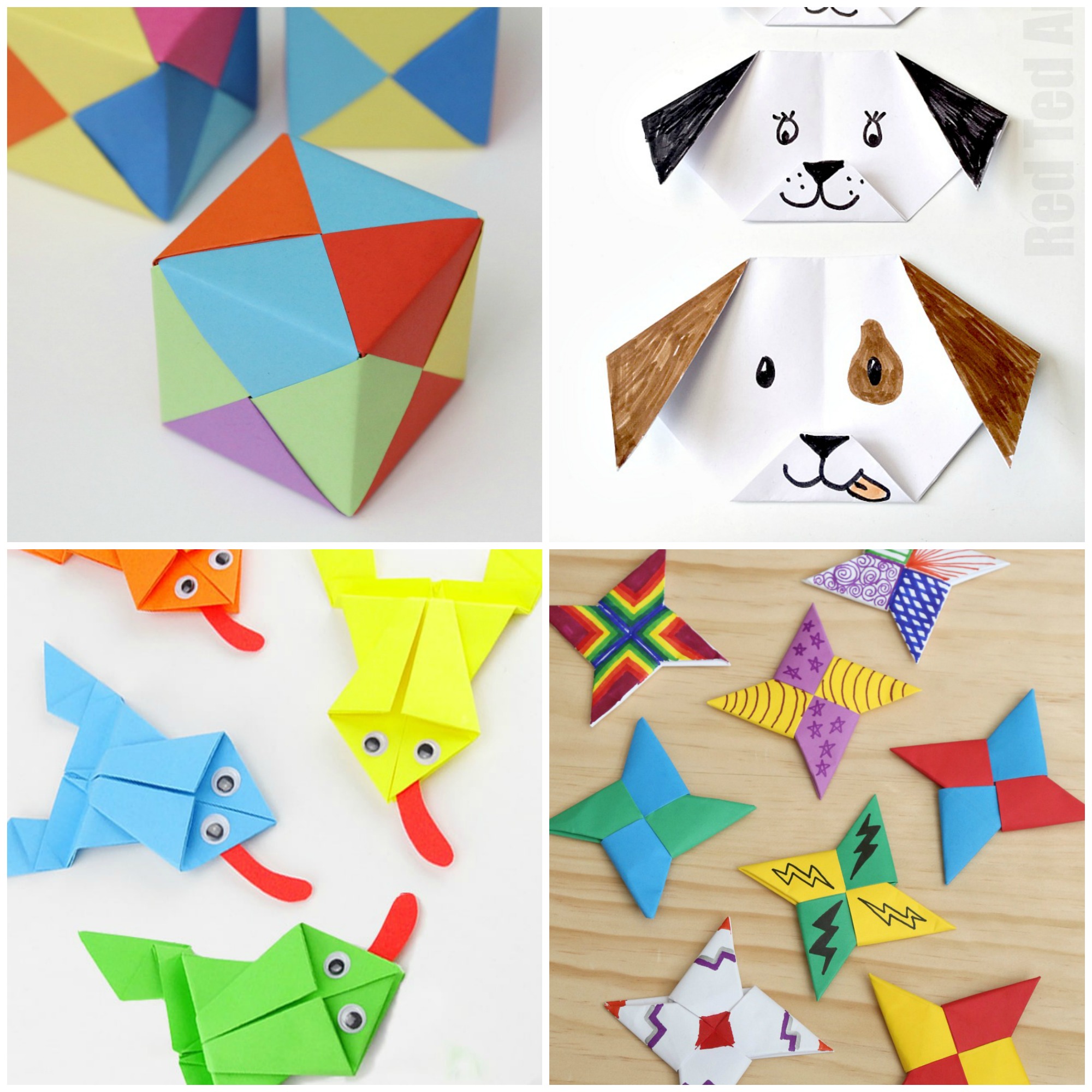
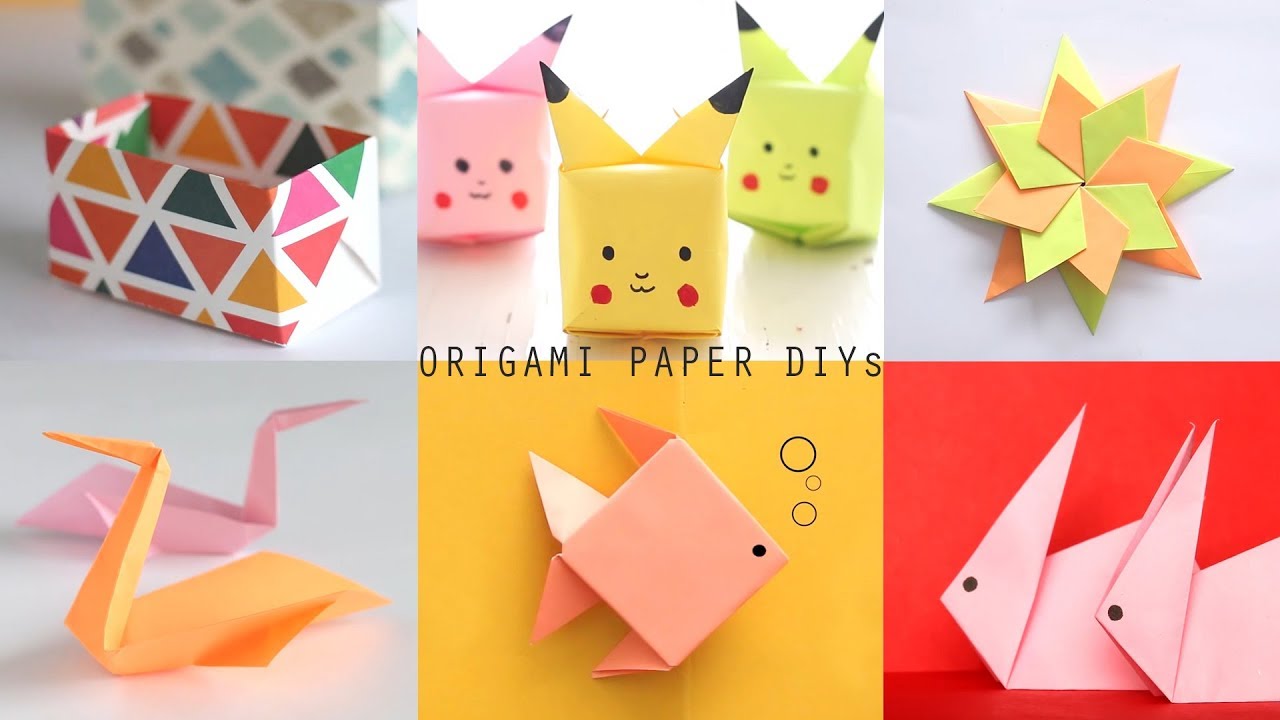
Visual Reference Gallery




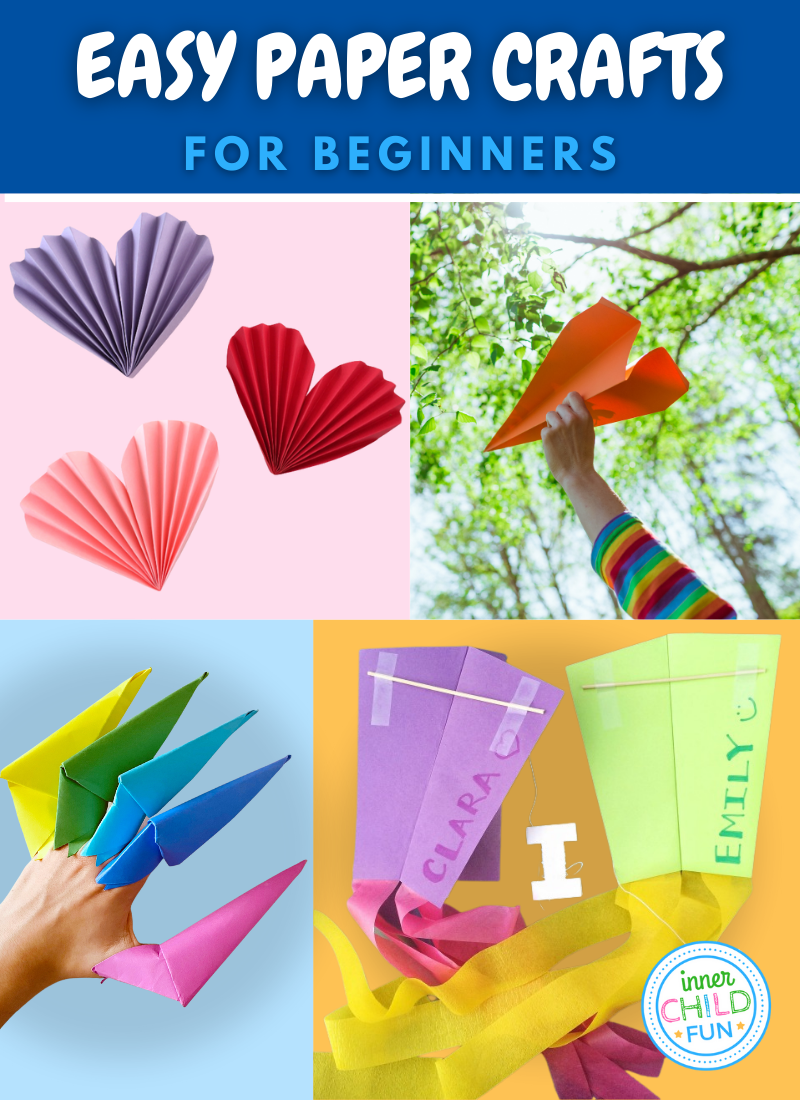
Step-by-Step Practical Application and Guidelines
Executing flawless papercraft projects requires a methodical workflow divided into precise material preparation, careful scoring, and structural assembly. Begin by measuring and trimming all patterned templates on a stable, protected cutting surface utilizing a dedicated rotary cutter or precision utility knife. Next, transfer all fold lines by firmly drawing a bone folder along the edge of a transparent metal ruler, ensuring the crease penetrates the fibers smoothly without tearing the surface coating. Apply adhesives sparingly using a precision tip applicator or double-sided tape runner to secure overlapping tabs, holding each joint under gentle pressure until the bond cures completely. Finish the crafted piece by sealing exposed raw edges with a light sanding block or applying a subtle wash of walnut ink for an authentic, time-worn antique patina.
Common Challenges and How to Avoid Them
Paper warping, jagged cutting lines, and weak adhesive bonds represent the most frequent obstacles encountered during artisanal paper construction. Warping typically occurs when excessive moisture from standard school glues saturates lightweight printer paper; resolve this by switching to low-moisture glue sticks or heavier cardstock bases. Jagged edges stem from dull blades or rushing freehand cuts, which can be easily corrected by replacing utility knife blades frequently and utilizing heavy metal straightedges for guidance. Additionally, storing finished paper projects in excessively humid environments causes premature softening and sagging, making climate-controlled display areas essential for long-term preservation of handmade seasonal garlands and framed cottage silhouettes.
💬 Frequently Asked Questions
Explore More Guides on The Cottage Chronicles
Delve deeper into traditional homesteading arts, comforting seasonal recipes, and charming interior aesthetics by browsing the complete project collection available at The Cottage Chronicles. Whether updating rustic room aesthetics or exploring cozy culinary creations found within