Introduction
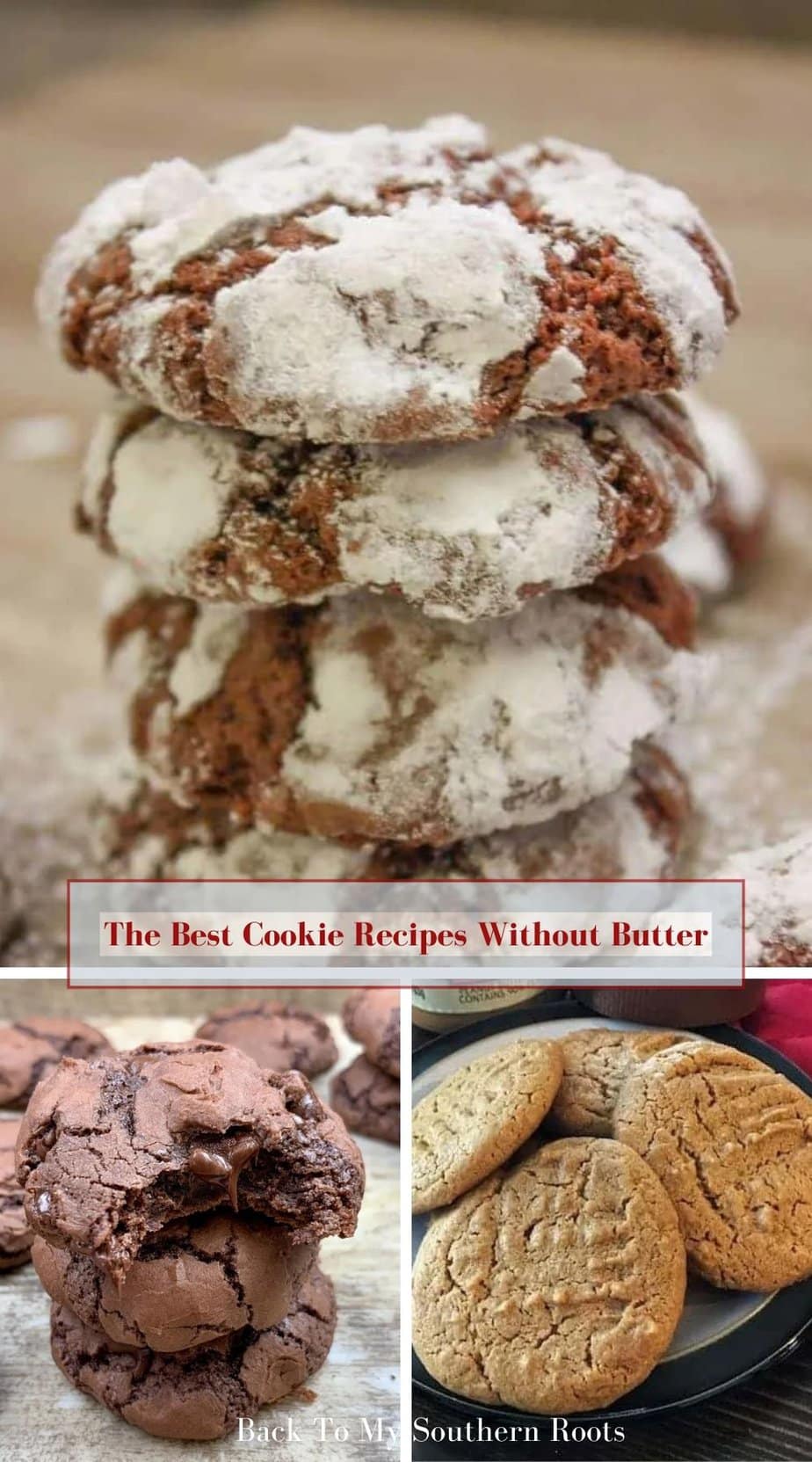
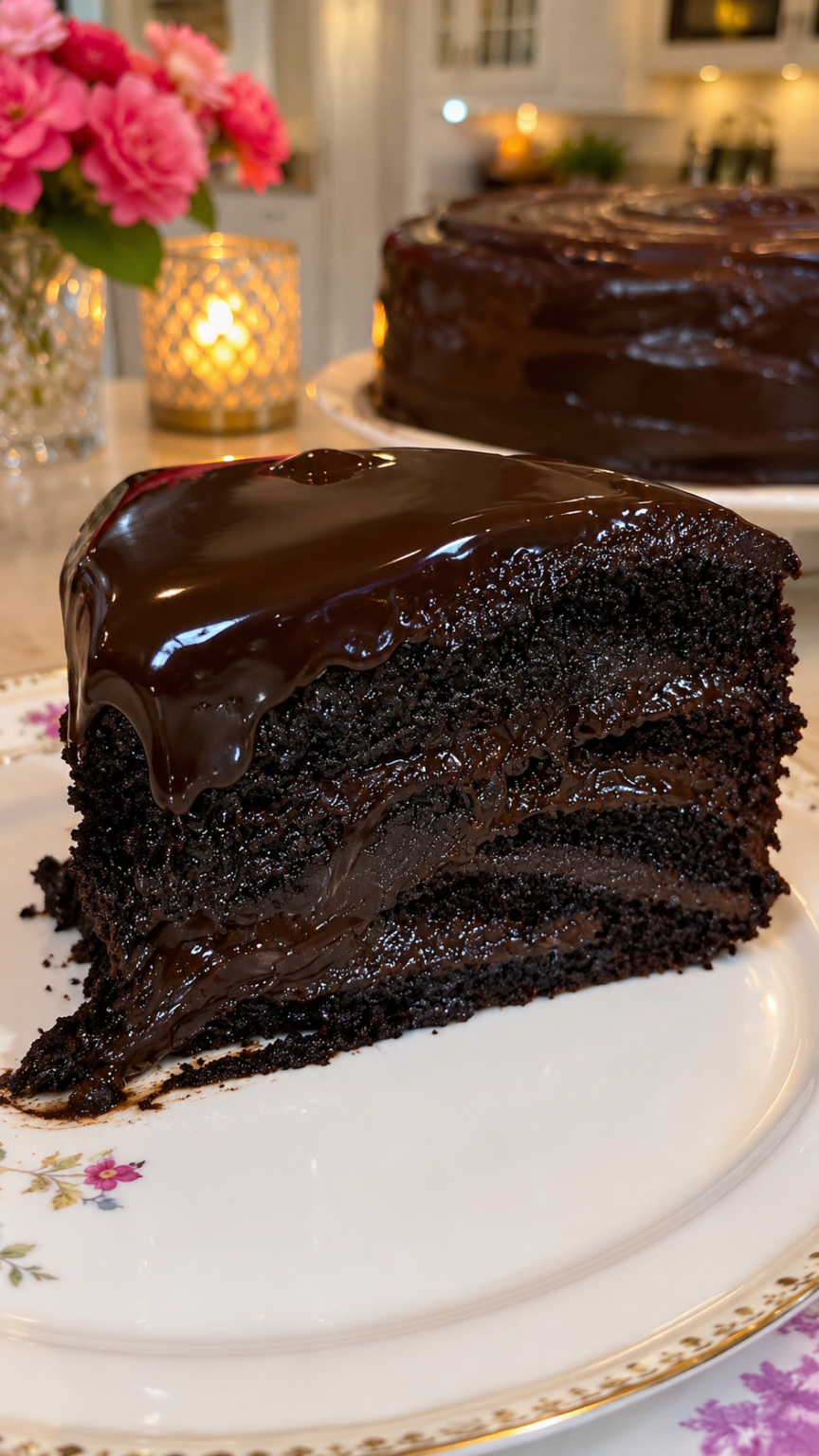
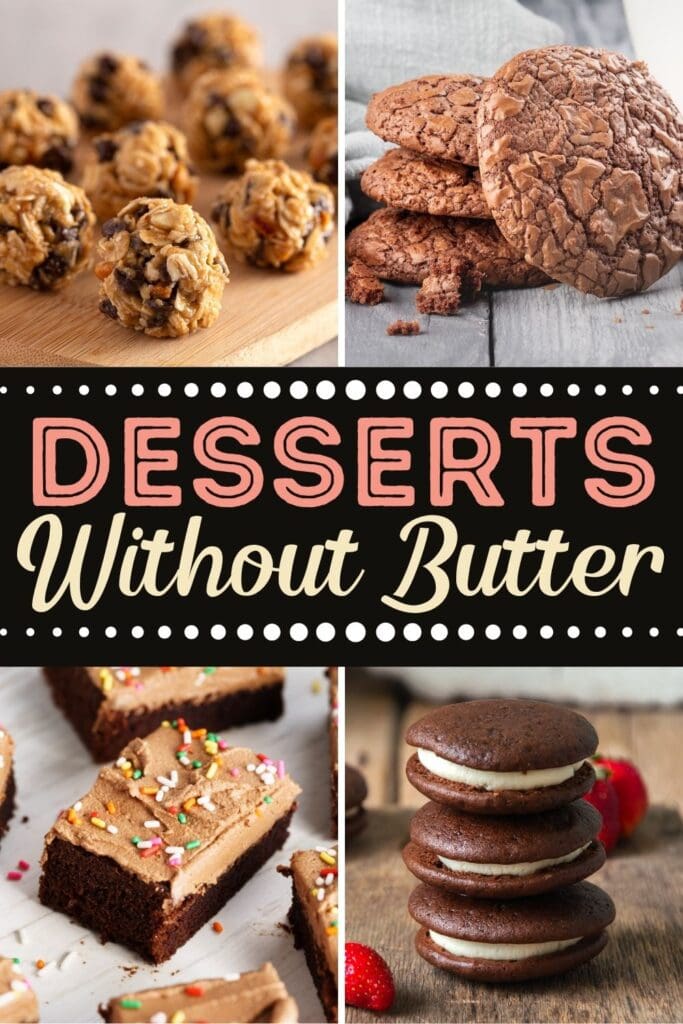
Recipes baking without butter successfully rely on alternative fats and moisture-rich emulsions to achieve identical crumb structure, tenderness, and rich flavor profiles in traditional baked goods. According to the Culinary Institute of America (CIA), replacing solid dairy fats in pastry formulation requires precise hydration ratios and fat-to-liquid adjustments to maintain expected structural integrity. Master bakers often substitute neutral oils, Greek yogurt, or fruit purees to eliminate dairy content without sacrificing mouthfeel. Traditional home kitchens frequently adopt these fat substitutions for dietary modifications, pantry conservation, or health-conscious adjustments. Exploring these baking techniques expands culinary versatility while honoring time-tested baking chemistry across everyday loaves, cakes, and pastry crusts.
Cottage Project & Prep Snapshot:
- Core Focus: Executing delicious baked goods using alternative fats and moisture-rich substitutes.
- Materials & Scope: Plant oils, nut butters, applesauce, Greek yogurt, and standard kitchen dry goods.
- Key Recommendation: Match oil viscosities precisely to recipe hydration needs to prevent heavy or dense textures.
Core Principles and Detailed Overview
Butter replacement mandates an understanding of fat content percentages, water ratios, and chemical leavening reactions to ensure reliable results. Liquid vegetable oils, coconut oil, and rendered animal fats contain different water volumes compared to standard dairy blocks, which generally consist of roughly 80 percent fat and 18 percent water. Compensating for this variance requires slight adjustments to added liquids or flour volume. For further inspiration on traditional homestead methods, visit Recipes & Baking for curated collection guides. Emulsifiers like egg yolks or lecithin bridge the gap when fat sources lack natural binding proteins, maintaining crumb stability and crust browning during oven spring.
Key Specifications and Breakdown
| Substitute Fat | Optimal Substitution Ratio | Best Culinary Application |
|---|---|---|
| Neutral Vegetable Oil | 3/4 cup oil per 1 cup butter | Muffins, quick breads, and chiffon cakes |
| Greek Yogurt / Sour Cream | 1:1 ratio by volume | Dense pound cakes, biscuits, and scones |
| Unsweetened Applesauce | 1:1 ratio (up to half of fat) | Moist spice cakes, brownies, and oat bars |
Standard fat-to-oil volume conversion ratios must account for the missing water content inherent in solid dairy butter — Culinary Institute of America (CIA)
Step-by-Step Practical Application and Guidelines
Successful execution of dairy-free baking begins with measuring liquid fats accurately and blending them thoroughly with sugars to aerate batters properly. Creaming solid butter incorporates air pockets that leaven cakes, so liquid substitutes require whipping eggs vigorously with sugar first to build structural volume. For decorative styling and presentation tips once the oven work concludes, consult resources at DIY & Cottage Decor to complement the kitchen setup. Fold dry ingredients gently into the wet emulsion to prevent gluten over-development, ensuring a tender, melt-in-the-mouth crumb across every batch.
Common Challenges and How to Avoid Them
Common pitfalls in butter-free baking include overly dense textures, greasy crumb structures, and lack of characteristic rich flavor depth. Using 100 percent fruit puree replacements often yields rubbery results if moisture levels exceed flour absorption capacities; cap purées at half the total fat requirement. For paper crafting projects or recipe card design inspiration to organize these adjustments, browse Printables & Paper Crafts. Additionally, compensate for the absence of dairy solids by incorporating a pinch of sea salt or a splash of vanilla extract to elevate overall taste profiles.
💬 Frequently Asked Questions
Explore More Guides on The Cottage Chronicles
Mastering traditional homemaking arts enriches everyday life through wholesome scratch cooking, mindful crafting, and timeless interior design. Discover continuous inspiration across seasonal homesteading projects, heritage recipes, and handmade decor by exploring the complete library available at The Cottage Chronicles. Cultivate a warm, functional, and beautiful home environment through reliable methods passed down through generations.
Recipe Step Photos & Variations