Introduction
Transforming convenience pantry staples into deeply caramelized, gourmet-quality comfort food requires upgrading store-bought legumes with aromatic alliums, cured pork, and molasses-rich simmering sauces. According to the Culinary Institute of America (CIA), foundational baking techniques rely on balancing acidity, sodium, and slow-heat reduction to build complex flavor profiles in rustic homestyle dishes. This culinary approach bridges the gap between quick weekday meal preparation and traditional hearth-cooked flavor, making it a staple across homestead kitchens. Enthusiasts seeking complementary homestead culinary projects often explore traditional Recipes & Baking guides for inspiration.
Cottage Project & Prep Snapshot:
- Core Focus: Elevating canned navy beans into rich, slow-baked homestyle casserole dishes.
- Materials & Scope: Canned beans, bacon or salt pork, brown sugar, molasses, dry mustard, and yellow onion.
- Key Recommendation: Rinse canned beans thoroughly to remove the metallic canning liquid before combining with the braising sauce.
Core Principles and Detailed Overview
Recipe baked beans using canned beans achieves a traditional, long-simmered texture by reducing a rich mixture of molasses, brown sugar, apple cider vinegar, and mustard powder over moderate oven heat. Direct flavor absorption happens best when the canning liquid is discarded and replaced with a savory broth or water base combined with rendered salt pork fat. Slow evaporation in a heavy-bottomed Dutch oven concentrates the sugars and thickens the sauce naturally without requiring artificial thickeners. Home cooks frequently pair these hearty stovetop-to-oven casseroles with handcrafted table settings styled using inspiration from DIY & Cottage Decor features.
Key Specifications and Breakdown
| Component / Step | Recommended Specification | Quality & Practical Tip |
|---|---|---|
| Bean Selection | Navy or Great Northern beans (two 15-ounce cans) | Rinse and drain thoroughly to remove excess sodium and metallic canning brine flavors. |
| Braising Liquid | 1/4 cup dark molasses, 1/3 cup brown sugar, 1 tsp dry mustard | Whisk sugars and mustard into 1 cup of hot beef or vegetable broth until fully dissolved. |
| Cured Fat & Aromatics | 4 oz thick-cut bacon, 1 diced yellow onion | Render bacon in a cast-iron Dutch oven before adding onions to build an aromatic flavor base. |
Proper heat regulation and slow evaporation are essential for caramelizing natural sugars without scorching the starches — Culinary Institute of America (CIA). Related guide: Recipes Baking Easy.
Step-by-Step Practical Application and Guidelines
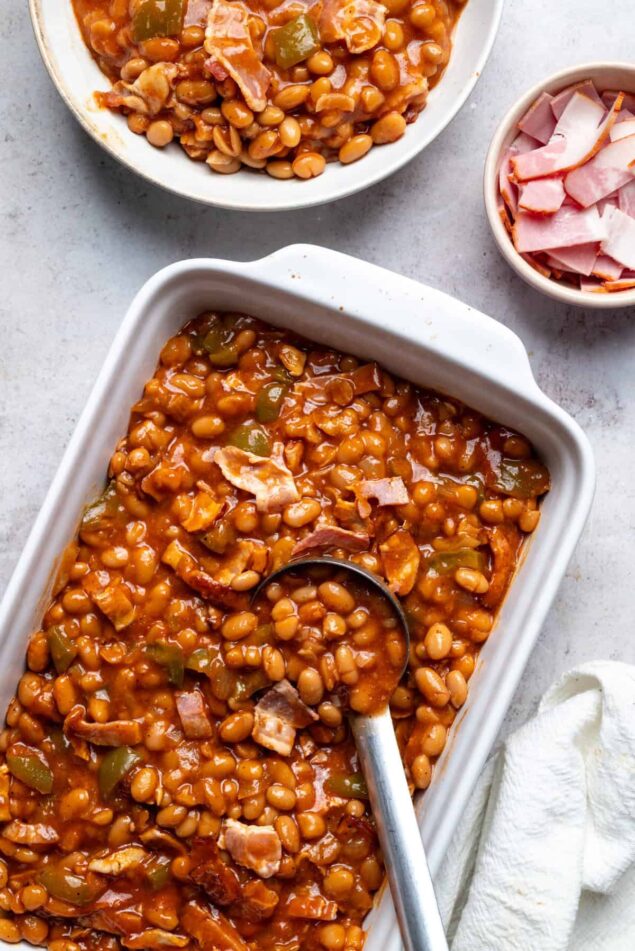
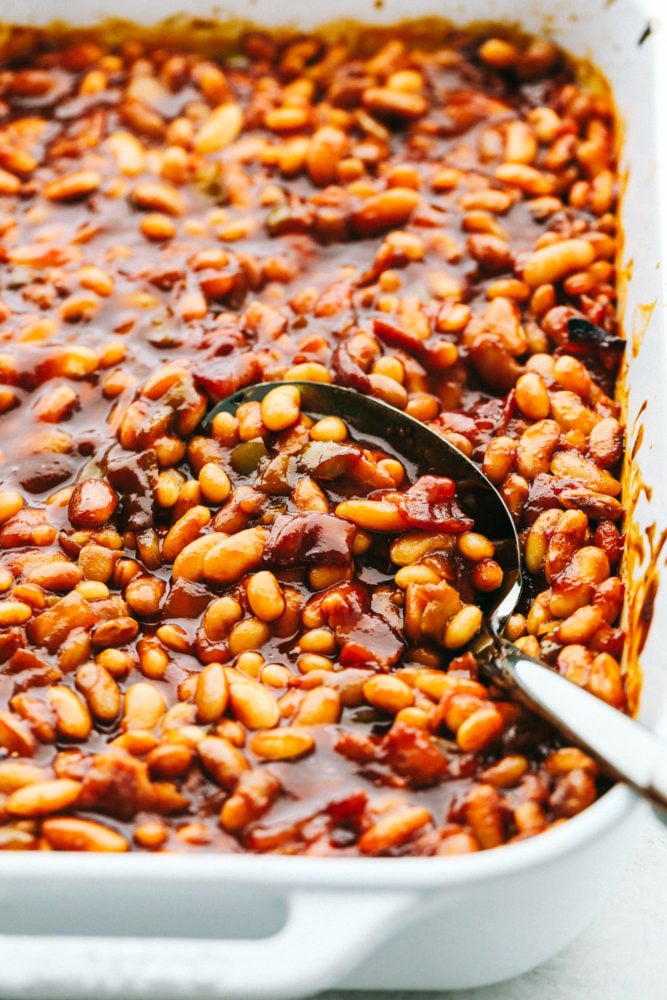
Executing recipe baked beans using canned beans begins by preheating the conventional oven to 325 degrees Fahrenheit to ensure gentle, even heat penetration. Render the diced bacon and minced onions directly inside an oven-safe cast-iron Dutch oven until the onions turn translucent and soft. Stir the drained canned beans, brown sugar, molasses, dry mustard, apple cider vinegar, and broth into the aromatics, ensuring the liquid level sits just below the surface of the legumes. Cover the vessel with a tight-fitting lid and bake undisturbed for 90 minutes. Remove the lid for the final 30 minutes of baking time to allow excess moisture to evaporate and a rich, sticky glaze to form across the top.
Common Challenges and How to Avoid Them
Preventing watery sauce or scorched bean skins requires managing oven temperature and monitoring liquid reduction during the final stages of baking. If the sauce remains too thin after ninety minutes of covered baking, remove the lid entirely and extend the oven time in fifteen-minute increments until the desired consistency is achieved. Avoid using excessive high heat, which causes the molasses and sugar to burn before the interior of the legumes absorbs the seasoning. Using low-sodium canned varieties provides precise control over the final salt balance, preventing the dish from becoming overly salty as the braising liquid concentrates.
💬 Frequently Asked Questions
Explore More Guides on The Cottage Chronicles
Discover additional homesteading inspiration, seasonal baking projects, and traditional kitchen tips by browsing the complete archive available at The Cottage Chronicles. Creative educators and household organizers can also find valuable resources within the curated Printables & Paper Crafts collection.
Recipe Step Photos & Variations