Introduction
DIY cottage design encompasses the intentional creation of warm, rustic, and highly functional home interiors using accessible materials, natural textures, and traditional craftsmanship. According to the American Society of Interior Designers (ASID), successful residential styling prioritizes human wellness, sustainable material selection, and authentic architectural elements that foster a deep connection to the natural environment. Implementing this design aesthetic requires careful spatial planning, a reliance on honest materials like raw timber and breathable linens, and an unwavering commitment to timeless hand-crafted details. Homeowners, educators, and makers frequently turn to resources such as DIY & Cottage Decor to master affordable styling methods that transform ordinary spaces into cozy, character-rich retreats. Furthermore, integrating complementary creative outlets found within Printables & Paper Crafts enhances seasonal displays, while mastering techniques featured in Recipes & Baking completes the authentic sensory experience of traditional cottage living.
Cottage Project & Prep Snapshot:
- Core Focus: Practical implementation of diy cottage design through authentic materials and vintage-inspired styling.
- Materials & Scope: Salvaged wood, chalk-based paints, natural cotton, linen, and hand-forged hardware.
- Key Recommendation: Prioritize natural light and patina-heavy finishes over pristine, modern manufactured goods.
Core Principles and Detailed Overview
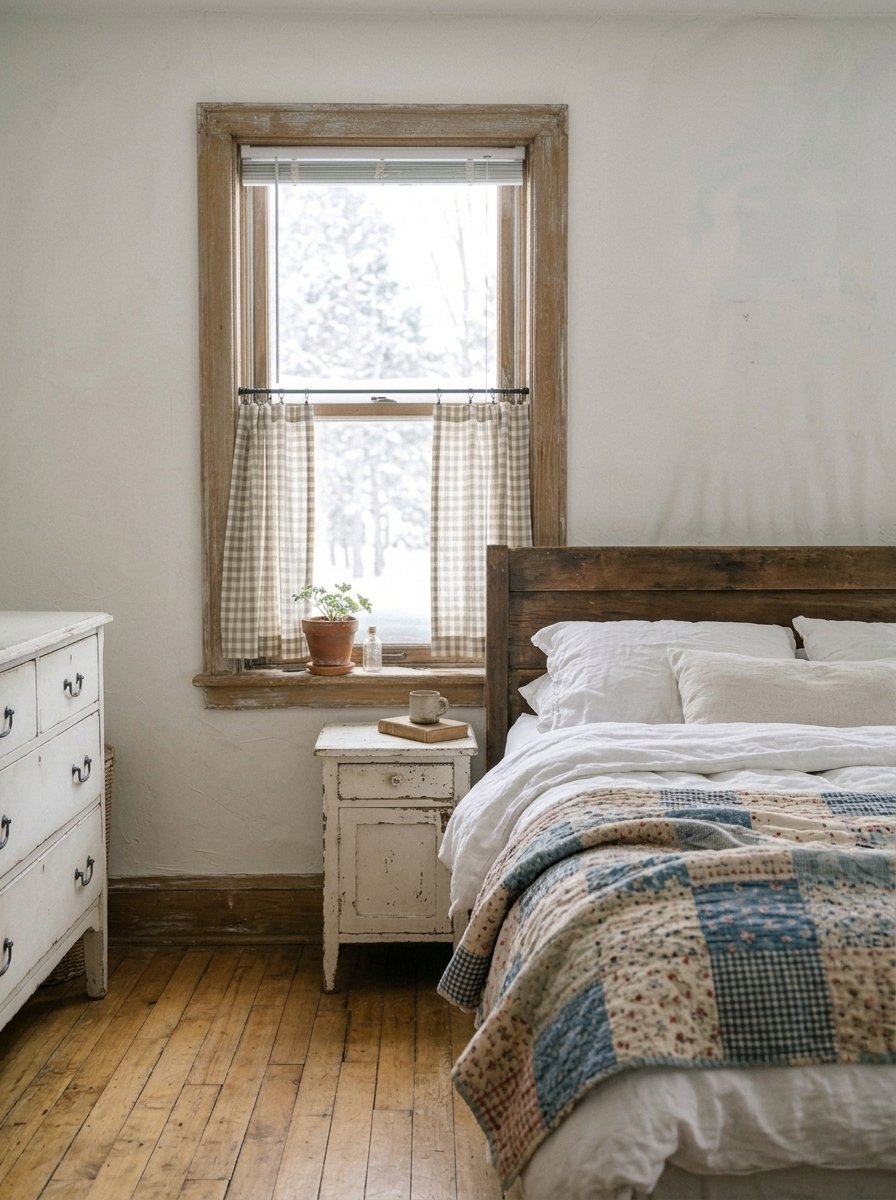
Authentic interior styling relies on layering tactile textures, embracing architectural imperfections, and selecting a historically grounded color palette that mimics rural landscapes. Direct implementation of diy cottage design begins with stripping away heavy synthetic elements and revealing structural bones, such as exposed ceiling beams, wide-plank flooring, and lime-washed masonry walls. Color selections must reflect nature, favoring muted sages, warm ivories, dusty indigos, and rich earth tones that absorb light softly. Furniture arrangements should prioritize comfort and conversation, incorporating slipcovered seating, vintage pine sideboards, and hand-built open shelving that displays everyday utilitarian objects as decor. Maintaining visual balance requires pairing heavy, dark wood case pieces with airy, lightweight window treatments like unbleached gauze or vintage lace. Every decorative choice must serve a dual purpose of aesthetic charm and functional utility, staying true to historical homesteading traditions.
Key Specifications and Breakdown
| Component / Step | Recommended Specification | Quality & Practical Tip |
|---|---|---|
| Wall Finishes | Lime-wash, matte chalk paint, or beadboard paneling | Apply subtle distressing around high-contact edges to emulate natural historical aging. |
| Textiles & Soft Goods | 100% linen, heavy cotton duck, and wool blankets | Pre-wash natural fibers before sewing or upholstering to prevent unexpected post-installation shrinkage. |
| Hardware & Fixtures | Unlacquered brass, cast iron, or oil-rubbed bronze | Select living finishes that develop an authentic dark patina over time through daily tactile handling. |
Biophilic Interior Standards: Integrating raw organic textures, natural daylight, and sustainable wood elements directly reduces indoor stress levels and improves overall residential wellbeing — American Society of Interior Designers (ASID). For more related activities, check out our Diy Cabin Decor.
Visual Reference Gallery

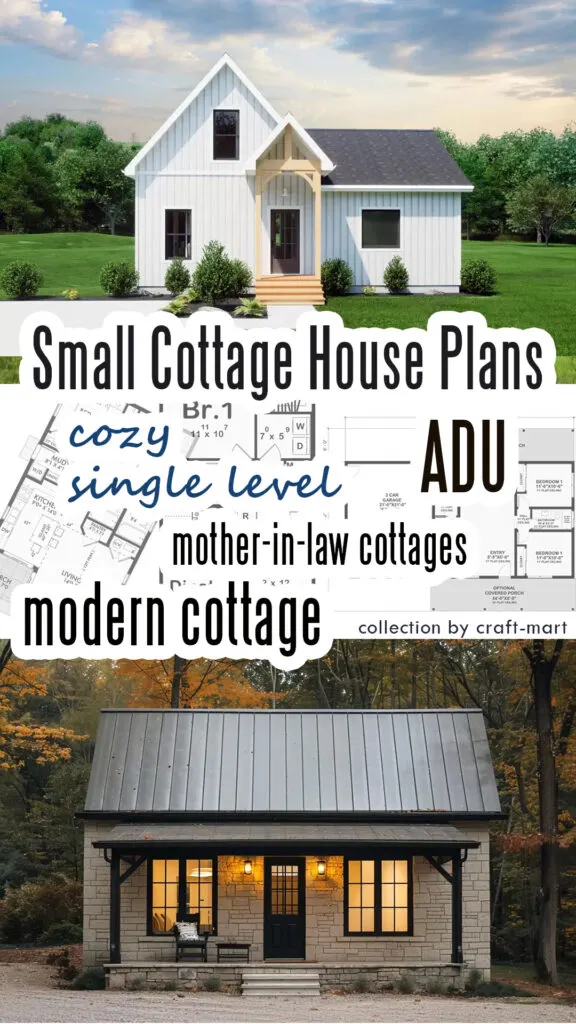


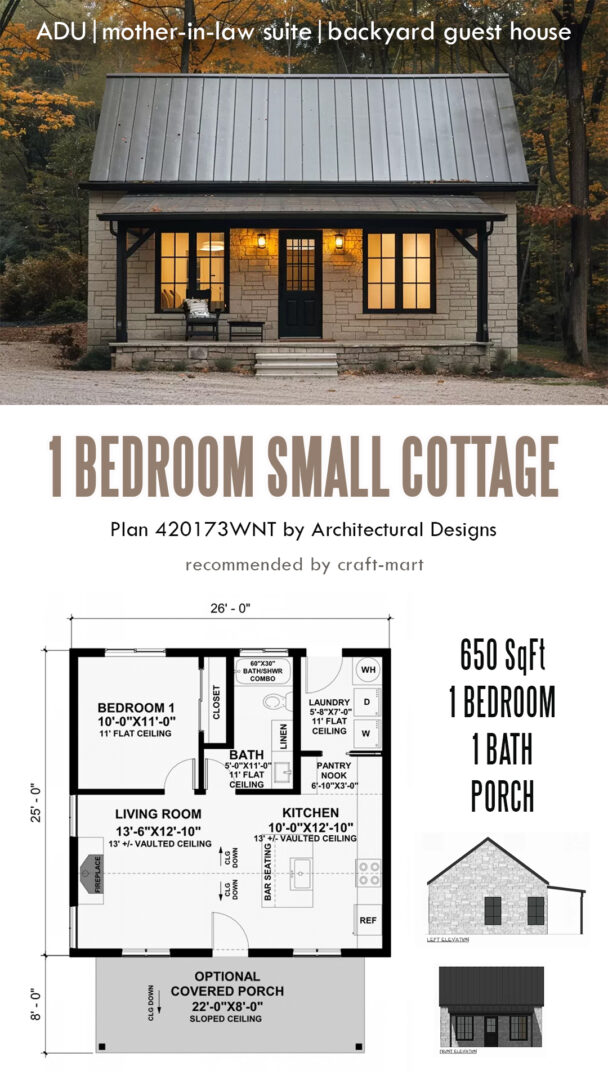
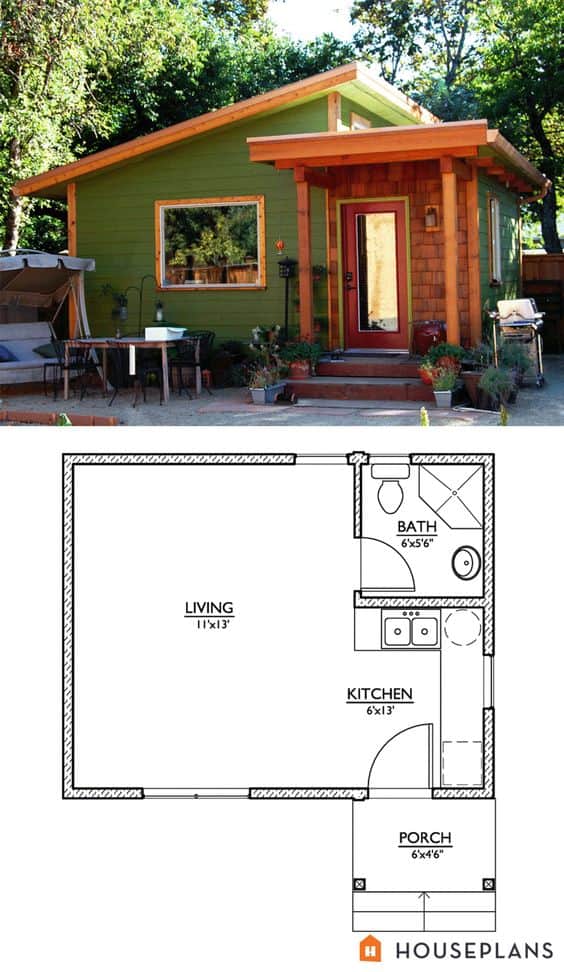

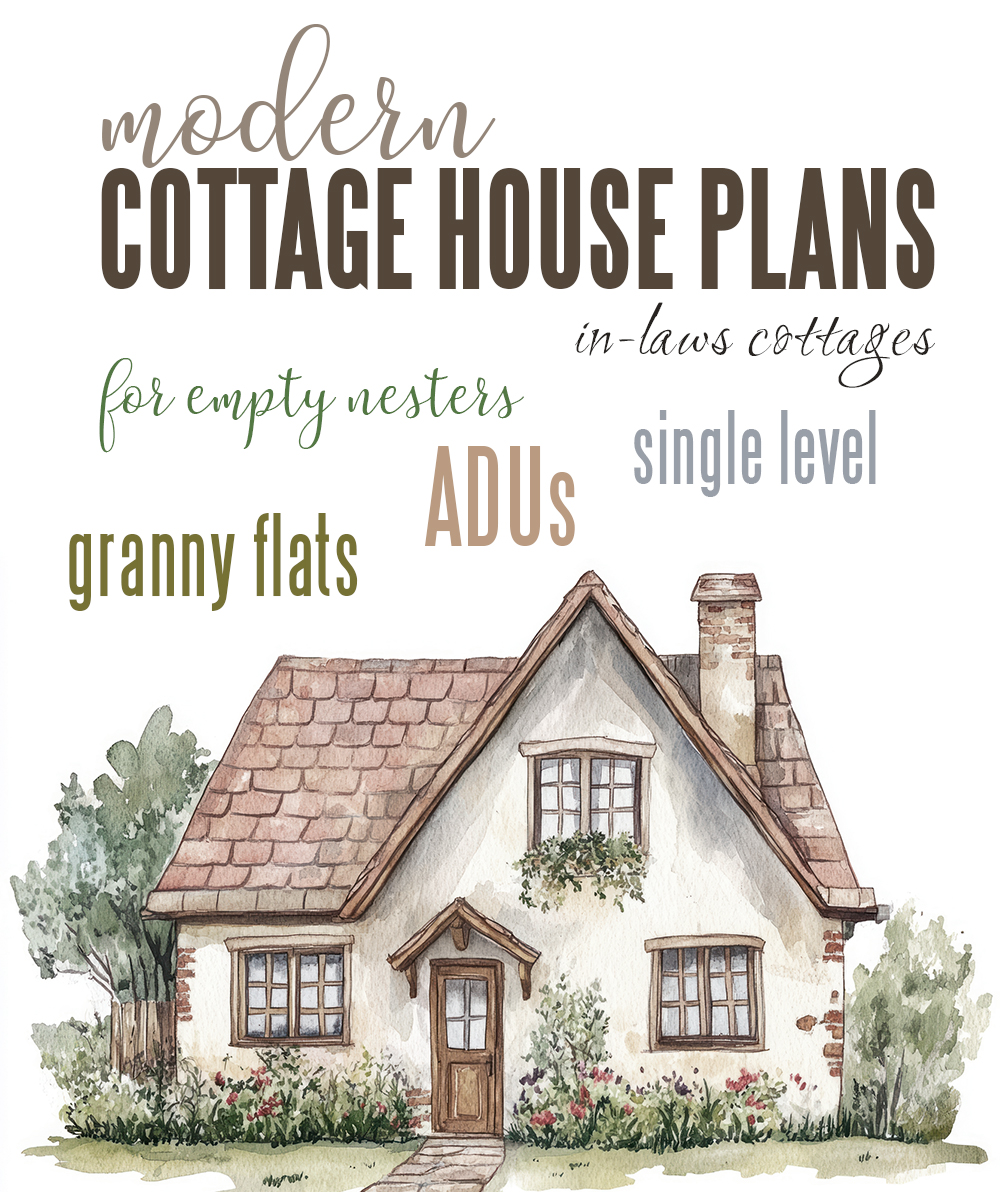

Step-by-Step Practical Application and Guidelines
Executing a room transformation safely and affordably demands a systematic workflow that respects architectural integrity and budget constraints. Begin the process by decluttering the space entirely and assessing natural lighting angles throughout different times of the day to determine optimal furniture placement. Next, prepare all surfaces meticulously by patching plaster, sanding down rough trim, and applying breathable, low-VOC primer before executing paint or wallpaper installations. When building custom shelving or updating furniture pieces, utilize pocket-hole joinery and durable hardwoods like oak or maple to guarantee long-term structural stability under heavy everyday loads. Finally, style surfaces in asymmetrical groupings, combining vintage ceramic vessels, forged iron candle holders, and freshly harvested botanicals to establish an effortless, lived-in aesthetic.
Common Challenges and How to Avoid Them
Over-decorating with excessive knick-knacks and failing to maintain visual breathing room represent the most frequent pitfalls encountered during home styling projects. Maintaining spatial harmony requires adhering to the principle of editing, ensuring every displayed object possesses either genuine utility or deep sentimental value. Another common error involves ignoring proper wood preparation, which leads to peeling paint and unstable joints; always apply appropriate primers and allow adequate curing times between coats. Lighting mistakes also disrupt the cozy atmosphere, so avoid relying solely on harsh overhead fixtures by instead layering warm ambient table lamps, wall sconces, and task lighting. Sourcing authentic vintage items requires patience, but substituting cheaply made plastic replicas will immediately undermine the rustic authenticity of the handmade space.
Frequently Asked Questions
What defines authentic diy cottage design?
Authentic diy cottage design centers on raw natural materials, vintage furnishings, muted earth