Introduction
Achieving an authentic aesthetic through diy cottage initiatives requires blending tactile natural textures, functional vintage styling, and durable craftsmanship into everyday living spaces. According to the American Society of Interior Designers (ASID), prioritizing sustainable materials and handcrafted finishes significantly enhances both residential well-being and interior longevity. Homeowners and creative makers increasingly turn to traditional techniques to build rustic charm without excessive expense, ensuring every room reflects genuine heritage character. Exploring foundational DIY & Cottage Decor strategies provides the ideal framework for sustainable home improvement.
Cottage Project & Prep Snapshot:
- Core Focus: Sustainable diy cottage interior styling and budget-friendly room transformations.
- Materials & Scope: Reclaimed timber, chalk paints, natural linen, and hand tools.
- Key Recommendation: Always prioritize structural integrity and surface preparation before applying decorative finishes.
Core Principles and Detailed Overview
Mastering diy cottage aesthetics relies on balancing weathered patinas with clean, intentional spatial arrangements. Natural light enhancement, tactile textiles like burlap and wool, and exposed architectural elements form the backbone of traditional cabin and farmhouse styling. Selecting low-VOC finishes and solid hardwoods guarantees both safety and generational durability across all living quarters. Furthermore, integrating Printables & Paper Crafts offers an accessible way to introduce delicate botanical illustrations and seasonal wall art into cozy environments.
Key Specifications and Breakdown
| Component / Step | Recommended Specification | Quality & Practical Tip |
|---|---|---|
| Wall Finishes | Matte lime wash or low-sheen chalk paint | Apply multiple thin coats to achieve an authentic, breathable old-world texture. |
| Timber Elements | Kiln-dried reclaimed pine or oak | Sand surfaces down to 180-grit to eliminate splinters while retaining grain character. |
| Textile Accents | Heavyweight linen and raw cotton | Pre-shrink fabrics before sewing to prevent distortion during laundering. |
Sustainable interior design standards mandate the use of low-emissions finishes and locally sourced timber to protect indoor air quality and preserve structural integrity — American Society of Interior Designers (ASID)
Visual Reference Gallery

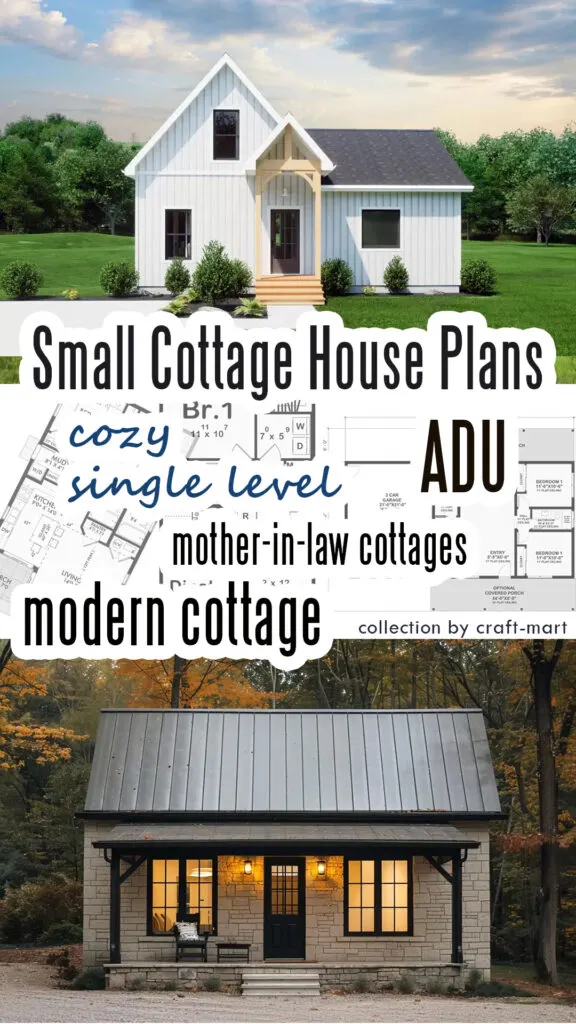




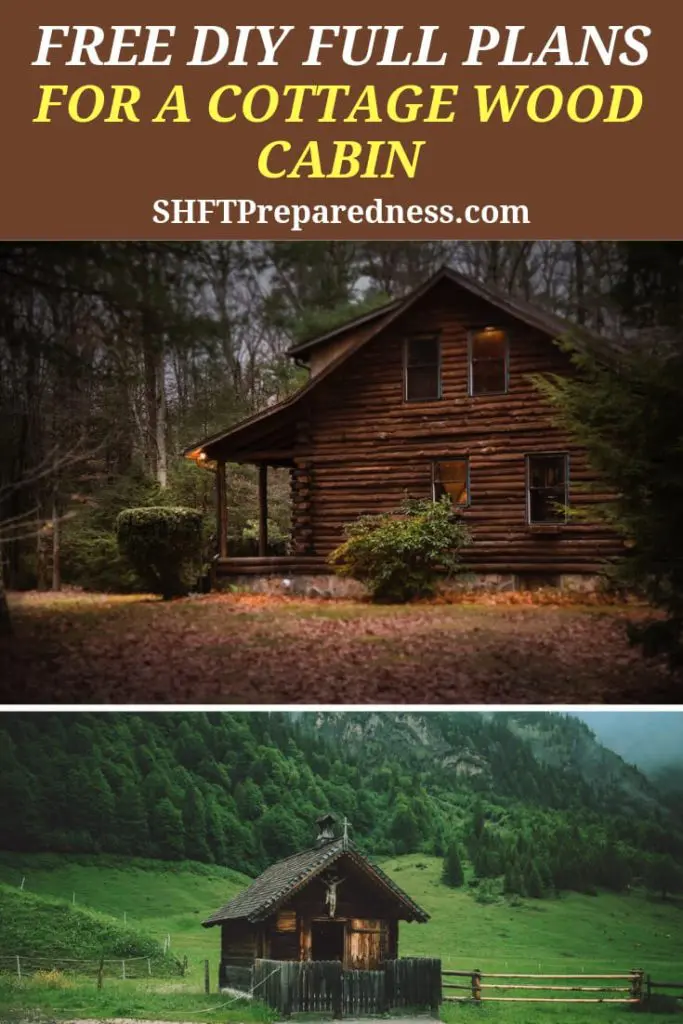
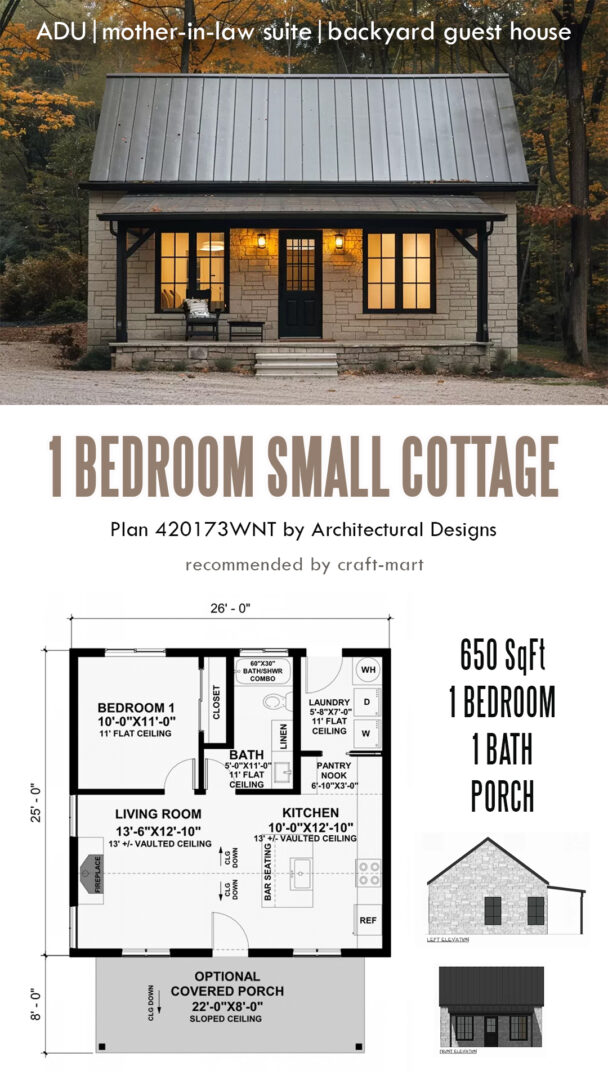
Step-by-Step Practical Application and Guidelines
Executing a successful diy cottage project begins with thorough surface prep, careful material selection, and patient application techniques. Start by auditing the target room for natural lighting angles and structural focal points, such as fireplace mantels or timber beams. Sand existing wooden furniture thoroughly to create a mechanical bond for milk paints or reactive stains, wiping away all dust with a tack cloth before sealing. When baking rustic artisan loaves to complement the home atmosphere, precise ingredient weighing and proper oven calibration ensure optimal crust development, as detailed within Recipes & Baking guides.
Common Challenges and How to Avoid Them
Common pitfalls in diy cottage crafting include over-distressing surfaces, rushing paint drying times, and ignoring proper moisture barriers in timber assemblies. Avoid artificial-looking wear patterns by studying natural weathering on antique furniture and focusing