Introduction
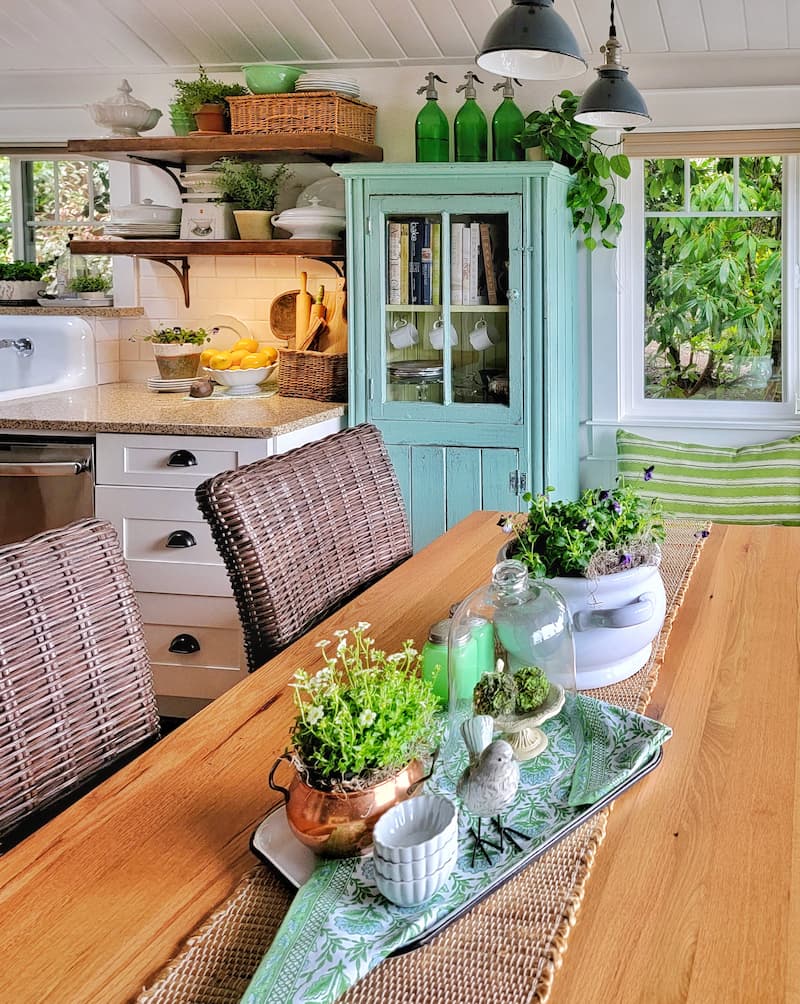
Diy cabin decor encompasses the hands-on creation and strategic arrangement of rustic, organic furnishings, textiles, and architectural accents designed to establish a warm, traditional woodland aesthetic within residential spaces. According to the American Society of Interior Designers (ASID), incorporating tactile, sustainably sourced natural materials into living environments significantly enhances psychological well-being and thermal comfort. Crafting custom home accessories allows homeowners and DIY enthusiasts to personalize living quarters economically while honoring time-tested rustic design traditions. Emphasizing raw timber, forged iron hardware, heavy woolens, and vintage earthenware creates an authentic retreat atmosphere that marries durability with timeless rural charm. For foundational inspiration on styling spaces, consult DIY & Cottage Decor for extensive project galleries. Furthermore, paper crafters can integrate seasonal botanical illustrations via resources found under Printables & Paper Crafts. Culinary enthusiasts setting the scene for gatherings can complement the rustic tablescape using heritage instructions from Recipes & Baking.
Cottage Project & Prep Snapshot:
- Core Focus: Transform interior spaces using handcrafted rustic elements and authentic natural finishes.
- Materials & Scope: Reclaimed lumber, matte-finish sealants, organic cottons, and basic woodworking hand tools.
- Key Recommendation: Always seal raw wood surfaces with a non-yellowing matte polyurethane to preserve natural grain without creating an artificial glossy sheen.
Core Principles and Detailed Overview
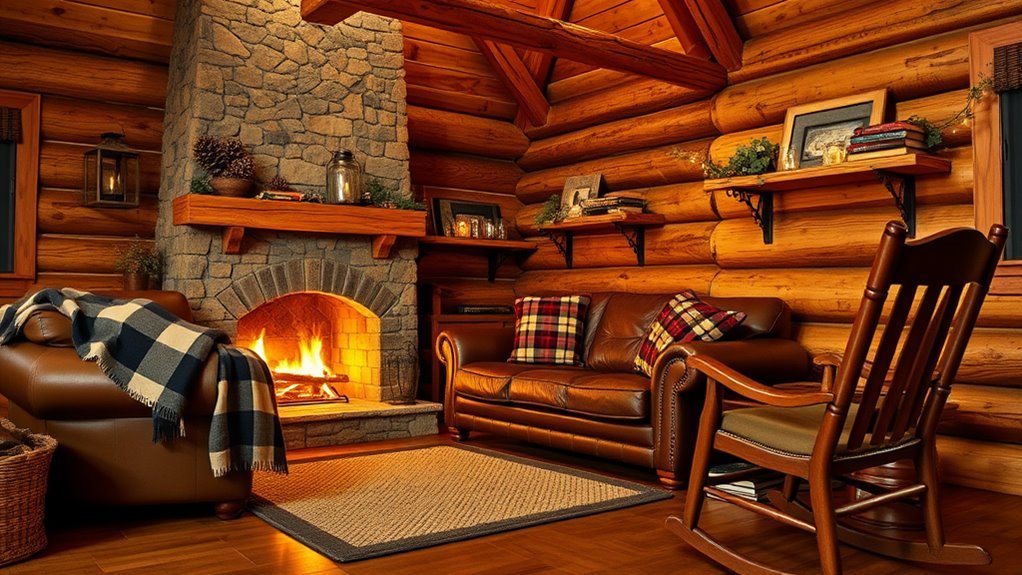
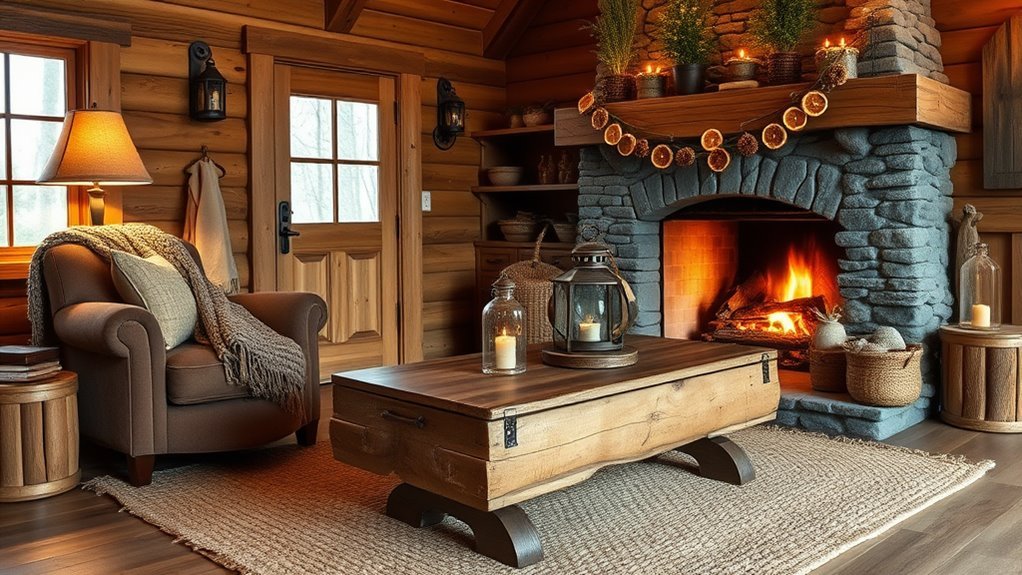
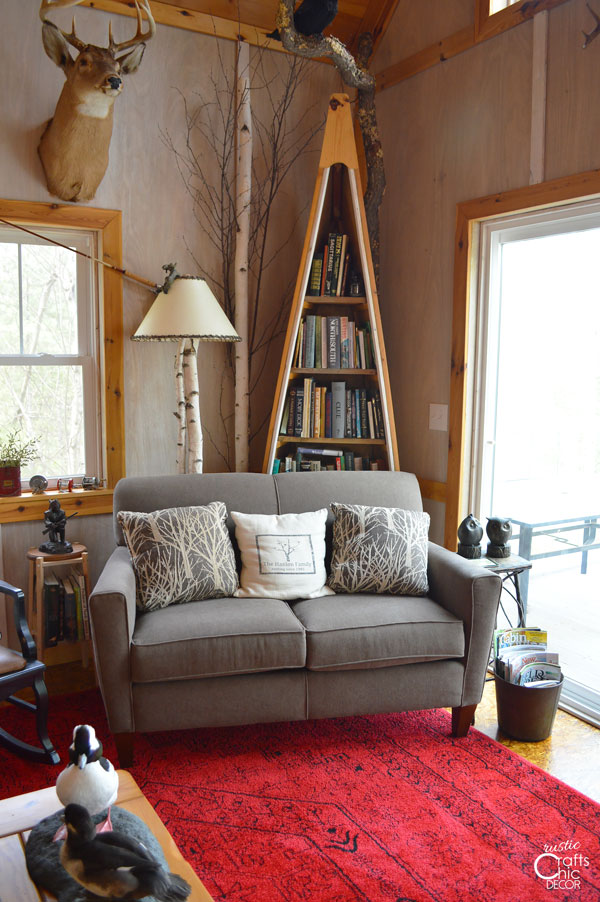
Successful diy cabin decor relies on a disciplined balance of texture, lighting, and structural honesty that mimics historic mountain architecture. Natural finishes such as linseed oil, beeswax, and low-VOC stains highlight wood grain while protecting surfaces from moisture damage in drafty rural dwellings. Layering heavy woven textiles, plaid flannel patterns, and galvanized metal accents breaks up monolithic wooden walls and adds visual depth to compact living areas. Room proportions dictate scale; substantial ceiling beams or oversized stone hearths require equally weighty furniture silhouettes, whereas smaller spaces benefit from multifunctional storage benches and pared-down peg rails. Adhering to a restrained color palette drawn directly from the surrounding landscape—pine greens, earthy terracottas, slate grays, and warm creams—ensures visual harmony throughout the home.
Key Specifications and Breakdown
| Component / Step | Recommended Specification | Quality & Practical Tip |
|---|---|---|
| Reclaimed Wood Wall Paneling | 3/4-inch thickness, kiln-dried boards | Acclimate boards indoors for 72 hours before installation to prevent warping. |
| Rustic Textile Selection | 100% heavy wool, linen, or brushed cotton | Pre-wash natural fibers in cold water to account for initial shrinkage before sewing pillow covers. |
| Hardware and Fasteners | Forged iron, oil-rubbed bronze, or black steel | Pre-drill pilot holes in hardwood to prevent splitting when mounting heavy decorative brackets. |
Biophilic Design Standards and Natural Material Integration Guidelines — American Society of Interior Designers (ASID)
Step-by-Step Practical Application and Guidelines
Implementing diy cabin decor begins with preparing a comprehensive room layout that identifies focal points such as a wood-burning stove, stone fireplace, or large picture window overlooking a wooded landscape. Surface preparation requires thorough sanding of raw or reclaimed wood down to 120-grit smoothness, followed by the application of a penetrating oil finish to enrich natural tones without forming a plastic surface film. Textile accents should be layered intentionally, combining coarse burlap runners with soft wool throws and handmade quilted pillow shams to introduce tactile contrast. Wall treatments, including board-and-batten wainscoting or floating cedar shelves, must be anchored securely into wall studs using heavy-duty structural screws to safely support heavy cast-iron cookware and ceramic displays. Finally, warm lighting sources—ranging from amber Edison filament bulbs to hand-poured beeswax pillar candles—must be integrated to soften shadows and accentuate the rich textures of the handmade decor. For more related activities, check out our Diy Farmhouse Bathroom Decor.
Common Challenges and How to Avoid Them
Over-accessorizing with too many competing rustic trinkets remains a frequent pitfall that turns a cozy cabin interior into a cluttered space. Selecting a few high-impact statement pieces, such as a large handcrafted driftwood mirror or an authentic timber mantel, prevents visual overload while honoring minimalist rustic principles. Failing to properly seal porous natural materials like raw pine or unglazed terracotta often leads to permanent staining from moisture and daily use. Applying protective sealants, food-safe mineral oils, or clear matte varnishes guarantees long-term durability without sacrificing the desired rustic aesthetic. Additionally, ignoring seasonal humidity shifts can cause wooden furniture joints to contract or expand; mitigating this requires utilizing proper joinery techniques and allowing adequate expansion gaps during any custom cabinetry or shelving installations.
💬 Frequently Asked Questions
Explore More Guides on The Cottage Chronicles
Discover a wealth of traditional homesteading inspiration, seasonal craft tutorials, and heritage living guides by visiting The Cottage Chronicles to enrich every corner of the home.
Visual Reference Gallery