Introduction
How to make diy decor involves transforming raw, budget-friendly natural materials into structured home ornamentation through intentional craftsmanship and restrained spatial design. According to the American Society of Interior Designers (ASID), integrating sustainable elements and personalized handmade objects significantly enhances residential well-being and interior longevity. Crafting authentic cottage-style ornaments requires careful attention to natural textures, proper room proportions, and durable finishing techniques. Homeowners, parents, and educators frequently turn to handmade projects to cultivate inviting, grounded living environments without relying on mass-produced commercial goods. Exploring proven interior styling strategies and foundational crafting workflows allows decorators to elevate ordinary spaces using accessible timber, textiles, and botanical accents. Additional inspiration for bespoke styling projects is readily available within the curated archives found at DIY & Cottage Decor.
Cottage Project & Prep Snapshot:
- Core Focus: Master how to make diy decor by utilizing natural textures, balanced spatial proportions, and durable manual techniques.
- Materials & Scope: Salvaged lumber, untreated cotton textiles, foraging botanicals, and standard woodworking or sewing tools.
- Key Recommendation: Prioritize neutral color palettes and tactile variety to achieve an enduring, cohesive rustic aesthetic.
Core Principles and Detailed Overview
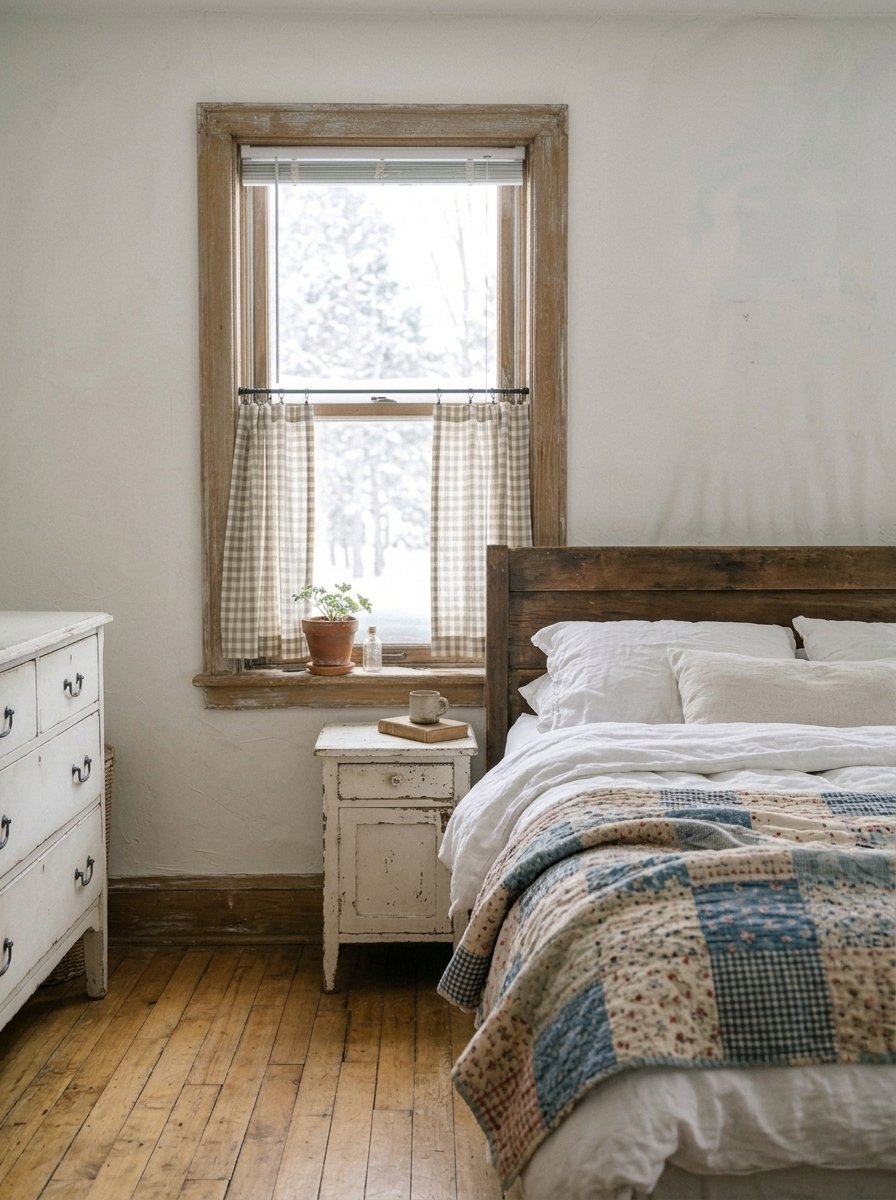
How to make diy decor successfully relies on establishing visual balance through the deliberate pairing of heavy natural grains and soft woven fabrics. Designing cohesive cottage interiors mandates an understanding of focal points, vertical alignment, and scale to prevent overcrowding within modest room dimensions. Artisans achieve professional results by selecting raw timber, linen, ceramics, and iron hardware that weather gracefully over time. Sourcing materials locally reduces project overhead while injecting authentic regional character into every handmade wreath, shelf, or textile hanging. Proper surface preparation, including thorough sanding and safe non-toxic sealing, guarantees that each handmade piece withstands daily household traffic. Further technical paper-crafting and printable templates supporting these physical styling elements are cataloged securely under Printables & Paper Crafts.
Key Specifications and Breakdown
| Component / Step | Recommended Specification | Quality & Practical Tip |
|---|---|---|
| Base Timber Selection | Kiln-dried pine or reclaimed oak (min. 3/4-inch thickness) | Inspect for warping and sand surfaces progressively from 80 to 220 grit. |
| Textile and Linens | 100% heavy-weight unbleached linen or raw cotton canvas | Pre-shrink fabric via hot water washing before executing any cuts or hems. |
| Finishing & Sealing | Low-VOC matte water-based polyurethane or pure beeswax | Apply two thin coats, buffing gently between layers to eliminate sheen. |
Intentional placement of organic textures reduces visual clutter and promotes restorative residential environments — American Society of Interior Designers (ASID)
Step-by-Step Practical Application and Guidelines
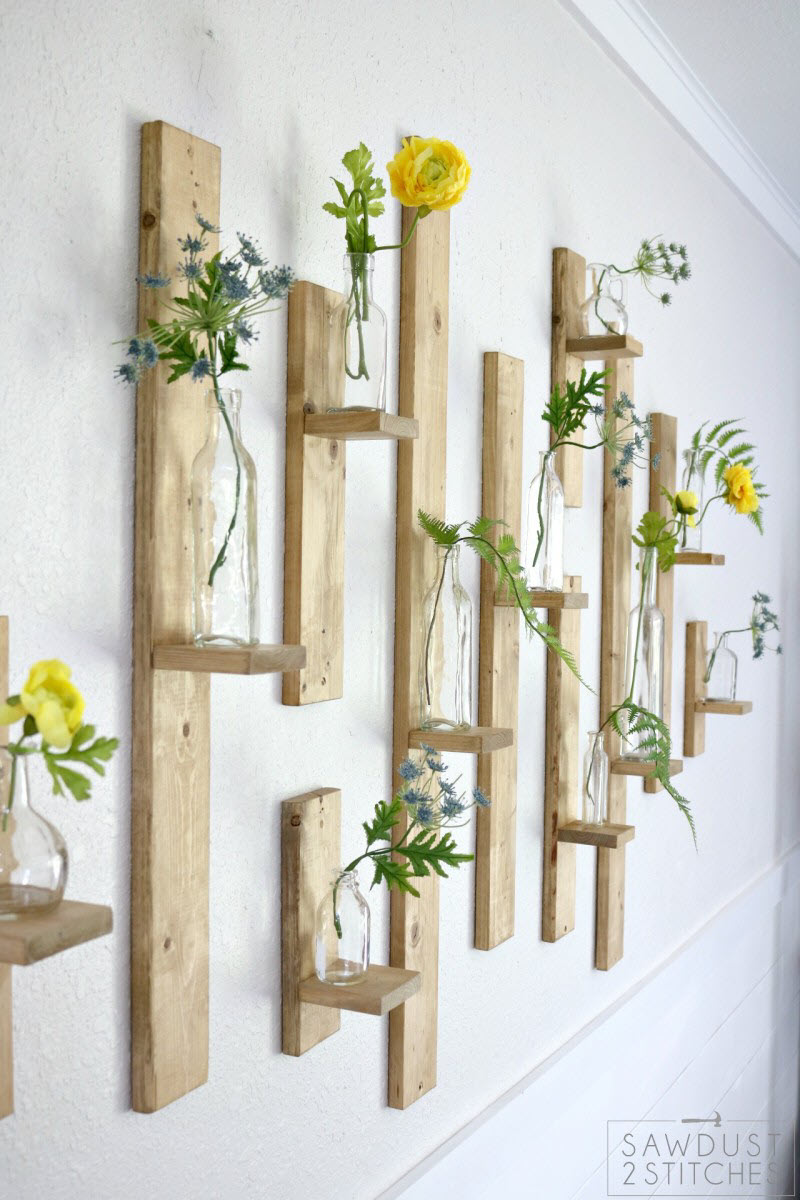
How to make diy decor follows a systematic workflow spanning initial concept sketching, material gathering, precise assembly, and final protective sealing. Measuring wall spaces and evaluating existing furniture scales prevents proportion errors before cutting lumber or stitching fabrics. Crafters must secure all heavy wall-mounted items directly into studs using appropriate masonry or drywall anchors to maintain absolute structural safety. Integrating seasonal botanicals, such as dried lavender bunches or pressed eucalyptus fronds, adds immediate organic warmth to newly constructed wooden frames and display shelves. Regular maintenance, including gentle dusting with microfiber cloths and periodic wax reapplication, preserves the pristine integrity of handmade wooden and fabric decorations for years.
Common Challenges and How to Avoid Them
How to make diy decor often presents hurdles such as wood splitting, fabric fraying, and over-accessorizing neutral living spaces. Prevent timber cracking by pre-drilling pilot holes for all screws and allowing freshly cut lumber to acclimate to indoor humidity levels. Mitigate fabric unraveling along raw seams by applying liquid fray-check or utilizing tightly spaced zigzag stitches on standard sewing machines. Home decorators successfully avoid a cluttered aesthetic by adhering to the rule of odd numbers when grouping handmade items on mantels, tables, and walls. Thoughtfully pairing these tactile styling projects with comforting home-cooked treats from Recipes & Baking rounds out the complete rustic homesteading experience.
💬 Frequently Asked Questions
Explore More Guides on The Cottage Chronicles
Mastering artisanal home styling opens the door to countless rewarding weekend projects designed to enrich daily family life. Exploring the extensive library hosted at The Cottage Chronicles delivers continuous inspiration spanning traditional baking, seasonal paper crafts, and timeless interior decoration.
Visual Reference Gallery