Introduction
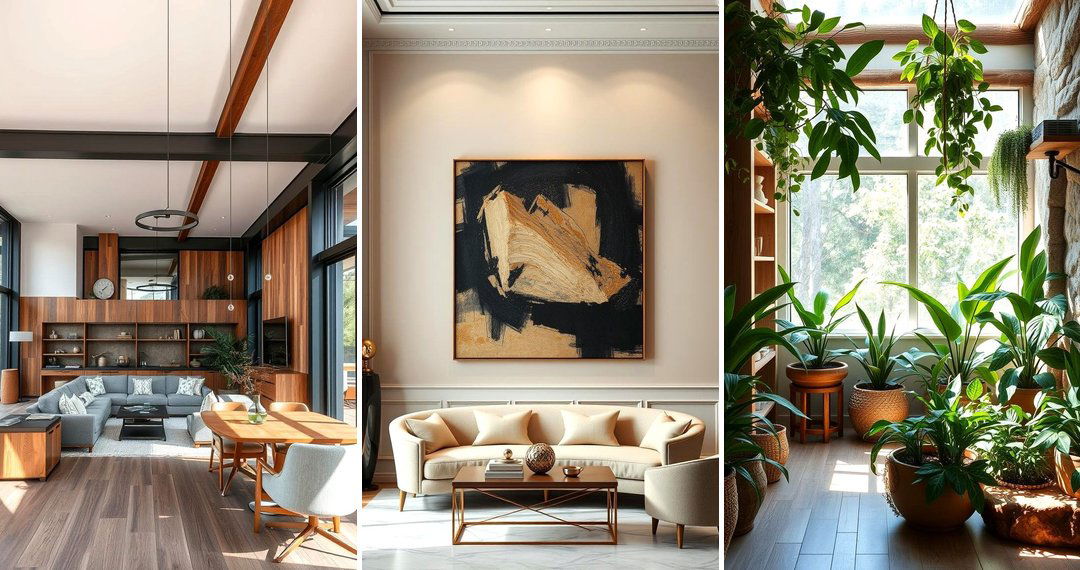
Diy design interior encompasses the intentional hands-on curation of residential living spaces using accessible materials, natural textures, and cost-effective spatial planning. According to the American Society of Interior Designers (ASID), purposeful interior spatial planning directly enhances occupant well-being and functional room utilization through thoughtful ergonomic design and tactile material selection. Embracing a handcrafted residential aesthetic requires balancing raw elements like timber, stone, and unbleached cotton with clean spatial layouts that maximize natural illumination. Homeowners pursuing creative home enhancements can explore structured inspiration through resources dedicated to DIY & Cottage Decor for authentic project methodologies. Understanding foundational scale, light reflectance values, and durable finishes ensures that self-directed home renovations maintain professional visual integrity while reflecting personal taste.
Cottage Project & Prep Snapshot:
- Core Focus: Hands-on interior styling and spatial optimization for rustic, farmhouse, and cottage-style living environments.
- Materials & Scope: Salvaged wood, non-toxic mineral paints, natural fiber textiles, and basic hand tools.
- Key Recommendation: Prioritize natural light distribution and proportional furniture placement before introducing decorative accents.
Core Principles and Detailed Overview
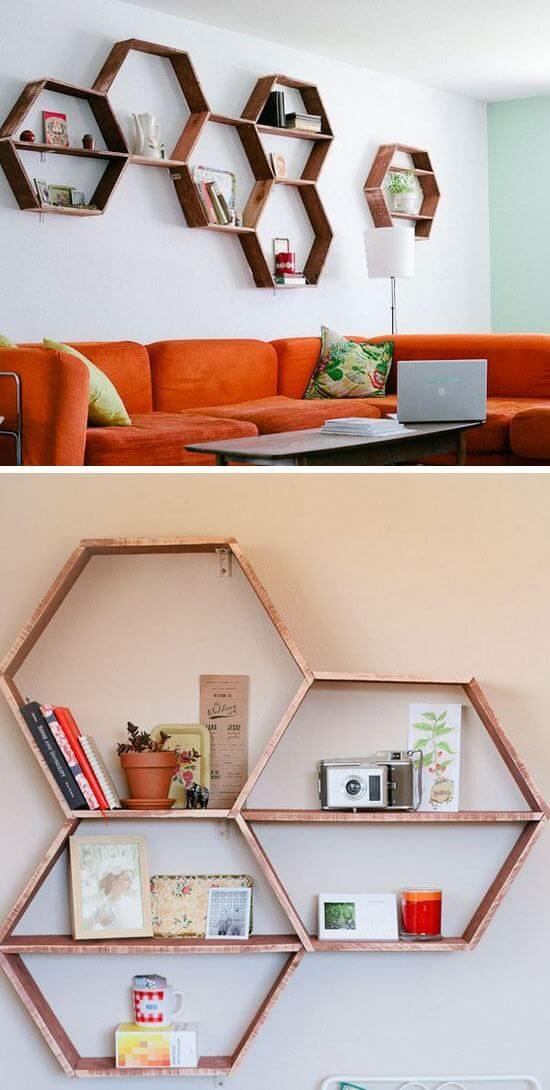
Core principles of diy design interior center on establishing architectural rhythm, balancing visual weight, and layering organic textures throughout living quarters. Successful spatial transformation relies upon assessing room dimensions, planning functional traffic flow zones, and selecting a cohesive, nature-inspired color palette that unifies adjacent rooms. Structural upgrades, such as applying beadboard paneling or building floating wooden shelves, require precise measuring, secure anchoring into wall studs, and adherence to basic carpentry standards. Furthermore, incorporating heirloom textiles, vintage ceramics, and handmade elements infuses authentic character into newly styled rooms without requiring excessive capital investment. Educational resources focused on Printables & Paper Crafts also provide useful templates for creating custom wall art and organizational labels that complement rustic interior themes.
Key Specifications and Breakdown
| Component / Step | Recommended Specification | Quality & Practical Tip |
|---|---|---|
| Color Palette Selection | 60-30-10 dominant, secondary, and accent ratio | Anchor rooms with muted earthy neutrals before adding saturated focal colors. |
| Wall Treatment Anchoring | Direct wood stud fastening or heavy-duty toggle anchors | Verify stud locations with an electronic finder to safely support heavy shelving units. |
| Textile Layering | Natural fibers including linen, wool, and heavy cotton | Mix matte and woven textures to create visual depth in minimalist or farmhouse spaces. |
Human-centric interior design significantly improves psychological restoration and lowers perceived stress levels in residential spaces — American Society of Interior Designers (ASID)
Step-by-Step Practical Application and Guidelines
Executing a successful interior redesign project begins with a comprehensive room audit to document natural lighting angles, awkward architectural features, and existing functional deficiencies. The next phase involves clearing the space entirely, allowing for an accurate assessment of flooring conditions and wall plumb before introducing new furniture layouts or paint treatments. When applying surface finishes like chalk-based paints or milk paints, sanding surfaces lightly and applying a breathable finishing wax ensures long-term durability against daily household wear. Home bakers and culinary enthusiasts balancing home design updates with kitchen productivity can also consult specialized guides found in Recipes & Baking to optimize kitchen workspace ergonomics. Finally, accessorize room surfaces deliberately by grouping decorative objects in odd numbers and varying heights to establish natural focal points.
Common Challenges and How to Avoid Them
Common pitfalls in self-directed home styling include overcrowding small footprints with oversized furnishings, ignoring lighting color temperatures, and failing to secure heavy decorative fixtures properly. To prevent visual clutter, maintain generous clearance walkways between seating groups and choose multifunctional furniture pieces that serve both storage and aesthetic purposes. When selecting light bulbs, maintain consistent Kelvin ratings across open-concept zones to avoid jarring color shifts between warm incandescent glows and sterile cool-white illumination. Ensuring that wall-mounted brackets and heavy mirrors are anchored securely prevents structural accidents and protects family members in high-traffic hallways and active family spaces.
💬 Frequently Asked Questions
Explore More Guides on The Cottage Chronicles
Expanding domestic skills and cultivating an intentional, beautiful home environment requires continuous inspiration, reliable tutorials, and practical design methodologies. Enthusiasts are encouraged to explore the complete library of curated guides, seasonal craft ideas, and traditional homesteading resources available directly at The Cottage Chronicles to support ongoing creative home projects.
Visual Reference Gallery