Introduction
Authentic interior styling transforms ordinary residential spaces into warm, functional country retreats through deliberate material selection and handcrafted elements. According to the American Society of Interior Designers (ASID), sustainable and tactile design choices significantly improve occupant psychological well-being by fostering a tangible connection to the natural environment. Incorporating natural woods, muted neutral palettes, and vintage textiles establishes an enduring aesthetic foundation that remains both practical and visually grounded. Enthusiasts seeking comprehensive inspiration can explore curated resources within DIY & Cottage Decor for expanded spatial planning strategies. Balancing rustic charm with modern utility requires careful attention to scale, finish longevity, and purposeful spatial arrangement.
Cottage Project & Prep Snapshot:
- Core Focus: Practical diy farmhouse decor ideas utilizing reclaimed materials and timeless architectural accents.
- Materials & Scope: Salvaged timber, chalk-based paints, natural linen, wrought iron hardware, and matte sealants.
- Key Recommendation: Prioritize structural integrity and authentic weathering over synthetic distressing techniques.
Core Principles and Detailed Overview
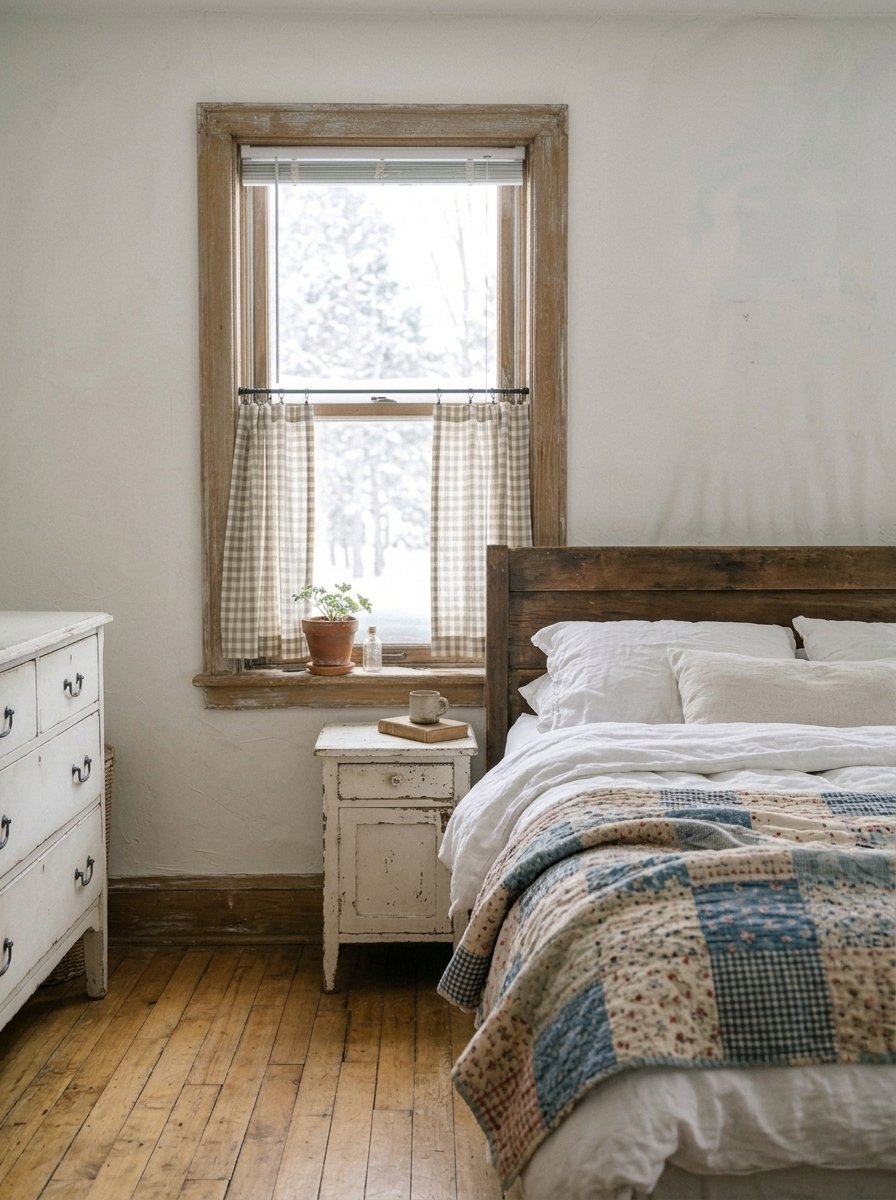
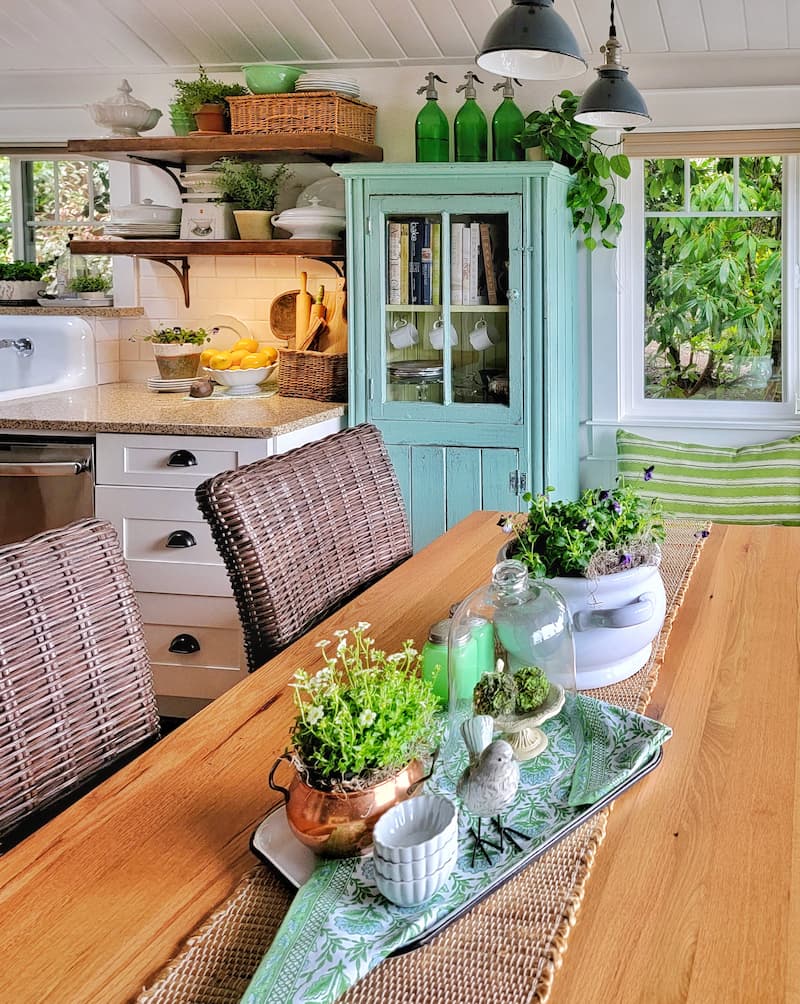
Rustic interior design relies on layering genuine textures, celebrating natural imperfections, and prioritizing utility over decorative excess. Effective spatial design honors traditional rural architecture by exposing structural beams, utilizing lime-washed wall finishes, and incorporating handcrafted furnishings that show the marks of human labor. Sustainable crafting methods emphasize upcycling vintage furniture and repurposing architectural salvage, such as turning old multi-pane windows into wall mirrors or transforming barn wood into floating shelving. For those expanding creative pursuits into paper arts, complementary instructions are available via Printables & Paper Crafts. Every decorative choice must serve a distinct purpose, reinforcing a lifestyle centered on simplicity, resourcefulness, and connection to the seasons.
Key Specifications and Breakdown
| Component / Step | Recommended Specification | Quality & Practical Tip |
|---|---|---|
| Wall Treatments | Matte mineral paint with a low LRV (Light Reflectance Value) | Apply with a traditional block brush to achieve subtle, historical texture variations. |
| Timber Selection | Kiln-dried reclaimed oak, pine, or chestnut (8-12% moisture content) | Treat surfaces with food-safe hardening oils to preserve authentic grain without high-gloss sheens. |
| Hardware Accents | Forged iron, unlacquered brass, or ceramic pulls | Select heavy-weight fixings to provide a tactile sense of authenticity and long-term durability. |
Biophilic design principles dictate that incorporating organic materials and natural light into residential interiors lowers cortisol levels and enhances overall spatial harmony. — American Society of Interior Designers (ASID)
Visual Reference Gallery


Step-by-Step Practical Application and Guidelines
Executing a successful room transformation begins with establishing a neutral, high-reflectance backdrop using creamy whites or warm greiges on all vertical surfaces. Next, anchor the primary seating or dining area with a substantial wooden furniture piece, ensuring clearance follows standard ergonomic guidelines for traffic flow. Layer secondary textures by introducing heavy grain-sack pillows, woven jute rugs, and iron candle holders to create visual depth without cluttering sightlines. Finish the arrangement by incorporating seasonal greenery, dried botanicals in ceramic vessels, and utilitarian storage baskets made from split willow or seagrass. Culinary enthusiasts pairing their newly styled kitchen spaces with traditional homestead cooking can reference valuable tips found in Recipes & Baking for seasonal hosting ideas.
Common Challenges and How to Avoid Them
Over-decorating with mass-produced retail items marketed as rustic frequently results in a cluttered, sterile environment rather than an authentic rural retreat. Prevent this by eliminating shiny synthetic finishes, bright plastic accessories, and overly uniform factory-distressed pieces in favor of genuine vintage or handmade items with true patina. Another frequent misstep involves ignoring proper scale; oversized armoires can overwhelm compact cottage bedrooms, while tiny wall art gets lost on vaulted living room walls. Always measure spatial boundaries twice, account for natural light directions throughout the day, and allow rooms to evolve slowly through careful curation rather than rapid purchasing.
💬 Frequently Asked Questions
Explore More Guides on The Cottage Chronicles
Mastering traditional crafts, heirloom recipes, and timeless interior