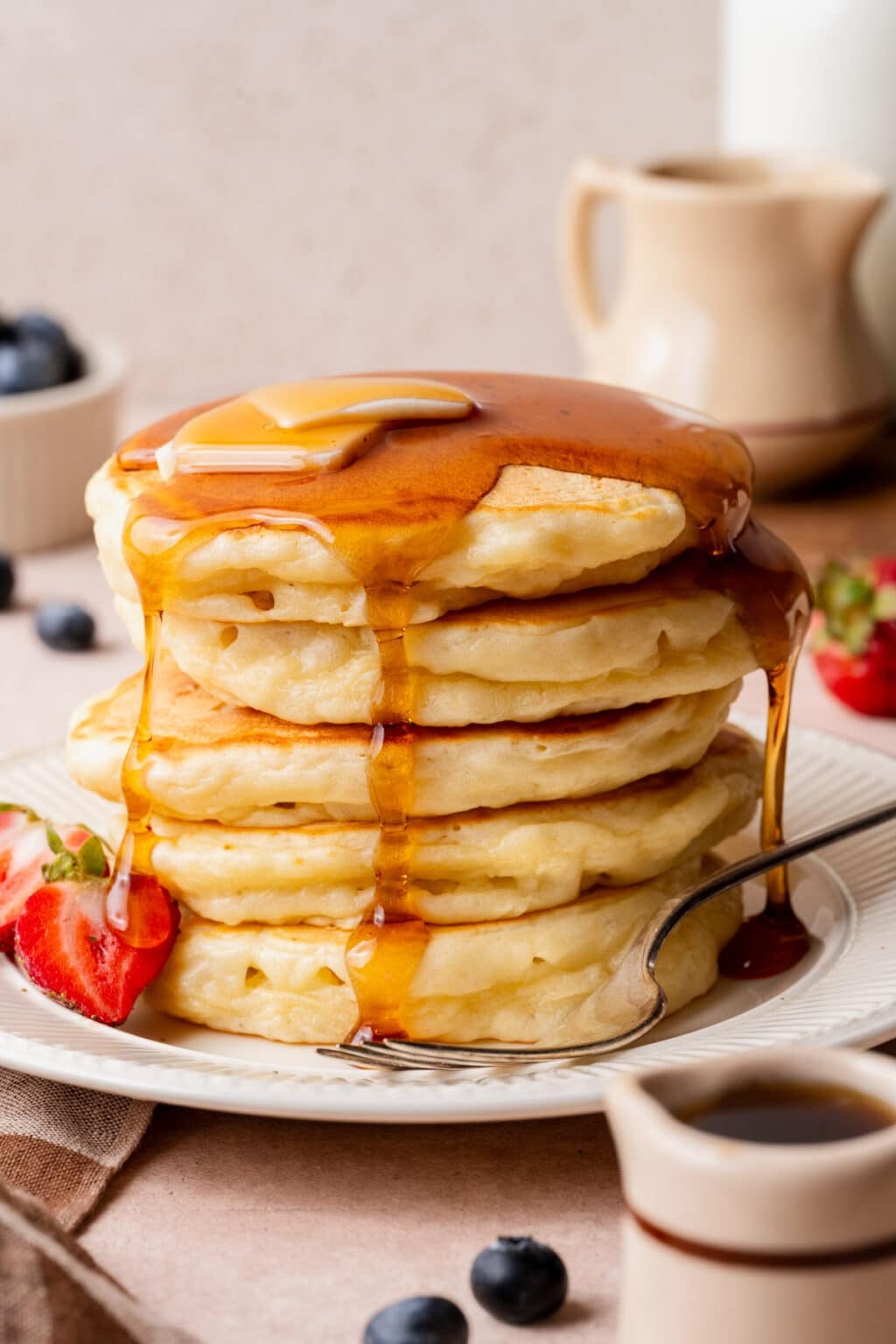
Introduction
Recipes baking with buttermilk rely on the acidic properties of fermented dairy to tenderize gluten and activate chemical leaveners for superior height and crumb texture. According to the Culinary Institute of America (CIA), traditional cultured buttermilk introduces a distinct lactic acid balance that breaks down dense proteins, yielding exceptionally tender biscuits, scones, and quick breads. Embracing traditional home-style baking methods elevates standard pantry ingredients into artisanal cottage-style baked goods suitable for daily family meals or weekend entertaining. Explore more culinary inspiration through Recipes & Baking.
Cottage Project & Prep Snapshot:
- Core Focus: Utilizing cultured buttermilk for optimal crumb tenderness, rise, and distinct savory tang.
- Materials & Scope: Full-fat cultured buttermilk, baking soda, accurate measuring tools, heavy-gauge mixing bowls.
- Key Recommendation: Combine baking soda with cold buttermilk immediately before folding into dry ingredients to maximize carbon dioxide expansion.
Core Principles and Detailed Overview
Recipes baking with buttermilk require precise ratios of acid to alkaline agents to ensure a proper chemical reaction and eliminate metallic aftertastes. The primary leavening mechanism pairs the acidity of the liquid dairy with sodium bicarbonate, creating carbon dioxide bubbles that expand rapidly under oven heat. Maintaining cold temperatures for all dairy components prevents butter fats from melting prematurely during preparation, ensuring flaky layers in laminated doughs and tender pockets in drop biscuits. For crafters and bakers expanding their domestic repertoire, pairing culinary projects with handcrafted kitchen textiles adds authentic charm, as detailed in DIY & Cottage Decor.
Key Specifications and Breakdown
| Component / Step | Recommended Specification | Quality & Practical Tip |
|---|---|---|
| Acidity Level | pH between 4.4 and 4.6 | Standard cultured commercial buttermilk provides reliable acid strength for standard baking soda ratios. |
| Temperature Control | Liquid state at 38°F to 42°F | Keep dairy refrigerated until the exact moment of incorporation to preserve solid fat structure. |
| Leavening Ratio | 1/2 teaspoon baking soda per cup | Neutralizes exact acid volume while generating optimal carbon dioxide for a high vertical rise. |
Proper dairy fermentation and strict temperature control ensure optimal gluten tenderization and structural rise in heritage baked goods — Culinary Institute of America (CIA)
Step-by-Step Practical Application and Guidelines
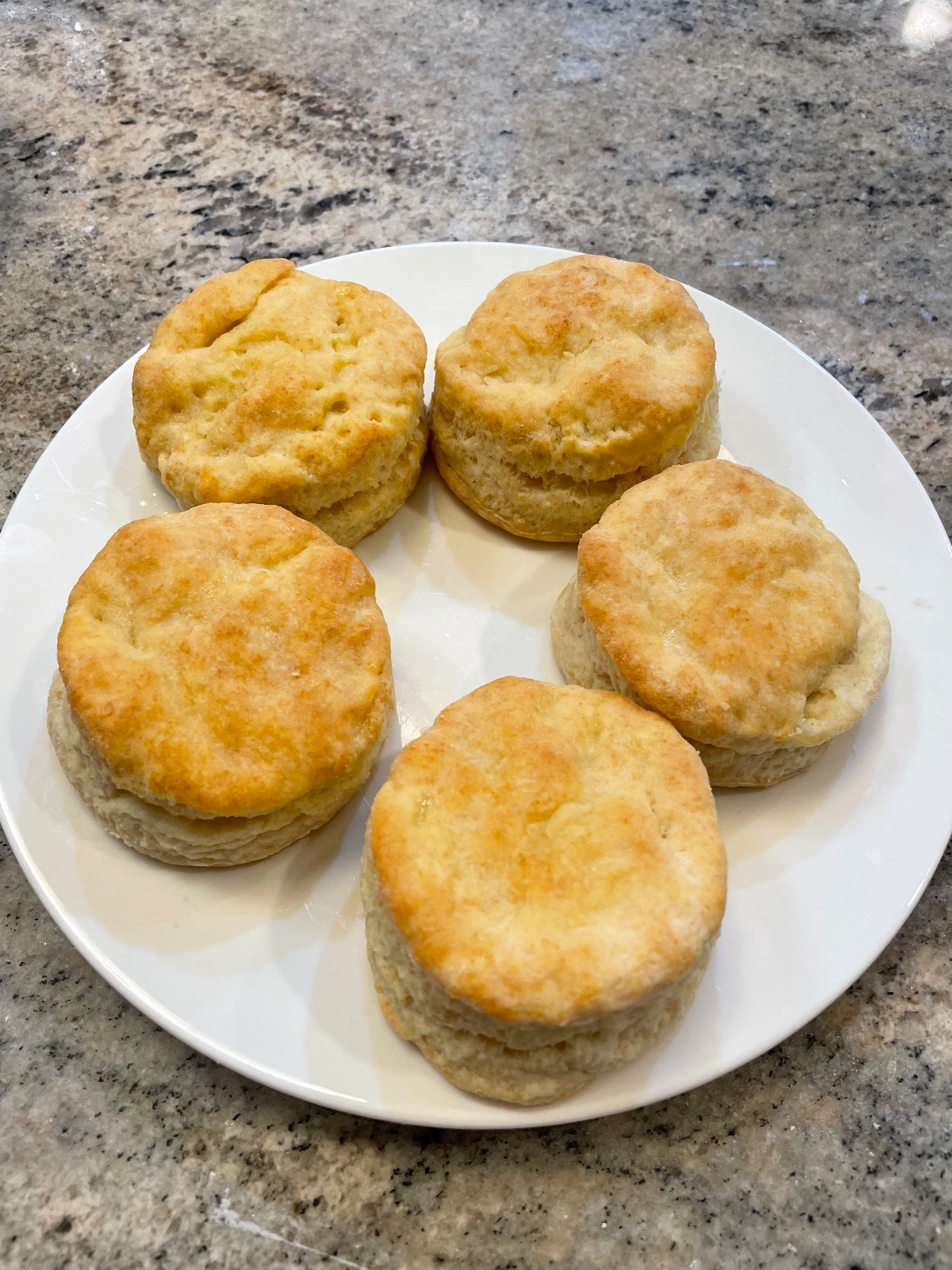
Executing recipes baking with buttermilk successfully involves whisking dry ingredients thoroughly before incorporating chilled wet components with minimal agitation. Over-mixing activates excessive gluten development, transforming delicate scones and biscuits into tough, dense results. Gently fold the liquid into the flour mixture until just combined, turn the sticky dough out onto a lightly floured surface, and pat to the desired thickness before cutting or shaping. Bake at high oven temperatures—typically between 400°F and 425°F—to shock the leavening agents and set the outer crust while locking in internal moisture. For those who enjoy pairing kitchen arts with paper organization, beautiful recipe cards can be created using resources found under Printables & Paper Crafts.
Common Challenges and How to Avoid Them
Recipes baking with buttermilk occasionally fail due to expired leavening agents, incorrect liquid measurements, or substitution errors that upset the delicate acid balance. If baked goods emerge dense or metallic, verify that the baking soda is fresh and that the quantity matches the acidity level of the dairy used. Avoid substituting standard milk unless adding a precise amount of fresh lemon juice or white vinegar to replicate the necessary acidity. Always measure flour by weight or by fluffing and leveling into cups rather than scooping directly from the bag to prevent heavy, dry textures.
💬 Frequently Asked Questions
Explore More Guides on The Cottage Chronicles
Mastering traditional homestead culinary arts enhances domestic life and brings time-honored flavors directly to family gatherings. Discover a wealth of additional homesteading inspiration, seasonal homemaking guides, and heritage skills by visiting The Cottage Chronicles today.
Recipe Step Photos & Variations