Introduction
Recipes baking chocolate demand precise ingredient ratios and temperature control to achieve optimal fat crystallization, glossy finishes, and deep cocoa profiles in traditional homestead kitchens. According to the Culinary Institute of America (CIA), maintaining exact melting thresholds prevents cocoa butter scorching and preserves the structural integrity of baked goods. Mastery of these culinary techniques elevates rustic confections, pairing perfectly with insights found in Recipes & Baking.
Cottage Project & Prep Snapshot:
- Core Focus: Selecting, melting, and incorporating cocoa-rich ingredients into traditional cabin-style baked goods.
- Materials & Scope: High-cocoa baking bars, Dutch-processed powder, heavy-bottomed saucepans, and digital thermometers.
- Key Recommendation: Always monitor ambient room temperatures to prevent chocolate bloom during tempering and mixing.
Core Principles and Detailed Overview
Choosing appropriate chocolate formulations dictates the moisture retention, crumb density, and bittersweet balance of homemade confections. Unsweetened baking bars provide pure, robust cocoa mass without added sugars, allowing complete sweetness customization within rustic bread, cake, and cookie formulas. Conversely, bittersweet and semi-sweet varieties contain varying percentages of sugar and cocoa butter, directly altering fat-to-flour ratios in traditional hearth recipes. Bakers seeking broader creative homestead inspiration frequently combine these culinary methods with seasonal DIY & Cottage Decor projects or paper crafting resources available at Printables & Paper Crafts.
Key Specifications and Breakdown
| Component / Step | Recommended Specification | Quality & Practical Tip |
|---|---|---|
| Unsweetened Baking Bars | 100% pure cocoa solids and cocoa butter | Provides maximum structural bitterness; adjust cane sugar levels accordingly. |
| Melting Temperature | Maintain below 110°F (43°C) over simmering water | Prevents graininess and scorching of delicate cocoa butter crystals. |
| Dutch-Processed Cocoa | Alkalized powder with neutral pH (7.0) | Delivers a smooth, mellow flavor profile ideal for deep-colored hearth cakes. |
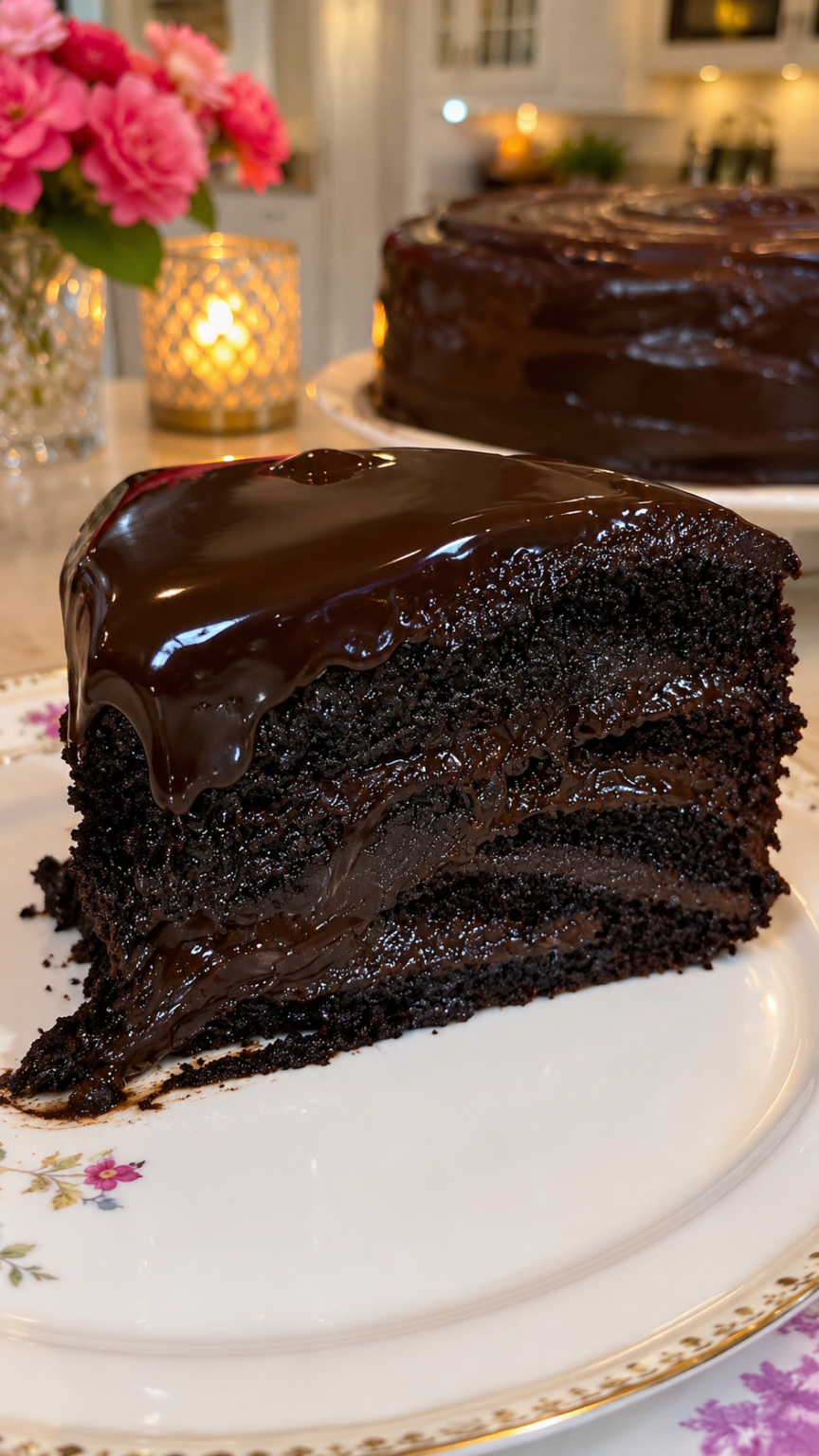
Proper fat crystallization ensures a glossy finish, smooth mouthfeel, and stable structure in cocoa-based confections — Culinary Institute of America (CIA)
Step-by-Step Practical Application and Guidelines
Executing reliable chocolate baking requires gentle thermal manipulation, precise weighing, and immediate incorporation of wet ingredients to prevent seizing. Begin by chopping solid baking bars into uniform fragments to encourage even heat distribution during melting. Employ a double boiler method, ensuring no steam or boiling water touches the bottom of the upper bowl, as minimal moisture causes immediate seizing. Whisk melted chocolate alongside warm fats such as butter or coconut oil before introducing eggs and dry ingredients, maintaining a cohesive emulsion throughout the mixing process.
Common Challenges and How to Avoid Them
Preventing seized chocolate, fat bloom, and dry crumb structures involves controlling ambient kitchen moisture and avoiding excessive oven heat. Seizing occurs when stray water droplets bind with sugar and cocoa particles; rescue seized mixtures by vigorously whisking in a teaspoon of warm vegetable oil or clarified butter. Furthermore, avoid overbaking dark chocolate cakes or brownies, relying on internal temperature probes rather than visual cues to preserve fudge-like moisture.
💬 Frequently Asked Questions
Explore More Guides on The Cottage Chronicles
Building a self-sufficient, warm, and inviting homestead involves mastering traditional culinary arts alongside charming hand-crafted household details. Explore endless inspiration, seasonal baking guides, and heritage homemaking resources by visiting The Cottage Chronicles for every upcoming cottage project.
Recipe Step Photos & Variations