Introduction
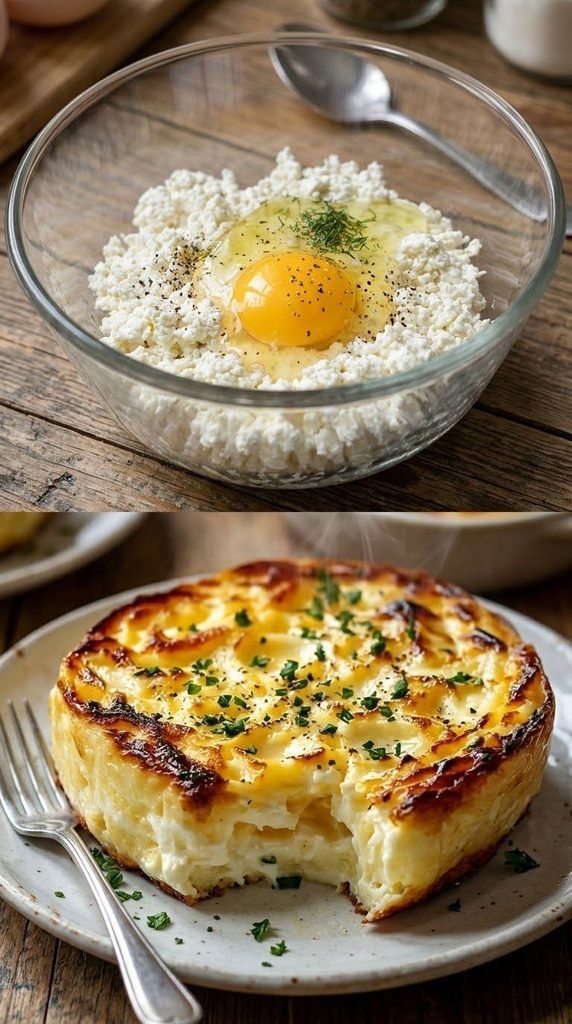
Recipes baking with cottage cheese incorporate dairy curds into doughs and batters to boost protein content, create exceptional moisture retention, and provide a tender crumb without heavy fats. According to the Culinary Institute of America (CIA), high-moisture fresh cheeses like cottage cheese act as functional structural agents that improve tenderness in baked goods. Integrating this versatile ingredient into rustic loaves, flatbreads, and pastries elevates traditional baking methods while maintaining structural integrity. Exploring Recipes & Baking expands culinary horizons for kitchen enthusiasts seeking wholesome, protein-rich results.
Cottage Project & Prep Snapshot:
- Core Focus: Utilizing blended or whole curd cottage cheese to enhance moisture and protein in baked goods.
- Materials & Scope: Full-fat or low-fat cottage cheese, standard baking flours, leavening agents, and blending equipment.
- Key Recommendation: Blend large curd cottage cheese until completely smooth before incorporating it into delicate batters.
Core Principles and Detailed Overview
Incorporating cottage cheese into baked goods requires understanding its high moisture and acidity profile to maintain proper balance in standard recipes. Curd size dictates preparation requirements; smooth, blended cottage cheese integrates seamlessly into cakes and quick breads, whereas whole curds provide rustic texture in artisan doughs. Because dairy moisture influences gluten development, bakers must adjust liquid measurements when substituting milk or water with fresh cheese. Furthermore, the mild acidity reacts effectively with baking soda to promote a lighter rise in biscuits and scones.
Key Specifications and Breakdown
| Component / Step | Recommended Specification | Quality & Practical Tip |
|---|---|---|
| Cheese Selection | 4% Milkfat Whole Curd | Provides superior fat content for a richer crumb and better structural tenderness. |
| Blending Method | High-Speed Immersion Blender | Eliminates visible curd lumps for uniform texture in smooth puddings and cakes. |
| Liquid Adjustment | Reduce Wet Ingredients by 15% | Prevents heavy, gummy textures caused by excess moisture released during baking. |
Fresh dairy ingredients contribute structural moisture and biological protein value that enhance overall crumb tenderness in artisanal baking — Culinary Institute of America (CIA). For more related activities, check out our Recipes Baking Easy.
Step-by-Step Practical Application and Guidelines
Executing recipes baking with cottage cheese successfully begins with measuring the ingredient at room temperature to ensure even distribution throughout the flour mixture. Process the dairy in a food processor or blender beforehand if the targeted baked good requires a velvety crumb structure. Gently fold the blended mixture into dry ingredients just until combined to avoid overworking the gluten. Bake at standard temperatures specified in traditional bread or pastry guidelines, utilizing visual cues such as golden-brown crusting and internal temperature testing to confirm doneness.
Common Challenges and How to Avoid Them
Dense, soggy textures and visible curd separation represent the primary challenges encountered when baking with fresh dairy ingredients. Excess moisture escaping during the thermal baking process frequently causes heavy results if liquid ratios remain unadjusted. Prevent these issues by thoroughly draining overly watery brands of cottage cheese through a fine-mesh sieve or cheesecloth before measuring. Additionally, monitor oven temperatures closely, as higher sugar and dairy content can cause premature browning on exterior crusts before the interior sets.
💬 Frequently Asked Questions
Explore More Guides on The Cottage Chronicles
Expanding culinary expertise and rustic homesteading skills brings timeless charm to daily life. Discover more inspiring ideas, traditional techniques, and creative projects across The Cottage Chronicles to enrich every seasonal celebration.
Recipe Step Photos & Variations