Introduction
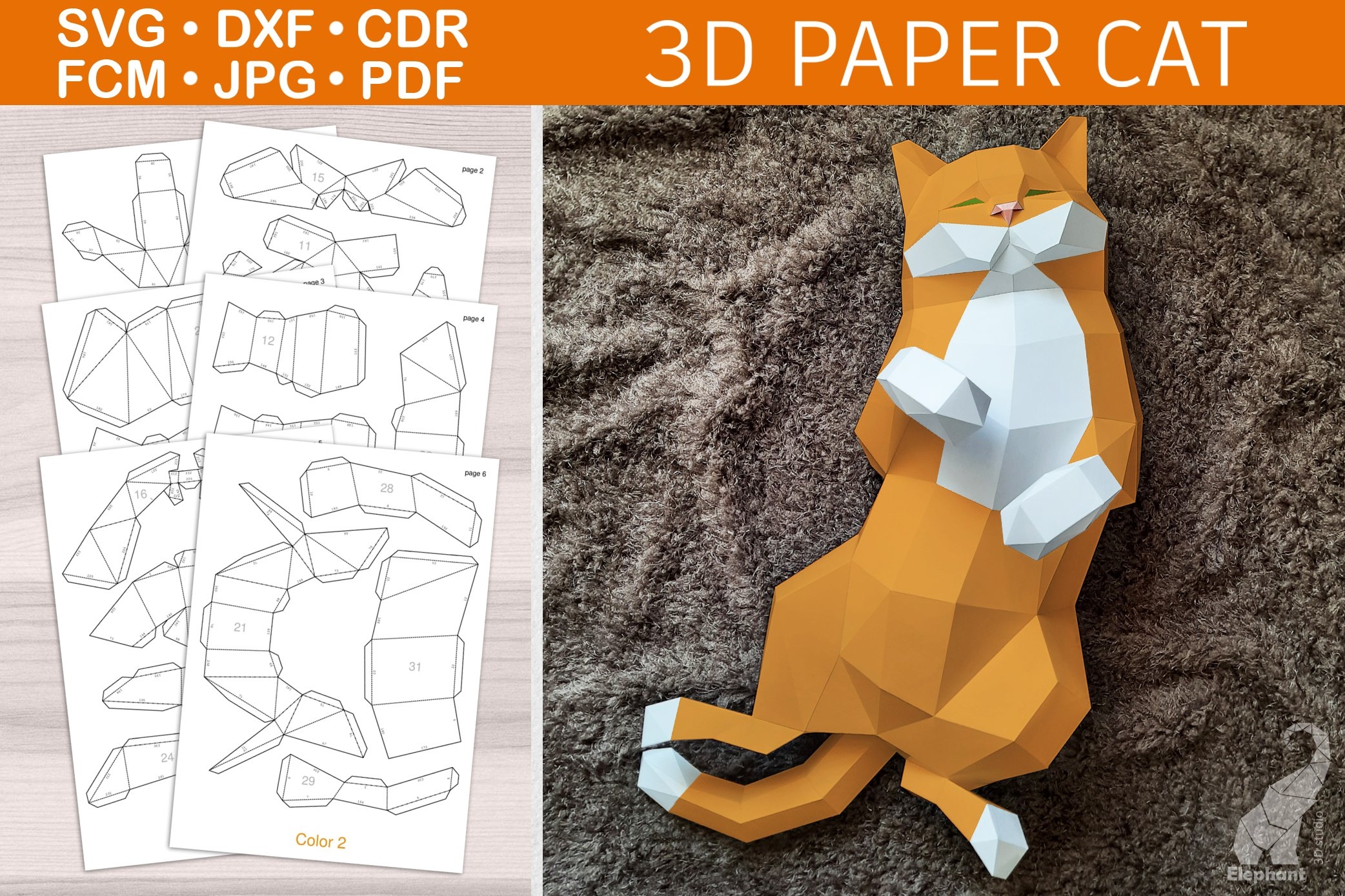
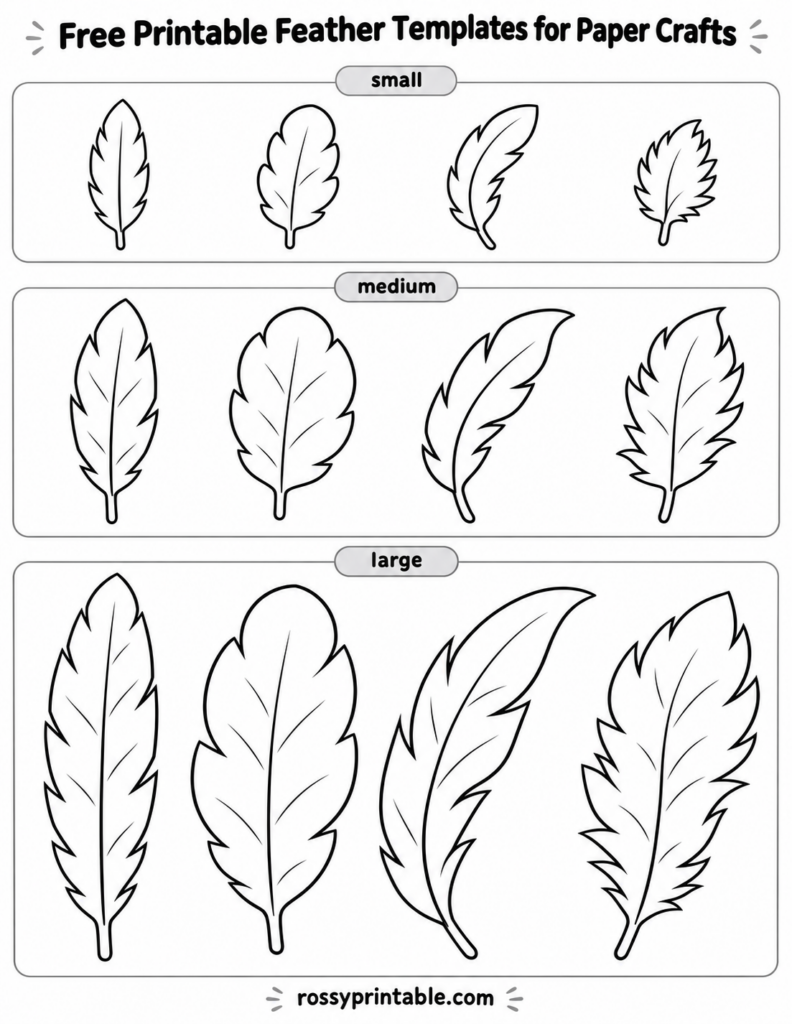
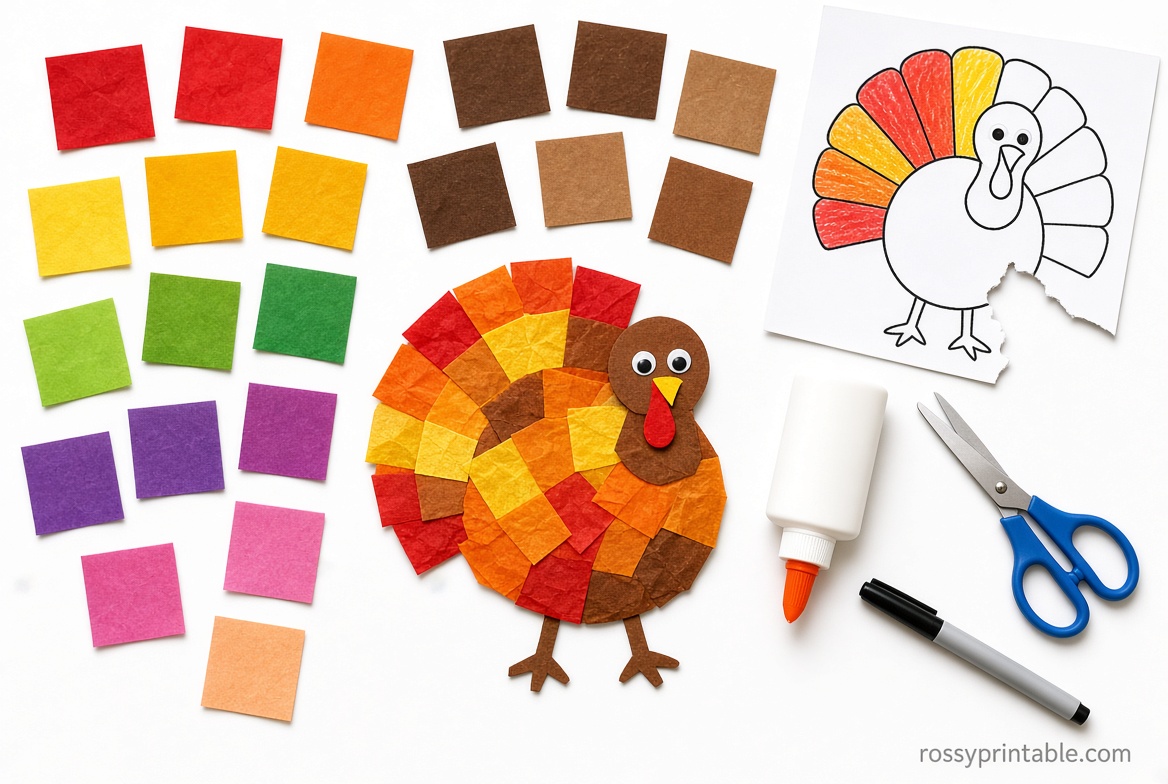
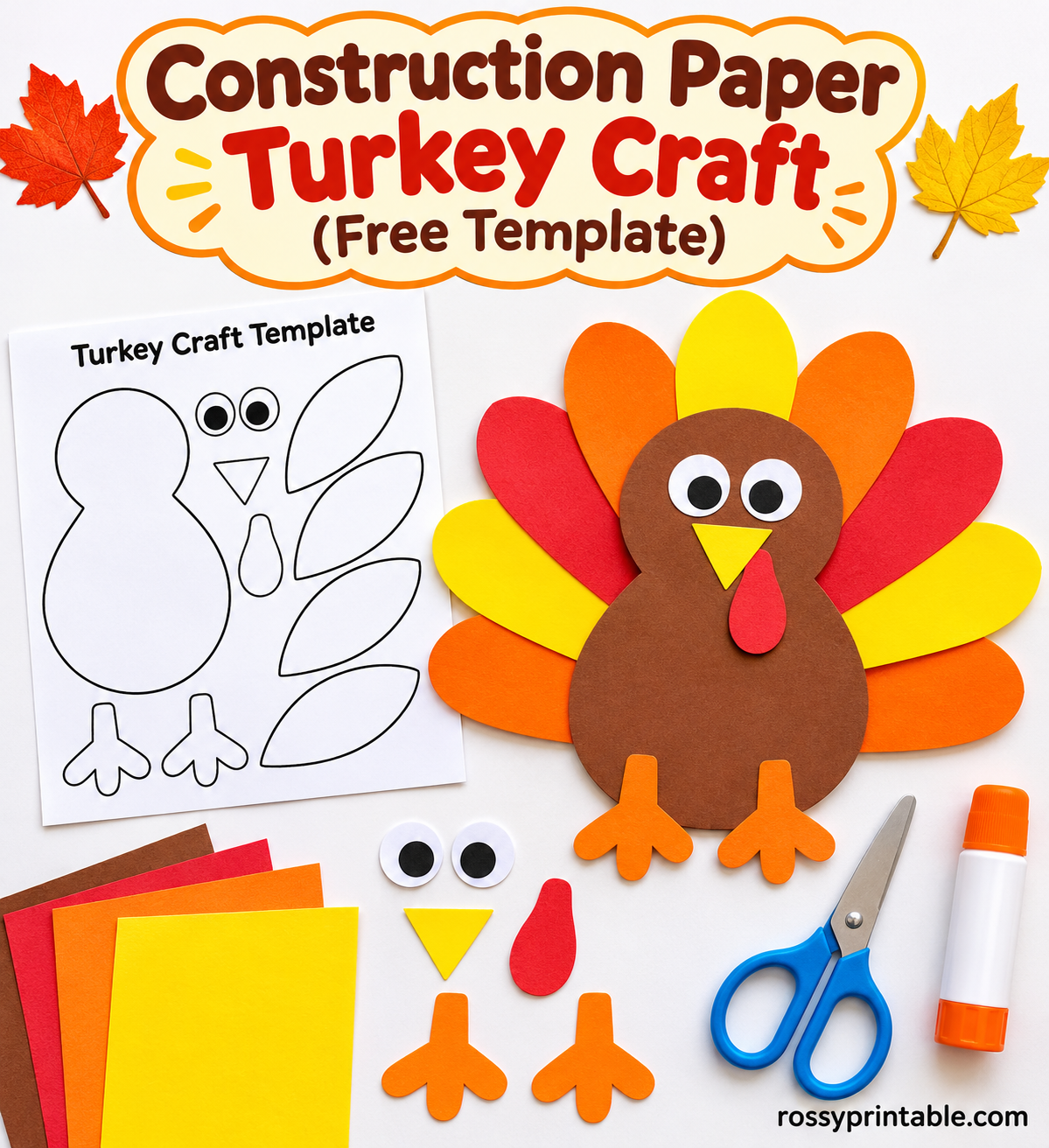
Template paper crafts involve utilizing pre-designed digital or physical patterns to cut, fold, and construct structured three-dimensional paper items, seasonal decor, and educational resources with precision. According to the National Art Education Association (NAEA), structured paper arts foster spatial reasoning, fine motor skill development, and creative resourcefulness across diverse learning and home environments. Crafters seeking to enhance home interiors can explore specialized DIY & Cottage Decor guides for styling inspiration, while print enthusiasts can browse extensive resources within Printables & Paper Crafts to expand pattern collections.
Cottage Project & Prep Snapshot:
- Core Focus: Constructing precise three-dimensional models and rustic paper decor using standardized print templates.
- Materials & Scope: Premium cardstock (65lb to 110lb), craft knife, self-healing cutting mat, bone folder, and quick-drying adhesive.
- Key Recommendation: Always adjust printer settings to actual size (100% scale) before executing cuts to ensure accurate scoreline alignment.
Core Principles and Detailed Overview
Mastering template paper crafts requires a thorough understanding of paper weights, grain directions, and scoreline preparation to ensure structural integrity and professional-grade finishes. Heavyweight cardstock ranging from 65 to 110 pounds provides the optimal rigidity required for architectural models, miniature houses, and dimensional botanical motifs suited for traditional farmhouse settings. Precision cutting relies heavily on maintaining a sharp craft blade and utilizing a metal-edged ruler, which prevents jagged edges and preserves the geometric accuracy dictated by the design blueprint. Furthermore, pre-folding all crease lines using a Teflon bone folder guarantees crisp 90-degree or 180-degree folds, preventing fiber cracking along printed edges during assembly.
Key Specifications and Breakdown
| Component / Step | Recommended Specification | Quality & Practical Tip |
|---|---|---|
| Paper Weight (GSM) | 176 GSM to 300 GSM (65lb – 110lb Cover) | Use heavier cardstock for structural bases and lighter text-weight sheets for intricate layered foliage. |
| Cutting Apparatus | Standard Scalpel / #11 Hobby Blade | Change blades frequently to eliminate paper tearing and ensure clean internal cutouts on detailed templates. |
| Adhesive Selection | Polyvinyl Acetate (PVA) or Glue Pen | Apply minimal adhesive using a silicone brush to prevent paper warping and moisture buckling. |
Paper permanence and archival integrity depend on utilizing acid-free, lignin-free cellulose fibers that resist yellowing and structural degradation over time. — Library of Congress Preservation Directorate. For more related activities, check out our Free Printables Paper Crafts.
Step-by-Step Practical Application and Guidelines
Executing template paper crafts successfully involves a systematic workflow encompassing file calibration, material preparation, scoring, cutting, and final structural assembly. Begin by printing templates at 100% scale on smooth white or colored cardstock, verifying dimensions with a ruler against the scale bar provided on the document. Next, place the printed sheet onto a self-healing cutting mat and lightly score all dashed or dotted lines using a bone folder or a dull stylus to establish clean hinge points. Proceed by executing intricate interior cutouts first, followed by the exterior perimeter cuts using a sharp craft knife. Apply a thin, even bead of quick-setting liquid adhesive to designated assembly tabs, aligning corresponding lettered or numbered edges firmly until the bond sets completely.
Common Challenges and How to Avoid Them
Addressing common pitfalls such as ink smudging, misaligned folds, and paper buckling ensures polished, professional results in every paper construction project. Ink smudging frequently occurs when using inkjet printers with water-based dyes; mitigate this by allowing printed sheets to cure for ten minutes or by sealing the surface with a light fixative spray before cutting. Misaligned folds generally stem from skipping the pre-scoring phase, which causes the cardstock to bend organically rather than along the engineered axis. Using an excessive amount of wet glue causes paper fibers to swell and wrinkle; combat this by employing precision tip applicators or double-sided tape runners for clean, dry bonding.
💬 Frequently Asked Questions
Explore More Guides on The Cottage Chronicles
Discover additional rustic homemaking inspiration, seasonal projects, and culinary guides by browsing the complete resource library available at The Cottage Chronicles. Whether updating interior styling with handmade accents or seeking baking inspiration via Recipes & Baking, every tutorial champions practical, traditional craftsmanship for modern country living.
Visual Reference Gallery