Introduction
Cottage decoration utilizes natural textures, historical architectural elements, and functional craftsmanship to create environments that prioritize comfort and utility. According to the American Society of Interior Designers (ASID), successful residential design integrates spatial functionality with aesthetic coherence to improve occupant well-being. This discipline emphasizes the use of organic materials—such as reclaimed wood, linen, and ceramic—to establish a connection between interior spaces and the surrounding environment. By focusing on durability and intentional placement, homeowners can achieve a curated look that remains both timeless and practical for daily use. Further resources on these foundational design principles are available at DIY & Cottage Decor.
Cottage Project & Prep Snapshot:
- Core Focus: Establishing warmth and utility through authentic, tactile, and budget-conscious design choices.
- Materials & Scope: Natural fibers, salvaged timber, matte finishes, and neutral palettes.
- Key Recommendation: Prioritize high-traffic area durability by selecting slip-covered furniture and washable textiles.
Core Principles and Detailed Overview
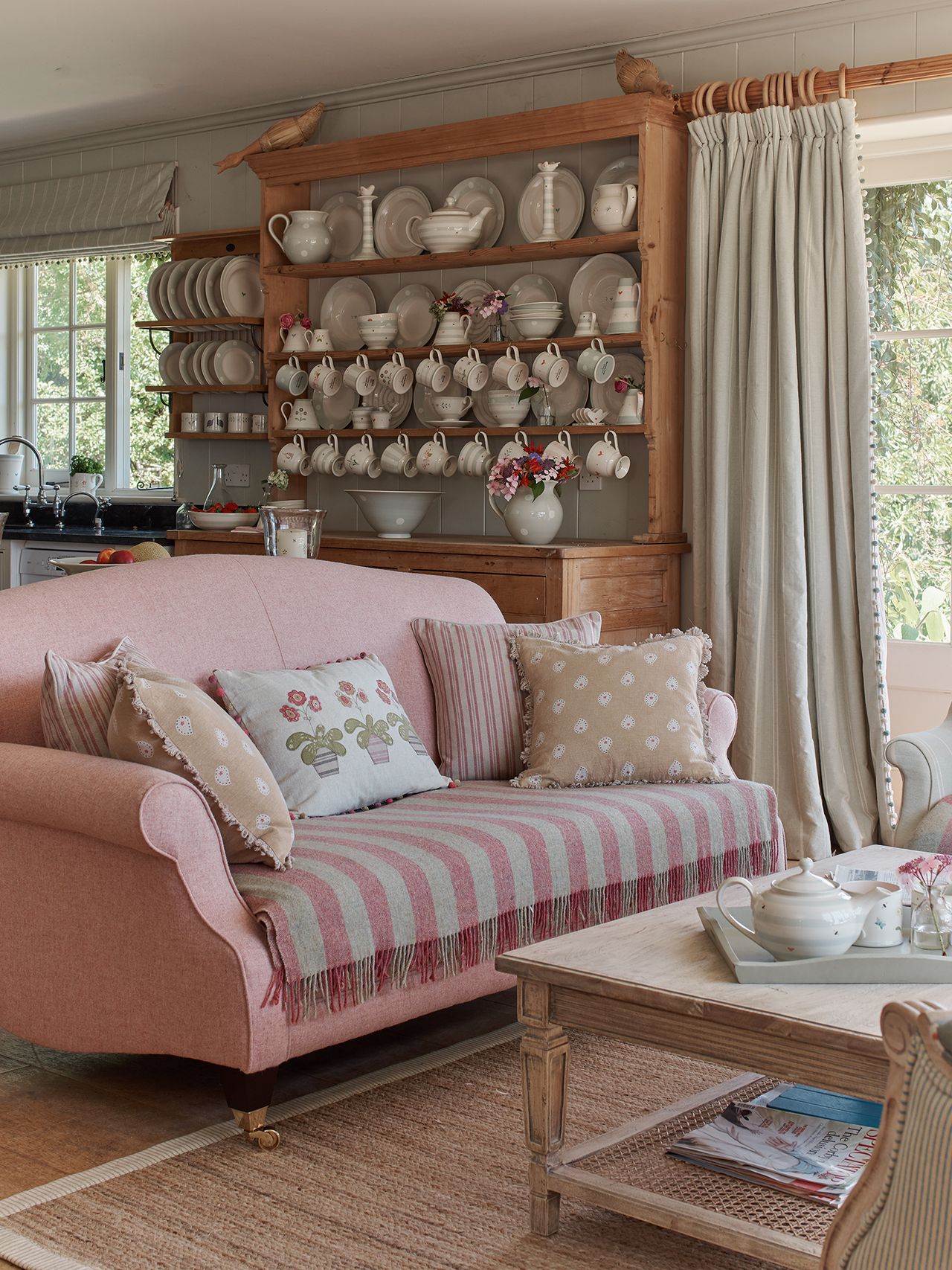
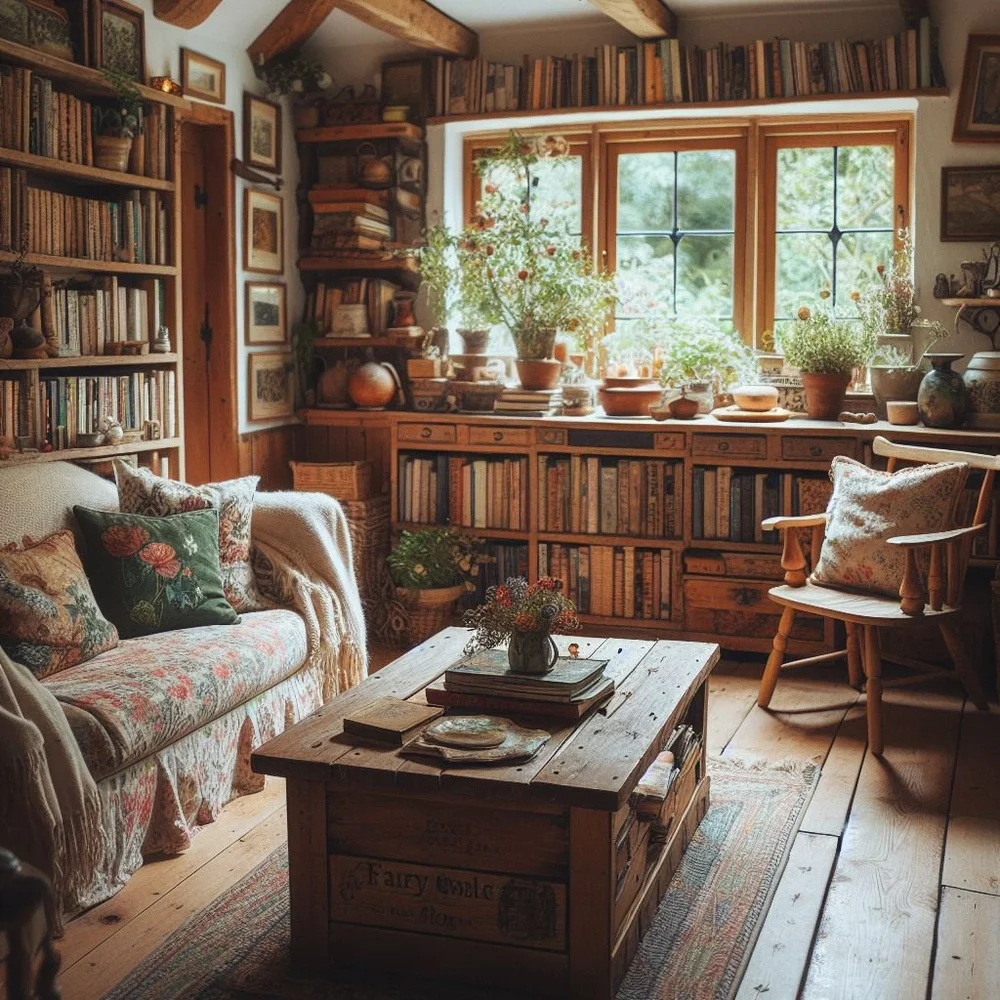
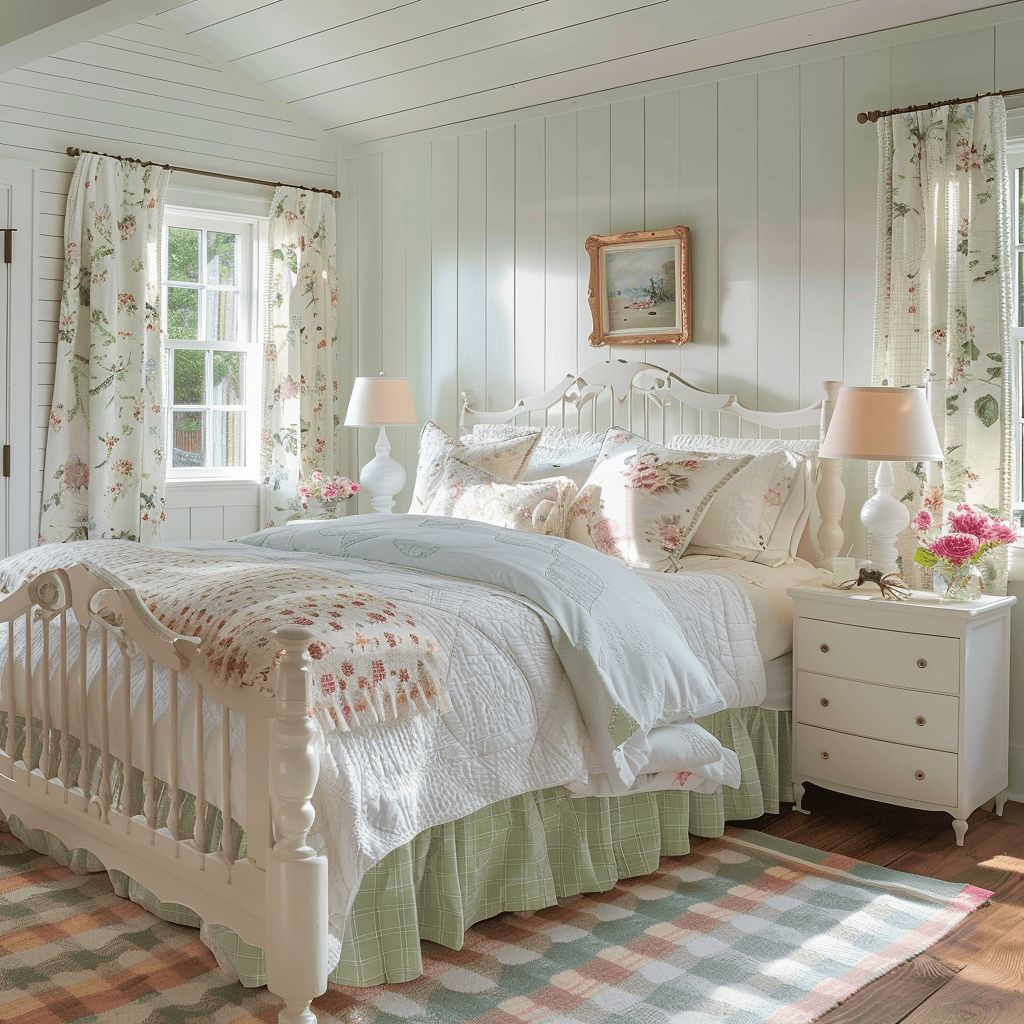
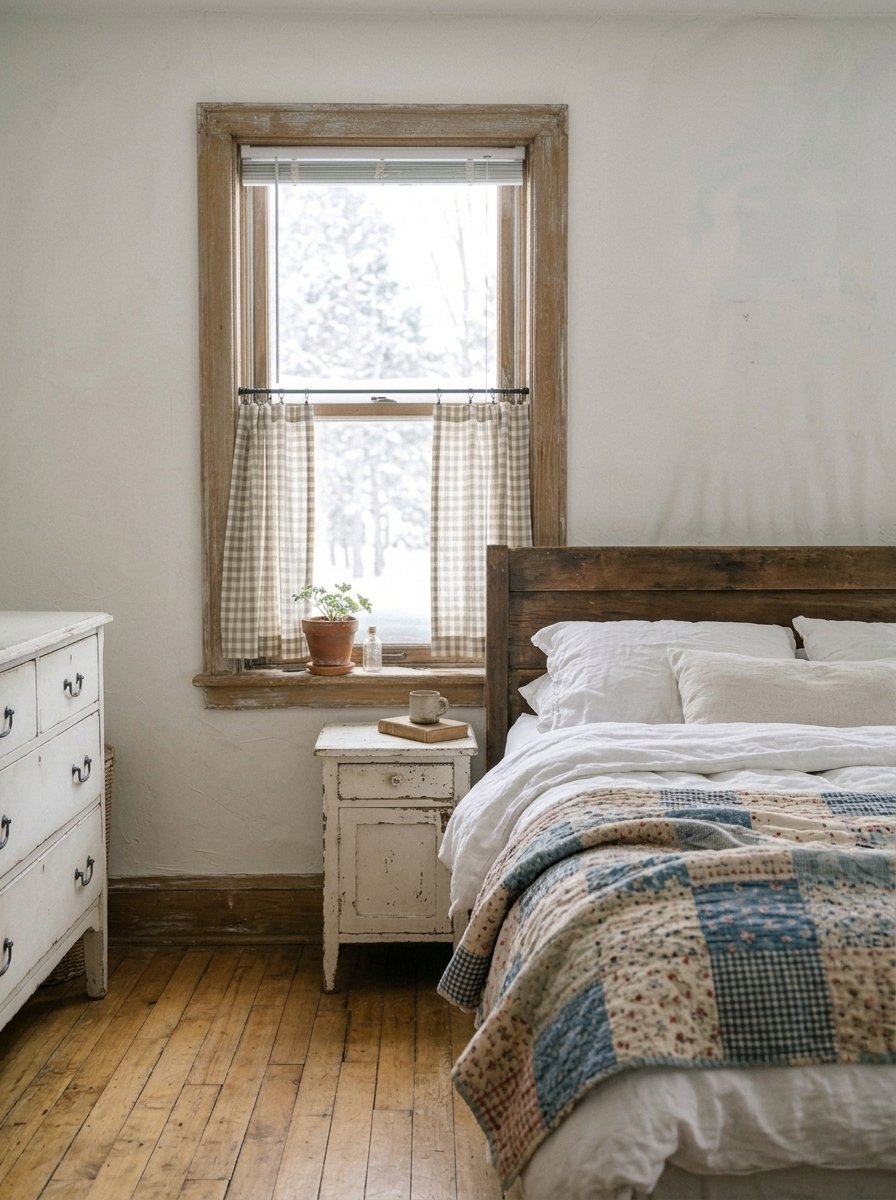
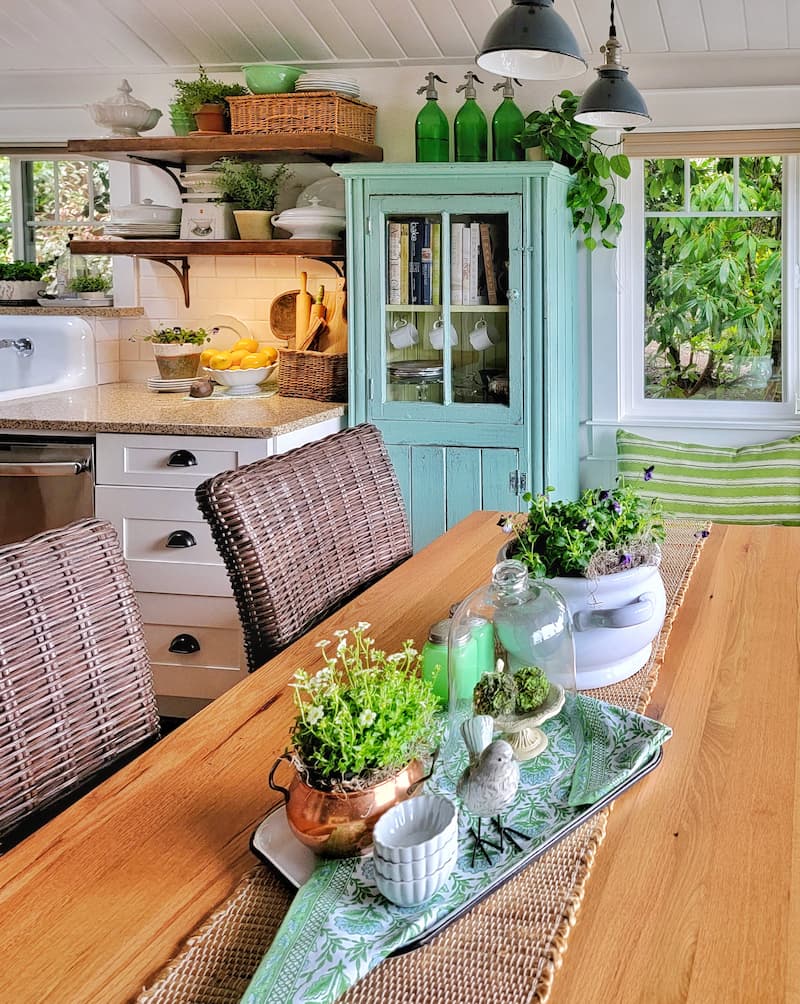
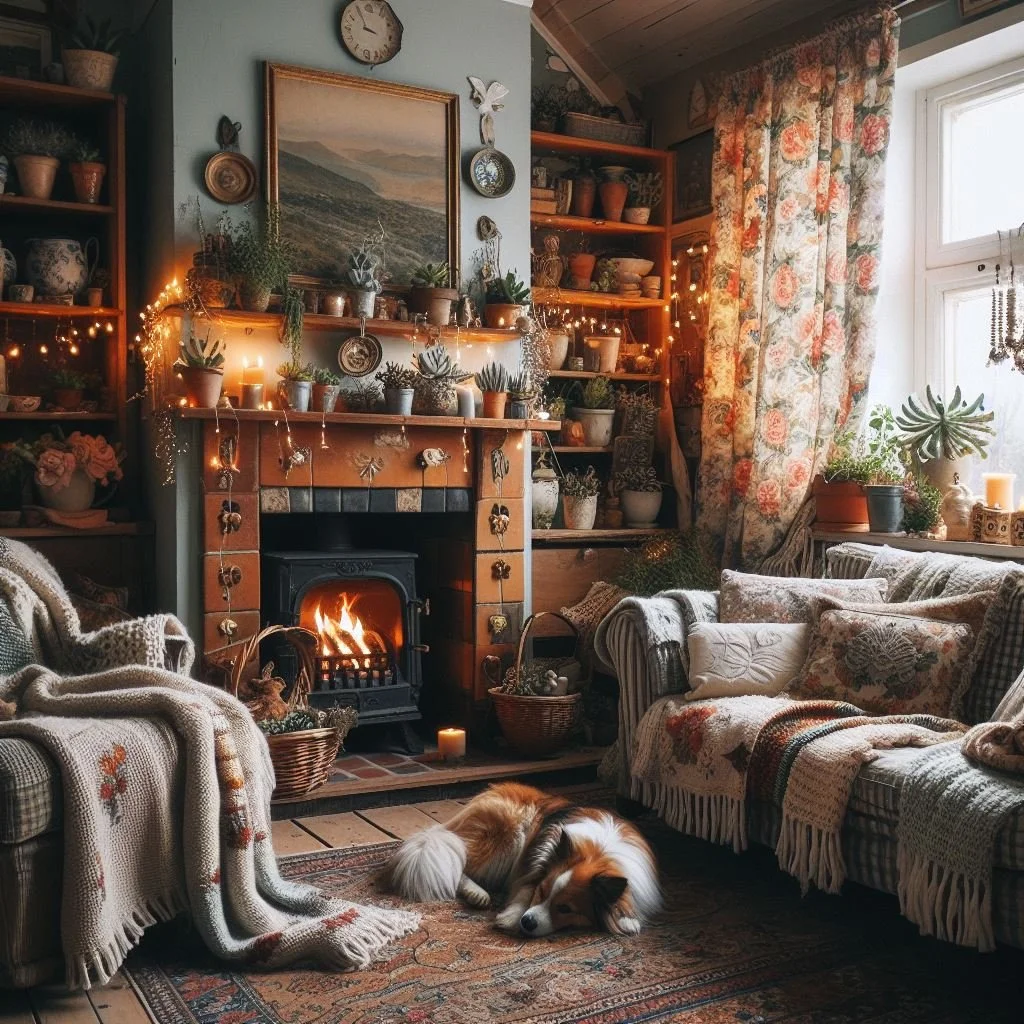
Cottage decoration relies on the strategic layering of textures and the preservation of original architectural features to define a space. Neutral color palettes, such as creams, soft grays, and muted earth tones, serve as the canvas for deeper, saturated accents found in vintage textiles or hand-painted furniture. Proportions remain grounded by lower furniture profiles and the integration of open shelving, which encourages the display of functional kitchenware and heirloom items. Lighting design focuses on ambient warmth, utilizing multiple points of soft illumination rather than harsh overhead fixtures. This approach ensures that every element serves both a decorative and a practical purpose, reducing visual clutter while maximizing the perceived volume of smaller rooms.
Key Specifications and Breakdown
| Component / Step | Recommended Specification | Quality & Practical Tip |
|---|---|---|
| Textile Selection | 100% Natural Fiber | Prioritize linen or cotton for breathability and ease of cleaning. |
| Wall Finishes | Matte or Eggshell | Use low-sheen paints to hide imperfections in older plaster walls. |
| Furniture Scale | Low-Profile/Legged | Elevated furniture creates the illusion of more floor space. |
Human-Centric Design Principle — American Society of Interior Designers (ASID)
Step-by-Step Practical Application and Guidelines
Practical cottage decoration begins with an audit of existing natural light and architectural focal points to determine the optimal furniture layout. Begin by decluttering surfaces to allow for the introduction of curated, functional items such as ceramic crocks or wooden bread boards. Apply paint in light-reflective, matte tones to unify disparate architectural elements like mismatched trim or uneven wall textures. Introduce soft goods, including wool throws and cotton rugs, to dampen sound and add tactile interest. When selecting DIY decor projects, ensure all materials are non-toxic and structurally sound before integration. For those looking to incorporate paper-based elements, explore the resources at Printables & Paper Crafts to maintain a cohesive design aesthetic.
Common Challenges and How to Avoid Them
Over-decorating with excessive small objects remains the primary challenge in cottage styling, often leading to visual chaos rather than a cozy atmosphere. Combat this by utilizing the “one-in, one-out” rule for decorative accessories, ensuring that every piece serves a purpose or holds significant sentimental value. Poor lighting choices frequently undermine the warmth of a cottage aesthetic; replace cool-toned bulbs with warm, 2700K LED alternatives to mimic traditional incandescent glow. Avoid synthetic materials that trap moisture or heat, as these detract from the breathable, organic quality essential to the style. For guidance on maintaining a home that balances aesthetic charm with culinary function, consult Recipes & Baking.
💬 Frequently Asked Questions
Explore More Guides on The Cottage Chronicles
Refining a home requires a balance of aesthetic vision and practical execution, whether through interior styling or traditional household crafts. Continue developing these skills by exploring the full archive of expert-led tutorials, seasonal projects, and home-style inspiration available at The Cottage Chronicles.
Visual Reference Gallery