Introduction
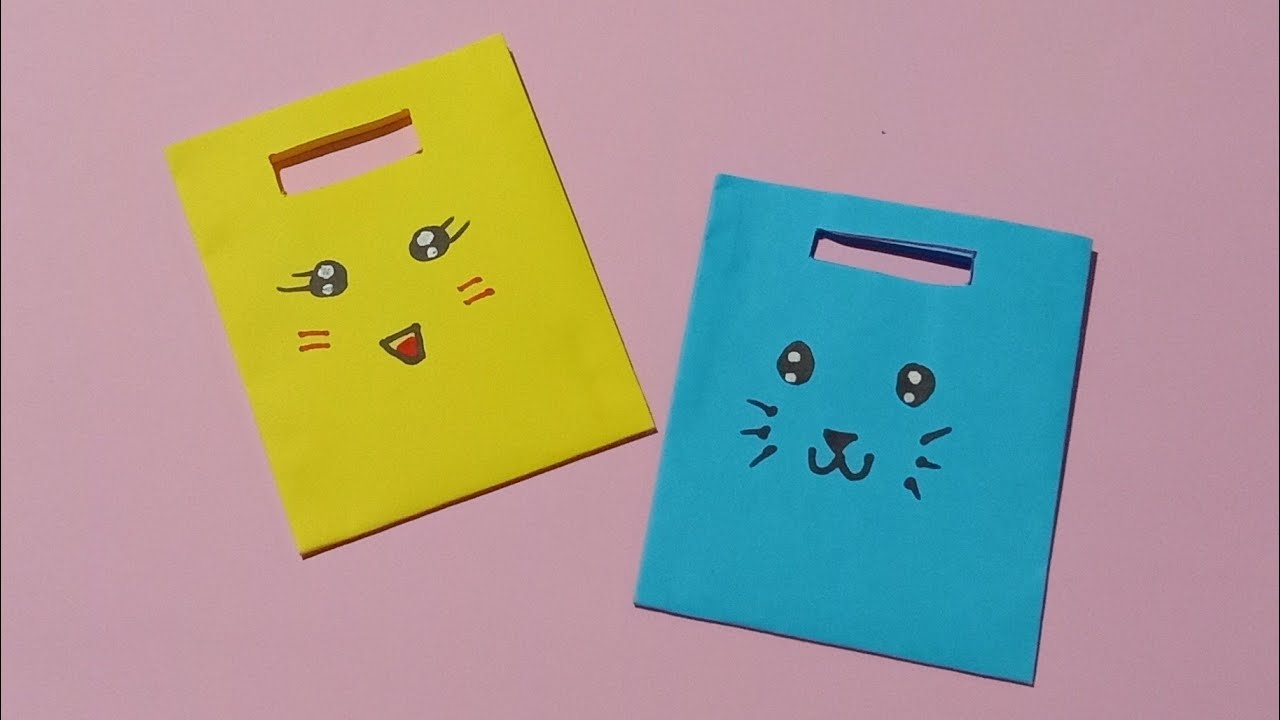
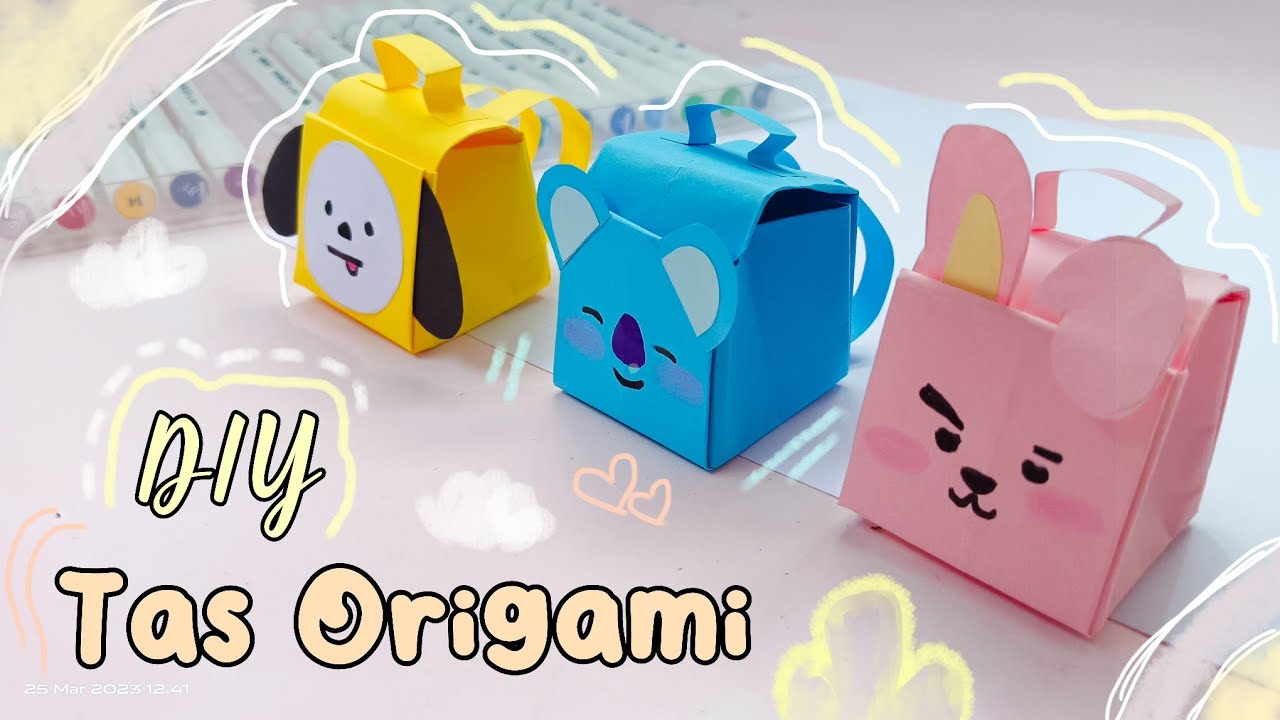
Paper craft tas encompasses precision templates, structural folding methodologies, and high-GSM media selection designed for durable home-style creative projects. According to the National Art Education Association (NAEA), structured tactile manipulation and paper-based art integration foster advanced spatial reasoning, fine motor skill retention, and material literacy across diverse age demographics. Integrating traditional cutting techniques with modern digital printables bridges rustic cottage aesthetics and contemporary DIY craftsmanship. Exploring specialized Printables & Paper Crafts provides foundational resources for executing these intricate paper constructions with professional results.
Cottage Project & Prep Snapshot:
- Core Focus: Structural paper craft tas methodology, precise scoring, and high-density media selection.
- Materials & Scope: Premium cardstock (65lb to 110lb), bone folders, precision craft knives, and self-healing mats.
- Key Recommendation: Always score fold lines prior to assembly to guarantee crisp, professional geometric alignment.
Core Principles and Detailed Overview
Mastering paper craft tas requires an understanding of grain direction, fiber density, and adhesive selection to prevent warping and structural failure. Heavyweight cardstock provides the necessary rigidity for three-dimensional architectural models, seasonal bunting, and farmhouse decor elements, while lighter parchment supports delicate botanical tracing. Utilizing self-healing cutting mats and steel-edged rulers guarantees straight, clean boundaries that elevate finished home goods from amateur craft to heirloom-quality decor. Detailed insights into complementary styling are frequently featured within DIY & Cottage Decor guides for cohesive interior aesthetics.
Key Specifications and Breakdown
| Component / Step | Recommended Specification | Quality & Practical Tip |
|---|---|---|
| Media Weight | 80lb to 110lb Cardstock (216–300 GSM) | Ensures structural integrity without cracking at the fold line. |
| Scoring Tool | Teflon Bone Folder or Dull Stylus | Prevents surface tearing while creating a precise crease channel. |
| Adhesive Type | PVA Craft Glue or Double-Sided Tape | Minimizes moisture warping compared to water-heavy liquid glues. |
Cellulose fiber orientation dictates tear resistance and folding smoothness across all heavy media crafting — National Art Education Association (NAEA)
Step-by-Step Practical Application and Guidelines
Executing paper craft tas projects successfully relies on a methodical sequence of digital preparation, material scoring, clean extraction, and archival bonding. Begin by calibrating printer scaling to 100 percent to preserve geometric proportions before transferring templates onto selected cardstock. Score all designated fold lines gently using a bone folder against a metal straightedge before executing any exterior cuts with a sharp utility blade. Apply minimal, high-tack adhesive along designated tabs, clamping bonded seams temporarily with binder clips until the polymer sets completely.
Common Challenges and How to Avoid Them
Preventing warped panels and frayed edges in paper craft tas involves controlling ambient humidity and regularly replacing dull cutting blades. Humidity causes untreated cellulose fibers to expand unevenly, so storing cardstock in climate-controlled environments maintains dimensional stability. If printed ink smudges during handling, allow pigment-based inks to cure fully for several hours or apply a light fixative spray prior to scoring and folding.
💬 Frequently Asked Questions
Explore More Guides on The Cottage Chronicles
Discover a wealth of timeless homesteading inspiration, seasonal home styling, and from-scratch kitchen staples by browsing the complete archival collection available directly at The Cottage Chronicles.
Visual Reference Gallery