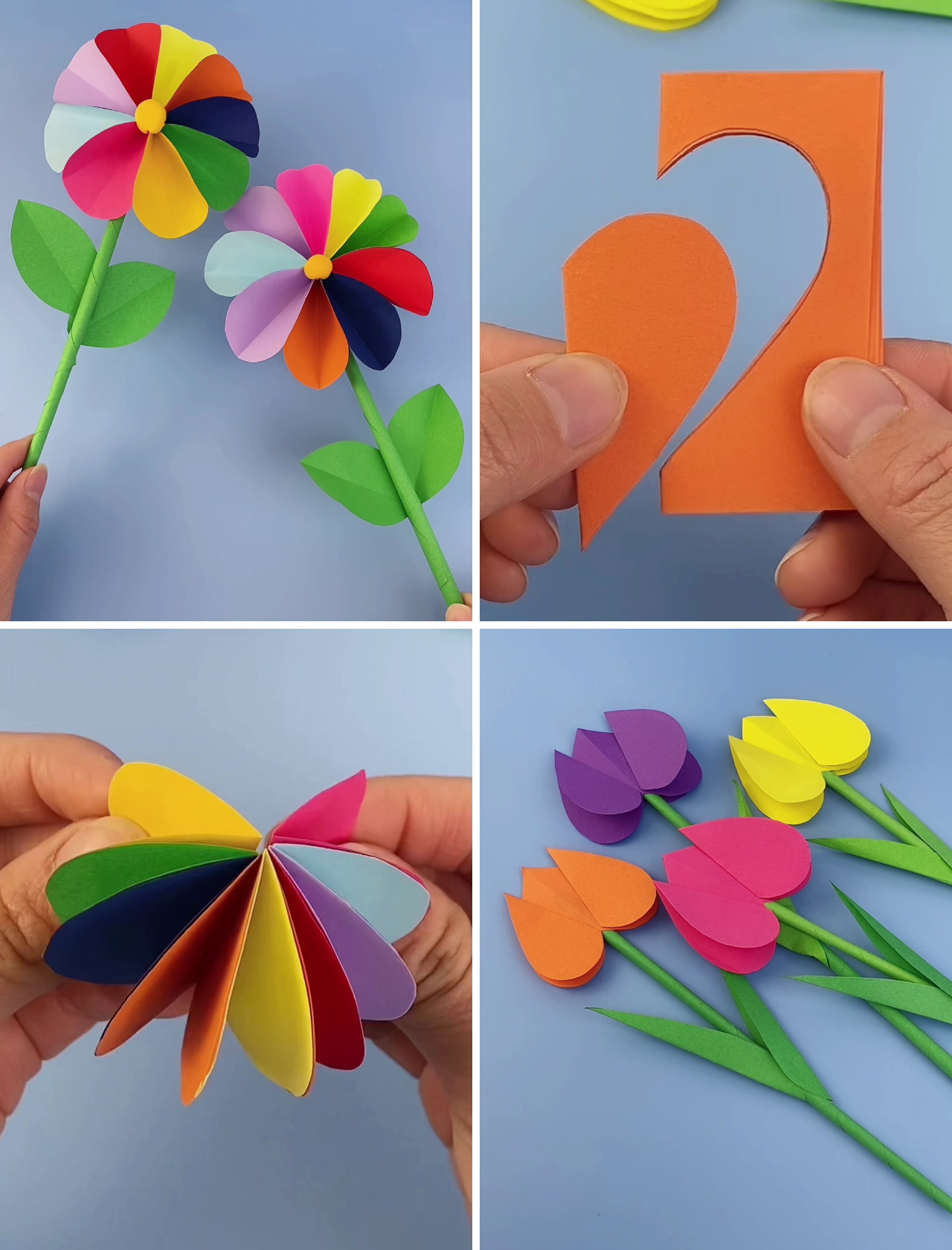
Introduction
Paper craft ideas step by step provide a structured methodology for transforming raw cellulose substrates into functional home decor or educational materials through precise cutting, folding, and adhesive application. According to the National Art Education Association (NAEA), structured engagement with paper-based media fosters essential spatial reasoning and fine motor development in learners of all ages. Utilizing high-quality cardstock and archival-grade adhesives ensures that finished projects maintain structural integrity within cottage environments, aligning with established Printables & Paper Crafts standards for longevity and aesthetic appeal.
Cottage Project & Prep Snapshot:
- Core Focus: Systematic assembly of paper-based decor and functional organizational tools.
- Materials & Scope: Cardstock (65lb-110lb), precision blades, bone folders, and pH-neutral adhesives.
- Key Recommendation: Score all fold lines before bending to achieve professional, crisp edges.
Core Principles and Detailed Overview
Achieving professional results in paper crafting requires strict adherence to grain direction, paper weight, and scoring accuracy. Paper weight, measured in grams per square meter (GSM) or pounds (lb), dictates the suitability of the material; 65lb cardstock remains ideal for intricate folding, while 110lb cardstock provides the necessary rigidity for structural home decor pieces. Proper tool selection, such as utilizing a self-healing mat and a metal-edged ruler, prevents material tearing and ensures geometric precision. For those integrating paper crafts into rustic settings, selecting matte-finish papers with natural textures complements the warm, tactile aesthetic inherent in DIY & Cottage Decor projects.
Key Specifications and Breakdown
| Component / Step | Recommended Specification | Quality & Practical Tip |
|---|---|---|
| Paper Weight | 65lb to 110lb Cardstock | Use heavier stock for load-bearing decor. |
| Scoring Depth | 0.5mm to 1.0mm | Always score against the grain for clean folds. |
| Adhesive Type | pH-neutral liquid glue | Apply sparingly to prevent paper warping. |
The Principle of Material Integrity — The National Art Education Association (NAEA) maintains that the selection of acid-free, lignin-free materials is the primary determinant for the long-term preservation of paper-based art and functional home craft projects.
Step-by-Step Practical Application and Guidelines
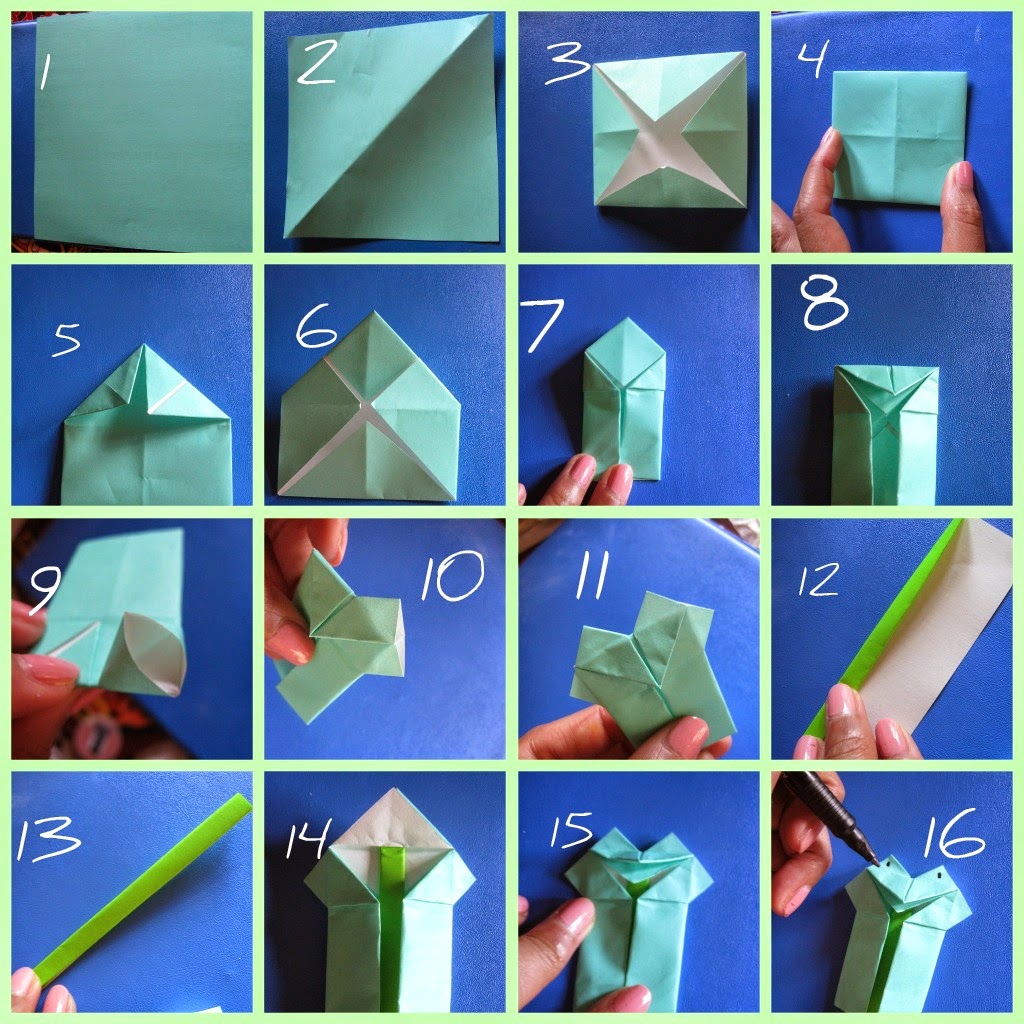
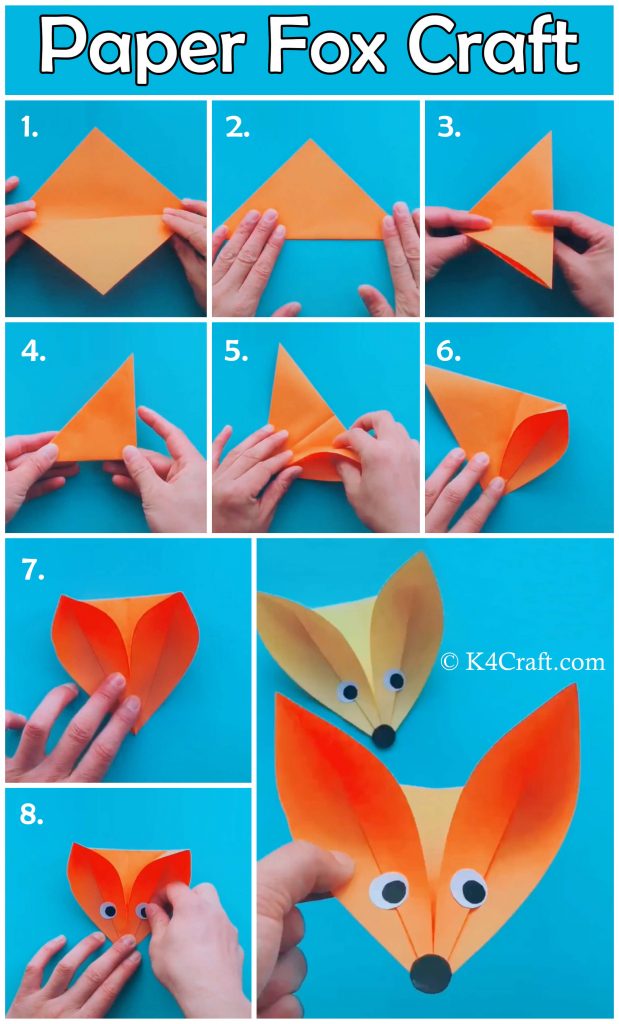
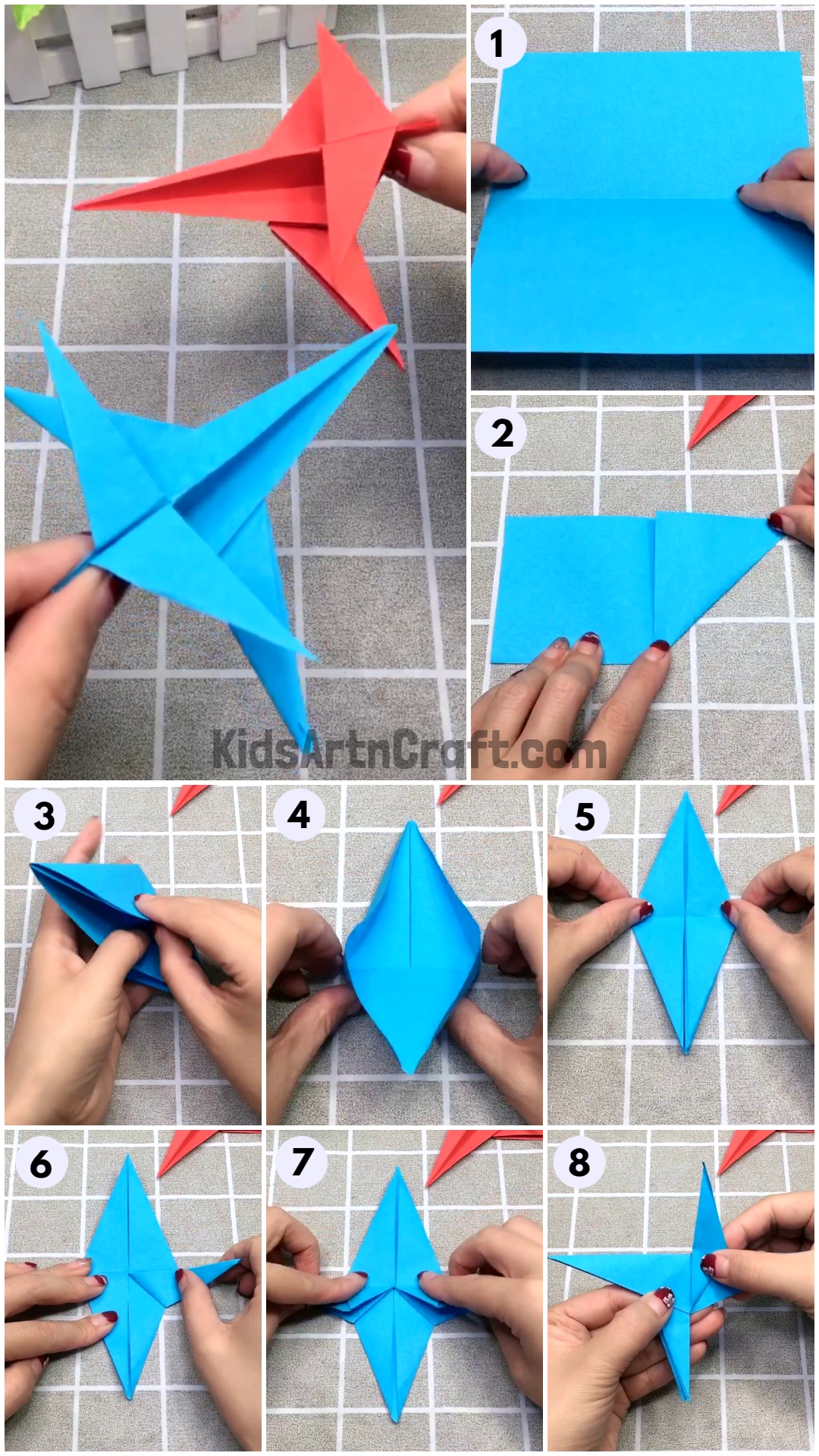
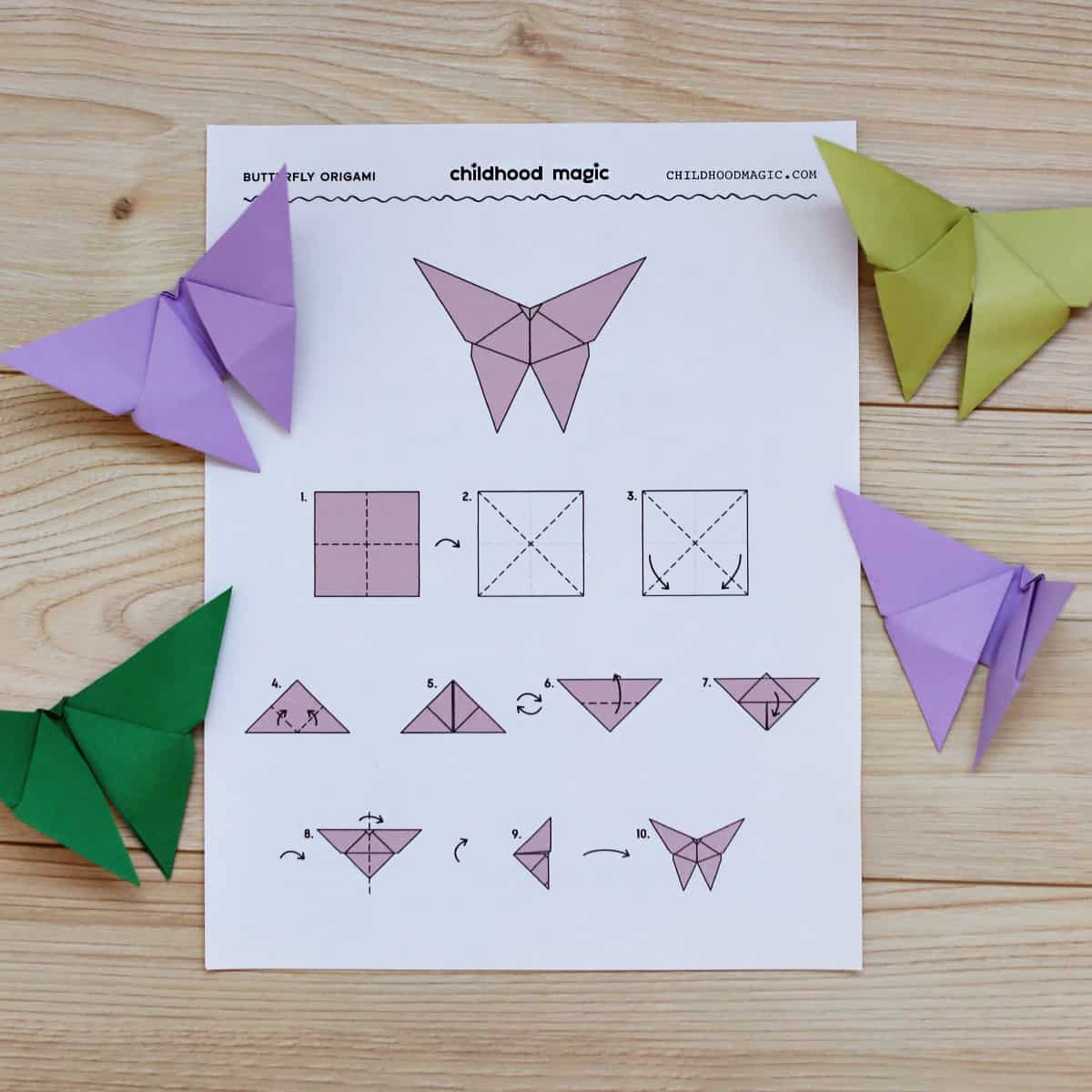
Executing paper craft projects begins with the precise preparation of components followed by methodical assembly. First, print templates on cardstock using high-resolution settings to ensure line clarity. Second, utilize a craft knife and metal ruler to cut along solid lines, ensuring the blade remains perpendicular to the surface. Third, score all dashed lines using a bone folder to create a hinge point, which minimizes fiber stress during folding. Finally, apply adhesive to the tabs using a fine-tip applicator, holding the joints in place until the bond sets completely to ensure the structural geometry remains true to the original design.
Common Challenges and How to Avoid Them
Preventing common paper craft failures involves managing moisture levels and ensuring blade sharpness. Dull blades frequently cause paper fibers to fray, resulting in jagged edges that compromise the final appearance. Furthermore, excessive use of water-based adhesives often leads to warping or “puckering” of the cardstock; applying glue in thin, uniform layers mitigates this risk. When working on complex structures, allow each section to cure fully before proceeding to the next, preventing unintended shifts in alignment that often plague multi-part assemblies.
💬 Frequently Asked Questions
Explore More Guides on The Cottage Chronicles
Mastering these fundamental techniques facilitates the creation of sophisticated home additions, from seasonal garlands to functional organizational boxes. For further inspiration on integrating handmade elements into a domestic space, browse the full library of Recipes & Baking or visit the primary resource hub at The Cottage Chronicles.
Visual Reference Gallery