Introduction
DIY farmhouse wall decor centers on transforming raw timber, reclaimed metals, and neutral textiles into balanced visual focal points that ground rustic interiors. According to the American Society of Interior Designers (ASID), incorporating tactile natural elements and authentic artisan finishes significantly elevates spatial wellness and residential character. Crafting these rustic interior accents requires deliberate material selection, precise scaling, and attention to historical joinery methods rather than superficial aging techniques. Homeowners, educators, and makers frequently seek out DIY & Cottage Decor strategies to achieve a curated, heritage-inspired aesthetic without extensive commercial expenditures. Detailed technical execution ensures that handmade wall hangings remain structurally sound, visually balanced, and authentically matched to historic or modern farmhouse room layouts.
Cottage Project & Prep Snapshot:
- Core Focus: Constructing authentic, budget-friendly rustic wall accents using reclaimed wood and natural textiles.
- Materials & Scope: S4S pine boards, chalk-based mineral paint, D-ring hangers, and heavy-duty wood glue.
- Key Recommendation: Maintain proper wood conditioning and accurate room-scale proportions to prevent warping and visual crowding.
Core Principles and Detailed Overview
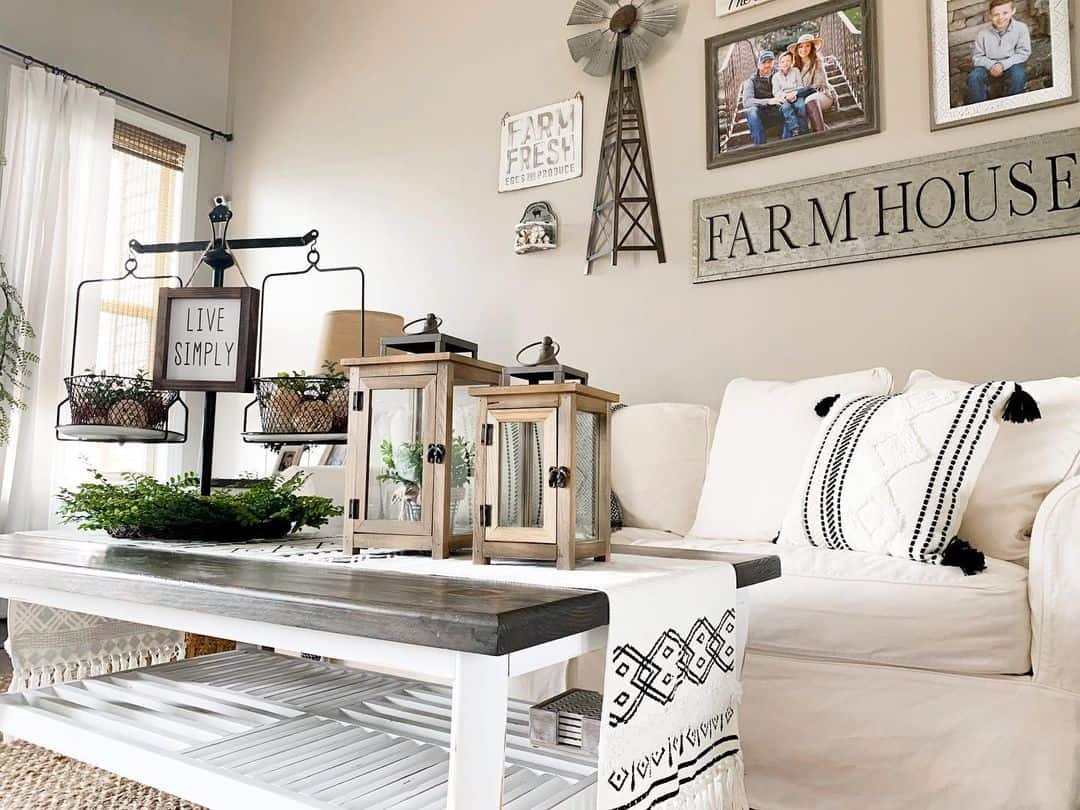
Proportional balance and authentic textures form the foundational standards of successful rural-style interior ornamentation. Wall compositions must respect the overarching architectural lines of the room, utilizing vertical board-and-batten paneling or horizontal shiplap alignment to guide the human eye naturally through the space. Selecting sustainable, locally sourced lumber reduces material costs while ensuring the grain patterns reflect traditional vernacular architecture. When pairing handmade wooden signs or botanical frames with existing furniture, maintaining consistent wood stain undertones prevents visual clashing and preserves a cohesive country atmosphere. Proper hardware selection—such as forged iron brackets or heavy-duty D-ring hangers—guarantees safe load distribution across drywall and lath-and-plaster surfaces alike.
Key Specifications and Breakdown
| Component / Step | Recommended Specification | Quality & Practical Tip |
|---|---|---|
| Base Framing Lumber | Kiln-dried 1×6 white pine or reclaimed barn siding | Check moisture content below 12 percent to prevent post-installation warping. |
| Surface Finishing | Low-VOC chalk paint and clear beeswax sealer | Apply thin, layered coats to allow natural wood grain texture to remain visible. |
| Hanging Hardware | Rated 50-lb steel D-rings with braided picture wire | Anchor directly into wooden wall studs whenever possible for maximum safety. |
Authentic rustic interior styling prioritizes sustainable material sourcing, structural integrity, and adherence to historic proportions over artificial distressing — American Society of Interior Designers (ASID). For more related activities, check out our Printable Diy Kids.
Visual Reference Gallery


Step-by-Step Practical Application and Guidelines
Building a custom rustic wooden wall sign begins with accurate board preparation, careful sanding, and proper joint assembly. Measure and cut base pine boards to desired dimensions using a miter saw, ensuring square corners and smooth, splinter-free edges. Apply a thin coat of dark walnut stain as an undertone, allow penetration for fifteen minutes, and wipe away excess residue with a clean cotton cloth. Layer a contrasting coat of milk paint or chalk-based paint over the cured stain, then distress targeted edges with fine-grit sandpaper to simulate natural wear patterns. Secure supporting mending plates to the rear joints using galvanized screws to maintain structural rigidity over seasonal humidity shifts. Finally, attach heavy-duty mounting hardware to the upper rear framing members, verifying level alignment prior to final wall placement.
Common Challenges and How to Avoid Them
Preventing warped timber and failing wall anchors requires careful attention to environmental conditioning and proper load-bearing hardware. Unseasoned wood brought directly from unheated workshops into climate-controlled living spaces will frequently twist as residual moisture evaporates. Mitigate this risk by allowing raw lumber to acclimate indoors for a minimum of seventy-two hours prior to cutting and assembly. Furthermore, relying exclusively on plastic drywall anchors for heavy wooden frames risks structural failure; always locate wall studs with an electronic finder or secure pieces directly to horizontal blocking. Careful planning during the preparatory phase ensures that handcrafted rustic decor items remain secure, beautiful, and durable for decades of daily family life.
Frequently Asked Questions
What wood is best for rustic wall decor?
White pine, reclaimed barn wood, and quarter-sawn oak provide the ideal balance