Introduction
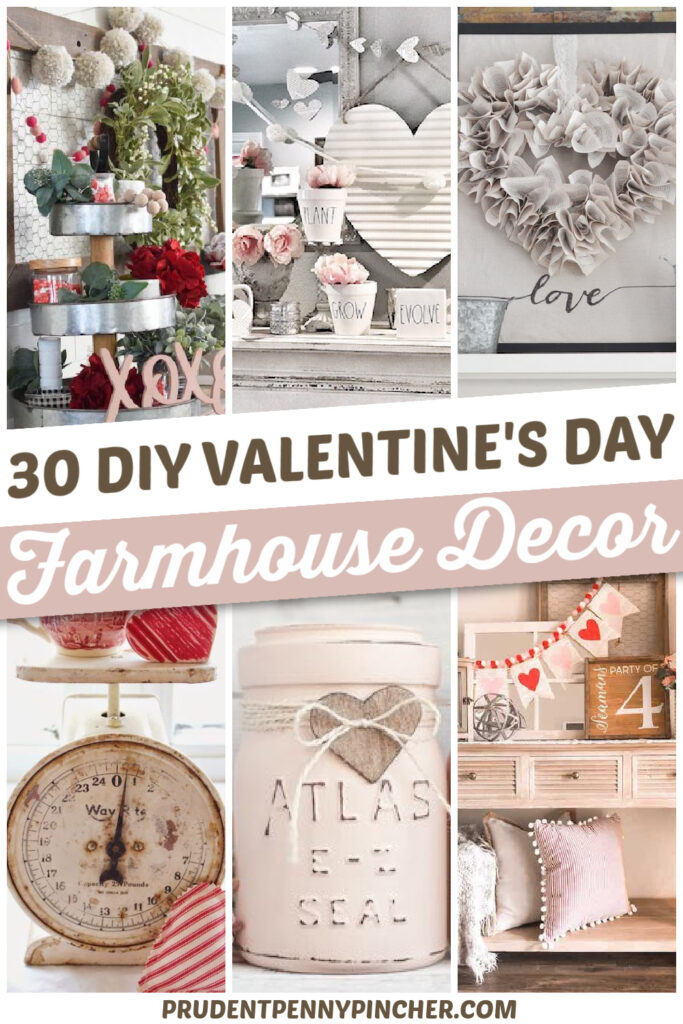
DIY farmhouse valentine decor utilizes reclaimed wood, natural textiles, and muted palettes to create an understated, seasonal aesthetic that honors traditional cottage living. According to the American Society of Interior Designers (ASID), successful residential design prioritizes the integration of authentic, tactile materials that enhance the functional and emotional comfort of a living space. This approach replaces commercial clutter with intentional, handcrafted elements that emphasize texture, proportion, and historical charm. Integrating these principles ensures that seasonal styling remains cohesive with permanent home fixtures, providing a timeless look suitable for any DIY & Cottage Decor project.
Cottage Project & Prep Snapshot:
- Core Focus: Creating minimalist, rustic valentine accents using natural materials and vintage-inspired motifs.
- Materials & Scope: Burlap, linen, reclaimed pine, kraft cardstock, and dried botanicals.
- Key Recommendation: Maintain a neutral base color palette to allow subtle red or cream accents to define the seasonal theme.
Core Principles and Detailed Overview
Farmhouse valentine decor relies on the deliberate selection of organic materials and neutral tones to avoid visual overstimulation in small-to-medium residential spaces. Prioritizing raw textures—such as frayed linen ribbons, distressed wood blocks, or hand-stamped kraft paper—establishes a warm, grounded atmosphere. Proportion remains critical; smaller decorative vignettes placed on mantels or entry tables prevent the space from feeling cluttered. By limiting the color palette to creams, weathered greys, and muted rose or brick red, the decor achieves a sophisticated balance that respects the architectural integrity of a cottage or farmhouse home. These methods effectively bridge the gap between holiday-specific flair and permanent interior design standards.
Key Specifications and Breakdown
| Component / Step | Recommended Specification | Quality & Practical Tip |
|---|---|---|
| Textile Selection | Natural linen or burlap | Pre-wash fabrics to achieve a softer, authentic farmhouse drape. |
| Paper Weight | 80lb – 100lb cardstock | Use matte finishes to avoid glare and maintain a rustic, vintage look. |
| Wood Finishing | Water-based matte stain | Apply thin layers to ensure wood grain visibility for an aged appearance. |
Principles of Sustainable Design — American Society of Interior Designers (ASID)
Step-by-Step Practical Application and Guidelines
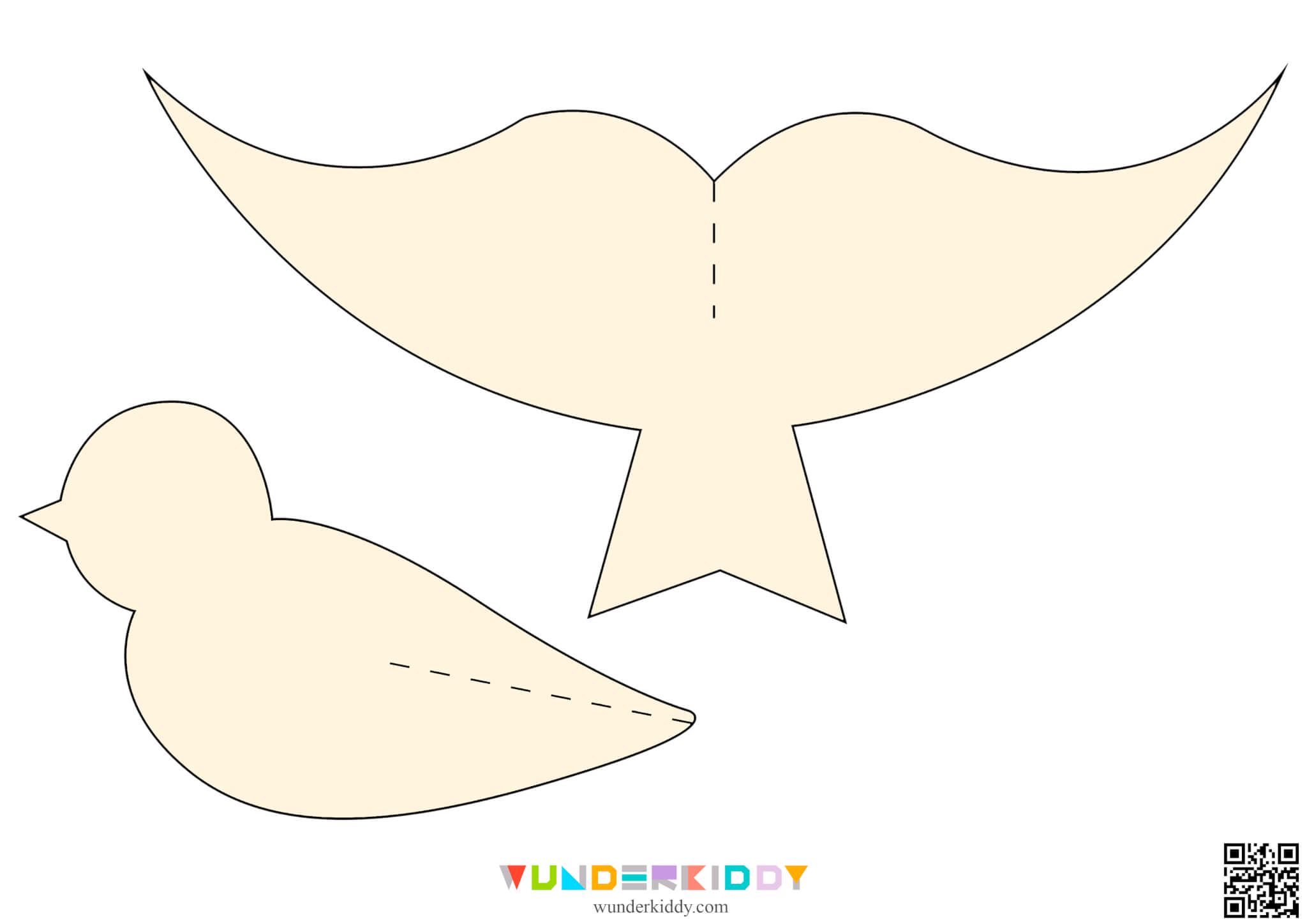
Executing professional-grade farmhouse decor requires a systematic approach to assembly, focusing on clean lines and material compatibility. Begin by selecting a central focal point, such as a mantel or dining centerpiece, and establish a base layer using neutral linens or wood risers. Incorporate paper crafts by printing templates onto heavy-duty cardstock, ensuring precise cuts with sharp blades to maintain professional edges, as outlined in Printables & Paper Crafts. When arranging decorative elements, utilize the rule of thirds to create balanced, asymmetrical groupings that draw the eye without overwhelming the surface area. Secure all botanical or fabric elements using low-tack adhesives or natural twine to ensure the integrity of existing furniture surfaces remains intact throughout the display period.
Common Challenges and How to Avoid Them
Over-decorating with high-saturation colors often diminishes the farmhouse aesthetic, making the space appear cluttered rather than intentionally styled. To avoid this, restrict vibrant red tones to small accent pieces like mini-bunting or individual ribbon bows, keeping the majority of the display within a neutral, earth-toned spectrum. Another common pitfall involves using synthetic, high-gloss materials that clash with rustic wood or stone surfaces; prioritize matte, natural-fiber alternatives to maintain textural harmony. Finally, ensure all DIY components are properly scaled to the room; oversized heart garlands in a small kitchen can disrupt traffic flow and functional workspace utility, whereas appropriately sized, wall-mounted decor saves valuable surface space.
💬 Frequently Asked Questions
Explore More Guides on The Cottage Chronicles
For further inspiration on seasonal home styling and culinary techniques, browse the full library of resources available at The Cottage Chronicles. Whether seeking guidance on Recipes & Baking or advanced crafting tips, the archives provide comprehensive, actionable instructions for maintaining a curated, beautiful home environment year-round.
Visual Reference Gallery