Introduction
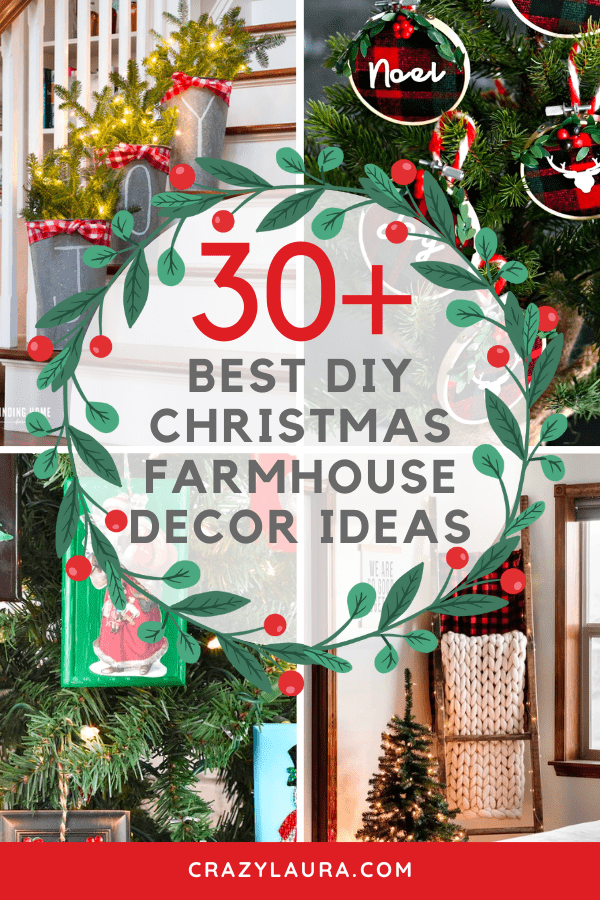
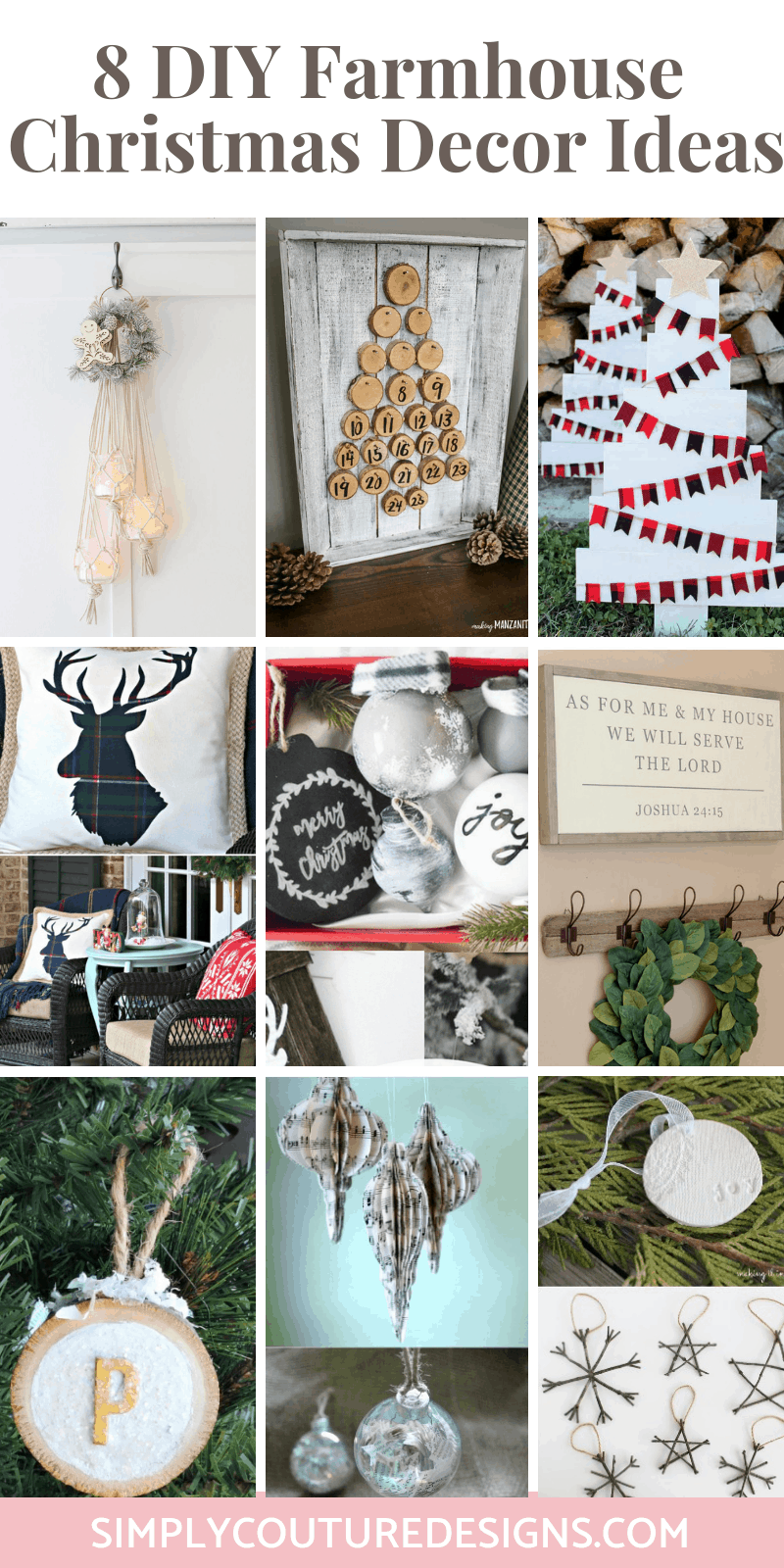
Authentic diy farmhouse christmas decor ideas prioritize natural textures, reclaimed wood elements, and vintage-inspired textiles to establish a grounded, historical holiday aesthetic. According to the American Society of Interior Designers (ASID), incorporating tactile organic materials and sustainable decorative elements enhances residential wellbeing by establishing a direct visual connection to the surrounding natural environment during winter months. This design philosophy translates holiday decorating into a sustainable craft, utilizing accessible components like burlap, pinecones, dried citrus, and galvanized metal. Adhering to these traditional methodologies ensures a cohesive visual rhythm throughout living spaces without relying on mass-produced petroleum-based plastics. Creative homesteaders can explore additional inspiration by referencing curated resources on DIY & Cottage Decor.
Cottage Project & Prep Snapshot:
- Core Focus: Handcrafted holiday styling rooted in historic rural aesthetics and natural elements.
- Materials & Scope: Raw lumber, cotton textiles, fresh evergreens, jute twine, and mercury glass.
- Key Recommendation: Prioritize raw finishes and vintage patinas over glossy manufactured textures.
Core Principles and Detailed Overview
Visual balance in rustic seasonal styling relies entirely on asymmetric clustering and a restrained, nature-derived color palette anchored in forest greens, muted reds, and creamy whites. Core principles dictate that every handmade ornament, garland, or table centerpiece must serve a functional or deeply traditional purpose within the domestic space. Artisans should utilize unbleached cotton, heavy linen, and wool felt to mimic the utilitarian textiles historically found in rural homesteads. Furthermore, integrating dried botanicals such as cinnamon sticks, star anise, and dehydrated orange slices introduces subtle olfactory dimensions that elevate handmade displays beyond visual appeal. Detailed instructional assets for related paper projects are also available through Printables & Paper Crafts for comprehensive seasonal styling.
Key Specifications and Breakdown
| Component / Step | Recommended Specification | Quality & Practical Tip |
|---|---|---|
| Garland Assembly | Fresh noble fir combined with dried orange slices | Soak stem bases in warm water for two hours before stringing to prevent premature needle drop. |
| Textile Selection | 100% unbleached cotton duck and wool felt | Pre-wash fabrics in hot water to achieve an authentic puckered, antique texture before sewing. |
| Wood Finishes | Low-VOC matte beeswax or milk paint | Apply finishes sparingly to preserve the natural grain and knot visibility of reclaimed lumber. |
Biophilic Design Principles in Residential Interiors — American Society of Interior Designers (ASID)
Step-by-Step Practical Application and Guidelines
Executing professional-grade rustic holiday aesthetics begins with gathering sustainably harvested foraged materials and preparing a dedicated workspace free of synthetic clutter. The primary step involves constructing foundational focal points, such as heavy pine bough swags above mantels and oversized burlap stockings stitched with thick wool yarn. Next, layer secondary elements including hand-painted wooden bead garlands and copper wire micro-lights woven subtly through evergreen branches. Maintenance of fresh greenery requires daily misting with water to extend freshness throughout December, while fabric decorations should be stored flat in breathable cotton storage bags. This structured approach guarantees structural integrity and aesthetic longevity for every handmade holiday installation.
Common Challenges and How to Avoid Them
Over-embellishing displays with clashing manufactured ornaments remains the most frequent pitfall when designing authentic rural holiday interiors. Avoiding this issue requires strictly limiting color palettes to raw organic tones and ensuring every handmade piece features a matte or low-luster finish. Another common challenge involves the rapid drying of foraged evergreen branches; combat this by treating cut stem ends with a commercial floral preservative or an organic glycerin solution before mounting. Crafters must also secure heavy wooden signs and mantel displays using appropriate wall anchors to prevent tipping hazards in high-traffic family rooms. Addressing these technical details early ensures safe, durable, and visually harmonious holiday decorating results.
💬 Frequently Asked Questions
Explore More Guides on The Cottage Chronicles
Expanding holiday homemaking skills and seasonal domestic arts involves exploring the comprehensive library of curated homesteading insights available at The Cottage Chronicles. Readers can also discover wonderful holiday treats to complement seasonal interior aesthetics by browsing through Recipes & Baking for traditional holiday baking inspiration.
Visual Reference Gallery