Introduction
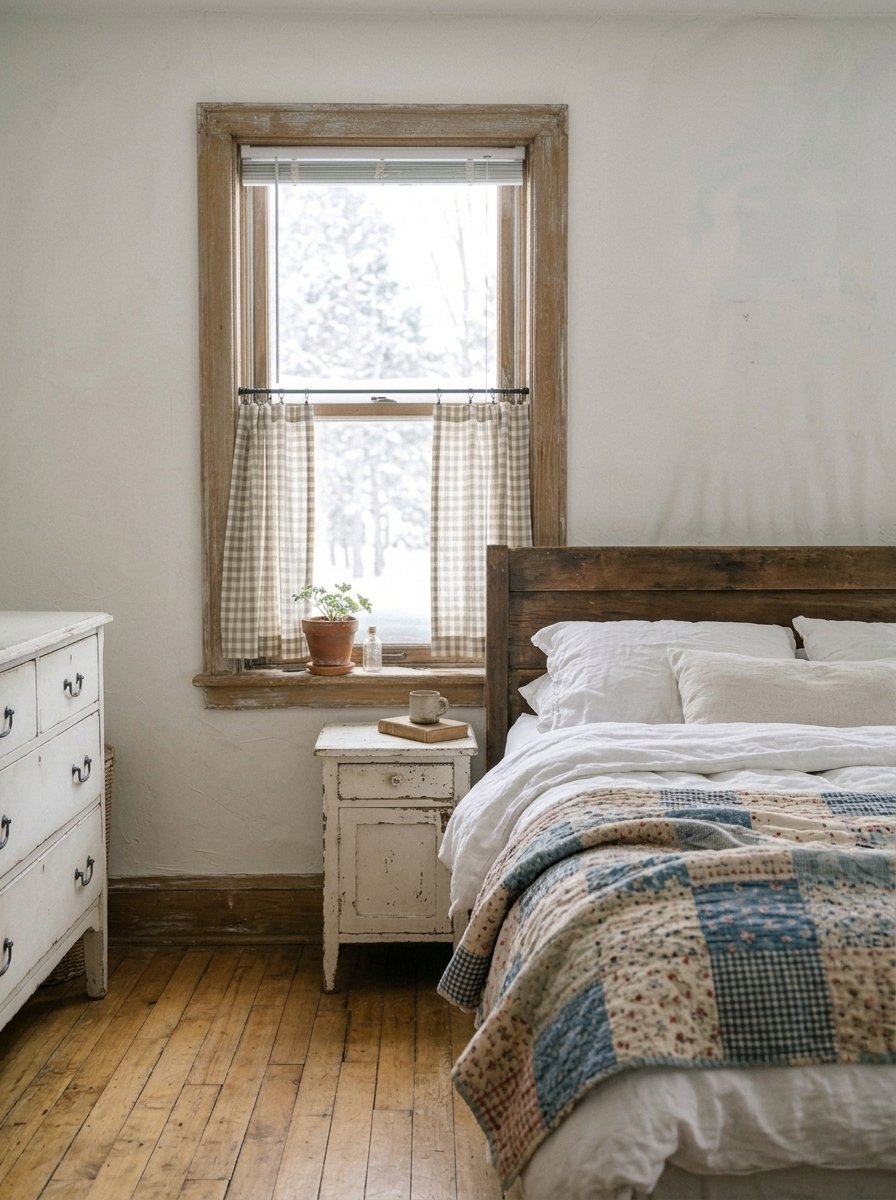
DIY farmhouse bedroom decor centers on the integration of raw natural materials, neutral palettes, and reclaimed textures to create a functional, tranquil living space. According to the American Society of Interior Designers (ASID), sustainable and biophilic design principles significantly enhance occupant well-being by prioritizing natural light and organic tactile elements in residential environments. Implementing these design strategies requires a focus on proportion, reclaimed wood treatments, and soft textile layering to achieve an authentic aesthetic without compromising structural integrity or room utility. Explore further inspiration for home projects within the DIY & Cottage Decor archives.
Cottage Project & Prep Snapshot:
- Core Focus: Utilizing reclaimed materials and neutral textiles to define rustic bedroom spaces.
- Materials & Scope: Distressed wood, linen fabrics, iron hardware, and low-VOC paints.
- Key Recommendation: Maintain a 60-30-10 color ratio to ensure visual balance and calm.
Core Principles and Detailed Overview
Farmhouse bedroom design relies on the harmonious balance between functional utility and weathered, historical charm. Achieving this look necessitates a disciplined approach to color theory, where whites, creams, and grays serve as the primary canvas, allowing textures like jute, wool, and aged timber to provide depth. Furniture selection should prioritize pieces with clean lines and sturdy construction, avoiding overly ornate details that conflict with the minimalist roots of rural architecture. Room proportions must dictate the scale of DIY headboards or storage solutions, ensuring that oversized pieces do not overwhelm smaller footprints. For those integrating decorative elements, utilizing Printables & Paper Crafts can provide cost-effective, high-quality wall art that complements the rustic theme.
Key Specifications and Breakdown
| Component / Step | Recommended Specification | Quality & Practical Tip |
|---|---|---|
| Wall Finishes | Low-VOC Eggshell or Matte | Apply in light, neutral tones to maximize light diffusion. |
| Textile Layers | Heavyweight Linen/Cotton | Use natural fibers for breathability and authentic drape. |
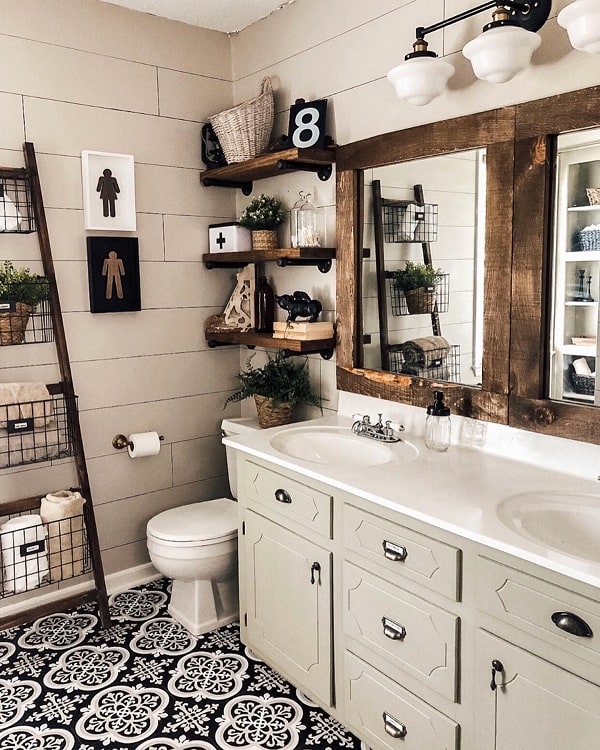
| Wood Accents | Reclaimed Pine or Oak | Seal with matte wax to preserve natural grain patterns. |
Biophilic Design Principle: Natural light exposure and the inclusion of organic materials are fundamental to creating restorative indoor environments. — American Society of Interior Designers (ASID)
Step-by-Step Practical Application and Guidelines
Successful DIY farmhouse execution begins with the systematic evaluation of existing room dimensions and natural lighting conditions. Begin the transformation by stripping away extraneous clutter and preparing wall surfaces for a fresh, neutral coat of paint. Construct headboards using reclaimed pallet wood or salvaged barn timber, ensuring all surfaces are sanded to a smooth finish to prevent splintering. Soften the room’s edges with layered bedding—incorporating a mix of linen duvets and wool throws—to introduce necessary tactile contrast. Finally, select hardware, such as black iron drawer pulls or sconces, to anchor the room with the quintessential farmhouse metallic finish.
Common Challenges and How to Avoid Them
Over-accessorizing represents the most common pitfall in farmhouse decor, often resulting in a cluttered rather than curated appearance. Avoid this by limiting decor to items with either high functional value or significant personal history. Another frequent mistake involves the use of high-gloss finishes, which clash with the matte, organic aesthetic essential to the style; always opt for flat or satin finishes on furniture and trim. Ensure that DIY projects prioritize safety by using non-toxic sealants and verifying the structural stability of wall-mounted items before final installation.
💬 Frequently Asked Questions
Explore More Guides on The Cottage Chronicles
Maintaining a home with intentionality requires ongoing attention to detail and a commitment to quality craftsmanship. Whether refreshing a space with new decor or preparing wholesome meals, further resources are available in the Recipes & Baking collection to help sustain the cottage lifestyle.
Visual Reference Gallery