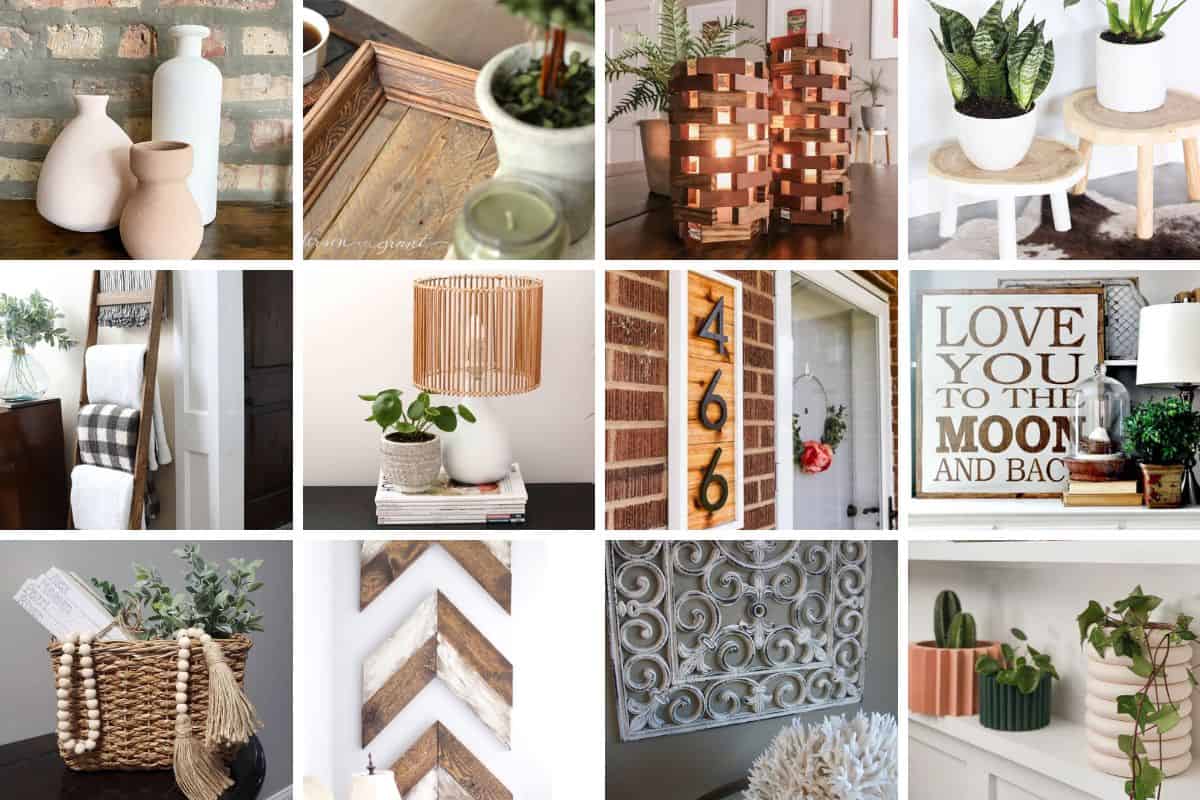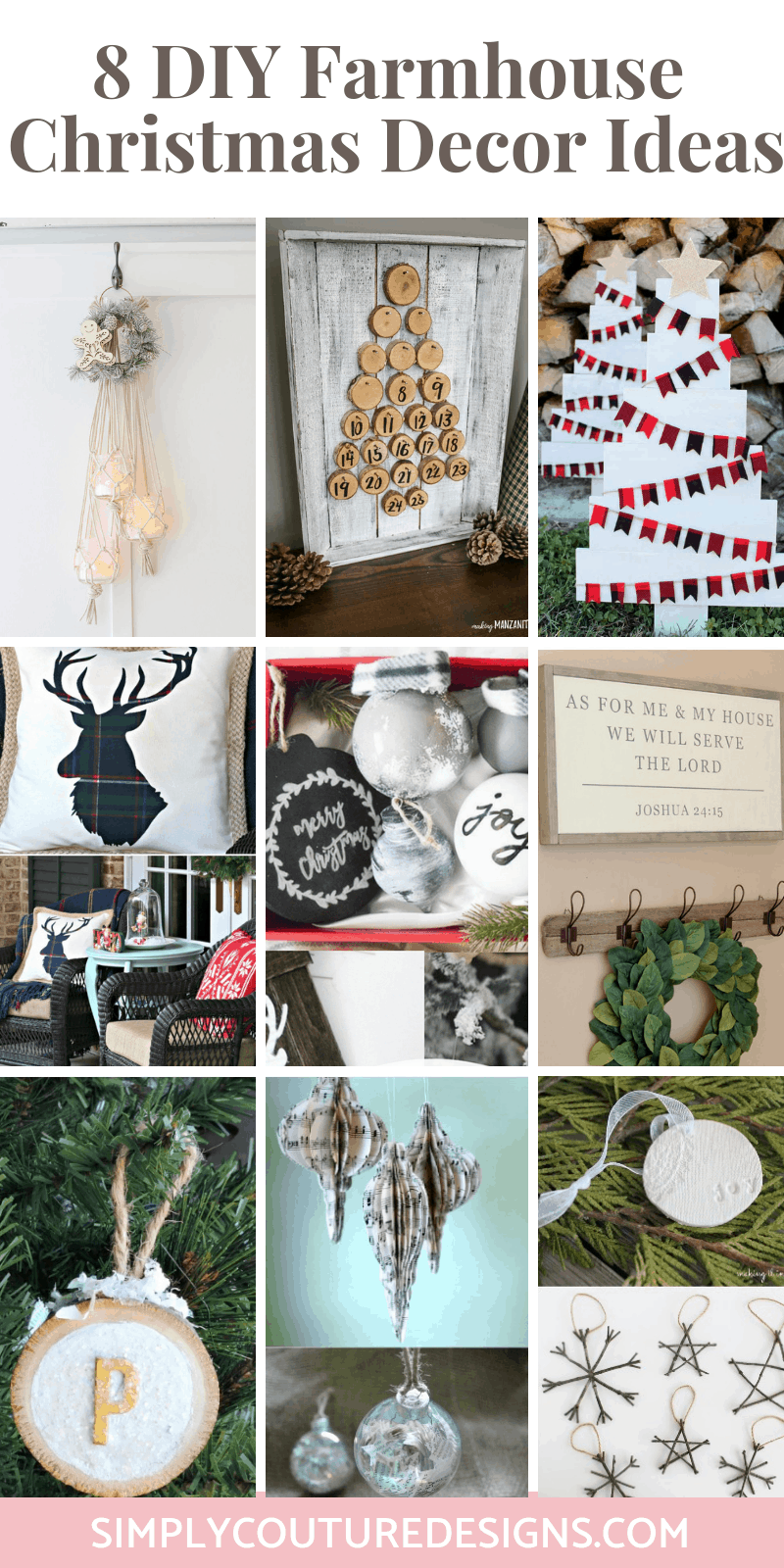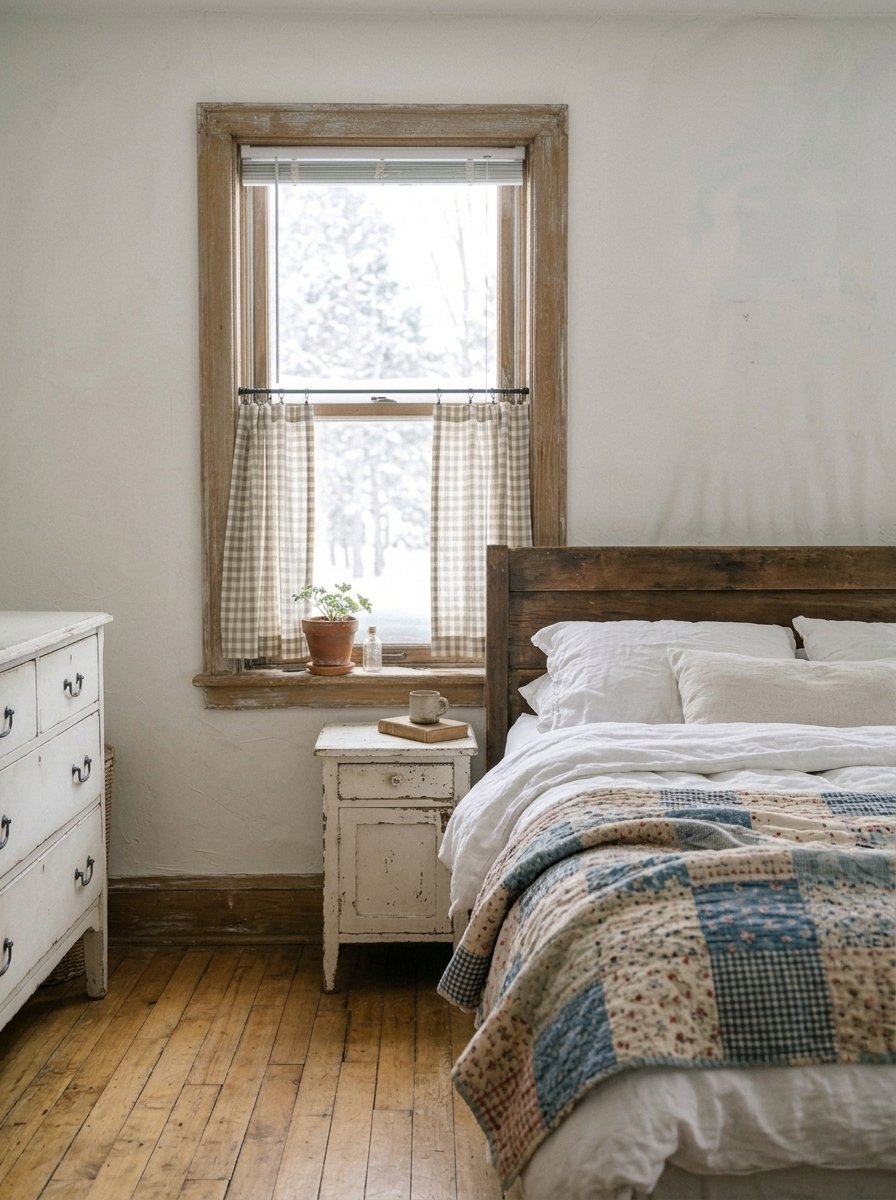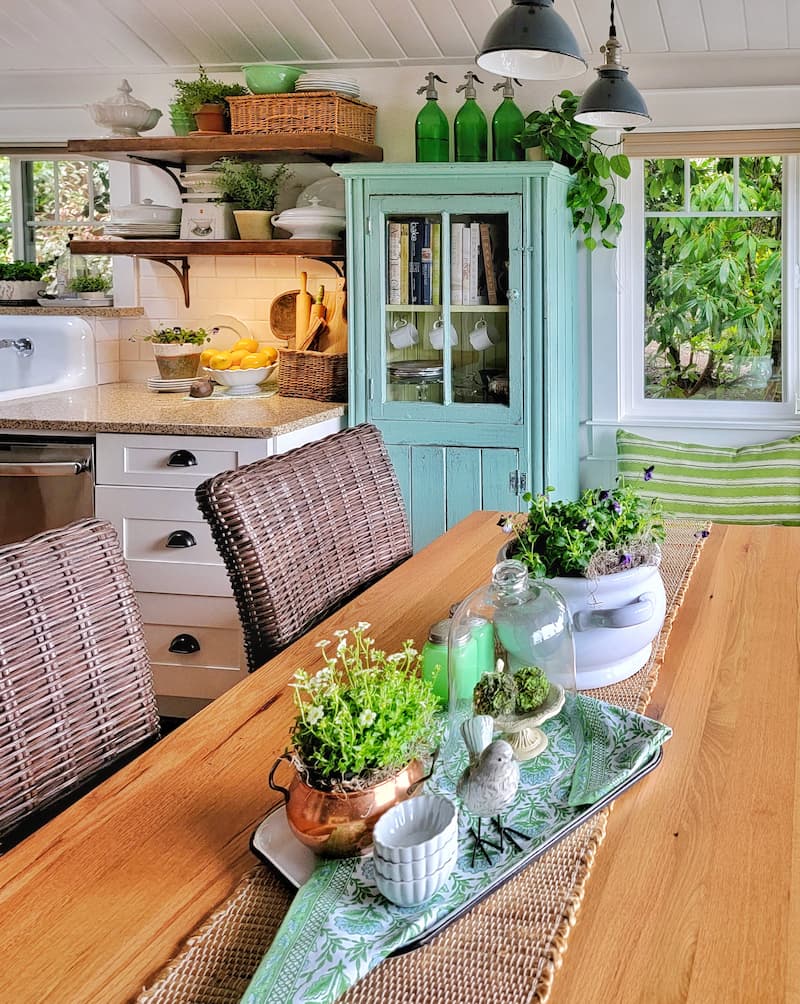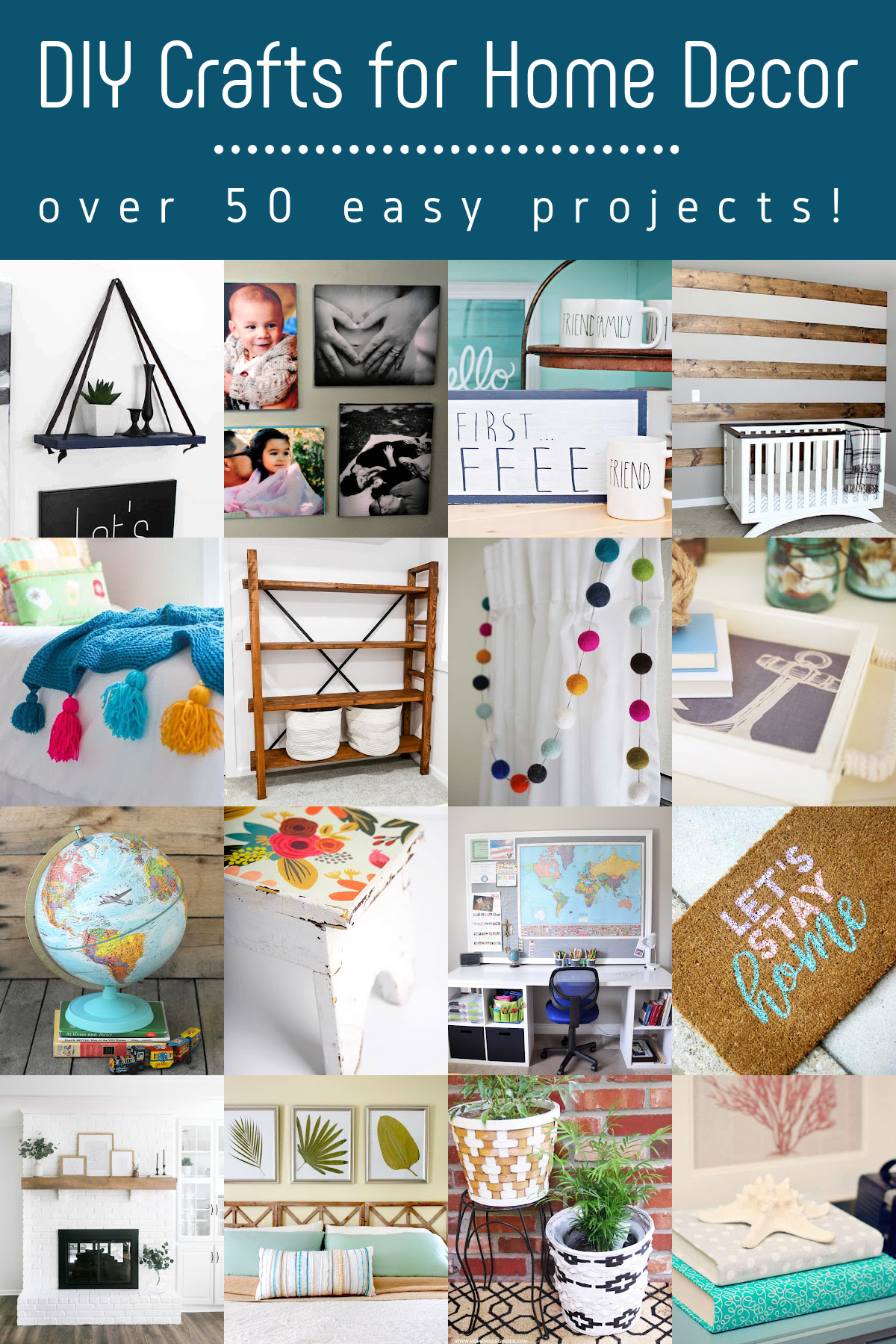
Introduction
Transforming living spaces through handmade rustic enhancements involves utilizing authentic materials, traditional techniques, and purposeful design choices to foster warmth and historical integrity. According to the American Society of Interior Designers (ASID), thoughtful spatial planning and tactile natural textures significantly enhance occupant well-being and interior longevity. Embracing handcrafted elements allows homeowners to curate personalized environments without relying on mass-produced furnishings. This guide explores foundational techniques, material selection, and structural styling strategies tailored for rustic interiors, drawing inspiration from classical DIY & Cottage Decor methodologies. Whether refreshing a cozy cabin or adding character to a suburban farmhouse, applying disciplined craftsmanship ensures lasting aesthetic and functional value across every room.
Cottage Project & Prep Snapshot:
- Core Focus: Elevating interior spaces through authentic handmade elements and natural textures.
- Materials & Scope: Reclaimed wood, natural linen, chalk-based paint, and vintage hardware.
- Key Recommendation: Prioritize structural integrity and proportional balance before applying decorative finishes.
Core Principles and Detailed Overview
Successful interior styling relies on the deliberate combination of organic textures, neutral palettes, and historical proportions to establish visual harmony. Natural wood grains, woven textiles, and matte finishes form the cornerstone of traditional aesthetic frameworks. When planning spatial arrangements, maintaining functional clearance and balancing heavy furnishings with lighter decorative accents prevents visual clutter. Artisans must evaluate room lighting and shadow play before committing to permanent finishes or wall treatments. Integrating timeless accessories ensures interiors remain adaptable across seasonal transitions while honoring traditional architectural heritage.
Key Specifications and Breakdown
| Component / Step | Recommended Specification | Quality & Practical Tip |
|---|---|---|
| Timber Preparation | Kiln-dried reclaimed hardwood | Always sand surfaces to 120-grit smoothness to receive penetrating oils evenly. |
| Wall Treatments | Low-VOC mineral or chalk paint | Apply two thin coats with a natural bristle brush to achieve an authentic historic patina. |
| Textile Selection | 100% unbleached linen or heavy cotton | Pre-shrink fabrics by washing in hot water before cutting and sewing slipcovers. |
Prioritizing natural tactile elements and human-scale proportions directly correlates with sustained psychological comfort and aesthetic durability — American Society of Interior Designers (ASID). For more related activities, check out our Diy Cabin Decor Ideas.
Step-by-Step Practical Application and Guidelines
Executing interior projects requires a methodical sequence of surface preparation, material conditioning, and precise assembly. Begin by clearing the workspace and gathering all necessary hand tools, fasteners, and protective finishes. Measure spatial clearances twice to prevent alignment errors during installation, particularly when hanging wall treatments or fitting custom shelving. Apply finishes in well-ventilated areas, allowing adequate curing time between coats according to manufacturer guidelines. Regular inspection of joints and hardware ensures structural stability and preserves the handcrafted quality of each unique home addition.
Common Challenges and How to Avoid Them
Preventing warping, uneven staining, and premature wear requires careful environmental conditioning and correct hardware selection. Wood components must acclimate to indoor humidity levels for at least forty-eight hours prior to cutting or finishing to avoid post-installation shifting. When applying finishes, avoid over-brushing to prevent visible streak marks and ensure consistent sheen across the entire surface. Selecting appropriate wall anchors for heavy fixtures prevents structural failure and protects surrounding plaster or drywall from unnecessary damage during daily use.
💬 Frequently Asked Questions
Explore More Guides on The Cottage Chronicles
Expanding creative home projects involves exploring complementary disciplines such as paper crafting found within Printables & Paper Crafts or mastering culinary arts featured under Recipes & Baking. Continual skill development elevates everyday living spaces into deeply personal sanctuaries. Discover additional curated tutorials, seasonal blueprints, and heritage-inspired homemaking guides across The Cottage Chronicles to inspire your next creative endeavor.
Visual Reference Gallery