Introduction
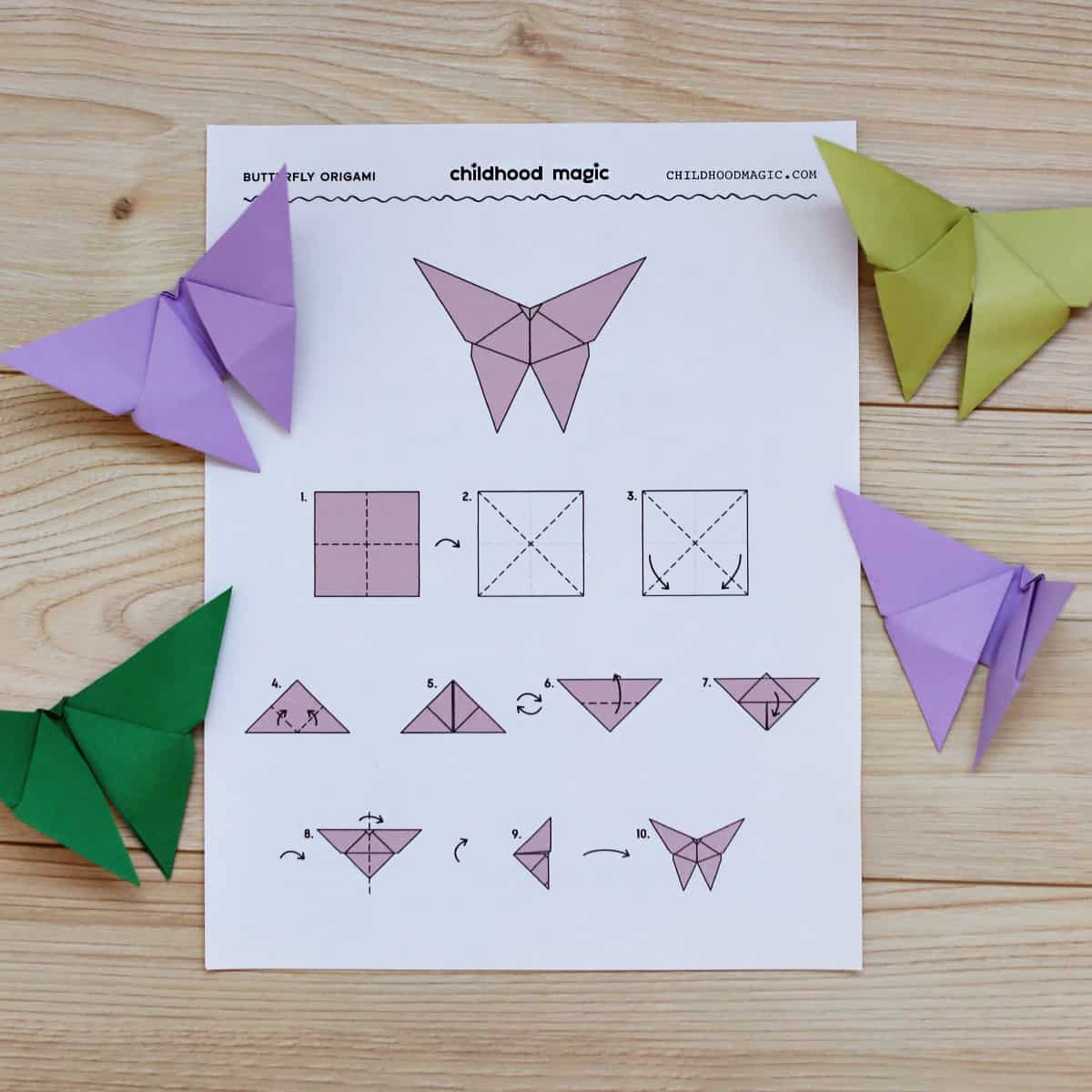
Paper.craft ideas encompass a diverse array of traditional and contemporary tactile projects that elevate domestic spaces through accessible, low-cost media. According to the National Art Education Association (NAEA), creative manipulation of paper media fosters foundational fine-motor precision, spatial reasoning, and sustainable design literacy across diverse learning environments. Implementing these methods requires careful selection of weight classes, precision cutting tools, and structural folding techniques to ensure longevity in rustic, country-style interiors. Enthusiasts seeking structured guidance frequently explore dedicated resources like Printables & Paper Crafts to source high-resolution templates and instructional guides.
Cottage Project & Prep Snapshot:
- Core Focus: Structural paper manipulation for durable interior decor and seasonal styling.
- Materials & Scope: Heavyweight cardstock (65-110 GSM), bone folders, self-healing mats, and archival adhesives.
- Key Recommendation: Always score fold lines prior to bending to achieve crisp architectural edges.
Core Principles and Detailed Overview
Mastering paper.craft ideas relies fundamentally on understanding grain direction, paper weight classifications, and structural tension. Heavyweight cardstock provides the necessary rigidity for three-dimensional geometric sculptures, seasonal garlands, and framed botanical silhouettes suited for farmhouse aesthetics. Crafters must utilize precise scoring methods to prevent unsightly fiber cracking along fold lines, ensuring a polished finish that mimics traditional millwork or textile patterns found throughout historic rural homes. Complementing these tactile projects with complementary interior accents can be achieved by exploring DIY & Cottage Decor for cohesive styling inspiration.
Key Specifications and Breakdown
| Component / Step | Recommended Specification | Quality & Practical Tip |
|---|---|---|
| Base Paper Stock | 80–110 lb (216–300 GSM) Cardstock | Provides structural integrity for freestanding 3D cottage models and decorative banners. |
| Scoring Tool | Teflon Bone Folder or Dull Stylus | Prevents surface tearing while creating clean, professional creased edges. |
| Adhesive Selection | PVA Bookbinding Glue or Double-Sided Tape | Reduces warping by minimizing moisture absorption in delicate cellulose fibers. |
Cellulose fiber stabilization and proper grain alignment prevent warping and structural sagging in three-dimensional paper sculptures. — National Art Education Association (NAEA)
Step-by-Step Practical Application and Guidelines
Executing paper.craft ideas successfully demands an orderly workflow beginning with accurate digital scaling or template tracing. Begin by transferring high-resolution vector patterns onto the reverse side of textured cardstock to avoid visible marker or pencil lines on the finished display piece. Utilize a steel ruler and a sharp utility knife on a self-healing cutting mat for straight architectural edges, reserving intricate inner cutouts for detail scissors. Fold every scored crease firmly with a bone folder before applying minimal, targeted drops of quick-setting PVA adhesive to join structural tabs, holding each joint under light pressure until fully cured.
Common Challenges and How to Avoid Them
Common failures in paper crafts typically stem from excessive moisture application, incorrect grain alignment, and dull cutting blades that fray paper fibers. Prevent adhesive buckling by substituting wet glues with dry runner tape or low-moisture glue pens when working with delicate text-weight papers. Furthermore, always test print templates at 100% scale before committing expensive watercolor or specialty cardstock to the printer, ensuring exact dimensional alignment for interlocking geometric assemblies.
💬 Frequently Asked Questions
Explore More Guides on The Cottage Chronicles
Expanding domestic creativity involves continuous exploration of traditional homestead arts, seasonal styling, and timeless interior preservation techniques. Discover additional inspiring tutorials, downloadable templates, and hand-crafted home inspiration directly by visiting The Cottage Chronicles for comprehensive homesteading and DIY resources.