Introduction
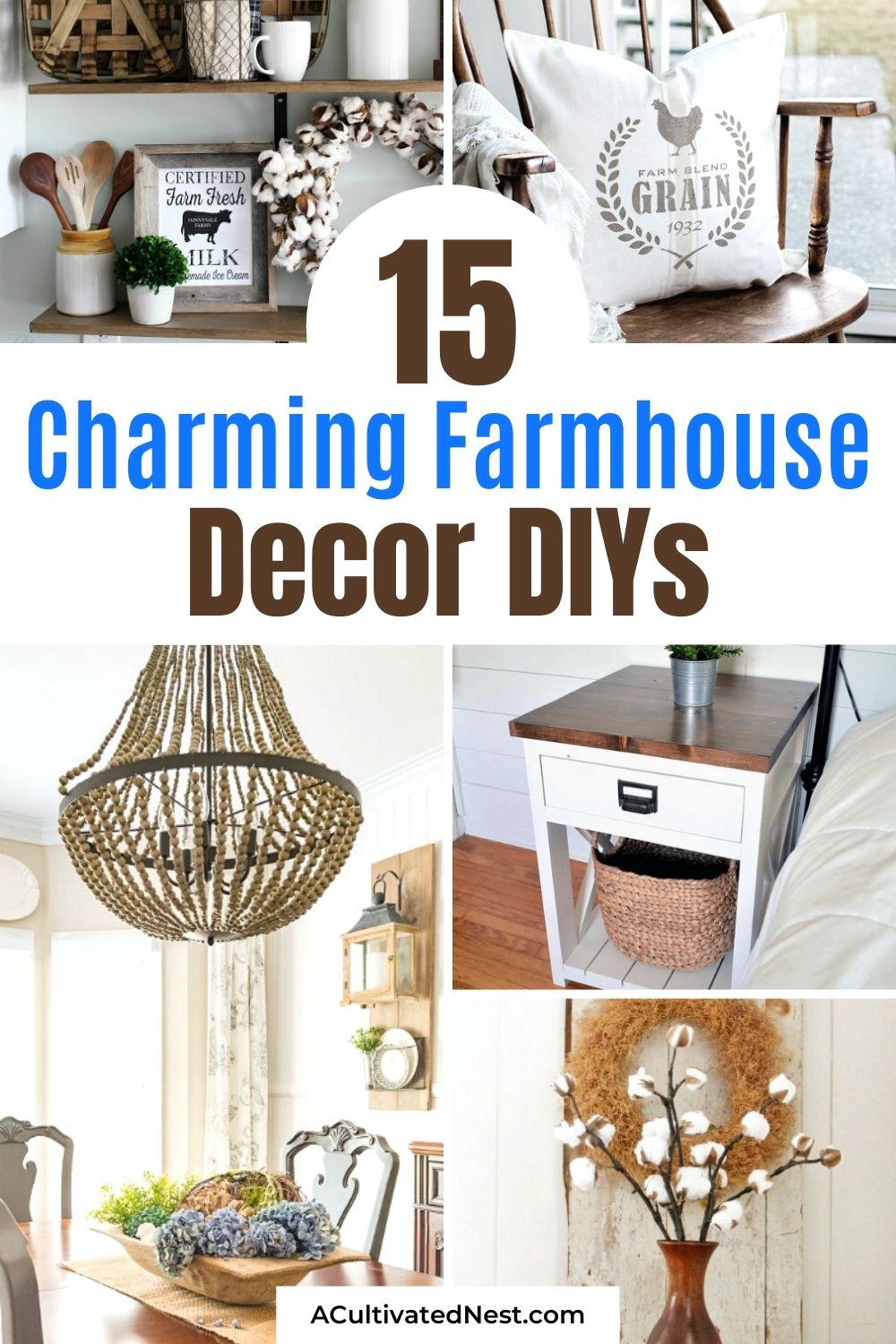
Diy farmhouse decor encompasses intentional hand-crafted styling, natural textures, and budget-friendly architectural elements designed to create authentic, warm, and highly functional rustic living spaces. According to the American Society of Interior Designers (ASID), incorporating tactile organic materials and sustainable craft practices directly improves indoor environmental quality and personal psychological well-being. Enthusiasts aiming to transform residential spaces benefit greatly by utilizing foundational techniques found across DIY & Cottage Decor guides. Mastering these methods ensures durable construction, timeless aesthetic appeal, and budget preservation without sacrificing visual warmth or authentic historic character.
Cottage Project & Prep Snapshot:
- Core Focus: Authentic hand-crafted rustic styling using natural textures and salvaged elements.
- Materials & Scope: Reclaimed timber, chalk-based paints, natural linen, and matte black iron hardware.
- Key Recommendation: Prioritize structural honesty and distressed finishes to maintain authentic period charm.
Core Principles and Detailed Overview
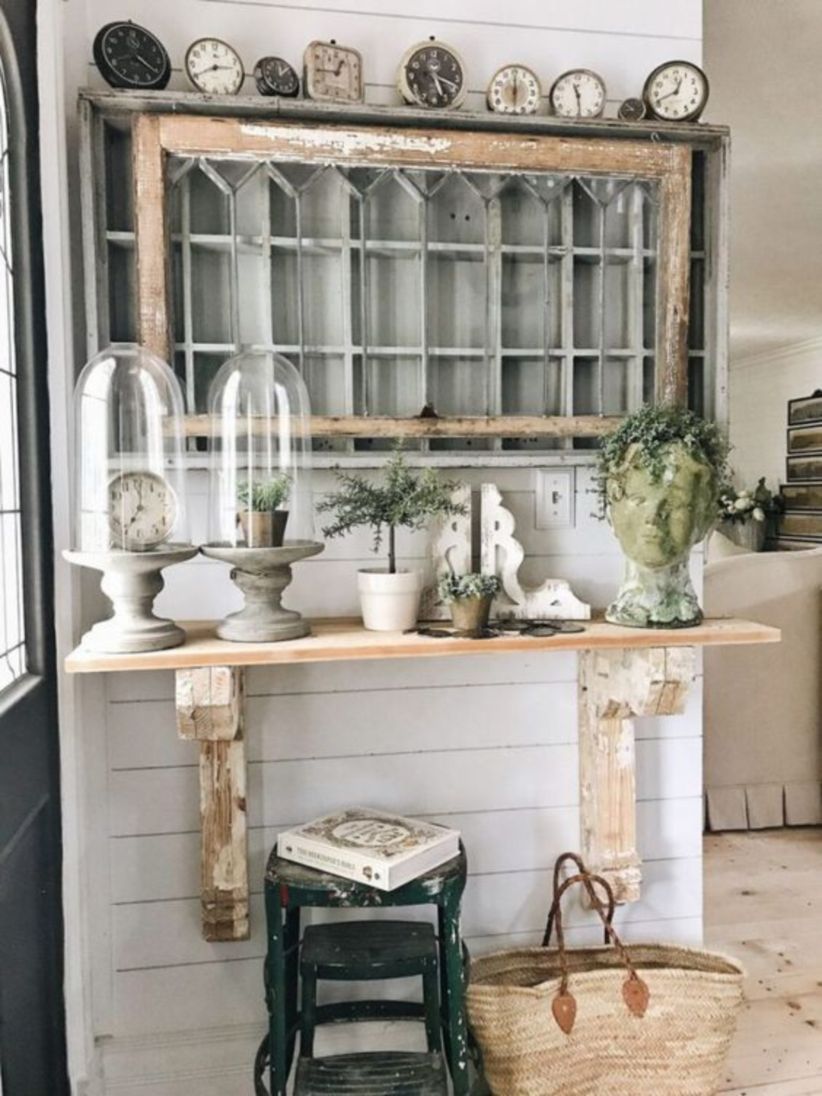
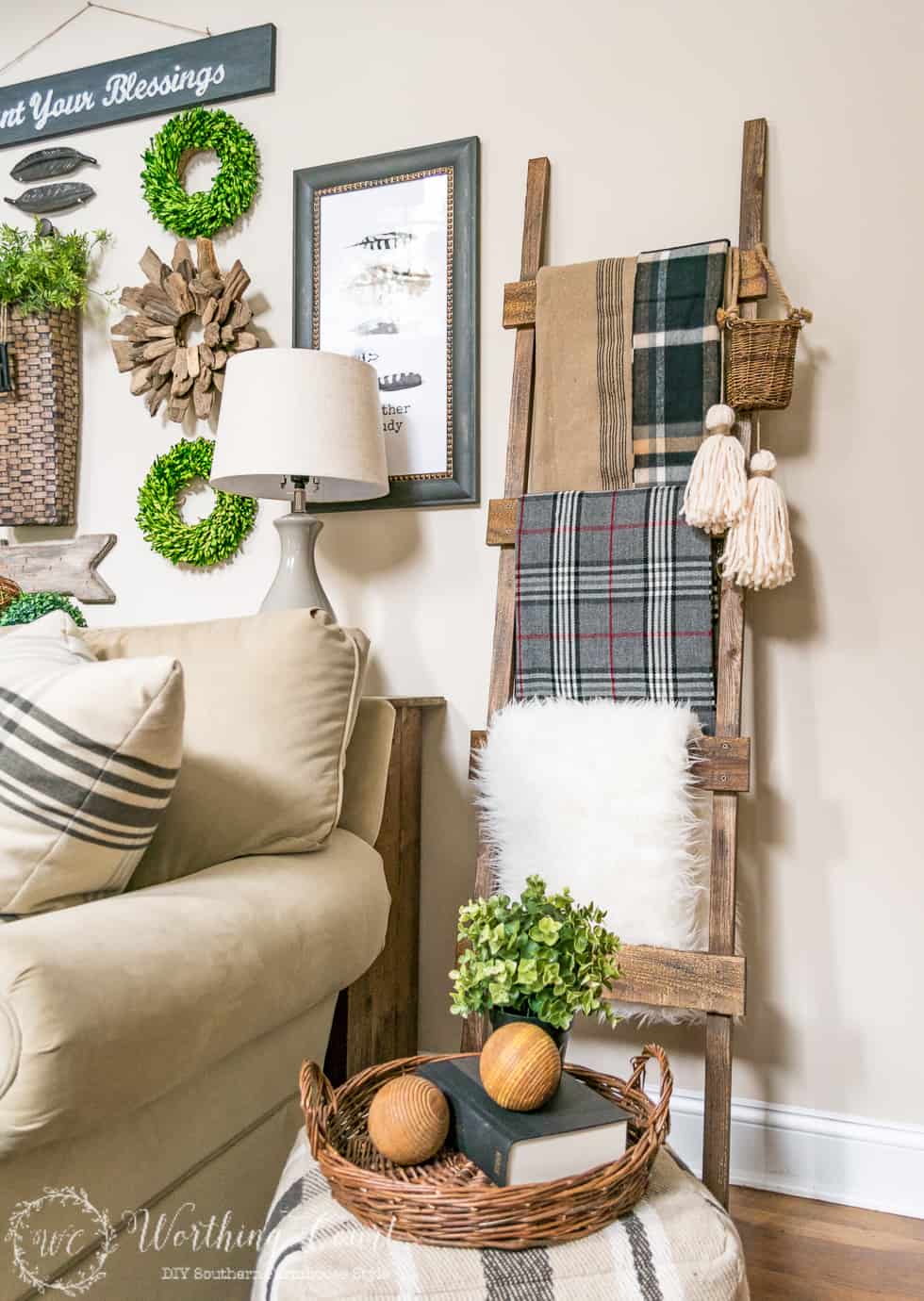
Successful diy farmhouse decor relies on a disciplined balance of raw natural textures, neutral color palettes, and utilitarian craftsmanship that honors traditional rural architecture. Architectural balance in cottage styling is achieved by anchoring rooms with substantial wooden elements, such as exposed ceiling beams, wide-plank flooring, and solid shaker-style furniture. Layering textiles like unbleached cotton, heavy wool, and woven jute adds necessary visual depth to monochromatic spaces dominated by crisp white or warm cream walls. Furthermore, integrating functional objects as decorative statements—such as vintage cast-iron cookware, galvanized metal buckets, and hand-thrown stoneware—reinforces the core design philosophy that utility and beauty remain permanently intertwined in country living environments.
Key Specifications and Breakdown
| Component / Step | Recommended Specification | Quality & Practical Tip |
|---|---|---|
| Wall Finishes | Low-VOC matte or chalk-based paint | Apply subtle lime-wash techniques to create historic texture and soft light diffusion. |
| Wood Treatment | Fumed oak or natural beeswax seal | Avoid high-gloss polyurethane to preserve the organic, tactile feel of raw timber grain. |
| Hardware Accents | Forged matte iron or unlacquered brass | Select traditional bin pulls and strap hinges to anchor cabinetry with authentic weight. |
Biophilic design principles prioritize the incorporation of natural lighting, organic materials, and vegetative textures to significantly reduce occupant stress and enhance indoor habitat vitality — American Society of Interior Designers (ASID)
Step-by-Step Practical Application and Guidelines
Implementing diy farmhouse decor requires a methodical sequence of surface preparation, material selection, and careful distressing to achieve a genuinely weathered aesthetic. Begin by evaluating room proportions and natural lighting conditions, ensuring that heavy wooden furniture pieces do not crowd smaller footprints. Sand raw lumber surfaces lightly with 120-grit sandpaper to eliminate splinters while retaining the natural grain knots and saw marks essential for rustic charm. Apply organic finishing agents, such as dark wax or vinegar-steel wool solutions, to age new pine and oak boards uniformly before final assembly. Secure all wall-mounted shelves and shaker peg rails directly into structural wall studs using heavy-duty fasteners to safely support heavy ceramic dishware and cast-iron display items.
Common Challenges and How to Avoid Them
Over-distressing surfaces and introducing excessive matching manufactured items remain the most frequent pitfalls when executing diy farmhouse decor projects. Achieving a collected-over-time look requires mixing various wood tones and incorporating genuine vintage finds rather than relying exclusively on newly purchased matching furniture sets. Prevent artificial-looking distressing by studying natural wear patterns on antique furniture, focusing sanded edges and scuff marks strictly on areas subjected to frequent human contact. Additionally, maintain spatial breathing room by balancing dense display shelves with minimalist, unadorned wall space to keep rooms feeling airy, purposeful, and genuinely comfortable for daily family living.
💬 Frequently Asked Questions
Explore More Guides on The Cottage Chronicles
Expanding rustic home styling knowledge becomes effortless when exploring comprehensive hand-crafted tutorials across The Cottage Chronicles library. Discover additional creative inspiration, seasonal paper crafts, and wholesome culinary arts by browsing the complete project archives today.
Visual Reference Gallery