

Introduction
Diy farmhouse table decor encompasses curated arrangements of natural textures, weathered woods, and functional vessels that establish authentic rustic charm in rustic dining spaces. According to the American Society of Interior Designers (ASID), successful residential interior design relies on balancing tactile surfaces and human-scaled focal points to maximize spatial warmth. Establishing this aesthetic requires purposeful material selection, strict adherence to visual hierarchy, and an appreciation for traditional craft techniques. For those expanding their creative repertoire, exploring resources like DIY & Cottage Decor offers complementary design frameworks for residential styling. Additional inspiration for seasonal gatherings can be found through Recipes & Baking, pairing visual tablescapes with traditional home-style hospitality.
Cottage Project & Prep Snapshot:
- Core Focus: Diy farmhouse table decor utilizing weathered textures, foraged botanicals, and handcrafted wooden centerpieces.
- Materials & Scope: Reclaimed timber, galvanized metal, linen textiles, stoneware, and seasonal greenery.
- Key Recommendation: Maintain a low-profile centerpiece height under 12 inches to preserve cross-table visibility during meals.
Core Principles and Detailed Overview
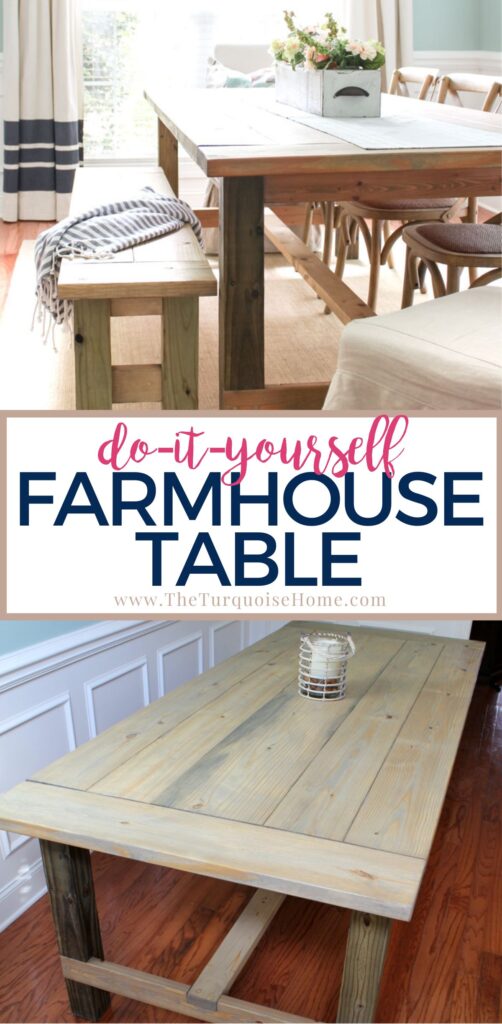
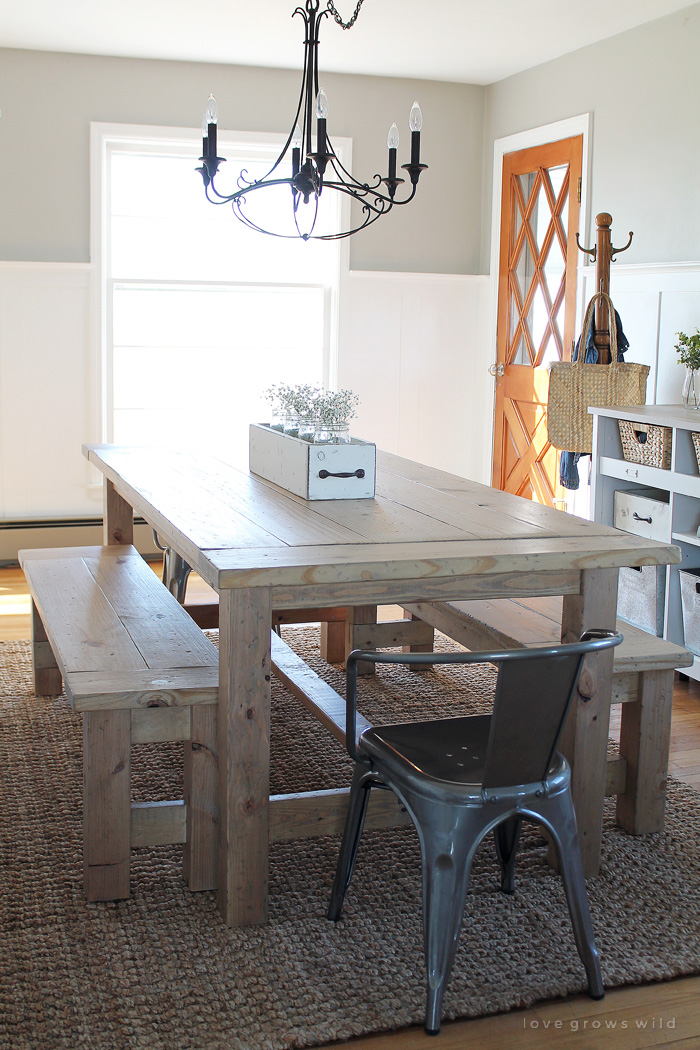
Balancing visual weight and tactile variety forms the foundation of enduring rustic tablescapes. Diy farmhouse table decor succeeds by layering organic materials—such as raw linen runners, distressed pine trays, and matte ceramic pitchers—to create depth without clutter. Spatial proportions dictate that centerpieces occupy no more than one-third of the total table width, leaving ample clearance for everyday dishware and serving platters. Incorporating contrasting elements, like smooth glass jars against rough-hewn wooden boards, prevents monochromatic fatigue and enriches the rustic narrative. Furthermore, integrating paper-crafted accents or custom place settings, detailed within Printables & Paper Crafts, introduces refined personalization to everyday family dining.
Key Specifications and Breakdown
| Component / Step | Recommended Specification | Quality & Practical Tip |
|---|---|---|
| Centerpiece Base | Reclaimed timber box (Length: 24-36 inches, Height: under 4 inches) | Line the interior with plastic inserts to protect wood from moisture when holding fresh floral arrangements. |
| Textile Layers | Washed linen runner (Width: 14-16 inches, Length: Table length plus 12-inch drop) | Pre-wash natural linen fibers to achieve an authentic relaxed drape and prevent future shrinkage. |
| Lighting Accents | Hearth-style pillar candles in glass hurricanes or antique brass sticks | Select unscented wax varieties to avoid competing with aromas from culinary dishes served at the table. |
Proportion and Scale Principle in Residential Interiors — American Society of Interior Designers (ASID)
Visual Reference Gallery




Step-by-Step Practical Application and Guidelines
Executing a balanced tablescape begins with clearing the surface and establishing a neutral foundation runner down the longitudinal center. Diy farmhouse table decor proceeds by positioning the primary anchor piece, such as a long wooden trough or a cluster of vintage stoneware crocks, directly in the middle of the run. Layer secondary textures outward from this central focal point, incorporating folded cloth napkins, weighted cutlery caddies, and seasonal foraged elements like eucalyptus branches or dried wheat stalks. Finish the arrangement by distributing individual place settings that echo the neutral color palette and tactile warmth of the central display, ensuring the overall composition remains functional for daily family life.
Common Challenges and How to Avoid Them
Overcrowding the surface stands as the most frequent error encountered when styling rustic dining tables. Diy farmhouse table decor requires intentional negative space to maintain visual breathing room and accommodate everyday dining essentials without constant rearranging. Another common pitfall involves selecting excessively tall floral arrangements that obstruct eye contact across the table; keeping floral stems trimmed low or utilizing trailing vines resolves this issue completely. Additionally, neglecting surface protection under damp pottery or sweating beverage pitchers can permanently watermark vulnerable wood finishes, making the use of cork coasters or felt pads an essential protective measure.


