Introduction
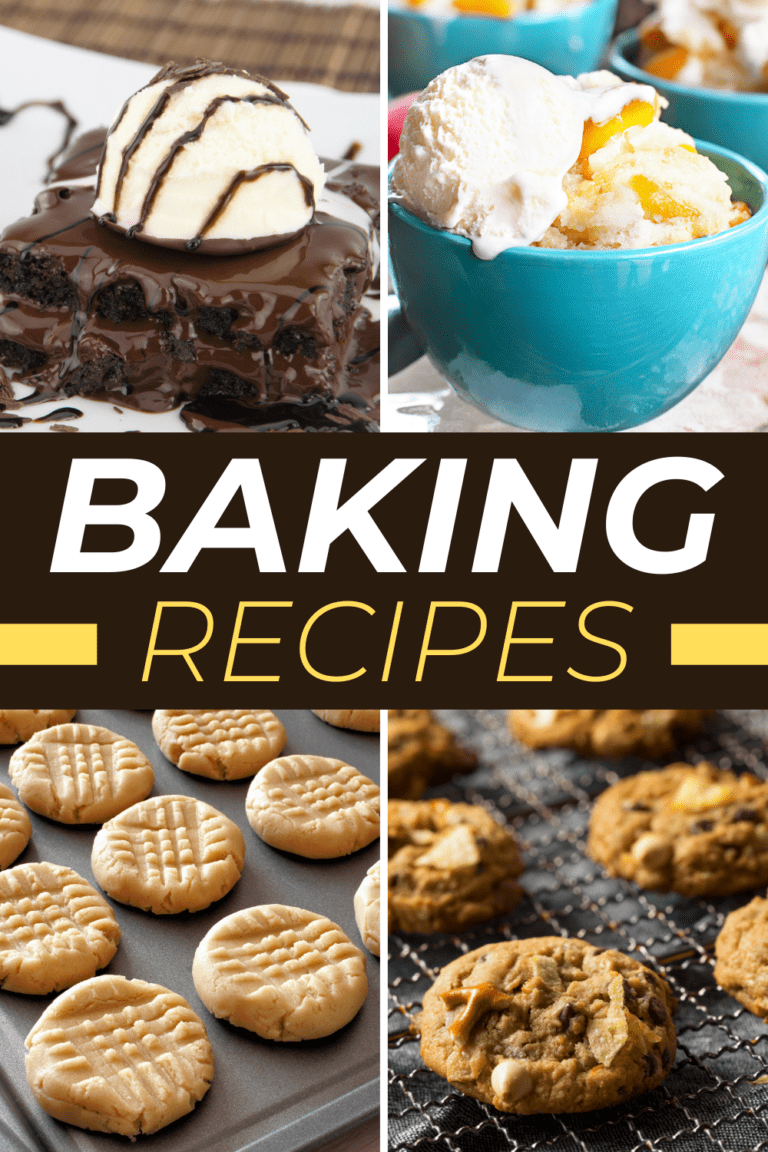
A reliable recipe about baking establishes precise chemical ratios, accurate thermal parameters, and dependable structural techniques required to transform basic flour, fat, liquid, and leavening agents into exceptional hearth-style breads, pastries, and rustic cakes. According to the Culinary Institute of America (CIA), successful baking relies strictly upon precise measurement by weight rather than volume to ensure consistent chemical reactions and dependable crumb structures across every batch. Traditional home-style baking connects modern country kitchens to generations of heritage craftsmanship through wholesome ingredients and time-honored methodologies. Mastering these foundations enhances daily culinary routines, turning simple pantry staples into extraordinary artisanal goods worthy of family gatherings and community celebrations. Practitioners seeking complementary homemaking ideas often explore curated collections found within Recipes & Baking for additional inspiration.
Cottage Project & Prep Snapshot:
- Core Focus: A definitive recipe about baking focusing on precise ingredient ratios, oven thermodynamics, and reliable crumb development.
- Materials & Scope: High-protein unbleached flours, European-style cultured butter, active leaveners, digital scale, and heavy-gauge bakeware.
- Key Recommendation: Always measure dry and wet ingredients by weight using a digital scale to eliminate flour packing errors.
Core Principles and Detailed Overview
Understanding the underlying science of baking ensures consistent textural outcomes by regulating gluten development, moisture distribution, and thermal expansion during the oven spring phase. Every successful recipe about baking operates as a balanced chemical formula where proteins in flour interact with water to form elastic gluten strands, while fats shorten these strands to create tender, flaky crumbs. Leavening agents—whether biological yeast, chemical baking powder, or mechanical steam—produce trapped gases that expand under heat, giving baked goods their signature rise and airy internal structure. Temperature control plays an equally vital role, as cold fats yield flaky pie crusts and laminated pastries, whereas room-temperature ingredients emulsify smoothly into rich cake batters. Utilizing heavy cast-iron or insulated aluminum bakeware further stabilizes heat transfer, preventing scorched bottoms and uneven centers. Home bakers striving to elevate their craft frequently review specialized guides featured in DIY & Cottage Decor to style rustic kitchen spaces that celebrate heritage baking traditions.
Key Specifications and Breakdown
| Component / Step | Recommended Specification | Quality & Practical Tip |
|---|---|---|
| Flour Selection | Bread flour (12-14% protein) for structure; pastry flour (8-9% protein) for tenderness. | Sift flour prior to weighing only if specified; otherwise, spoon and level gently. |
| Oven Thermodynamics | Preheat oven for 30 minutes minimum using an independent internal thermometer. | Never rely solely on digital dial indicators; verify true ambient cavity temperature. |
| Fat Emulsification | Room temperature (68°F-72°F) butter and eggs for uniform batter incorporation. | Chill doughs containing high butter ratios before baking to prevent premature melting. |
Accurate weight measurement by gram serves as the foundational standard for professional and artisanal baking success — Culinary Institute of America (CIA). Related guide: Recipes Baking Easy.
Step-by-Step Practical Application and Guidelines
Executing any reliable recipe about baking requires meticulous organization, precise staging of ingredients, and strict adherence to recommended mixing times and oven temperatures. Begin by gathering all components, ensuring dairy and eggs sit at room temperature while fats for pastries remain thoroughly chilled. Weigh all dry and wet ingredients on a calibrated digital kitchen scale, organizing them in individual prep bowls to streamline the assembly process. Combine ingredients using the designated method—such as the creaming method for butter cakes or the cut-in method for biscuits—stopping immediately once the flour disappears to prevent tough, over-developed gluten. Transfer the prepared dough or batter into properly greased or parchment-lined pans, matching the pan dimensions specified in the recipe to avoid structural collapse or uneven baking times. Monitor the items during the final minutes of baking, testing for doneness using internal temperature probes or wooden skewers before cooling completely on wire racks.
Common Challenges and How to Avoid Them
Preventing common baking failures involves recognizing early warning signs during mixing and baking, such as dense crumbs, sunken centers, or excessively browned crusts. Dense or rubbery textures usually stem from over-mixing batter after adding flour or using expired chemical leavening agents that fail to release carbon dioxide gas under heat. Sunken cakes frequently indicate opening the oven door too early during the baking cycle, which causes thermal shock and collapses delicate air cells before the protein structure sets. Conversely, pale or gummy crusts often result from insufficient baking time, incorrect oven calibration, or overcrowding the oven cavity, which restricts proper air circulation. Maintaining meticulous notes on ambient kitchen humidity, ingredient brands, and exact bake times ensures continuous improvement and flawless execution for future baking sessions. Crafters and bakers interested in packaging homemade goods for gifts often explore paper-craft tutorials available in Printables & Paper Crafts to create custom labels and gift boxes.
💬 Frequently Asked Questions
Explore More Guides on The Cottage Chronicles
Embracing traditional country living involves continuous learning across culinary arts, handmade crafts, and rustic home styling. Discover more heirloom recipes, DIY tutorials, and homesteading inspiration by visiting The Cottage Chronicles to enrich your everyday country lifestyle.
Recipe Step Photos & Variations