Introduction
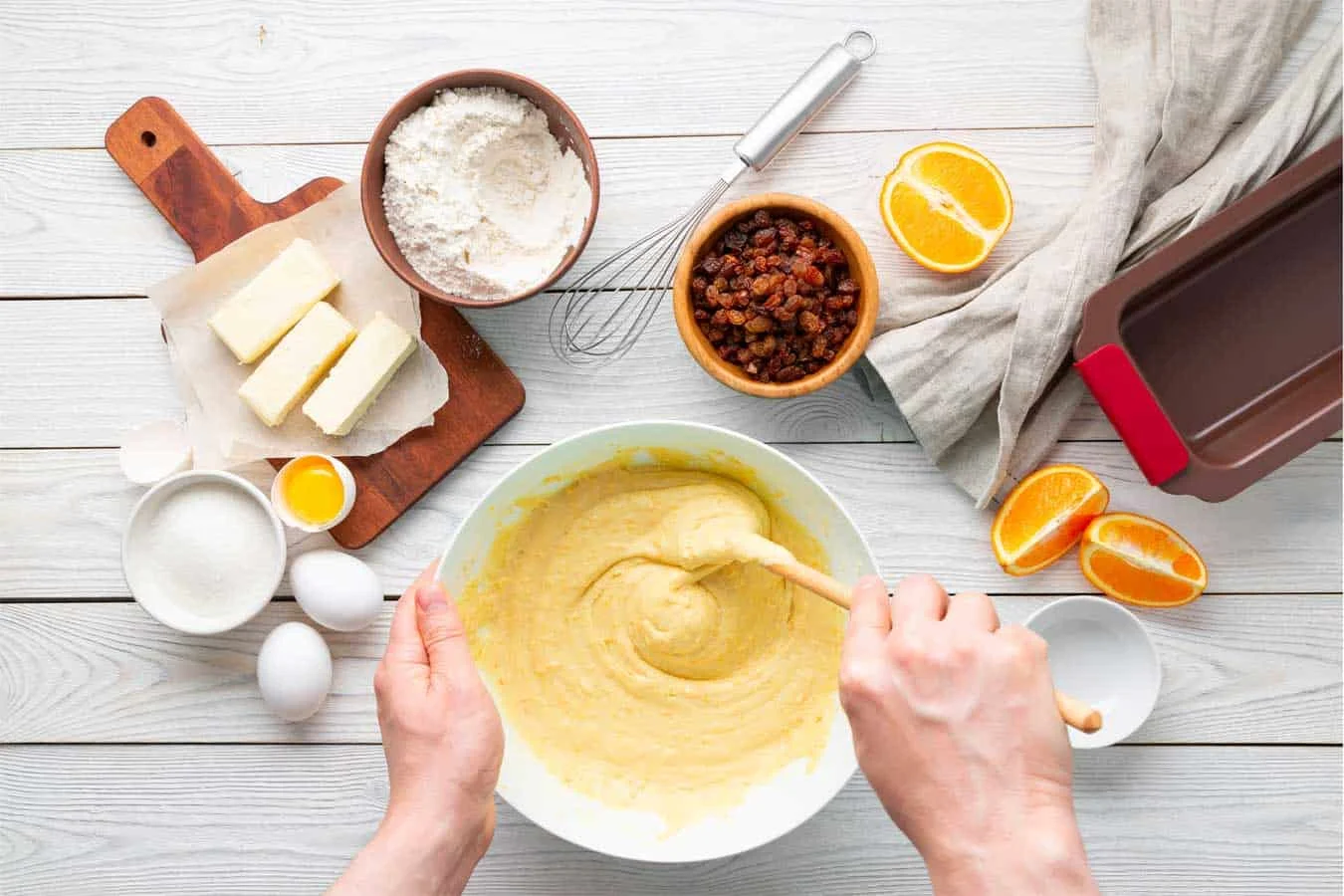
Mastering recipe baking a cake requires precise measurement of structural ingredients, strict adherence to thermal dynamics, and proper mechanical mixing to achieve an even crumb structure. According to the Culinary Institute of America (CIA), successful baking relies fundamentally upon accurate ratios of flour, fat, sugar, and leavening agents combined with temperature control. Traditional home bakers often utilize the creaming method or the reverse-creaming method to incorporate air pockets, which expand under thermal energy during the baking cycle. Perfecting these classic techniques ensures structural integrity, optimal moisture retention, and a tender mouthfeel across various traditional pastry styles. Related guide: Recipes Baking Easy.
Cottage Project & Prep Snapshot:
- Core Focus: Executing precise ingredient ratios and thermal baking controls for classic cakes.
- Materials & Scope: Unbleached all-purpose flour, room-temperature dairy, calibrated kitchen scale, and heavy-gauge aluminum pans.
- Key Recommendation: Always weigh dry ingredients by mass using grams rather than volume measurements to eliminate recipe variance.
Core Principles and Detailed Overview
Achieving structural balance in traditional cake baking demands an understanding of how starches, proteins, and fats interact inside a heated oven. Gluten development must be strictly controlled through gentle folding and minimal over-mixing once the flour meets the wet ingredients. Fat molecules coat protein strands to shorten gluten development, yielding a delicate crumb, while sugar attracts and holds moisture to prevent premature staling. Integrating time-tested methods from Recipes & Baking guarantees reliable, bakery-quality results in any home kitchen environment.
Key Specifications and Breakdown
| Component / Step | Recommended Specification | Quality & Practical Tip |
|---|---|---|
| Fat and Sugar Base | 1:1 mass ratio with butter | Cream thoroughly until pale and fluffy to trap microscopic air cells. |
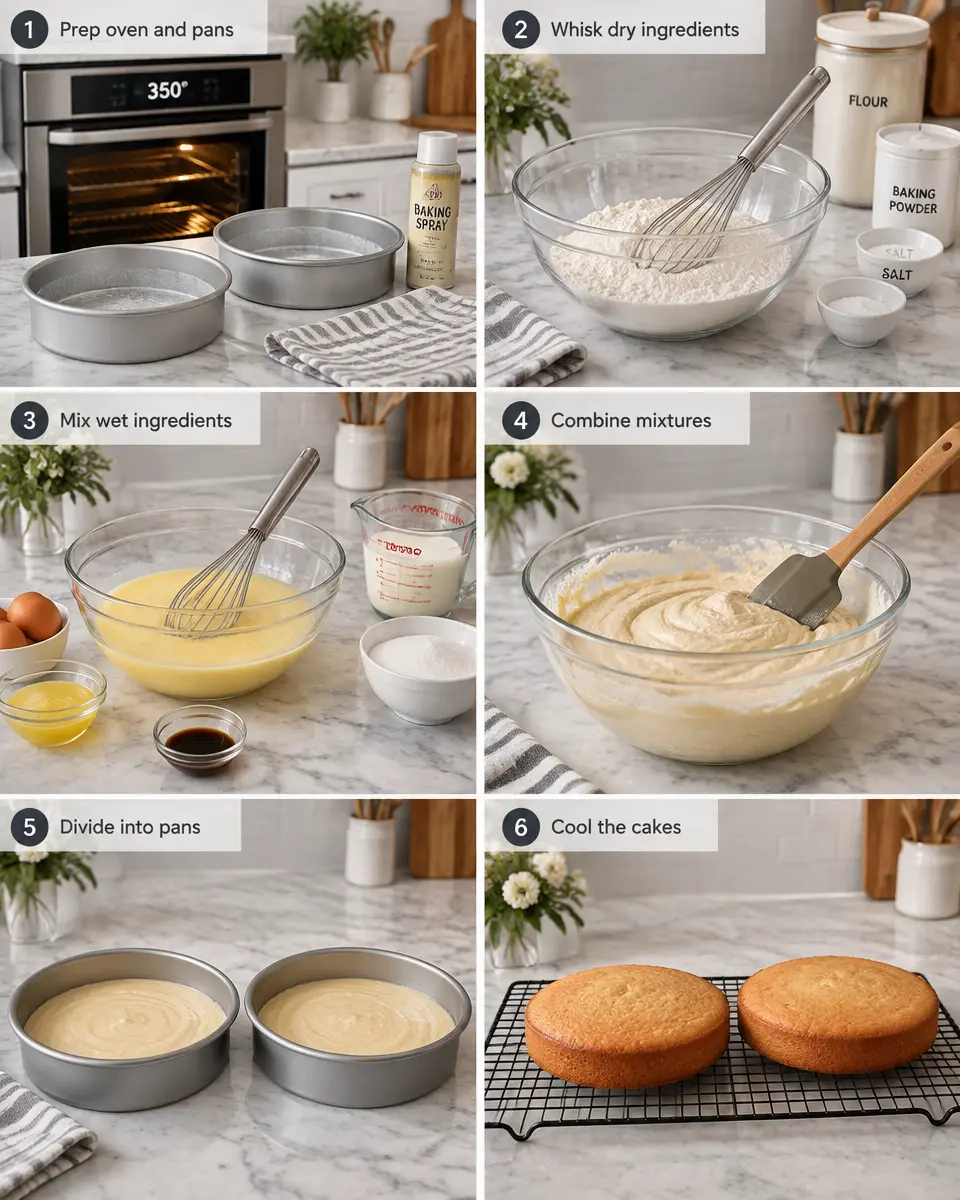
| Thermal Environment | 350°F (175°C) standard | Preheat the oven fully and use an independent internal thermometer for accuracy. |
| Pan Preparation | Parchment paper and butter | Line pan bottoms to prevent sticking and ensure clean vertical edge releases. |
Baking foodstuffs safely requires heating batters and doughs until internal proteins coagulate and starches fully gelatinize at standard thermal thresholds — USDA Food Safety and Inspection Service (FSIS)
Step-by-Step Practical Application and Guidelines
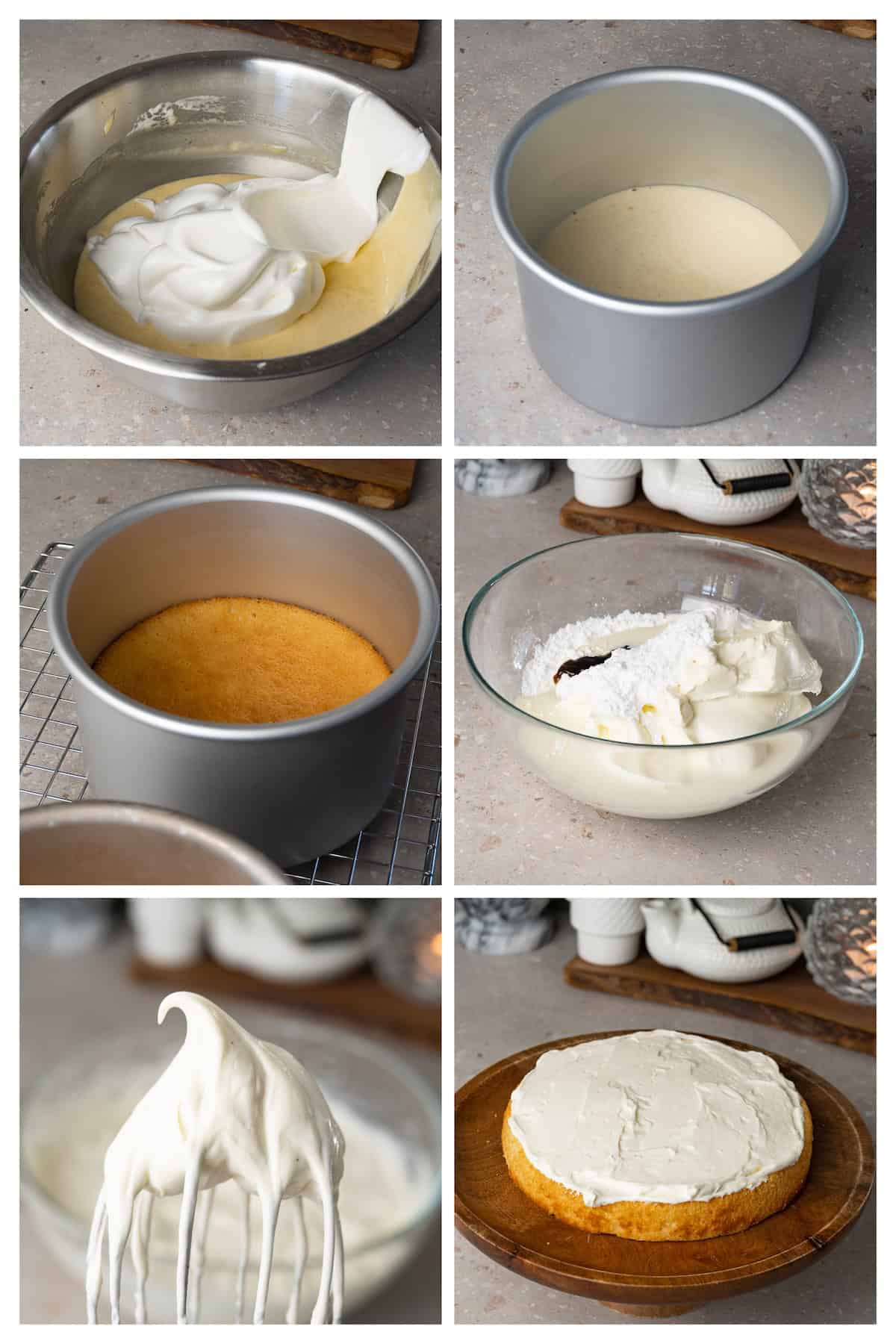
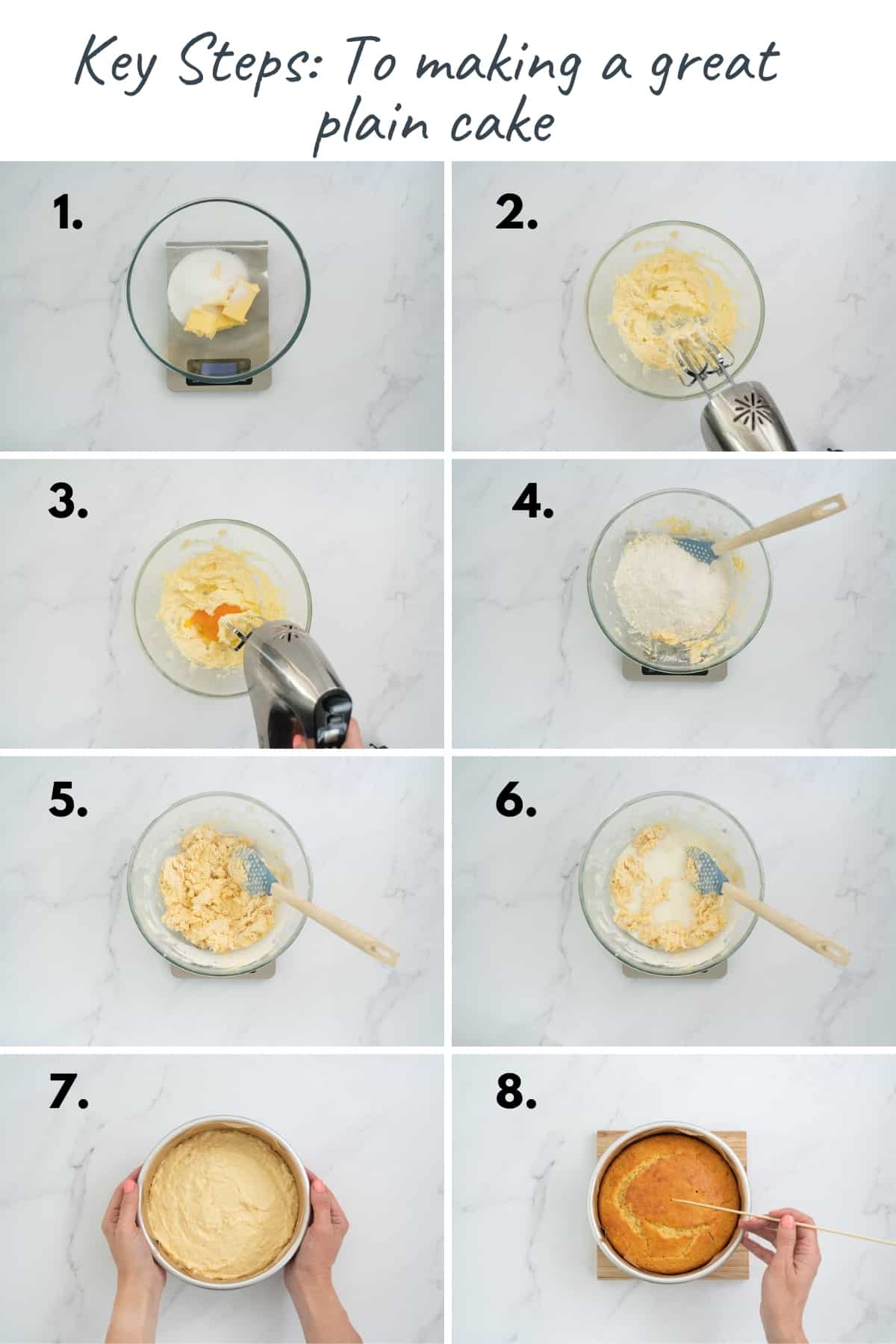
Executing a structured baking sequence prevents common structural failures such as sinking centers or dense layers. Begin by bringing all refrigerated components, including eggs and milk, to ambient room temperature to encourage proper emulsion formation within the batter. Sift dry components together to eliminate lumps and evenly distribute chemical leavening agents like baking powder or baking soda. Pour the finished batter immediately into prepared pans and tap them gently against the counter to release trapped large air pockets before transferring them to the center rack of the preheated oven.
Common Challenges and How to Avoid Them
Preventing collapsed cakes and tough textures requires diagnosing oven hotspots and avoiding excessive flour accumulation during mixing. Opening the oven door prematurely causes thermal shock, which deflates rising air pockets and results in a sunken center. Utilizing reliable resources found under DIY & Cottage Decor and Printables & Paper Crafts helps organize kitchen workspaces effectively for streamlined baking sessions.
💬 Frequently Asked Questions
Explore More Guides on The Cottage Chronicles
Explore additional traditional culinary tutorials, seasonal home crafts, and DIY homestead inspiration by visiting the complete archive at The Cottage Chronicles.
Recipe Step Photos & Variations