Introduction
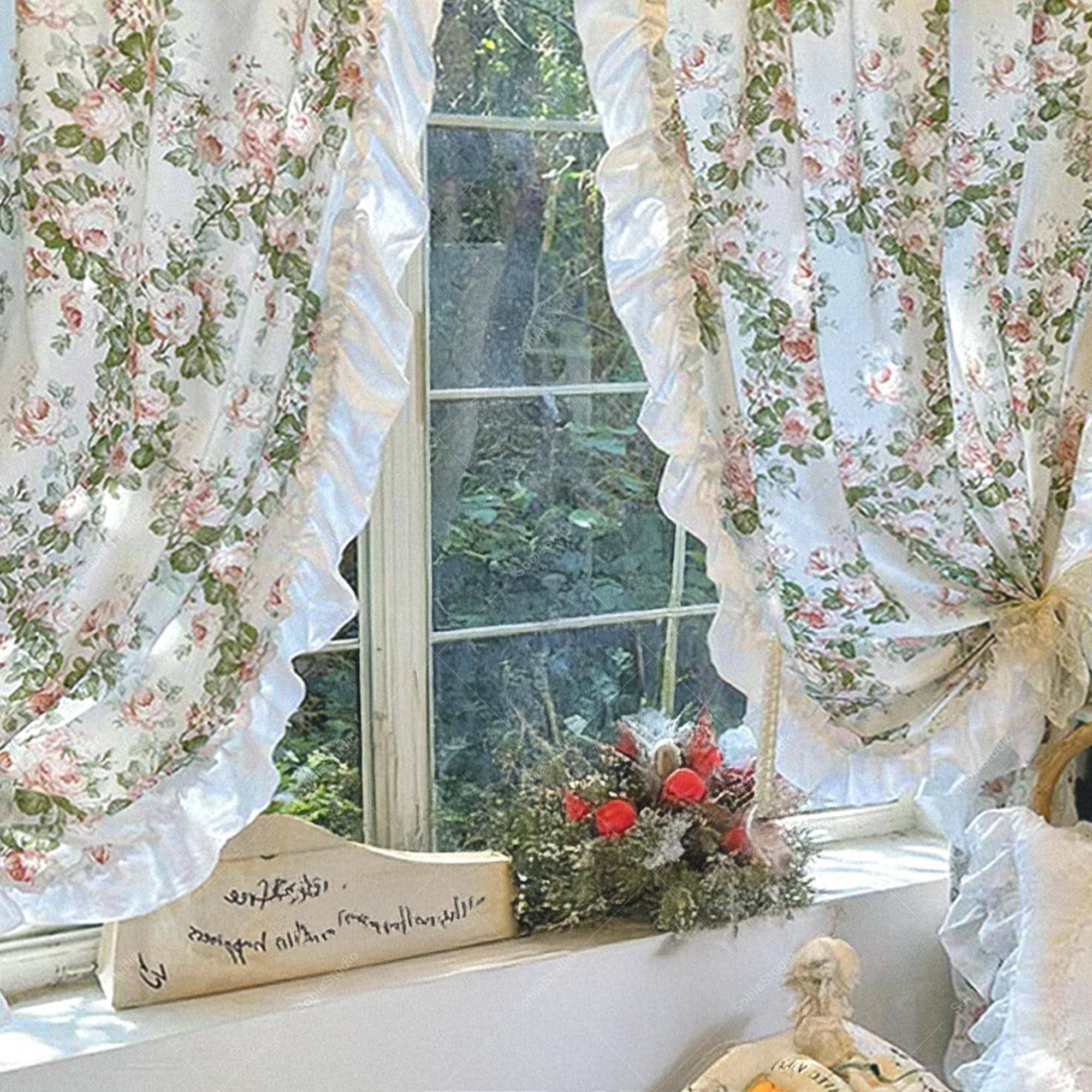
Cottage DIY decor centers on the integration of natural materials, vintage aesthetics, and functional craftsmanship to create comfortable, character-filled residential spaces. According to the American Society of Interior Designers (ASID), sustainable and repurposed home elements contribute significantly to long-term interior environmental health and occupant well-being. This design philosophy emphasizes the use of reclaimed wood, linen textiles, and hand-finished surfaces to establish a cohesive, timeless environment. Readers seeking to expand their skills in this area should explore comprehensive resources on DIY & Cottage Decor for foundational techniques.
Cottage Project & Prep Snapshot:
- Core Focus: Creating authentic, budget-conscious, and visually warm home interiors.
- Materials & Scope: Reclaimed timber, natural cotton, low-VOC finishes, and upcycled hardware.
- Key Recommendation: Prioritize structural integrity and texture variation over mass-produced ornamentation.
Core Principles and Detailed Overview
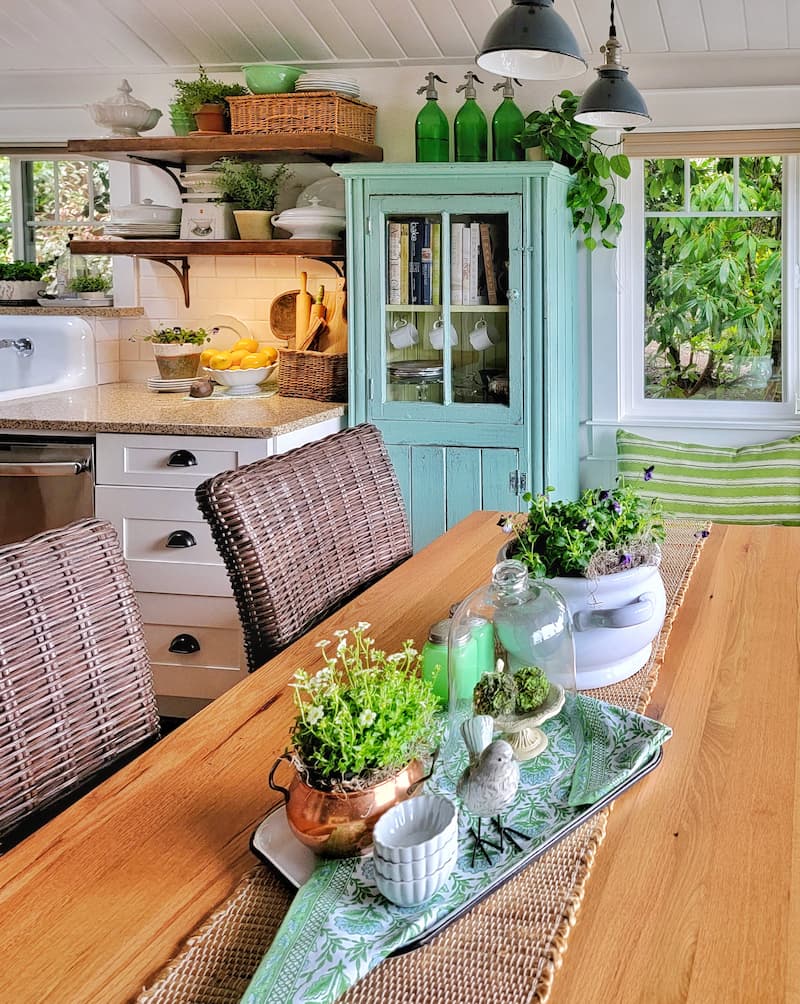
Cottage DIY decor relies on the strategic application of texture, scale, and color to evoke a sense of heritage and lived-in comfort. Successful implementation requires a focus on raw, organic materials such as unbleached linen, weathered oak, and brushed metals that acquire a patina over time. Room proportions are managed by selecting furniture pieces that maintain visual openness, preventing small cottage spaces from appearing cluttered. By balancing light-reflecting surfaces with absorbent textiles, interiors gain depth and acoustic softness. Consistent adherence to a neutral, earth-toned palette ensures that disparate DIY projects maintain a unified aesthetic across the home.
Key Specifications and Breakdown
| Component / Step | Recommended Specification | Quality & Practical Tip |
|---|---|---|
| Wood Finishing | Water-based matte sealer | Always sand against the grain lightly. |
| Textile Selection | 100% natural fiber (linen) | Pre-wash fabrics to prevent shrinkage. |
| Hardware Upcycling | Solid brass or iron | Use vinegar baths to remove oxidation. |
Principles of Universal Design for Interior Spaces — American Society of Interior Designers (ASID)
Step-by-Step Practical Application and Guidelines
Effective cottage DIY decor begins with the systematic preparation of surfaces, ensuring that all substrates are clean, sanded, and primed for maximum durability. First, assess the room’s natural light levels to determine appropriate paint sheens, opting for matte or eggshell finishes to minimize glare on textured walls. When installing custom shelving or cabinetry, utilize level-tracking tools to maintain geometric precision, which is critical in older structures with uneven floors. Secure all heavy decor elements using proper masonry or wall-stud anchors to ensure safety and stability. For those interested in complementary paper-based accents, review the techniques found in Printables & Paper Crafts to maintain thematic consistency.
Common Challenges and How to Avoid Them
Common pitfalls in cottage DIY decor often stem from the overuse of synthetic materials and the neglect of proper structural planning during the renovation process. Avoid the temptation to over-decorate; cottage style thrives on restraint and the intentional selection of pieces that serve both form and function. When working with reclaimed materials, always test for lead paint or structural decay before integrating items into living areas. Poor lighting placement remains a frequent error, which can be mitigated by layering ambient, task, and accent lighting to highlight architectural features rather than masking them. Prioritizing quality over speed prevents the need for repetitive repairs and ensures the longevity of the cottage interior.
💬 Frequently Asked Questions
Explore More Guides on The Cottage Chronicles
Mastering the art of home-making involves a commitment to continuous learning and the application of traditional craft techniques. Readers are encouraged to browse the full library of professional tutorials and project plans available at The Cottage Chronicles, including specialized advice on Recipes & Baking to complete the full cottage experience.
Visual Reference Gallery