Introduction
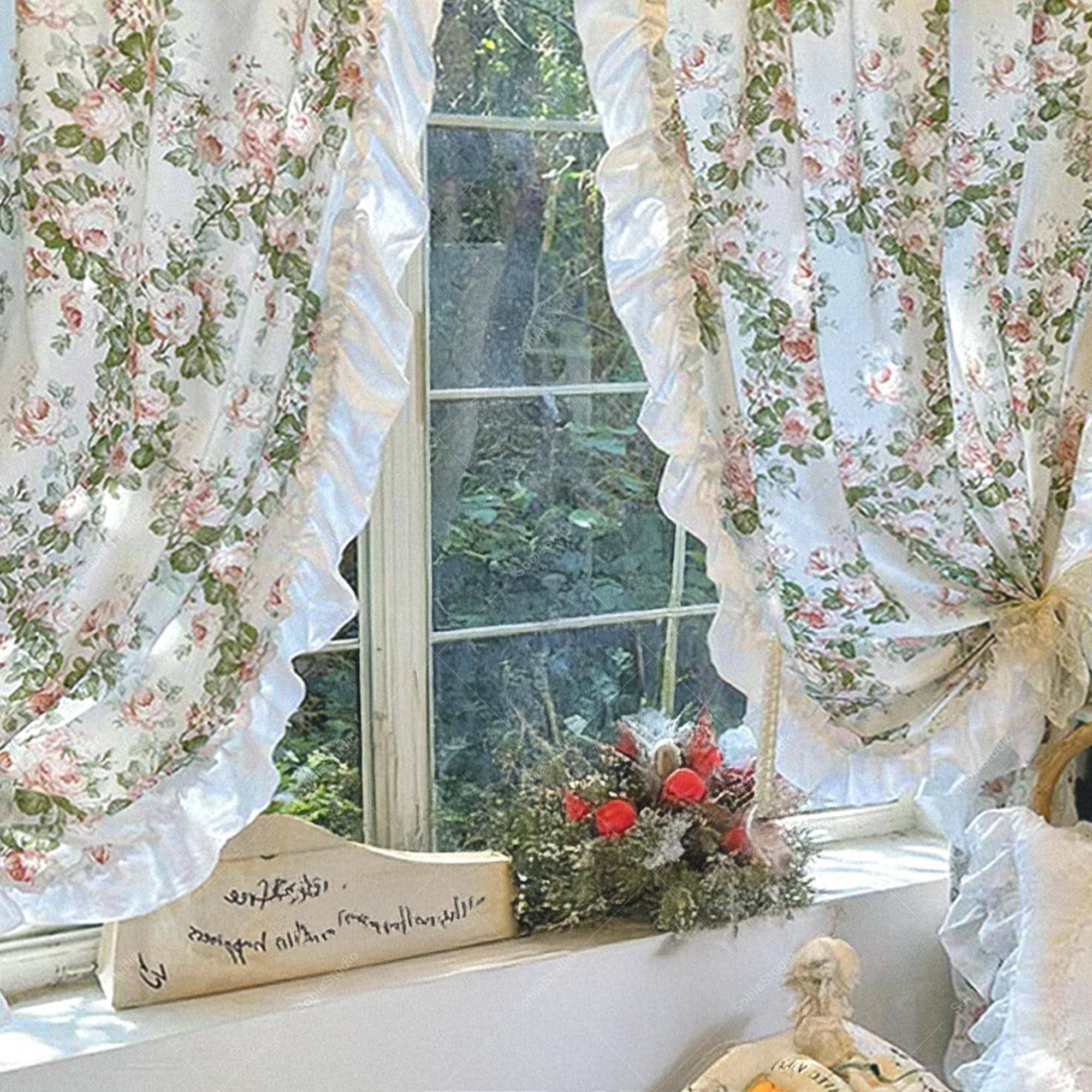
Cottage style curtain headings are handcrafted upper treatments that add rustic charm, softness, and traditional character to interior windows using simple gathered, tab-top, or tie-top techniques. According to the American Society of Interior Designers (ASID), incorporating tactile, natural-fiber window dressings successfully enhances human well-being by grounding residential spaces in organic comfort. Achieving this timeless aesthetic requires precise fabric selection, accurate fullness calculations, and sturdy construction methods that endure daily use while maintaining a relaxed, heirloom-quality appearance. Enthusiasts seeking to elevate interior aesthetics can explore further inspiration within the DIY & Cottage Decor archive.
Cottage Project & Prep Snapshot:
- Core Focus: Constructing authentic country-style curtain headings for rustic, farmhouse, and cabin interiors.
- Materials & Scope: Natural woven fabrics like linen or cotton, matching thread, basic sewing tools, and a reliable tension rod.
- Key Recommendation: Maintain a 2.0 to 2.5 fabric fullness ratio to ensure lush, professional-looking gathers.
Core Principles and Detailed Overview
Creating authentic cottage style curtain headings relies on balancing relaxed structural integrity with lightweight, light-diffusing textiles. Direct visual appeal stems from visible hardware integration, such as fabric ties, exposed wooden rings, or clean rod pockets that allow natural light to filter through textured weaves. Selecting breathable plant-based fibers like unbleached linen, lightweight cotton muslin, or vintage-style ticking stripe ensures the panels drape naturally without stiff artificial creases. Professional interior decorators recommend measuring window spans accurately while factoring in extra yardage to accommodate deep header ruffles and shrinkage during initial laundering phases.
Key Specifications and Breakdown
| Component / Step | Recommended Specification | Quality & Practical Tip |
|---|---|---|
| Fabric Selection | Medium-weight linen or cotton | Pre-shrink fabric by washing before cutting to prevent puckered headings later. |
| Fullness Ratio | 2.0x to 2.5x window width | Multiply the finished rod width by 2.5 for a luxuriously full, gathered country silhouette. |
| Heading Style | Rod pocket or tie-top | Add a 1-inch decorative header above the casing channel for a classic ruffled finish. |
Natural fiber selection and precise fullness calculations form the structural foundation of authentic rustic interior window treatments. — American Society of Interior Designers (ASID)
Step-by-Step Practical Application and Guidelines
Constructing a classic rod-pocket curtain heading begins by squaring off the fabric panel and pressing a double-fold hem along the top edge to create a clean, durable casing channel. Stitch along the lower crease line, then sew a parallel line directly above it to form the desired channel width plus an optional upper ruffle flange. Thread a standard wooden or iron curtain rod carefully through the finished casing, distributing the gathers evenly across the entire width of the window frame. For alternative tie-top headings, sew individual fabric straps securely into the top seam at regular intervals, tying them into relaxed bows over the hanging rod to complete the quintessential cottage look detailed further in the Printables & Paper Crafts section.
Common Challenges and How to Avoid Them
Preventing uneven gathers and sagging headings requires stabilizing lightweight fabrics with appropriate interior header tape or reinforcing stitching along the rod casing. Uneven shrinkage represents another frequent hurdle, which is easily avoided by laundering all yardage prior to marking and cutting pattern pieces. Overloading narrow rods with excessively heavy velvet or brocade fabrics ruins the delicate balance of country decor, making lightweight, breathable weaves the superior choice for maintaining smooth operation and effortless drape.
💬 Frequently Asked Questions
Explore More Guides on The Cottage Chronicles
Mastering traditional homemaking and rustic interior design transforms ordinary houses into cozy, welcoming sanctuaries filled with timeless charm. Readers can continue expanding their homesteading and crafting knowledge by exploring all the hand-curated tutorials available directly at The Cottage Chronicles.
Visual Reference Gallery