Introduction
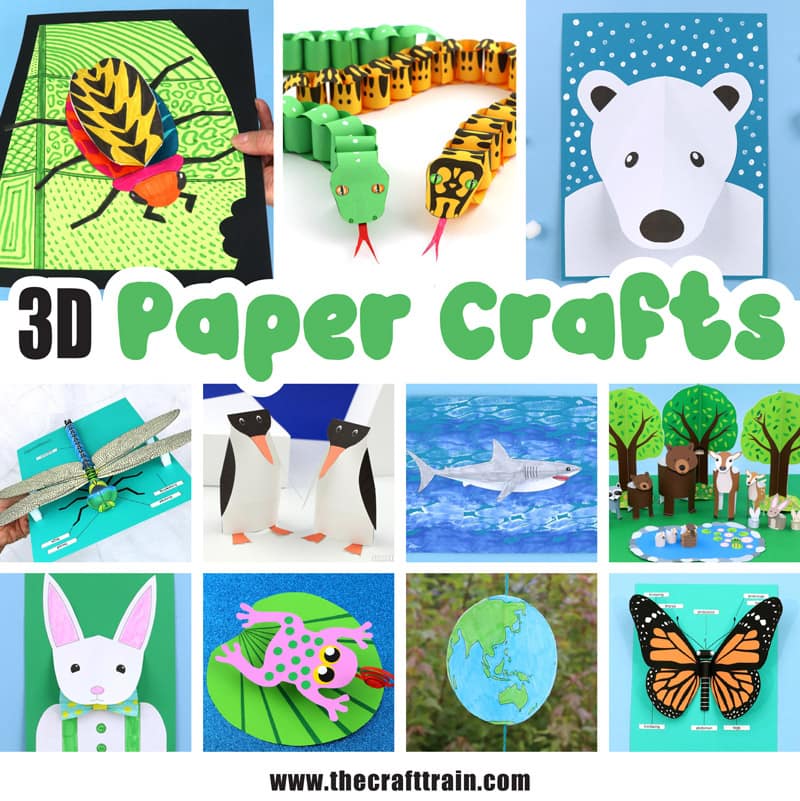
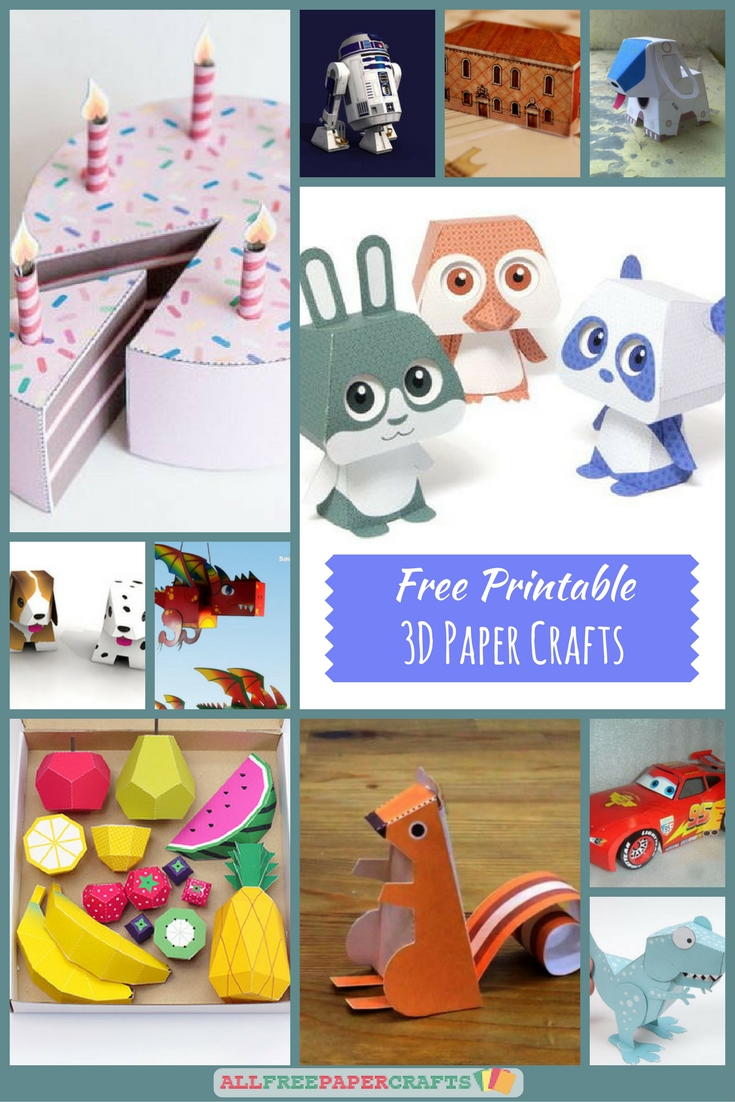
Print paper craft encompasses the specialized design, heavy-weight stock printing, and precision scoring of digital templates for home decor, educational resources, and traditional cottage styling. According to the National Art Education Association (NAEA), structured engagement with tactile paper arts significantly develops spatial reasoning, fine motor dexterity, and creative problem-solving skills across diverse age groups. Utilizing home inkjet or laser machinery alongside specialized substrates transforms simple digital files into heirloom-quality decorative elements, seasonal banners, and organized home ephemera. Enthusiasts looking to expand creative output can discover further inspiration within the dedicated Printables & Paper Crafts archive, featuring curated templates and seasonal cutouts.
Cottage Project & Prep Snapshot:
- Core Focus: High-resolution digital printable creation, paper weight selection, and precision cutting techniques.
- Materials & Scope: Heavy cardstock (80–110 lb), self-healing cutting mats, bone folders, and craft knives.
- Key Recommendation: Always perform a single-page test print at 100% scale before batch-printing multi-page design collections.
Core Principles and Detailed Overview
Paper selection forms the foundational cornerstone of professional-grade print paper craft projects, dictating both structural integrity and final visual texture. Selecting the correct grammage per square meter (GSM) prevents ink bleeding, warping, and structural collapse in three-dimensional builds like favor boxes, dimensional wreaths, and tabletop sculptures. Matte cardstock offers a sophisticated, glare-free finish ideal for vintage botanical prints and rustic cottage wall art, whereas glossy or satin finishes accentuate vivid color saturation for photography and whimsical children’s educational charts. Mastery of resolution settings ensures that vector and high-DPI raster graphics output crisp, clean boundary lines without pixelation or muddy tonal transitions.
Key Specifications and Breakdown
| Component / Step | Recommended Specification | Quality & Practical Tip |
|---|---|---|
| Substrate Weight | 80 lb to 110 lb (216–300 GSM) | Provides optimal rigidity for structural folds without jamming standard home printers. |
| Cutting Apparatus | Self-healing mat and stainless steel ruler | Ensures razor-straight borders and protects work surfaces during heavy utility knife usage. |
| Scoring Technique | Dull butter knife or embossing stylus | Creates clean, crack-free creases on heavy cardstock prior to manual folding. |
Standardized paper grain direction perpendicular to fold lines prevents unsightly fiber cracking and structural fracturing in heavy cardstock assemblies. — National Art Education Association (NAEA). For more related activities, check out our Printed Paper Craft Ideas.
Step-by-Step Practical Application and Guidelines
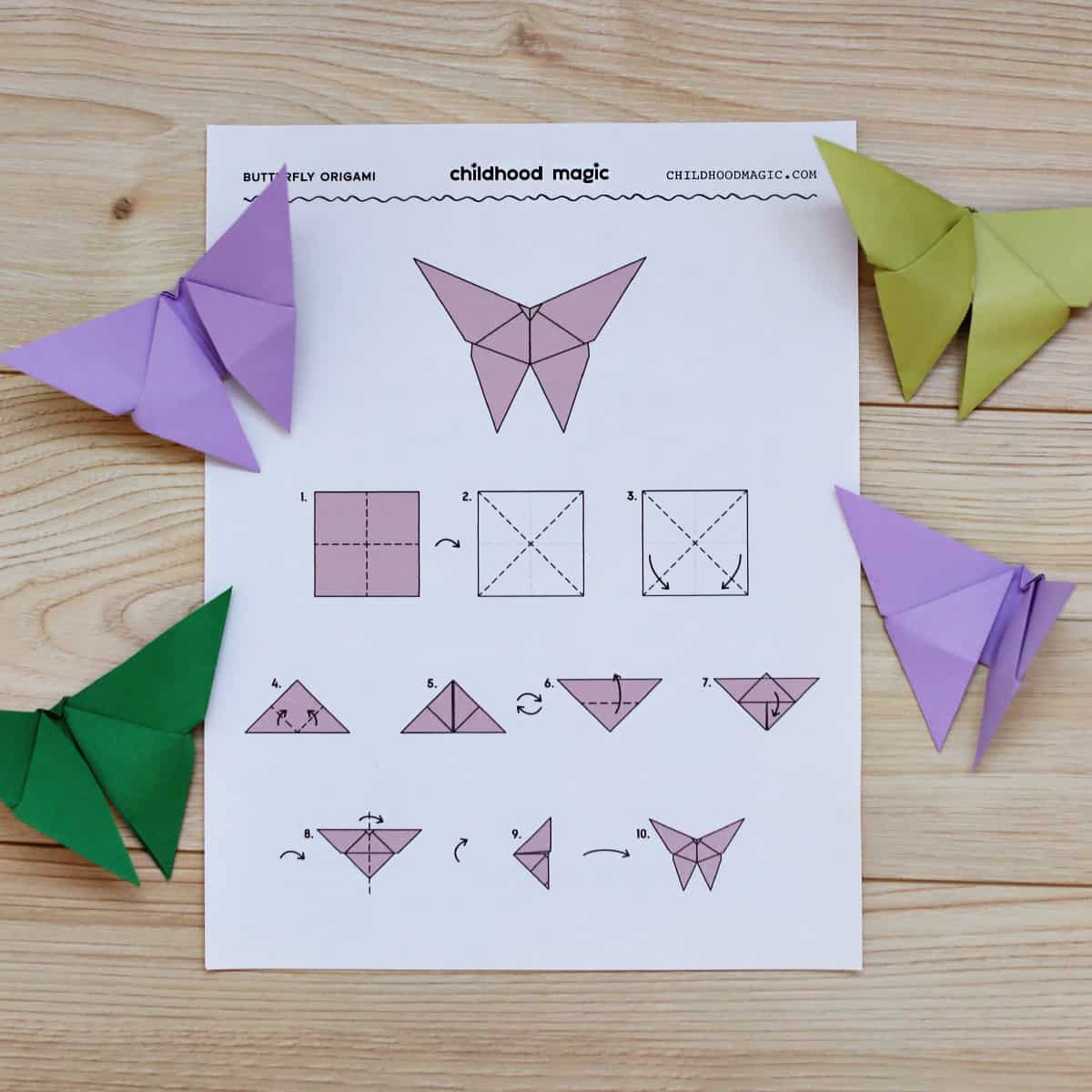
Executing flawless print paper craft items requires a methodical sequence of digital preparation, accurate printing, and precise post-processing finishing techniques. Begin by adjusting printer properties to maximum quality settings and disabling all automatic page-scaling features to ensure accurate template dimensions. Allow freshly printed pigment or dye-based inks to dry completely for at least two minutes before handling to eliminate smudge risks. Align metal straight-edges along crop marks, applying firm, even downward pressure while guiding a sharp utility knife along folding or cutting guides. Finally, utilize a bone folder along scored creases to establish sharp, professional 90-degree or 180-degree angles that elevate handmade decor to professional standards.
Common Challenges and How to Avoid Them
Cardstock paper jams and ink smearing represent the most frequent obstacles encountered during the creation of intricate paper goods. Modern desktop printers often struggle with heavy substrates exceeding 110 lb unless users manually feed single sheets through a rear bypass tray. To prevent ink feathering and color bleeding, verify that printer driver settings match the exact paper type loaded into the tray—such as selecting heavy matte photo paper for coated cardstock. Additionally, storing unused paper in airtight moisture-resistant packaging prevents humidity absorption, which causes paper curling and misfeeds during high-volume print runs.
💬 Frequently Asked Questions
Explore More Guides on The Cottage Chronicles
Expanding domestic creativity extends far beyond stationery and dimensional decorations, incorporating seasonal styling found within DIY & Cottage Decor. Artisans and homemakers seeking to balance tactile studio work with traditional hearth activities can also explore scratch-made comfort food tutorials via Recipes & Baking. Discover endless inspiration for a handcrafted, intentional lifestyle across all collections hosted at The Cottage Chronicles.
Visual Reference Gallery