Introduction
Printed paper craft ideas encompass the intentional selection of heavy-weight cardstocks, precise templates, and archival printing methods to construct durable, heirloom-quality home decor, educational tools, and seasonal cottage embellishments. According to the National Art Education Association (NAEA), structured engagement with tactile paper arts strengthens fine motor precision, spatial reasoning, and material literacy across diverse age groups. Homeowners, educators, and DIY crafters leverage these scalable print-and-assemble projects to achieve high-end aesthetic results on modest budgets. Integrating digital graphic files with traditional hand-finishing techniques yields charming, rustic accents tailored for farmhouse and cabin interiors without requiring specialized industrial equipment. Enthusiasts looking to expand their creative toolkit can explore further inspiration within Printables & Paper Crafts for ongoing seasonal projects.
Cottage Project & Prep Snapshot:
- Core Focus: Transforming digital templates into tactile home decor using high-GSM paper stocks and clean cutting methods.
- Materials & Scope: Premium cardstock, inkjet or laser printer, precision craft knife, self-healing cutting mat, and bone folder.
- Key Recommendation: Always perform a single-page test print at 100 percent scale before committing valuable decorative paper to a multi-sheet project.
Core Principles and Detailed Overview
Paper weight selection dictates the structural integrity and longevity of any printed paper craft project. Selecting cardstock rated between 65 lb cover (176 GSM) and 110 lb index (nearly 200 GSM) prevents buckling when applying liquid adhesives or watercolors. High-resolution ink settings ensure crisp botanical illustrations, vintage recipe cards, and holiday bunting retain sharp vector lines. Utilizing a bone folder along scored creasing lines produces crisp, professional folds that mirror traditional bookbinding and carton-making standards. For those styling rustic interiors, pairing printed vintage ephemera with natural jute twine or linen ribbon elevates simple cardstock into sophisticated, tactile decor suitable for seasonal mantel displays or handmade gift packaging.
Key Specifications and Breakdown
| Component / Step | Recommended Specification | Quality & Practical Tip |
|---|---|---|
| Paper Density (GSM) | 80 lb to 110 lb Cover Stock | Choose matte finishes to eliminate unwanted glare under bright cottage lighting. |
| Cutting Hardware | Metal-edged ruler and craft knife | Change blades frequently to prevent paper tearing along intricate template edges. |
| Adhesive Selection | PVA bookbinding glue or glue dots | Apply minimal moisture to avoid wrinkling delicate printed color fields. |
Archival durability standards dictate that acid-free, lignin-free papers paired with pigment-based inks resist yellowing and fading under ambient indoor lighting for decades. — National Art Education Association (NAEA)
Step-by-Step Practical Application and Guidelines
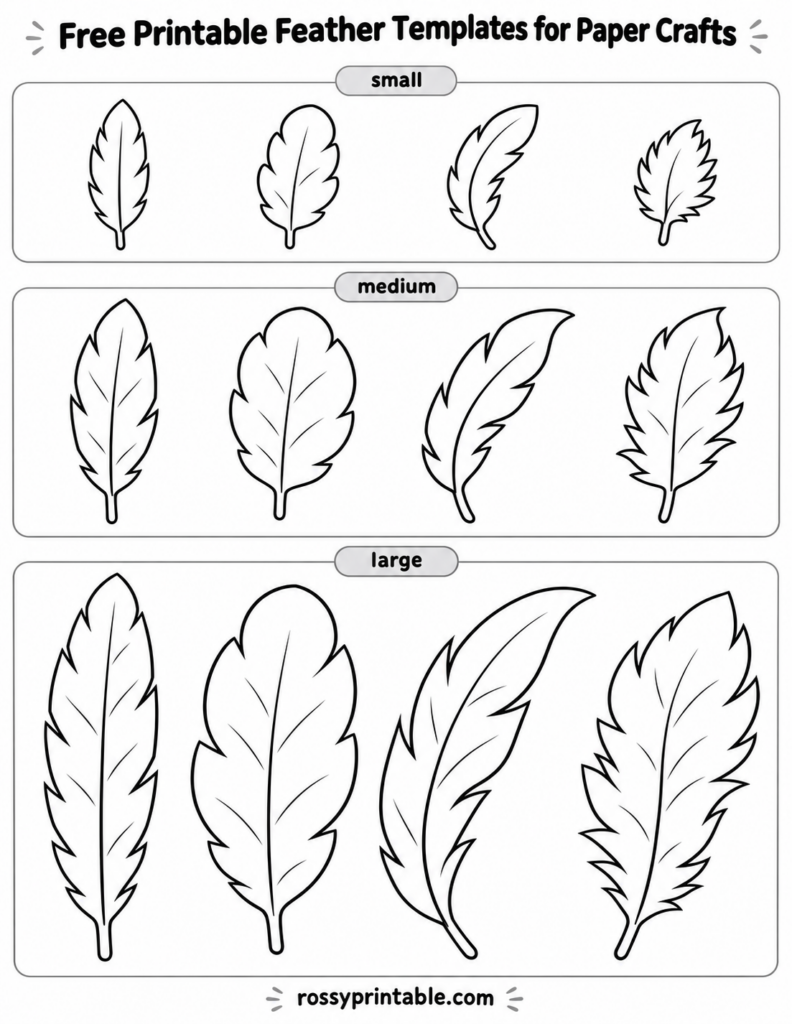
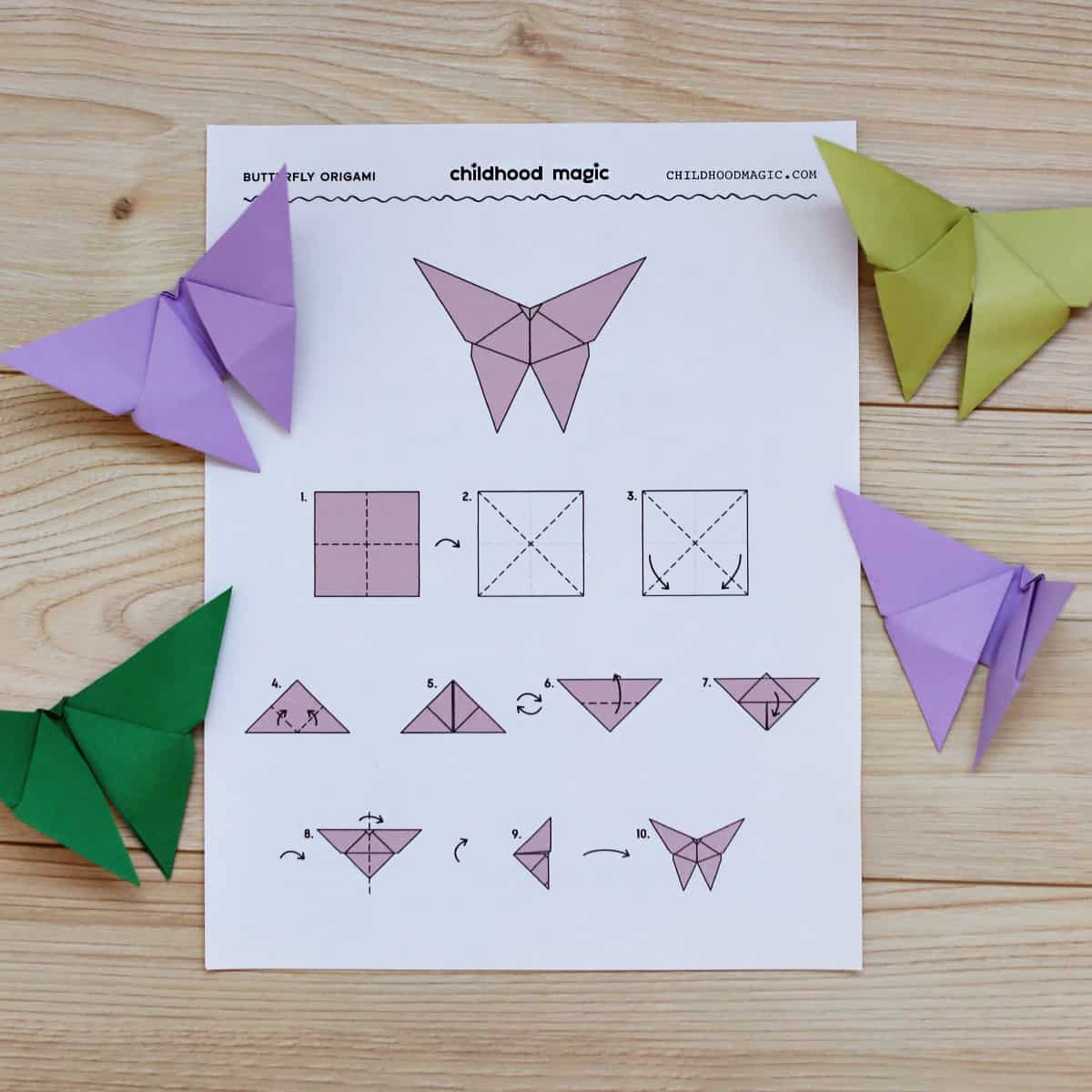
Executing flawless paper crafts requires methodical preparation, beginning with printer calibration to ensure accurate border margins and true color representation. Load selected cardstock into the manual feed tray to prevent paper jams caused by heavy caliper weights. Print the template files at exact scaling (100 percent or “Actual Size”) to maintain proper proportions for three-dimensional boxes, dimensional paper flowers, or modular holiday garlands. Place the printed sheet firmly on a self-healing cutting mat, utilizing a metal straightedge to guide utility knife passes for straight outer borders. Score along designated fold lines using the blunt edge of a bone folder before bending the paper fibers. Assemble components sequentially, allowing quick-setting adhesives to cure fully before handling intricate structural joints or hanging finished home accessories.
Common Challenges and How to Avoid Them
Ink smudging and paper warping represent the primary pitfalls encountered during the assembly of printed paper decorations. Inkjet inks require adequate drying time before handling, particularly when high-density saturation settings are utilized on matte cardstock. To prevent curling and moisture distortion, avoid oversaturating paper templates with water-based glue sticks or wet liquid adhesives. When cutting complex curves or small interior tabs, switch from heavy utility knives to precision detail scissors to maintain clean, fray-free edges. Furthermore, homeowners seeking complementary interior enhancements can review curated styling concepts in DIY & Cottage Decor to harmonize paper crafts with existing rustic furnishings.
💬 Frequently Asked Questions
Explore More Guides on The Cottage Chronicles
Discover additional handmade inspiration, seasonal decorating tutorials, and heirloom-style homemaking projects by visiting The Cottage Chronicles. Whether updating seasonal mantelscapes with delicate paper banners or planning cozy weekend homemaking projects, the comprehensive archive supports every rustic DIY endeavor.
Visual Reference Gallery