Introduction
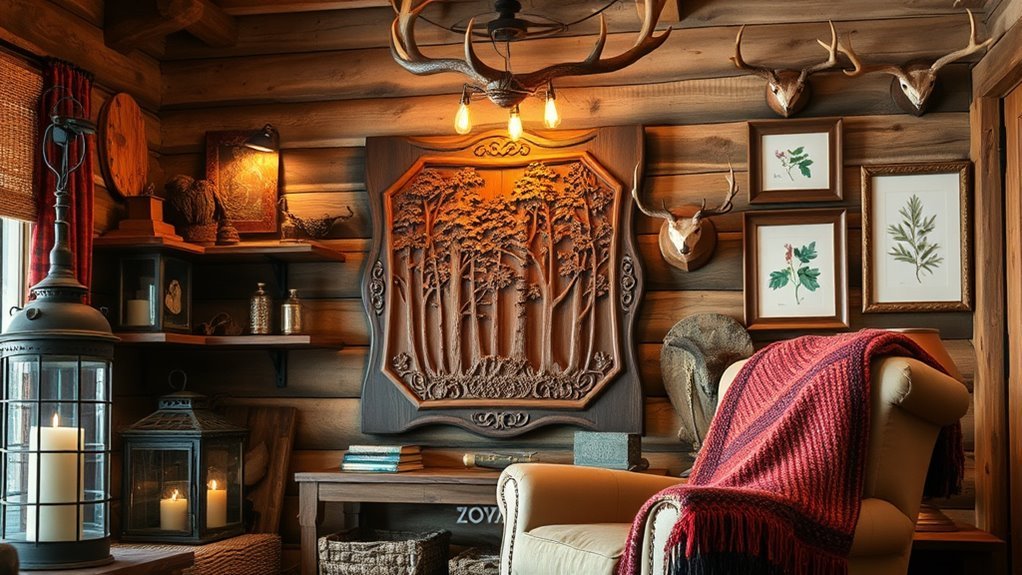
Diy cabin wall decor transforms rustic interiors through the integration of reclaimed lumber, natural textiles, and hand-finished accents that establish authentic pastoral warmth. According to the American Society of Interior Designers (ASID), incorporating tactile organic surfaces and sustainably sourced wood elements measurably improves psychological comfort and indoor environmental satisfaction in residential spaces. Rooted in traditional craftsmanship, creating custom cabin walls involves balancing heavy structural elements with refined visual textures, ensuring spaces feel collected over decades rather than manufactured overnight. Detailed guidance on curated aesthetics is available via DIY & Cottage Decor for home enthusiasts seeking complete room cohesion.
Cottage Project & Prep Snapshot:
- Core Focus: Designing budget-friendly, visually balanced rustic wall treatments for cabin interiors.
- Materials & Scope: Reclaimed pine, shiplap boards, matte water-based sealants, and heavy-duty mounting hardware.
- Key Recommendation: Always acclimate raw wood products to indoor humidity levels for at least 72 hours before installation.
Core Principles and Detailed Overview
Balancing visual weight and structural safety remains paramount when designing handmade wall features for rustic retreats. Scale, proportion, and timber grain direction dictate how a room breathes, preventing heavy dark paneling from overwhelming compact floor plans. Utilizing light-toned whitewashed finishes or vertical board-and-batten configurations maximizes perceived ceiling height while maintaining traditional vernacular charm. Furthermore, integrating paper elements such as botanical prints mounted on heavy cardstock can be explored further through resources on Printables & Paper Crafts to add layered academic charm alongside heavy timber.
Key Specifications and Breakdown
| Component / Step | Recommended Specification | Quality & Practical Tip |
|---|---|---|
| Wood Siding & Planks | 3/4-inch thickness, kiln-dried pine or reclaimed oak | Prevents warping and ensures stable face-nailing into studs. |
| Surface Finish | Low-VOC water-based matte polyurethane or hardening wax | Preserves natural matte timber texture without yellowing over time. |
| Mounting Hardware | Rated structural screws and heavy-duty French cleats | Secures heavy frames and timber collages safely to drywall anchors. |
Acoustic and Thermal Comfort Standard — American Society of Interior Designers (ASID)
Step-by-Step Practical Application and Guidelines
Executing durable wooden and textile installations requires methodical planning, precise measuring, and careful wall preparation. Begin by locating and marking all wall studs using an electronic finder, transferring stud lines directly to painters tape applied horizontally across the work zone. Next, measure total square footage and cut timber or frame backing pieces with a miter saw, allowing a quarter-inch expansion gap near baseboards and crown moldings to accommodate seasonal wood movement. Apply a non-yellowing matte sealer to all raw edges prior to final mounting, and secure assemblies using hidden finish nails or heavy-duty construction adhesive paired with mechanical fasteners.
Common Challenges and How to Avoid Them
Preventing warped panels, split grain, and failing wall anchors requires strict adherence to material conditioning and weight distribution standards. Unacclimated timber brought directly from unheated barns or humid warehouses will inevitably shrink or cup after installation, ruining flush joints. Combat this by stacking boards with spacer stickers inside the target room for several days. Additionally, avoid relying solely on hollow-wall plastic anchors when hanging heavy reclaimed wood assemblies; always drive primary support screws directly into structural wooden studs to guarantee long-term stability and safety.
💬 Frequently Asked Questions
Explore More Guides on The Cottage Chronicles
Expanding homestead projects involves mastering various disciplines, from traditional woodworking and paper arts to hearth baking, all unified by a commitment to slow, intentional living. Discover complementary home inspiration, seasonal hosting ideas, and wholesome recipes by visiting The Cottage Chronicles to enrich every corner of daily domestic life.
Visual Reference Gallery